

 Pregledaj u prostoru
 Pošalji
 Podeli
 Detalji o delu

 Преузми
 Slični predmeti
 Rendgenski snimak
 Slajdovi
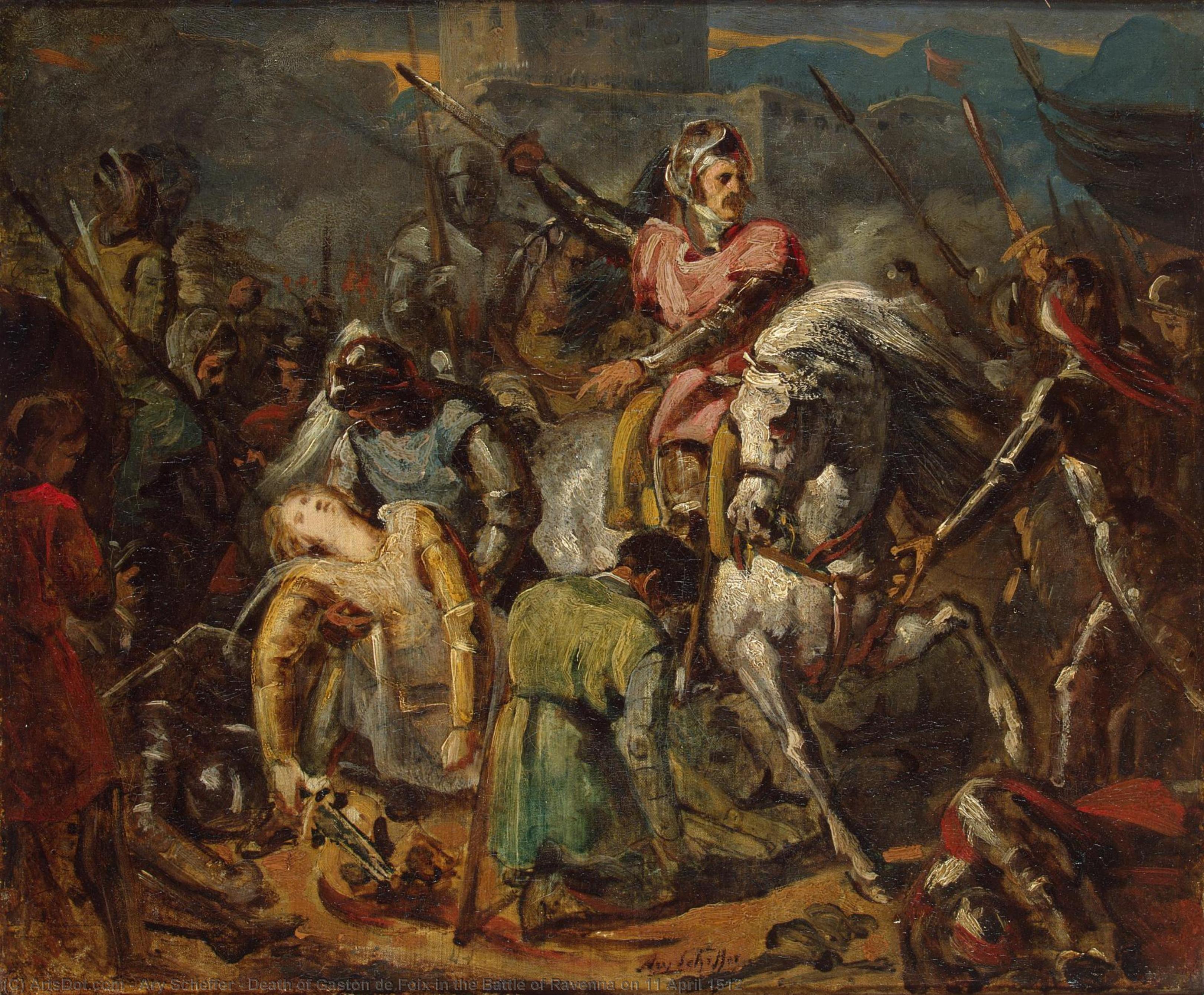
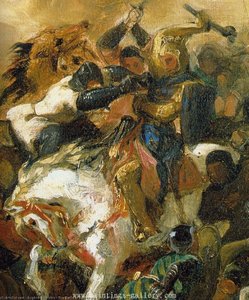
Death of Gaston de Foix in the Battle of Ravenna on 11 April 1512
 Oil On Canvas
- WallArt
- Romanticism
 1824
1824- 19th Century
 38.0 x 46.0 cm
 Hermitage Museum
 Pročitaj više
Ručno rađena uljana reprodukcija
Ručno oslikano uljanim bojama na platnu u dimenzijama i okviru po vašem izboru, izrađeno po porudžbini od strane naših umetnika. ( Kupi print Kupi digitalnu sliku)




P118B $10

P118H $10

P118W $10

P438Z $10

P508JH $12

P508YH $12

P805H $10

P805Z $10

P919BZ $10

P919G $10

P919XJ $10

P959ZH $10

P968JZ $12

W106C $8

W218G $10

W218JH $8

W218Y $10

W307PJ $10

W316G $10

W316PJ $8

W316Y $10

W398PJ $8

W4111J $10

W500HY $15

W500JH $15

W692G $12

W849H $8

W940BG $15

W953PJ $8




Izaberite jednu od naših unapred definisanih veličina koje odgovaraju originalnim proporcijama umetničkog dela.

Можете унети сопствене димензије како бисте прилагодили дело одређеном оквиру или простору. Ако одабрана величина не одговара пропорцијама оригинала, слика ће бити исечена или проширена додатним елементима који се ручно насликавају. Дигитални prikaz ће вам бити послат на одобрење пре почетка производње.
Имајте на уму да преглед на екрану не одражава стварно исецање или проширење. Само приказ (mockup) ће тачно приказати коначну композицију.
Иако су доступне прилагођене величине, препоручујемо да одаберете димензију из дефинисане листе како бисте сачували оригиналне пропорције.
Nakon narudžbine, tim ArtsDot.com će klijentu putem e-pošte poslati uputstva i dostaviti prikaz predloženog rešenja
Isporuka širom sveta () za 3/4 nedelje umesto uobičajenih 5 nedelja. (31 август). Bez kompromisa po pitanju kvaliteta.

Besplatna ekspresna dostava širom sveta

Visokokvalitetno laneno platno

Kompletno osiguranje transporta

Garancija povraćaja carine i uvoznih dažbina

Garancija vernosti boja

Politika povrata u roku od 60 dana (samo u slučaju nedostataka)

Garancija povrata novca od 100%

Popust pri grupnoj kupovini
 Opcija sa staklom dostupna je samo za dimenzije manje od 110 cm

Death of Gaston de Foix in the Battle of Ravenna on 11 April 1512
Tehnika reprodukcije
Dimenzije reprodukcije
-


Konačna cena
$ 263
Ary Scheffer’s “Death of Gaston de Foix in the Battle of Ravenna on 11 April 1512” – A Dramatic Echo of Renaissance Tragedy
Ary Scheffer's "Death of Gaston de Foix in the Battle of Ravenna on 11 April 1512" stands as a cornerstone of Romantic painting, capturing not merely an historical event but also the profound emotional currents that defined its era. Created in 1824, this monumental canvas—measuring 38 x 46 cm and housed at The Hermitage Museum in St. Petersburg—captures the tragic demise of Gaston de Foix, Duke of Nemours, during the Battle of Ravenna on April 11th, 1512, a pivotal moment in the Italian Wars and a cornerstone of Romantic art history. Ary Scheffer’s sketch for a monumental painting embodies the spirit of his era—a fervent embrace of dramatic narrative and emotional expression—marking a decisive departure from the neoclassical preoccupation with idealized form and rational order.The Subject Matter: Gaston de Foix and the Battle of Ravenna
Ary Scheffer's depiction centers on Gaston de Foix, Duke of Nemours – a figure whose military prowess captivated the imagination of his contemporaries and whose untimely demise resonated throughout Europe. The artist meticulously portrays him astride a horse, wielding a sword with unwavering resolve, embodying the heroic spirit emblematic of the Renaissance era. Surrounding him are fellow soldiers clad in armor, reflecting the grandeur and solemnity of medieval warfare. Two swords dominate the composition—one held by Gaston de Foix himself, symbolizing courage and leadership, and another positioned centrally, representing the decisive confrontation between opposing forces. The painting’s stylistic approach aligns seamlessly with the Romantic movement's emphasis on dramatic emotion and expressive brushwork. Ary Scheffer skillfully employs loose, swirling strokes to convey the urgency of the battlefield scene—a deliberate departure from the precise realism favored by Neoclassical painters. The artist’s palette is dominated by muted browns, ochres, and reds, reflecting the grim realities of war while simultaneously capturing the grandeur of historical narrative.The Artist: Ary Scheffer
Ary Scheffer (1795-1858) stands as a pivotal figure in Romantic art—a movement characterized by fervent emotion, individualism, and an embrace of imagination over strict academic conventions. Born in Dordrecht, Netherlands, he inherited artistic talent from his parents, Johan Bernard Scheffer and Cornelia Lamme, both accomplished portraitists. This early exposure instilled in him a meticulous attention to detail and a profound understanding of visual representation—qualities that would characterize his entire oeuvre. His father’s influence was particularly notable; John Bernard Scheffer practiced the art of portraiture with unwavering precision, capturing likenesses with remarkable accuracy while simultaneously conveying subtle nuances of character. This dedication to realism would become a cornerstone of Ary Scheffer's artistic vision.The Birth of Romantic Painting: Gaston de Foix and Ary Scheffer’s Dramatic Vision
Ary Scheffer’s “Death of Gaston de Foix in the Battle of Ravenna on 11 April 1512” stands as a pivotal artwork, marking a decisive shift away from the rigid formalism of Neoclassicism toward the expressive fervor of Romanticism. Ary Scheffer's depiction captures not merely a historical event—the final confrontation between France and Spain during the War of the League of Cambrai—but also embodies the psychological complexities inherent in portraying mortality and heroism.The Scene: Ravenna, 1512 – A Moment Frozen in Time
Scheffer’s canvas portrays Gaston de Foix, Duke of Nemours, a young French military leader at the height of his ambition, facing imminent defeat during the Battle of Ravenna. The painting depicts him astride a horse, clutching a sword—a posture symbolizing courage and defiance—but with his head bowed in sorrow or resignation. Surrounding him are fellow soldiers clad in armor, creating a dramatic tableau that captures the tension and peril of warfare. Two swords dominate the composition: one held by Gaston de Foix himself, representing leadership and martial prowess, and another positioned prominently near the center, symbolizing victory and perhaps impending doom. The artist’s meticulous attention to detail—the textures of armor, the expressions on the faces of the figures—contributes to a dramatic portrayal of the event. Ary Scheffer's masterful brushstrokes convey both the physicality of battle and the psychological intensity of the moment.The Battle of Ravenna: A Pivotal Moment in Renaissance History
The painting “Death of Gaston de Foix in the Battle of Ravenna on 11 April 1512” by Ary Scheffer isn’t merely a depiction of a military event; it's a profound meditation on mortality and heroism within the turbulent backdrop of the Italian Wars. Created in 1824, this monumental canvas—measuring approximately 38 x 46 centimeters—holds its place prominently at The Hermitage Museum in St. Petersburg, Russia, cementing its status as an iconic representation of Romantic artistic expression.The Subject Matter: Gaston de Foix and the Battle of Ravenna
Ary Scheffer’s “Death of Gaston de Foix in the Battle of Ravenna on 11 April 1512” isn't merely a depiction of a military event; it’s an embodiment of Romantic drama. The painting portrays Gaston de Foix, Duke of Nemours—a young French commander who spearheaded a daring campaign against the Holy League during the Italian Wars—in his final moments. Captured in a dynamic pose atop a horse, he holds aloft a sword, symbolizing courage and leadership, while his head bows downwards, conveying defeat and sorrow. The scene unfolds amidst a backdrop of armored figures representing the opposing forces, emphasizing the drama of battle and highlighting the artist's masterful depiction of human emotion.The Battle of Ravenna: A Moment Frozen in Time
Ary Scheffer’s “Death of Gaston de Foix in the Battle of Ravenna on 11 April 1512” isn’t merely a historical painting; it’s an embodiment of the Romantic spirit—a visceral reaction to tragedy and a celebration of human emotion. Ary Scheffer, commissioned by Louis XIV for Versailles, captured not just a battlefield scene but also the profound sorrow of loss against a backdrop of political upheaval.The Battle of Ravenna: A Moment Frozen in Time
Scheffer’s “Death of Gaston de Foix in the Battle of Ravenna on 11 April 1512” isn't merely a depiction of a military event; it’s an encapsulation of Renaissance drama and aristocratic tragedy. The painting captures the final moments of Gaston de Foix, Duke of Nemours—a young commander who had ignited the Italian Wars with his audacious campaigns—as he succumbed to a fatal wound during the Battle of Ravenna on April 11th, 1512. Ary Scheffer’s sketch for this monumental composition encapsulates not merely a historical event but also embodies the spirit of Romantic art, marking a pivotal moment in European artistic history.The Scene: A Moment Frozen in Time
Ary Scheffer's "Death of Gaston de Foix in the Battle of Ravenna on 11 April 1512" depicts a dramatic confrontation between French and Spanish forces during the tumultuous Wars of Religion. The painting captures a pivotal moment—the fatal wounding of Gaston de Foix, Duke of Nemours—a young military leader who had spearheaded France’s ambitious campaign against Spain in Italy. Ary Scheffer's masterful depiction transcends mere historical record; it embodies the Romantic spirit, prioritizing emotional resonance over strict realism.The Scene: Drama and Symbolism Embodied
Scheffer captures a pivotal moment – the death of Gaston de Foix at Ravenna on April 11th, 1512 – not as a clinical recounting of battle but as a dramatic tableau brimming with emotion. The painting depicts Gaston riding his horse, sword in hand, head bowed in defeat, surrounded by fellow soldiers. This posture immediately conveys vulnerability and tragedy, reflecting the Romantic preoccupation with human suffering and mortality—a stark contrast to the idealized figures favored by Neoclassical artists. Scheffer’s masterful use of chiaroscuro – dramatic contrasts between light and dark – amplifies the emotional intensity of the scene, mirroring the turbulent spirit of the era. The composition itself is carefully balanced, guiding the viewer's eye towards Gaston de Foix, positioned centrally on horseback, conveying both nobility and vulnerability. His posture embodies courage yet also foreshadows his tragic fate—a poignant reminder of mortality amidst grandeur.The Artist’s Vision: Ary Scheffer and Romantic Expression
Ary Scheffer (1795-1858) stands as a pivotal figure in the transition from Neoclassicism to Romanticism, embodying the spirit of artistic innovation that characterized the early 19th century. Unlike his predecessors who prioritized rational idealism and formal precision—traits prevalent in the dominant aesthetic sensibilities of the time—Scheffer championed emotional expression and dramatic realism, marking a decisive break with neoclassical conventions. His canvases pulsated with palpable energy, conveying not merely visual information but profound psychological depth. This approach resonated powerfully with audiences eager for art that mirrored the complexities of human experience.The Birth of Romantic Painting: Ary Scheffer's Vision
Ary Scheffer’s “Death of Gaston de Foix in the Battle of Ravenna on 11 April 1512” stands as a pivotal moment in artistic history—the undisputed herald of French Romantic painting. Emerging from the shadow of NeSrodna umetnička dela

Biografija umetnika
Život koji spaja svetove: Romantičarska vizija Arija Šfera
Ari Šfer, ime koje možda nije odmah prepoznatljivo kao imena njegovih savremenika poput Delakroa ili Žerikoa, ipak zauzima značajno i fascinantno mesto u pejzažu evropske umetnosti 19. veka. Rođen u Dorprehtu, u Holandiji, 1795. godine, bio je figura duboko oblikovana kako holandskim umetničkim tradicijama, tako i uspensujućem pokretu romantizma koji se učvršćivao u Francuskoj. Njegova priča je priča o migraciji – ne samo geografskoj, od Holandije do Pariza sa majkom nakon očev smrti 1809. godine – već i umetničkoj, kretanju između pedantnog detalja nasleđenog od roditelja, koji su oboje bili slikari, i emocionalnog intenziteta koji je definisao novu estetsku senzibilnost koja je preplavljivala Evropu. Njegov otac, Johan Bernar Šfer, bio je portretista, dok se njegova majka, Kornelija Lame, specijalizovala za minijaturne portrete; ovo rano izlaganje umetnosti ugradilo je u Arija temeljno poštovanje prema tehničkoj veštini i preciznoj reprezentaciji. Ipak, upravo je u Parizu, studirajući pod Pierre-Narcisom Guerinom u École des Beaux-Arts, Šfer zaista pronašao svoj umetnički glas, upijajući uticaje Zavier Sigalona, Eduarda Delakroa i Teodora Žerikoa, dok je stvarao stil koji je bio jedinstveno njegov – često opisivan kao „hladnokrvano klasičan“, što je prividni paradoks koji nagoveštava sržnu tenziju unutar njegovog dela.Književno platno: Teme i umetnički razvoj
Šferova karijera odvijala se kroz nekoliko decenija, obeležena doslednim istraživanjem tema izvučenih iz književnosti, mitologije, religije i portretistike. On nije samo ilustrovao priče; on je pokušavao da *vizualizuje* emocionalno jezgro tih narativa, prenoseći složena psihološka stanja na platno. Ovo je posebno evidentno u njegovim ponavljajućim prikazima Danteove Franceske da Rimini, tragične priče o zabranjenoj ljubavi, koju je više puta preispitivao tokom svoje karijere. Svaka interpretacija nudila je nijansirano istraživanje tuge, strasti i očaja. Podjednako upečatljive su njegove slike inspirisane Geteovim Vilijelm Majstrom, posebno likom Minjon, čija je čežnja za domom i nebom duboko odjekivala sa Šferovim sopstvenim osećanjem izmeštenosti i duhovne čežnje. Christus Consolator, moćno delo koje pokazuje njegov angažman prema religioznim temama, prikazuje mistični kvalitet koji dodatno izdvaja njegov stil. On nije samo prikazivao biblijske scene; tražio je način da prenese duboko emocionalno i duhovno iskustvo vere. Pored ovih književnih i religioznih predmeta, Šfer je takođe uživao u značajnom uspehu kao portretista, beležeći likove plemstva i istaknutih figura francuskog društva, pokazujući svestranost koja je doprinela njegovoj širokoj popularnosti. Njegova slika iz 1837. godine, Pastiri vođeni zvezdom, predstavlja primer njegove sposobnosti da tradicionalnu religioznu ikonografiju prožme senzibilitetom romantizma.Stil definisan nijansama: Spajanje klasicizma i romantizma
Definisanje Šferovog stila nije jednostavno; ono postoji u fascinantnoj interakciji između naizgled suprotstavljenih sila. Iako nesumnjivo pod uticajem emocionalnog žara romantizma, njegov rad dosledno zadržava formalnost i klasičnu strukturu koja ga izdvaja od direktnijih dramatičnih slikara poput Delakroa. Njegove kompozicije su pedantno izrađene, pokazujući rafiniranu tehniku i upečatljivu upotrebu svetlosti i senke kako bi se stvorila atmosfera i dubina. Posedovao je izuzetnu pažnju posvećenu detaljima, naročito u prikazivanju kostima i okruženja, što slikama dodaje sloj istorijske autentičnosti. Međutim, ta pedantnost nikada ne deluje hladno ili sterilno; ona služi da pojača emocionalni uticaj scene. Karakteristična crta Šferovog rada je njegova sklonost ka sentimentalnim, pa čak i melodramatičnim prikazima književnih i religioznih tema. Nije se plašio emocija, ali ih je često predstavljao kroz prizmu suzdržanosti i prefinjenosti. Njegova preferencija za prigušene palete boja dodatno doprinosi ovom osećaju kontrolisane emocionalnosti, stvarajući slike koje su istovremeno vizuelno upečatljive i emocionalno rezonantne.Nasleđe i trajna privlačnost
Iako je Šferova popularnost u 20. veku nešto opala, njegov uticaj na naredne generacije umetnika ostaje neosporan. Njegova jedinstvena mešavina romantizma i klasicizma ponudila je ubedljivu alternativu radikalnijim pristupima nekih njegovih savremenika. Danas se njegova dela čuvaju u muzejima širom sveta, uključujući Muzej u Dorprehtu – što je svedočanstvo njegovog holandskog korena – i Muzej lepih umetnosti u Bostonu, što dokazuje njegovo međunarodno priznanje. Musée de la Vie Romantique u Parizu poseduje posebnu kolekciju posvećenu Šferu i Žordž Sand, ističući njegov značaj unutar intelektualnih i umetničkih krugova ere romantizma. Dostupnost njegovih remek-delа putem ručno rađenih replika uljanih slika osigurava da njegova umetnost nastavi da inspiriše i očarava publiku i danas. Nasleđe Arija Šfera ne leži samo u lepoti njegovih slika, već i u njegovoj sposobnosti da spaja svetove – između tradicije i inovacije, između razuma i emocije, i između holandskog umetničkog nasleđa i živopisnog kulturnog pejzaža Francuske 19. veka. On ostaje fascinantna figura za svakoga ko želi da razume složenost i nijanse romantičarske umetnosti.
Ari Šfer
1795 - 1858 , Holandija
Osnovne informacije
- Artistic Movement Or Style: Romantizam i klasicizam
- Artists Or Movements Influenced By This Artist: Kasnije generacije
- Artists Who Influenced This Artist:
- Guérin
- Delacroix
- Géricault
- Sigalon
- Date Of Birth: 10. februar 1795.
- Date Of Death: 15. jun 1858.
- Full Name: Ary Scheffer
- Nationality: Holandsko-francuski
- Notable Artworks:
- Francesca da Rimini
- Mignon
- Christus Consolator
- Pastiri vođeni zvezdom
- Place Of Birth: Dordret, Holandija
Povezani članci

Francisco Goya: 25 Remek-dela Španskog Majstora za Vaš Dom | ArtsDot
Istražite 25 remek-dela Francisca Goya, španskog slikara romantizma i impresionizma. Portreti, tamne slike & istorija umetnosti na ArtsDot.com! Kupite reprodukcije slika vrhunskog kvaliteta za dekoraciju enterijera. Otkrijte celu kolekciju online.

About Us
Discover our story! We bring world-class art into your life through expert curation, personalized creations, and free previews. Trusted by individuals and businesses since 2000.
Philip James de Loutherbourg: Romantic Visions of Maritime Life & the Sublime
Explore the dramatic naval scenes & landscapes of Philip James de Loutherbourg (1740-1812), a key figure in Romantic painting. Discover his legacy, theatrical innovations & iconic works like 'The Battle of the Nile' at ArtsDot.

Romantic Realism's Finest: 10 Masterpieces for Your Home | ArtsDot
Explore 10 defining masterpieces of Romantic Realism! Discover Courbet, Millet & Daumier's powerful paintings—capturing emotion and social realities. Find museum-quality reproductions for your home at ArtsDot.com.
Águeda Ruiz de la Prada: A Study of Eclecticism & Emotional Resonance in Contemporary Spanish Painting
Discover the vibrant world of Ágatha Ruiz de la Prada, a leading figure in contemporary Spanish art. Explore her eclectic style, emotional depth & legacy – a must-read for discerning collectors.

