

 Pregledaj u prostoru
 Pošalji
 Podeli
 Detalji o delu

 Преузми
 Slični predmeti
 Rendgenski snimak
 Slajdovi
 Stats
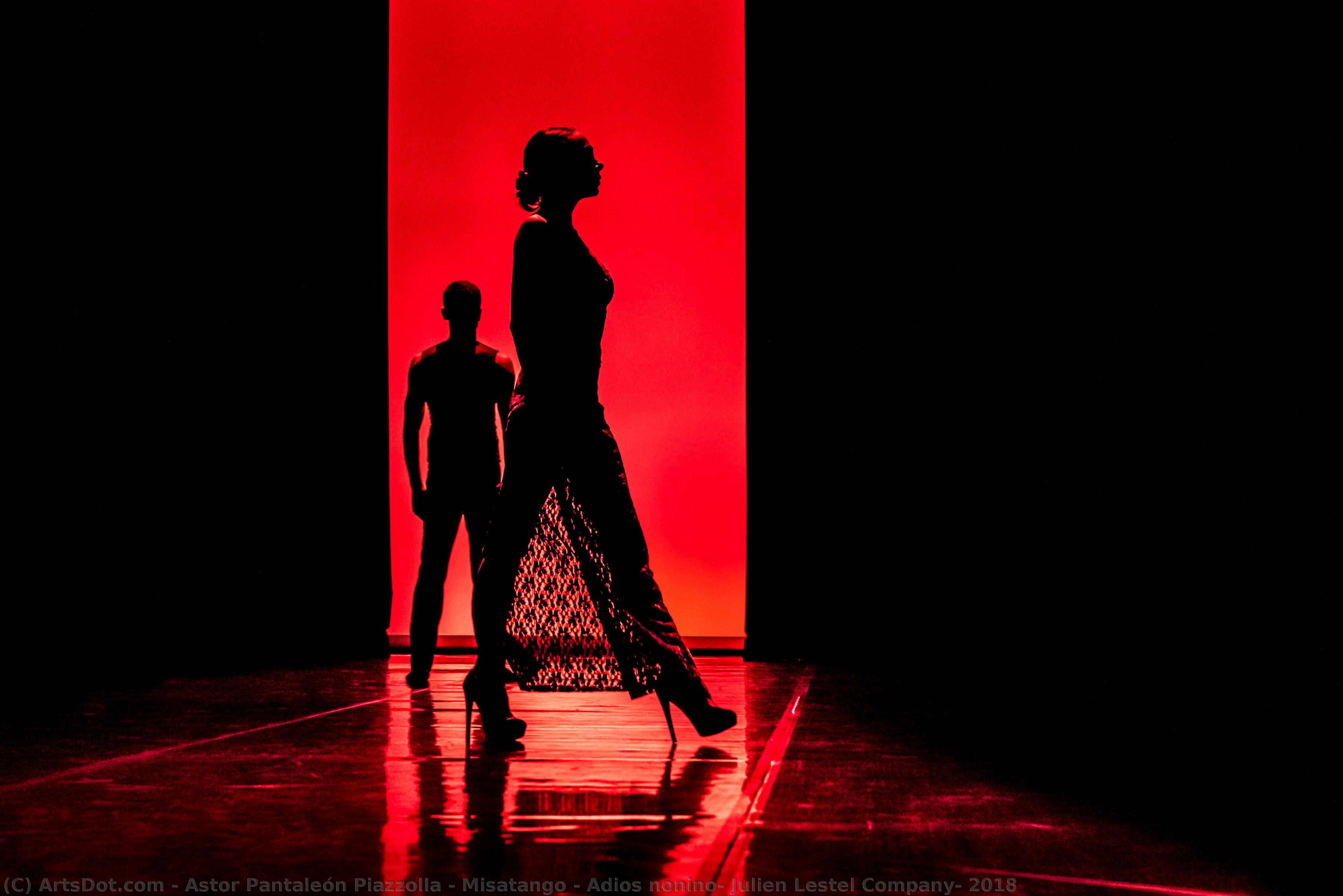
StatsMisatango / Adios nonino, Julien Lestel Company, 2018


 Pročitaj više
Giclee štampa / Umetnički otisak
Giclée štampa ili print na platnu muzejskog kvaliteta uz brzu proizvodnju i fleksibilne opcije završne obrade. ( Kupi ručno naslikanu sliku Switch to Digital Image)




































Izaberite jednu od naših unapred definisanih veličina koje odgovaraju originalnim proporcijama umetničkog dela.

Možete uneti sopstvene dimenzije kako biste umetničko delo prilagodili specifičnom okviru ili prostoru. Ako odabrani format ne odgovara proporcijama originalne slike, mi ćemo ili iscrtati deo dela ili proširiti sliku pomoću ogledane ivice ili jednobojnog popunjavanja. Digitalni prikaz će vam biti poslat na odobrenje pre početka proizvodnje.
Imajte na umu da pregled na ekranu ne odražava stvarno iscrtavanje ili proširivanje. Samo će prikaz (mockup) precizno pokazati finalnu kompoziciju.
Iako su prilagođene dimenzije dostupne, preporučujemo da odaberete dimenziju sa unapred definisane liste kako biste očuvali originalne proporcije.
Dostava širom sveta () za 2 nedelje umesto uobičajenih 4/5 nedelja. (8 септембар)

Besplatna ekspresna dostava širom sveta

Visokokvalitetno laneno platno

Kompletno osiguranje transporta

Garancija povraćaja carine i uvoznih dažbina

Garancija vernosti boja

Politika povraćaja u roku od 100 dana (isključivo u slučaju nedostataka)

Garancija povrata novca od 100%

Popust pri grupnoj kupovini
 Opcija sa staklom dostupna je samo za dimenzije manje od 110 cm

Misatango / Adios nonino, Julien Lestel Company, 2018
Giclee štampa / Umetnički otisak
Dimenzije reprodukcije
-


Konačna cena
$ 62
Srodna umetnička dela










Biografija umetnika
Astor Piazzolla: The Revolutionary Sound of Tango
Astor Pantaleón Piazzolla, born in Mar del Plata, Argentina, on March 11, 1921, and tragically passing away in Buenos Aires on July 4, 1992, remains a towering figure not just within the world of music, but as a pivotal innovator who fundamentally reshaped the very essence of tango. More than simply a composer or bandoneonist, Piazzolla was a sonic architect, meticulously dismantling and rebuilding the traditional form, injecting it with the vibrant energy of jazz and the intellectual depth of classical music – a fusion that birthed what we now recognize as “nuevo tango.” His life story is one of relentless experimentation, profound personal struggle, and ultimately, a triumphant assertion of Argentine identity through its most beloved musical genre.
Piazzolla’s early years were marked by a nomadic existence. Following his parents' relocation to New York City in 1925, he spent his childhood immersed in the vibrant, often turbulent, atmosphere of Greenwich Village. This formative period exposed him to diverse musical styles – from the burgeoning jazz scene to classical music lessons with Béla Wilda, a former student of Rachmaninoff. This early exposure proved crucial; it instilled within him a deep appreciation for harmonic complexity and instrumental virtuosity, elements he would later seamlessly integrate into his tango compositions. The tragic loss of his father, a renowned tango musician, in 1935 fueled his determination to master the bandoneon, an instrument intrinsically linked to the soul of tango.
The Rise of Nuevo Tango
Returning to Buenos Aires in 1938, Piazzolla quickly established himself within the established tango orchestra of Aníbal Troilo. Initially serving as a temporary replacement for Toto Rodríguez, he rapidly ascended to become a key arranger and bandoneonist, contributing significantly to Troilo’s success. However, Piazzolla harbored a vision that extended far beyond the traditional constraints of tango. He felt the genre was stagnating, trapped in repetitive melodies and predictable arrangements. Inspired by figures like Elvino Vardaro, who had pioneered a more introspective and harmonically rich style, Piazzolla began to experiment with incorporating elements from jazz – improvisation, complex harmonies, and syncopation – alongside classical music influences such as Bach and Stravinsky. This daring approach resulted in “nuevo tango,” a revolutionary sound that challenged the established norms of the tango world.
His groundbreaking compositions, including "Libertango," "Adios Nonino," and "Oblivion," became instant classics, pushing the boundaries of what tango could be. These pieces were not merely dances; they were profound musical statements, exploring themes of love, loss, longing, and the complexities of Argentine identity. Piazzolla’s innovative use of the bandoneon – employing techniques previously unheard of in tango – created a sound that was both intensely emotional and technically demanding.
Musical Influences and Techniques
Piazzolla's musical journey was profoundly shaped by a diverse range of influences. Beyond his early exposure to jazz and classical music, he drew inspiration from the works of composers like Bach, Stravinsky, and Debussy. He studied the scores of these masters, meticulously analyzing their harmonic structures and rhythmic patterns. His mastery of the bandoneon was unparalleled; he developed a unique technique characterized by extended techniques – utilizing slides, growls, and harmonics to create an astonishing range of timbral colors. Furthermore, his arrangements were remarkably sophisticated, often incorporating complex countermelodies and intricate rhythms.
Crucially, Piazzolla wasn’t simply layering jazz and classical elements onto tango; he fundamentally reimagined the instrument itself. He treated the bandoneon not just as a melodic voice but as an expressive tool capable of conveying a vast spectrum of emotions. His compositions demanded extraordinary technical skill from performers, pushing them to explore new sonic possibilities.
Legacy and Historical Significance
Despite facing considerable resistance from traditional tango purists who viewed his innovations as sacrilegious, Astor Piazzolla’s “nuevo tango” ultimately prevailed. His music gained international recognition, captivating audiences worldwide and cementing his place as the world's foremost composer of tango. He received numerous awards and accolades, including a UNESCO Prize for Peace Through Music in 1996.
Piazzolla’s legacy extends far beyond the realm of music. He is considered a national hero in Argentina, symbolizing the country’s cultural resilience and its willingness to embrace innovation. His work continues to inspire musicians and audiences alike, ensuring that the sound of “nuevo tango” will resonate for generations to come. His influence can be heard in countless contemporary artists who draw inspiration from his groundbreaking approach to music.
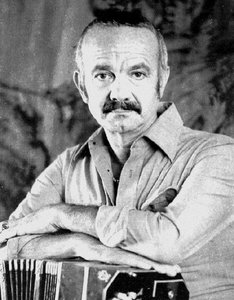
astor pantaleón piazzolla
1921 - 1992 , Argentina
Osnovne informacije
- Artistic Movement Or Style: Nuevo Tango
- Artists Or Movements Influenced By This Artist:
- Jazz Tango Fusion
- Classical Tango
- Artists Who Influenced This Artist:
- Carlos Gardel
- Julio de Caro
- Date Of Birth: March 11, 1921
- Date Of Death: July 4, 1992
- Full Name: Astor Pantaleón Piazzolla
- Nationality: Argentine
- Notable Artworks:
- Misatango
- Adios nonino
- Place Of Birth: Mar del Plata, Argentina