

 Pregledaj u prostoru
 Pošalji
 Podeli
 Detalji o delu

 Преузми
 Slični predmeti
 Rendgenski snimak
 Slajdovi
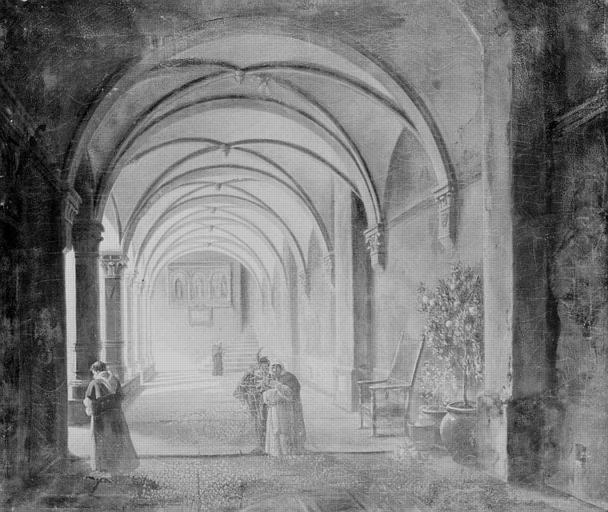
VUE INTERIEURE DU CLOITRE DE SANTA MARIA NOVELLA A FLORENCE


 Pročitaj više
Ručno rađena uljana reprodukcija
Ručno oslikano uljanim bojama na platnu u dimenzijama i okviru po vašem izboru, izrađeno po porudžbini od strane naših umetnika. ( Kupi print Kupi digitalnu sliku)




P118B $10

P118H $10

P118W $10

P438Z $10

P508JH $12

P508YH $12

P805H $10

P805Z $10

P919BZ $10

P919G $10

P919XJ $10

P959ZH $10

P968JZ $12

W106C $8

W218G $10

W218JH $8

W218Y $10

W307PJ $10

W316G $10

W316PJ $8

W316Y $10

W398PJ $8

W4111J $10

W500HY $15

W500JH $15

W692G $12

W849H $8

W940BG $15

W953PJ $8




Izaberite jednu od naših unapred definisanih veličina koje odgovaraju originalnim proporcijama umetničkog dela.

Можете унети сопствене димензије како бисте прилагодили дело одређеном оквиру или простору. Ако одабрана величина не одговара пропорцијама оригинала, слика ће бити исечена или проширена додатним елементима који се ручно насликавају. Дигитални prikaz ће вам бити послат на одобрење пре почетка производње.
Имајте на уму да преглед на екрану не одражава стварно исецање или проширење. Само приказ (mockup) ће тачно приказати коначну композицију.
Иако су доступне прилагођене величине, препоручујемо да одаберете димензију из дефинисане листе како бисте сачували оригиналне пропорције.
Nakon narudžbine, tim ArtsDot.com će klijentu putem e-pošte poslati uputstva i dostaviti prikaz predloženog rešenja
Isporuka širom sveta () za 3/4 nedelje umesto uobičajenih 5 nedelja. (22 август). Bez kompromisa po pitanju kvaliteta.

Besplatna ekspresna dostava širom sveta

Visokokvalitetno laneno platno

Kompletno osiguranje transporta

Garancija povraćaja carine i uvoznih dažbina

Garancija vernosti boja

Politika povrata u roku od 60 dana (samo u slučaju nedostataka)

Garancija povrata novca od 100%

Popust pri grupnoj kupovini
 Opcija sa staklom dostupna je samo za dimenzije manje od 110 cm

VUE INTERIEURE DU CLOITRE DE SANTA MARIA NOVELLA A FLORENCE
Tehnika reprodukcije
Dimenzije reprodukcije
-


Konačna cena
$ 313
Opis umetničkog dela
Auguste de Forbin’s Serene Reflection: An Exploration of Florentine Cloister Light
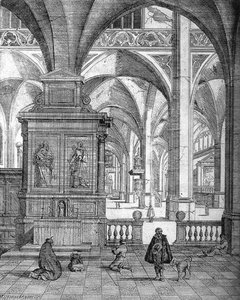
The artwork presented here—a monochrome depiction of the cloister at Santa Maria Novella in Florence—offers more than just a visual record; it embodies the spirit of Romanticism, capturing a moment suspended between observation and emotion. Executed around 1825-1850 during the second quarter of the nineteenth century, this piece exemplifies Forbin’s meticulous approach to topographical drawing, blending scientific accuracy with artistic sensitivity—a hallmark of his oeuvre.- Subject Matter & Context: Santa Maria Novella, a Franciscan church founded in 1246, stands as a testament to Florentine architectural grandeur and spiritual devotion. Forbin’s depiction isn't merely an illustration; it seeks to convey the atmosphere of contemplation fostered within its walls—a space designed for prayer and reflection during a period grappling with societal reform and artistic experimentation.
- Style & Technique: The artwork adheres closely to Romantic principles, prioritizing mood and tonal gradation over precise representation. Forbin employed graphite or charcoal on paper, layering delicate washes of pigment – likely watercolor – to achieve subtle nuances in shading that illuminate the architectural forms with remarkable realism. This technique prioritizes capturing the interplay of light and shadow, mirroring the Romantic fascination with sublime landscapes.
- Composition & Perspective: The composition draws the viewer’s eye inward through repeating arched lines converging towards a distant staircase and altar—a deliberate strategy to emphasize depth and create an illusion of vastness. Linear perspective skillfully renders the cloister's spatial dimensions, mirroring the Romantic preoccupation with capturing the grandeur of nature and architectural spaces.
- Color Palette & Texture: Remarkably devoid of color, the artwork’s grayscale palette underscores its focus on form and texture. The artist meticulously rendered stone surfaces, tiled floors, draped fabrics, and foliage—suggesting a tactile experience akin to encountering the space firsthand. These textural details contribute significantly to the overall impression of serenity.
- Symbolism & Emotional Impact: Beyond its formal qualities, the artwork speaks to themes of spirituality and timelessness. The quiet stillness of the cloister reflects the Romantic yearning for communion with the divine—a sentiment powerfully conveyed through Forbin’s masterful rendering of light and shadow. It invites contemplation and evokes a feeling of profound peace.
Srodna umetnička dela

Biografija umetnika
Auguste de Forbin: A Painter Caught Between Romantic Idealism and Napoleonic Pragmatism
Auguste de Forbin (1777 – 1841) stands as a fascinating figure in French art history, embodying the complexities of his era—a period marked by turbulent political upheaval and burgeoning artistic innovation. Born into a noble family at Château La Roque-d’Anthéron, Provence, he possessed an innate talent for drawing from a young age, nurtured by a formative friendship with François Marius Granet, a relationship that would endure throughout their lives. This early training instilled in him a sensitivity to observation and detail, qualities that would characterize his artistic endeavors. His artistic journey began amidst the fervor of the French Revolution, where he witnessed firsthand the dramatic shifts reshaping French society. The assassination of his father, Marquis de Pont-à-Mousson, during the Lyon insurrection profoundly impacted Forbin’s life, highlighting the dangers inherent in political instability. Remarkably resilient, he escaped unscathed thanks to his youth and continued his artistic pursuits alongside Granet, honing their skills in the tranquil countryside—a deliberate contrast to the tumultuous urban landscape of Paris. David's Studio: The Crucible of Style The Directory offered Forbin a crucial opportunity for artistic advancement – access to Jacques-Louis David’s prestigious studio, a bastion of neoclassical ideals. Here, he collaborated closely with Granet, absorbing the stylistic influences of David and establishing himself firmly within the dominant artistic movement. This association proved invaluable in shaping his aesthetic sensibilities and propelling him toward mastery of technique. From Rome to Napoleon: Artistic Pilgrimage and Imperial Patronage Forbin’s travels to Rome in 1804 solidified his commitment to classical art principles, immersing him in the vibrant intellectual atmosphere of francophile Roman society. He embraced a carefree lifestyle, indulging in leisure pursuits alongside Granet—a period marked by considerable artistic experimentation. Notably, he secured the patronage of Princess Pauline Borghese, Napoleon’s sister, forging a romantic relationship that lasted until 1807 and produced a celebrated villa at Aix-en-Provence. His military service during the Napoleonic Wars – Portugal and Austria – earned him recognition and honors, including the Croix d'honneur. He returned to Italy, producing monumental history paintings that showcased his ambition and artistic prowess. Notable Works & Legacy Forbin’s oeuvre comprises a diverse range of subjects—primarily landscapes and historical scenes—characterized by meticulous realism combined with subtle expressive qualities. “Vue de Jérusalem” exemplifies his masterful depiction of architectural grandeur and atmospheric perspective, while "Vue de Cazzafani" presents a hauntingly beautiful portrayal of ruin—a poignant reflection on the passage of time and decay. His exploration of color palettes and brushwork demonstrates an evolving artistic style that anticipates elements of Impressionism. Auguste de Forbin’s contribution to French art is significant not only for his technical skill but also for representing the intellectual currents of his era, bridging the gap between Romantic idealism and Napoleonic pragmatism—a testament to a painter who navigated the complexities of history with unwavering dedication and artistic vision.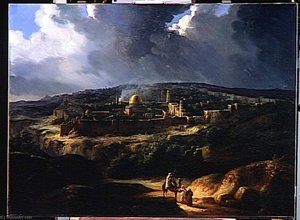
Auguste de Forbin
1777 - 1841
Osnovne informacije
- Artistic Movement Or Style: Romanticism
- Artists Or Movements Influenced By This Artist: ['Neoclassicism']
- Artists Who Influenced This Artist: ['François Marius Granet']
- Date Of Birth: 1777
- Date Of Death: 1841
- Full Name: Auguste de Forbin
- Nationality: French
- Notable Artworks:
- Vue de Jérusalem, prise de la vallée de Josaphat
- Vue de Cazzafani, dans l’île de Chypre
- Vue d’un cloître sur les bords de la Méditerranée, près de Carrère
- Place Of Birth: Laroched'antheron, France
Povezani članci
The Nuances of Graphite: Exploring Emotional Depth & Technical Mastery in Pencil Drawing
Explore the captivating world of graphite drawing! Discover its rich history, master essential techniques like chiaroscuro, and learn how artists evoke emotion through this timeless medium. Expert insights for art enthusiasts.
The Alchemy of Graphite: An Expert Guide to Mastering Detail and Depth in Pencil Sketching
Unlock the secrets of graphite sketching with our expert guide for art students. Learn to master pencil grades, create realistic depth, and capture intricate textures through professional techniques designed to elevate your observational drawing skills.
25 Remek-dela Galerije Uffizi: Putovanje kroz renesansnu lepotu | ArtsDot.com
Istražite 25 remek-dela Galerije Uffizi u Firenci! Otkrijte priče iza slika Leonarda da Vinčija, Mikelanđela i Botticellija. Pronađite inspiraciju za dekoraciju enterijera i kupite reprodukcije vrhunske kvalitete na ArtsDot.com.
Graphite Masters: 10 Iconic Paintings & Timeless Art for Your Home
Explore 10 iconic paintings dominated by graphite tones – from Rembrandt's chiaroscuro to Goya’s drama. Discover art history, techniques & find museum-quality reproductions for your home at . Explore the full collection online.
The Power of One Hue: Mastering Monochrome Art for Sophisticated and Timeless Interiors
Elevate your interiors with the profound elegance of monochrome art. Explore ArtsDot.com’s curated collection of hand-painted oil reproductions and bespoke commissions, designed to bring sophisticated simplicity and timeless texture to every professional design project.

