

 Pregledaj u prostoru
 Pošalji
 Podeli
 Detalji o delu

 Преузми
 Slični predmeti
 Rendgenski snimak
 Slajdovi
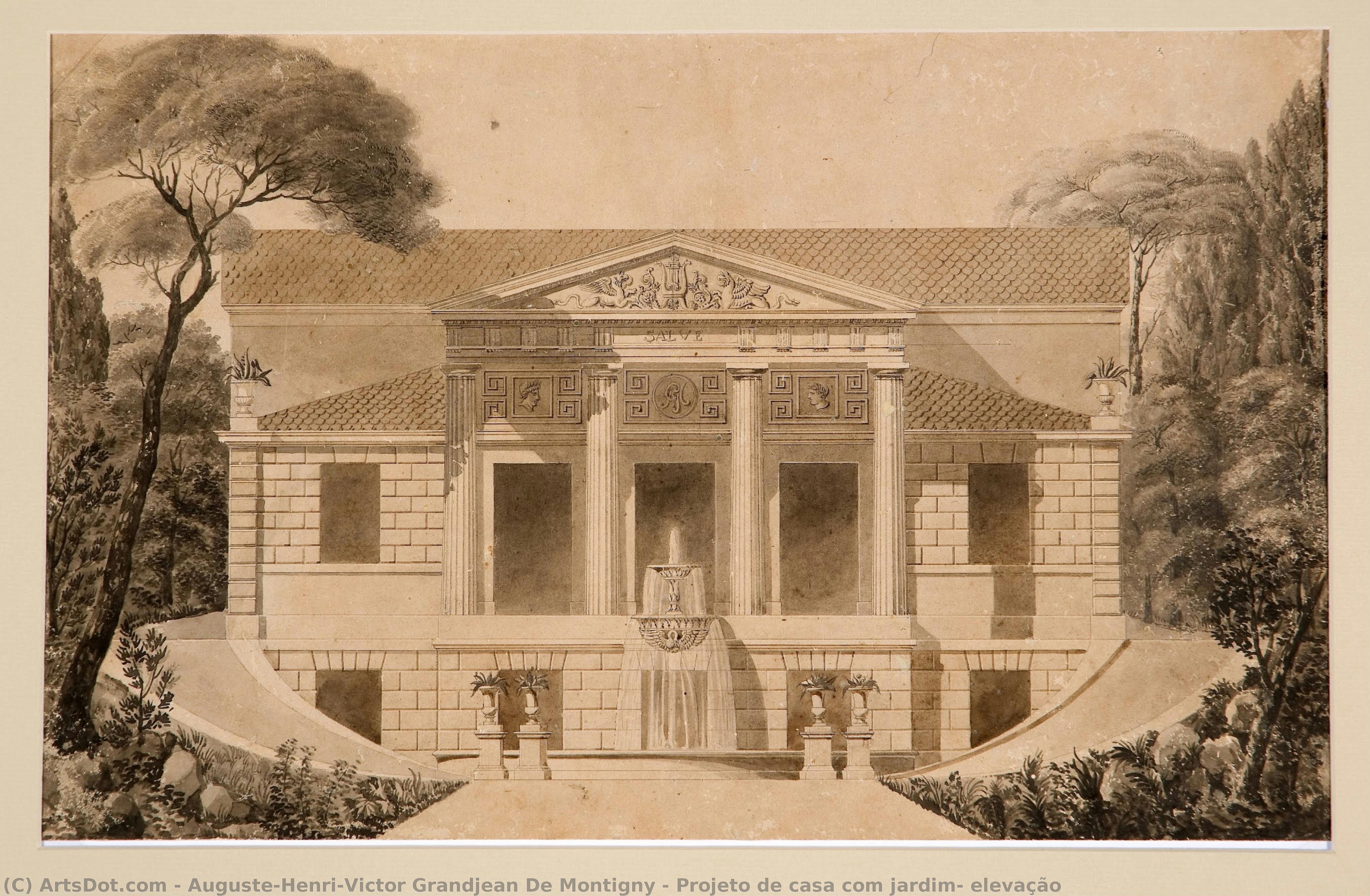
Projeto de casa com jardim: elevação

 Pročitaj više
Ručno rađena uljana reprodukcija
Ručno oslikano uljanim bojama na platnu u dimenzijama i okviru po vašem izboru, izrađeno po porudžbini od strane naših umetnika. ( Kupi print Kupi digitalnu sliku)




































Izaberite jednu od naših unapred definisanih veličina koje odgovaraju originalnim proporcijama umetničkog dela.

Можете унети сопствене димензије како бисте прилагодили дело одређеном оквиру или простору. Ако одабрана величина не одговара пропорцијама оригинала, слика ће бити исечена или проширена додатним елементима који се ручно насликавају. Дигитални prikaz ће вам бити послат на одобрење пре почетка производње.
Имајте на уму да преглед на екрану не одражава стварно исецање или проширење. Само приказ (mockup) ће тачно приказати коначну композицију.
Иако су доступне прилагођене величине, препоручујемо да одаберете димензију из дефинисане листе како бисте сачували оригиналне пропорције.
Nakon narudžbine, tim ArtsDot.com će klijentu putem e-pošte poslati uputstva i dostaviti prikaz predloženog rešenja
Isporuka širom sveta () za 3/4 nedelje umesto uobičajenih 5 nedelja. (27 август). Bez kompromisa po pitanju kvaliteta.

Besplatna ekspresna dostava širom sveta

Visokokvalitetno laneno platno

Kompletno osiguranje transporta

Garancija povraćaja carine i uvoznih dažbina

Garancija vernosti boja

Politika povrata u roku od 60 dana (samo u slučaju nedostataka)

Garancija povrata novca od 100%

Popust pri grupnoj kupovini
 Opcija sa staklom dostupna je samo za dimenzije manje od 110 cm

Projeto de casa com jardim: elevação
Tehnika reprodukcije
Dimenzije reprodukcije
-


Konačna cena
$ 263
Srodna umetnička dela









Biografija umetnika
The Architect of a New World: The Legacy of Grandjean de Montigny
In the grand tapestry of nineteenth-century architectural history, few figures possess a legacy as geographically transformative as Auguste Henri Victor Grandjean de Montigny. Born in Paris in 1776, amidst the intellectual ferment of the Enlightenment, Grandjean was a child of the French classical tradition. His early years were defined by rigorous academic discipline at the prestigious École des Beaux-Arts, where he studied under the masters Charles Percier and Pierre-François-Léonard Fontaine. This lineage of Neoclassicism—a style rooted in the symmetry, order, and grandeur of antiquity—would become the very language through which he would eventually reshape the urban identity of a continent.
His ascent within the European architectural hierarchy was marked by early brilliance, notably winning the Prix de Rome in 1799. This prestigious accolade granted him access to the profound classical heritage of Italy, where he worked on the preparation of the Villa Medici. His talent even caught the eye of royalty; during his tenure in Europe, he served as the architect to Jérôme Bonaparte, King of Westphalia, contributing to the splendor of the Bellevue Palace. Yet, destiny beckoned him far from the established courts of Europe toward the burgeoning landscapes of South America.
A Mission of Artistic Renewal in Brazil
The year 1816 marked a seismic shift in Grandjean’s life and the history of Brazilian architecture. Invited to Brazil by King John VI of Portugal, he arrived as a vital component of the French Artistic Mission. This group of exiled intellectuals and artists sought to elevate the cultural prestige of the Portuguese colony, transforming Rio de Janeiro from a colonial outpost into a sophisticated metropolitan center. Grandjean did not merely arrive as a builder, but as a visionary tasked with introducing a new aesthetic vocabulary to the tropics.
As the primary architect and the sole professor of architecture at the newly established Academy of Fine Arts, his influence was both structural and pedagogical. He breathed life into the concept of urban renewal, moving beyond individual monuments to consider the harmony of the cityscape itself. His work was characterized by an eclectic classical style that sought to marry European monumentalism with the specific needs and context of Brazil. Through his designs, the rigid lines of Neoclassicism provided a sense of permanence and civic order to a rapidly evolving society.
Monuments of Stone and Spirit
The physical manifestations of Grandjean’s genius remain etched into the urban fabric of Brazil, serving as enduring witnesses to his mastery. His most profound contribution was undoubtedly the design for the Academy of Fine Arts in Rio de Janeiro. This structure, embodying the principles of symmetry and classical proportion, became a sanctuary for the arts and a symbol of intellectual progress. Beyond the Academy, his hand can be seen in the creation of the Roman Arch and various urban interventions such as the Praça do Comércio, which sought to organize the chaos of colonial streets into dignified public spaces.
To understand the depth of his impact, one must look at the elements that defined his architectural language:
- Classical Rigor: The use of Corinthian columns and symmetrical facades to evoke the timelessness of Roman temples.
- Urban Vision: A commitment to wide boulevards and harmonious ensembles that prioritized civic pride and movement.
- Cultural Synthesis: The ability to translate European Neoclassical ideals into a format that could flourish within the Brazilian landscape.
Grandjean de Montigny passed away in 1850, but his departure did not signal the end of his influence. He had successfully planted the seeds of a new architectural era. By bridging the gap between the refined traditions of Paris and the ambitious spirit of Brazil, he ensured that the language of Neoclassicism would become a foundational element of Brazilian national identity, leaving behind a legacy of stone, order, and enduring beauty.
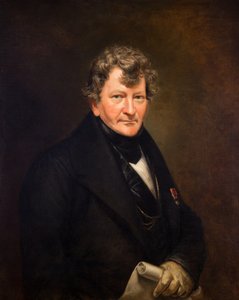
auguste-henri-victor grandjean de montigny
1776 - 1850 , France
Osnovne informacije
- Artistic Movement Or Style: Neoclassical
- Artists Or Movements Influenced By This Artist: ['Classical architecture']
- Artists Who Influenced This Artist: ['Jacques-Nicolas Dubois']
- Date Of Birth: July 15, 1776
- Date Of Death: March 2, 1850
- Full Name: Auguste Henri Victor Grandjean de Montigny
- Nationality: French
- Notable Artworks:
- Academy of Fine Arts
- Urban planning Brazil
- Place Of Birth: Paris, France

