

 Pregledaj u prostoru
 Pošalji
 Podeli
 Detalji o delu

 Преузми
 Slični predmeti
 Rendgenski snimak
 Slajdovi
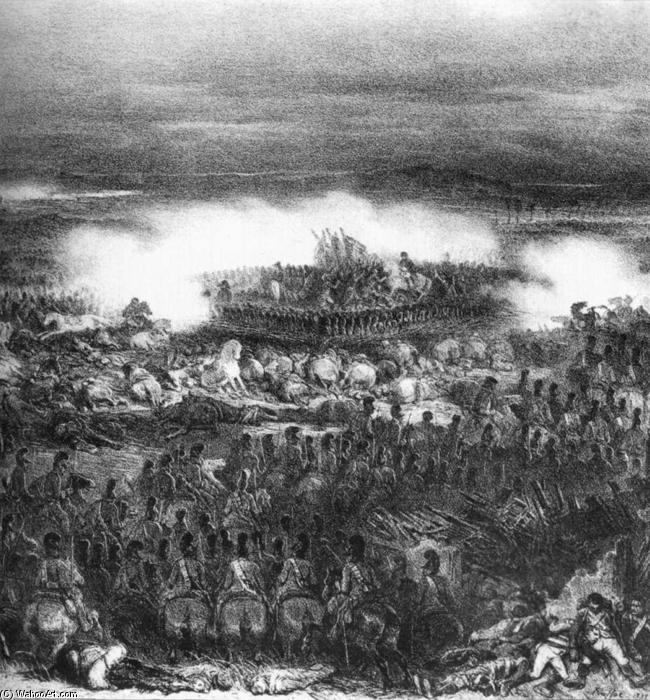
Waterloo, The Retreat of the Holy Battallion, June 18, 1815
 1835
1835 200.0 x 370.0 cm
 Bibliothèque Nationale
 Pročitaj više
Giclee štampa / Umetnički otisak
Giclée štampa ili print na platnu muzejskog kvaliteta uz brzu proizvodnju i fleksibilne opcije završne obrade. ( Kupi ručno naslikanu sliku Kupi digitalnu sliku)




































Izaberite jednu od naših unapred definisanih veličina koje odgovaraju originalnim proporcijama umetničkog dela.

Možete uneti sopstvene dimenzije kako biste umetničko delo prilagodili specifičnom okviru ili prostoru. Ako odabrani format ne odgovara proporcijama originalne slike, mi ćemo ili iscrtati deo dela ili proširiti sliku pomoću ogledane ivice ili jednobojnog popunjavanja. Digitalni prikaz će vam biti poslat na odobrenje pre početka proizvodnje.
Imajte na umu da pregled na ekranu ne odražava stvarno iscrtavanje ili proširivanje. Samo će prikaz (mockup) precizno pokazati finalnu kompoziciju.
Iako su prilagođene dimenzije dostupne, preporučujemo da odaberete dimenziju sa unapred definisane liste kako biste očuvali originalne proporcije.
Dostava širom sveta () za 2 nedelje umesto uobičajenih 4/5 nedelja. (2 септембар)

Besplatna ekspresna dostava širom sveta

Visokokvalitetno laneno platno

Kompletno osiguranje transporta

Garancija povraćaja carine i uvoznih dažbina

Garancija vernosti boja

Politika povrata u roku od 60 dana (samo u slučaju nedostataka)

Garancija povrata novca od 100%

Popust pri grupnoj kupovini
 Opcija sa staklom dostupna je samo za dimenzije manje od 110 cm

Waterloo, The Retreat of the Holy Battallion, June 18, 1815
Giclee štampa / Umetnički otisak
Dimenzije reprodukcije
-


Konačna cena
$ 62
Srodna umetnička dela
Biografija umetnika
The Painter of Battle: The Life and Legacy of Auguste Raffet
In the grand tapestry of 19th-century French Romanticism, few threads are as vibrant or as visceral as those woven by Denis Auguste Marie Raffet. Known to history as the "Painter of Battle," Raffet possessed a singular ability to transform the cold, strategic movements of infantry and cavalry into profound human dramas. Born in Paris in 1804, his early life was far removed from the gilded halls of the Academy; he began his journey apprenticed to a wood turner, a humble beginning that perhaps instilled in him the tactile appreciation for texture and detail that would later define his mastery. His true calling, however, emerged through evening classes where his raw talent met rigorous discipline, eventually leading him into the prestigious workshops of masters like Cabanel and Nicolas Toussaint Charlet.
Raffet’s artistic evolution was a fascinating marriage of scientific precision and romantic fervor. Under the tutelage of Charlet, he embraced the École Polytechnique tradition, a style that demanded anatomical accuracy and compositional balance. Yet, this technical rigor never stifled his emotional depth. He became a master of lithography, a medium that allowed him to capture the rapid, kinetic energy of war. Through his famous designs of the Napoleonic campaigns—ranging from the sands of Egypt to the blood-soaked fields of Waterloo—he achieved a level of fame that transcended mere illustration. His work did not simply document history; it resurrected it, allowing viewers to feel the heavy, expectant atmosphere of a battlefield before the first cannon fire erupted.
Technique and the Mastery of Light
The brilliance of Raffet’s oeuvre lies in his sophisticated command of disegno and olio nuovo. By blending the structural integrity of Italian-style drawing with a modern approach to oil painting, he achieved an astonishing realism that made his subjects appear almost tangible. He was a student of light, painstakingly layering pigments to capture the way a winter frost clings to a hussar’s uniform or how the sun glints off a polished saber. This meticulous attention to detail extended beyond the battlefield; Raffet also found profound beauty in the rugged landscapes of Algeria, where he departed from academic conventions to explore the evocative, sun-drenched terrains of North Africa.
His ability to manipulate shadow and luminosity allowed him to create works that were both atmospheric and psychologically charged. In his more quiet compositions, such as his depictions of cavalry on patrol, one can sense a profound stillness—a moment of silent vigilance where the world seems to hold its breath. This duality, the ability to pivot from the chaotic, thunderous energy of a retreating battalion to the serene, biting chill of a winter landscape, is what elevates Raffet from a mere chronicler of war to a true poet of the canvas.
Historical Significance and Enduring Impact
The historical importance of Auguste Raffet cannot be overstated. He served as a retrospective painter of the Empire, capturing the spirit of an era that was already passing into legend during the reign of Napoleon III. His work provided a visual vocabulary for French national identity, celebrating the heroism and tragedy of the Napoleonic era with an ardent patriotic enthusiasm. Through his lithographs and paintings, he bridged the gap between historical record and artistic myth-making.
Today, Raffet’s legacy survives in the profound emotional resonance of his work. He remains a pivotal figure for anyone studying the intersection of realism and Romanticism. His contributions can be summarized through several key pillars of his career:
- Mastery of Medium: His rise to fame through lithography revolutionized how military history was disseminated to the public.
- The Dual Influence: The seamless integration of scientific precision from the École Polytechnique with the emotional intensity of Romanticism.
- Versatility of Subject: An unparalleled ability to move between the monumental scale of epic battles and the intimate, evocative beauty of Algerian landscapes.
- Historical Documentation: His role as a vital visual chronicler of the Napoleonic era, preserving the textures and tensions of 19th-century warfare for posterity.
As we look upon his canvases, we do not merely see soldiers and horses; we see the pulse of history itself, captured with a hand that understood both the weight of the sword and the lightness of the morning mist.
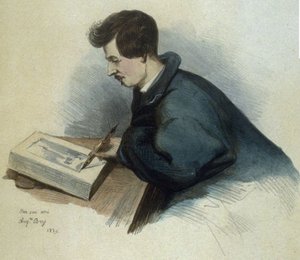
auguste raffet (denis auguste marie raffet)
1804 - 1860 , France
Osnovne informacije
- Artistic Movement Or Style: Napoleonic Art
- Artists Or Movements Influenced By This Artist: ['Romanticism']
- Artists Who Influenced This Artist: ['Nicolas Toussaint Charlet']
- Date Of Birth: Paris, France (1804)
- Full Name: Denis Auguste Marie Raffet
- Nationality: French
- Notable Artworks:
- Napoleon in Egypt
- Waterloo
- Place Of Birth: Paris

