

 Pregledaj u prostoru
 Pošalji
 Podeli
 Detalji o delu

 Преузми
 Slični predmeti
 Rendgenski snimak
 Slajdovi
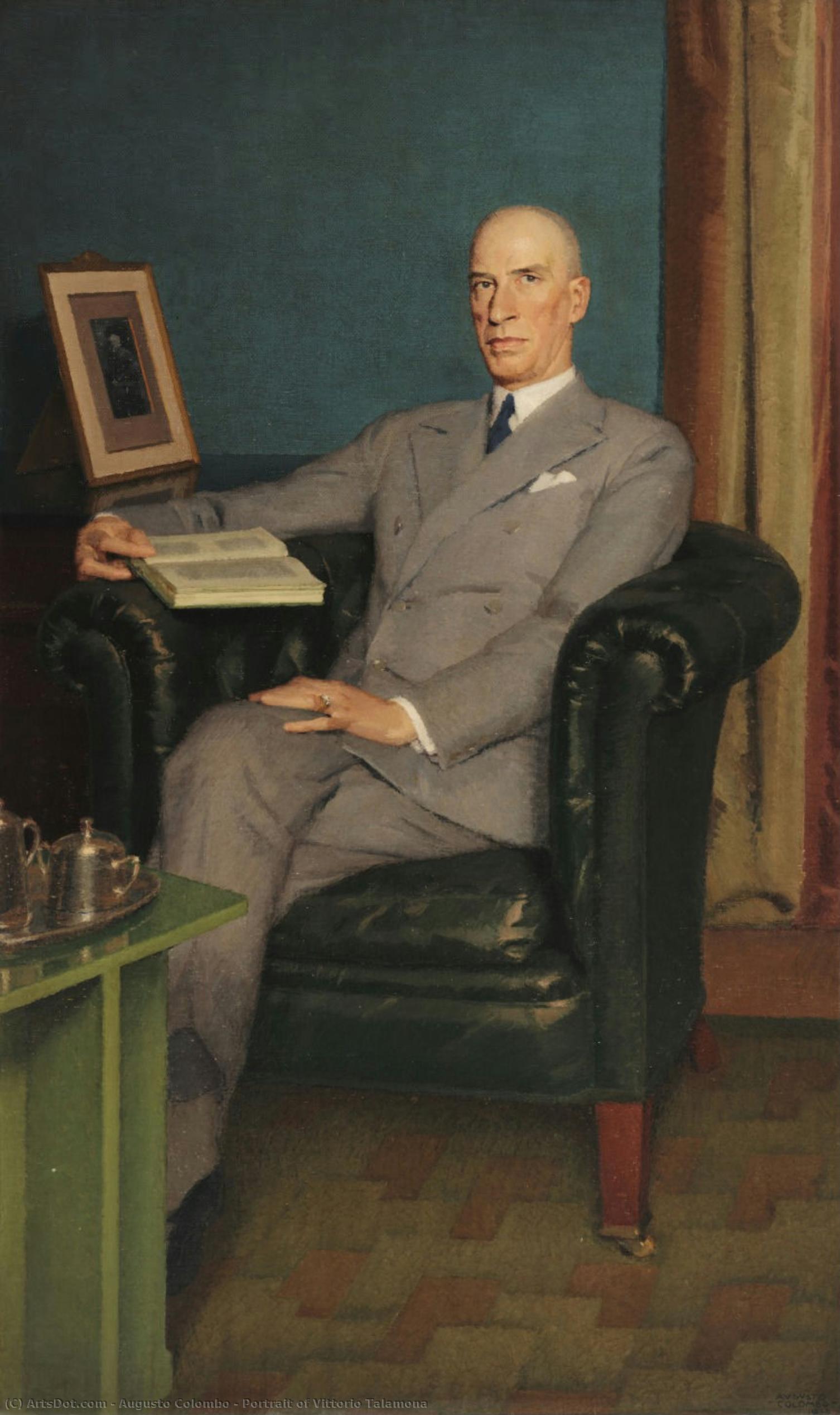
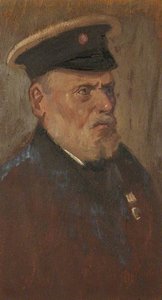
Portrait of Vittorio Talamona


 Pročitaj više
Kupite digitalnu sliku visoke rezolucije i poboljšanog kvaliteta, koja je znatno superiornija od onoga što vidite u online prikazu.
Svaka datoteka je pedantno pripremljena od strane naših stručnjaka koristeći napredne alate i profesionalnu ručnu retušu. Osiguravamo da svaka slika ima izuzetnu oštrinu, preciznu reprodukciju boja i fine detalje.
Konačna datoteka se dostavlja putem e-pošte u roku od 72 sata, optimizovana za neposrednu upotrebu u profesionalnim, izdavačkim i štamparskim okruženjima. To je isti kvalitet kojem veruju vrhunski studiji dizajna, izdavači i galerije.
Digitalna slika
Preuzmite datoteku visoke rezolucije za ličnu upotrebu, štampanje i kreativne projekte. ( Kupi print Kupi ručno naslikanu sliku)
Uključeno uz svaku porudžbinu digitalne slike
Profesionalna digitalna isporuka, zagarantovana
Kada odaberete ArtsDot.com, ne dobijate samo sliku – vi primate profesionalno unapređeno digitalno umetničko delo, izrađeno sa najvećom preciznošću i uz garanciju zadovoljstva. Evo svega što automatski dolazi uz vašu porudžbinu:

Brza dostava putem e-pošte
Vaša digitalna slika visoke rezolucije biće vam poslata putem e-pošte u roku od 72 sata od poručivanja – spremna za trenutnu upotrebu.

Digitalna datoteka unapređena veštačkom inteligencijom
Vaše umetničko delo je profesionalno optimizovano korišćenjem naprednih AI alata i ručne obrade, čime se osiguravaju maksimalni detalji, oštrina i preciznost boja.

Besplatna ponovna isporuka doživotno
Slučajno ste obrisali ili izgubili svoju datoteku? Ne brinite – poslaćemo vam je ponovo u bilo kom trenutku, potpuno besplatno.

Bez troškova uvoza – zauvek
Uživajte u svojim umetničkim delima trenutno, bez carine, dažbina ili troškova dostave – digitalni download je uvek bez poreza.

Garancija vernosti boja
Uz pomoć profesionalnih alata i upravljanja bojama, osiguravamo da vaša digitalna slika što vernije odražava originalne boje.

Garancija zadovoljstva u roku od 60 dana
Ako niste zadovoljni svojom digitalnom slikom, revidirat ćemo je ili vratiti 100% novca u roku od 60 dana – bez ikakvih pitanja.

100% garancija povrata novca
Niste zadovoljni? Obezbedite pun povrat novca u roku od 60 dana od trenutka kada ste primili svoju digitalnu datoteku – bez suvišnih pitanja.

Popusti na velike porudžbine
Kupite 3 slike, uštedite 10% - Kupite 5 slika, uštedite 15% - Kupite 10+ slika, uštedite 20%. Odlično za kreativne projekte, galerije i agencije.
Opis kolekcionarskog dela
Srodna umetnička dela






Biografija umetnika
Albert Bierstadt: The Grand Visionary of the American West
Born in Düsseldorf, Germany, in 1830, Albert Bierstadt’s journey to becoming one of America's most celebrated landscape painters was a testament to his dedication and an embodiment of the Romantic spirit. His early life instilled within him a deep appreciation for detail and atmospheric effects, principles he would later master under the tutelage of Andreas Aschenbach and Karl Friedman Lessing at the Royal Academy in Dusseldorf – a school renowned for its “Dusseldorf School” approach. This training emphasized meticulous observation, dramatic lighting, and heroic compositions designed to evoke powerful emotions within the viewer.
Bierstadt’s emigration to New Bedford, Massachusetts, with his family at age two, marked a shift in his artistic trajectory. However, he returned to Dusseldorf in 1853 to pursue formal training, absorbing the techniques of the esteemed Düsseldorf School. This period proved crucial, exposing him to a rigorous approach to landscape painting that prioritized realism and emotional impact. Crucially, during these years, Bierstadt traveled extensively throughout Europe, sketching and painting alongside fellow American students at the Royal Academy – Sanford Gifford, Emanuel Leutze, and Worthington Whittredge. These experiences broadened his artistic horizons and honed his skills in capturing the nuances of European landscapes.
Bierstadt’s arrival in America in 1857 coincided with a burgeoning interest in the West. He quickly recognized an opportunity to translate the grandeur he had witnessed in Europe onto the vast, untamed landscapes of the Rocky Mountains and Sierra Nevada. His early works, exhibited at the National Academy of Design in New York, were met with considerable acclaim, establishing him as a leading figure in the Hudson River School. However, it was his expeditions into the American West that truly cemented his legacy. In 1860, he joined a military survey expedition to Wyoming, meticulously documenting the region’s flora, fauna, and indigenous populations – a process that involved not only sketching but also utilizing then-newly developed stereo photography, an innovative technique for capturing three-dimensional landscapes.
The Yosemite Valley paintings of the 1860s propelled Bierstadt to unprecedented fame. These monumental canvases, imbued with a romanticized vision of nature’s power and beauty, captivated the public and earned him accolades that included a congressional appropriation of $20,000 for a single canvas and commissions for murals in the U.S. Capitol Building. His success reflected a broader cultural fascination with the West during this period, fueled by westward expansion and the desire to capture its untamed spirit on canvas. Despite initial skepticism, his work quickly gained acceptance, demonstrating the power of art to shape public perception.
Despite achieving immense popularity in the 1860s and 70s, Bierstadt’s style began to feel somewhat dated by the 1880s as the Barbizon school and Impressionism gained prominence. His dramatic Romanticism was increasingly seen as overly sentimental compared to the more subtle approaches of contemporary artists. His attempt to exhibit *The Last of the Buffalo* at the Paris Exposition in 1889 was famously rejected, a clear indication of shifting artistic tastes. Albert Bierstadt died in relative obscurity in New York City in 1902, yet his monumental landscapes continue to inspire awe and admiration for their scale, detail, and evocative portrayal of America’s untamed wilderness.
Carl E. Woolsey: A Taos Pioneer
Born in Danville, Illinois, in 1902, Carl E. Woolsey's artistic journey began with self-taught instruction before receiving brief guidance from Henry Richter in Long Beach, California. Drawn to the burgeoning art scene of Taos, New Mexico, he moved there with his family in 1927, seeking inspiration and a new creative outlet under the mentorship of Walter Ufer, a founding member of the Taos Society of Artists.
Woolsey’s early years in Taos were marked by rapid success. He quickly gained recognition for his landscapes, exhibiting at the Hoosier Salon and the National Academy of Design, attracting critical acclaim and numerous awards. His brother, Wood Woolsey, also established a successful career as an artist in Taos, further solidifying the family’s presence within the vibrant artistic community. Charles Woolsey, their father, played a crucial role by managing their careers and securing exhibitions throughout the Midwest.
Woolsey's style evolved during his time in Taos, retaining elements of the Hudson River School while incorporating influences from Ufer and the broader Southwestern art movement. His paintings are characterized by meticulous detail, skillful use of light and shadow, and a focus on capturing the essence of the landscape. Despite facing economic challenges during the Great Depression, Woolsey continued to paint, eventually returning to East Stroudsburg, Pennsylvania, in 1934 to settle with his family.
In his later years, Woolsey shifted his subject matter to include portraits and genre scenes, demonstrating a versatility that belied his initial focus on landscapes. His work remained rooted in a regionalist tradition, reflecting the beauty and character of the Pennsylvania countryside. Carl E. Woolsey died in East Stroudsburg in 1965, leaving behind a legacy as one of Taos’s most influential early artists.
augusto colombo
1902 - 1969 , Italy
Kratke činjenice
- Artistic Movement Or Style: Hudson River School
- Date Of Birth: January 7, 1830
- Date Of Death: February 18, 1902
- Full Name: Albert Bierstadt
- Nationality: American
- Notable Artworks:
- The Sierra Nevada
- Among the Sierra Nevada”, “Last of the Buffalo” ], "Artists who influenced this artist": [ "Andreas Aschenbach", "Karl Friedman Lessing" ], "Artists or movements influenced by this artist": [ "Düsseldorf School", "Romanticism"
- Place Of Birth: Prussia (Germany)

