

 Pregledaj u prostoru
 Pošalji
 Podeli
 Detalji o delu

 Преузми
 Slični predmeti
 Rendgenski snimak
 Slajdovi
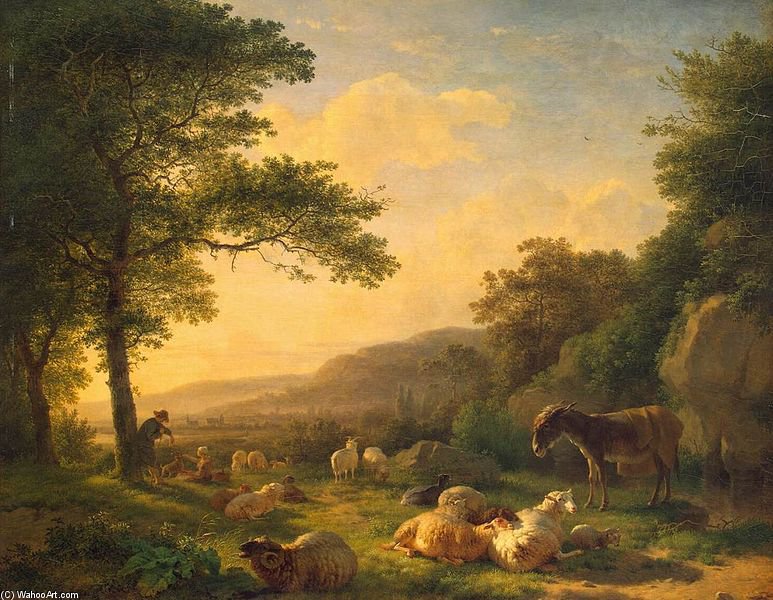
Landscape With A Flock Of Sheep
 Pročitaj više
Giclee štampa / Umetnički otisak
Giclée štampa ili print na platnu muzejskog kvaliteta uz brzu proizvodnju i fleksibilne opcije završne obrade. ( Kupi ručno naslikanu sliku Kupi digitalnu sliku)




































Izaberite jednu od naših unapred definisanih veličina koje odgovaraju originalnim proporcijama umetničkog dela.

Možete uneti sopstvene dimenzije kako biste umetničko delo prilagodili specifičnom okviru ili prostoru. Ako odabrani format ne odgovara proporcijama originalne slike, mi ćemo ili iscrtati deo dela ili proširiti sliku pomoću ogledane ivice ili jednobojnog popunjavanja. Digitalni prikaz će vam biti poslat na odobrenje pre početka proizvodnje.
Imajte na umu da pregled na ekranu ne odražava stvarno iscrtavanje ili proširivanje. Samo će prikaz (mockup) precizno pokazati finalnu kompoziciju.
Iako su prilagođene dimenzije dostupne, preporučujemo da odaberete dimenziju sa unapred definisane liste kako biste očuvali originalne proporcije.
Dostava širom sveta () za 2 nedelje umesto uobičajenih 4/5 nedelja. (23 август)

Besplatna ekspresna dostava širom sveta

Visokokvalitetno laneno platno

Kompletno osiguranje transporta

Garancija povraćaja carine i uvoznih dažbina

Garancija vernosti boja

Politika povrata u roku od 60 dana (samo u slučaju nedostataka)

Garancija povrata novca od 100%

Popust pri grupnoj kupovini
 Opcija sa staklom dostupna je samo za dimenzije manje od 110 cm

Landscape With A Flock Of Sheep
Giclee štampa / Umetnički otisak
Dimenzije reprodukcije
-


Konačna cena
$ 62
Srodna umetnička dela
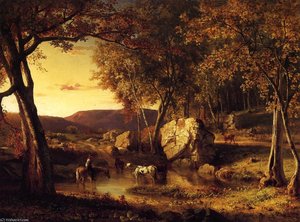
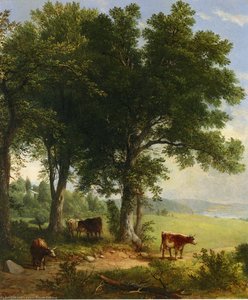
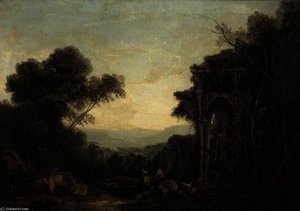
Biografija umetnika
Balthasar Paul Ommeganck: A Revival of Lowlands Landscape
Born in Antwerp, Belgium, in 1755, Balthasar Paul Ommeganck stands as a pivotal figure in the revitalization of landscape painting within the Low Countries during the late 18th and early 19th centuries. His life’s work wasn't merely about depicting scenes; it was an active engagement with artistic tradition, a conscious effort to bridge the gap between Dutch masters and the burgeoning realism of his time. Ommeganck’s legacy rests not just on the beauty of his paintings but also on his role as a teacher and founder of influential art societies – institutions that fostered a community dedicated to elevating the status of landscape art.
Early Life and Artistic Training
Balthasar Paul Ommeganck’s artistic journey began in 1767, when he enrolled as a pupil under the esteemed painter Hendricus Josephus Antonissen at the Antwerp Guild of Saint Luke. This apprenticeship proved crucial, providing him with a foundational understanding of landscape techniques and an appreciation for the meticulous observation of nature – skills that would later define his style. Simultaneously, he attended classes at the Antwerp Academy, where he earned a second prize for drawing after the Antique, demonstrating early promise in capturing form and detail. His friendship with Simon Denis, another student of Antonissen, further shaped his artistic development, exposing him to diverse approaches within landscape painting.
The Founding of the Konstmaatschappij
In 1788, Ommeganck played a key role in establishing the Konstmaatschappij (Art Society), a groundbreaking initiative aimed at promoting and appreciating the work of its members. This society, comprised of artists like Hendrik Frans de Cort, Pieter Faes, and numerous others, provided a vital platform for showcasing their creations outside the confines of the traditional guild system. The first exhibition held in Antwerp in 1789 showcased Ommeganck’s talent, featuring four works that demonstrated his burgeoning skill in capturing the essence of the Lowlands landscape. This society wasn't merely an exhibition space; it was a deliberate attempt to democratize art and foster a collaborative environment for artistic growth.
Style and Technique: A Synthesis of Influences
Ommeganck’s distinctive style emerged from a careful synthesis of influences. He drew inspiration from the Dutch Italianate painters of the 17th century, particularly their masterful use of light and atmospheric perspective. However, he wasn't content to simply imitate these masters; instead, he combined this knowledge with his own meticulous observation of the natural world – the rolling hills, verdant pastures, and meandering waterways of the Ardennes region. His paintings are characterized by a remarkable detail in rendering sheep, cattle, and other animals, reflecting a deep understanding of their anatomy and behavior. He skillfully balanced an idealized vision of nature with a commitment to realism, creating landscapes that were both beautiful and believable.
Legacy and Historical Significance
Balthasar Paul Ommeganck’s impact on Lowlands landscape painting was profound. He wasn't just a painter; he was a catalyst for change, helping to elevate the status of this genre within the artistic community. His work served as an example for subsequent generations of artists, and his techniques were widely copied throughout Europe. His appointment as dean of the Guild of St. Luke in 1789 and later as professor at the Antwerp Academy further solidified his position as a leading figure in Flemish art. Even after his death in 1826, Ommeganck’s influence continued to be felt through the artists he mentored and the institutions he helped establish. He remains a significant figure in the history of landscape painting, remembered for his ability to capture the beauty and tranquility of the Lowlands with remarkable skill and sensitivity.
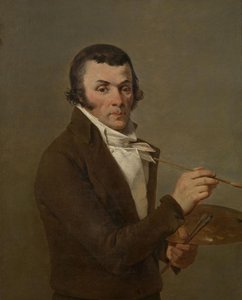
Balthasar Paul Ommeganck
1755 - 1826 , Belgium
Osnovne informacije
- Artistic Movement Or Style: Dutch Italianate light & realism
- Artists Or Movements Influenced By This Artist: ['Simon Denis']
- Artists Who Influenced This Artist: ['Hendricus Josephus Antonissen']
- Date Of Birth: 1755 Antwerp, Belgium
- Date Of Death: 1826 Antwerp, Belgium
- Full Name: Balthasar Paul Ommeganck
- Nationality: Flemish
- Notable Artworks:
- A Cowherd Watering Cattle
- Landscape with Sheep and Hay
- Place Of Birth: Antwerp, Belgium

