

 Pošalji
 Podeli
 Detalji o delu

 Преузми
 Slični predmeti
 Slajdovi
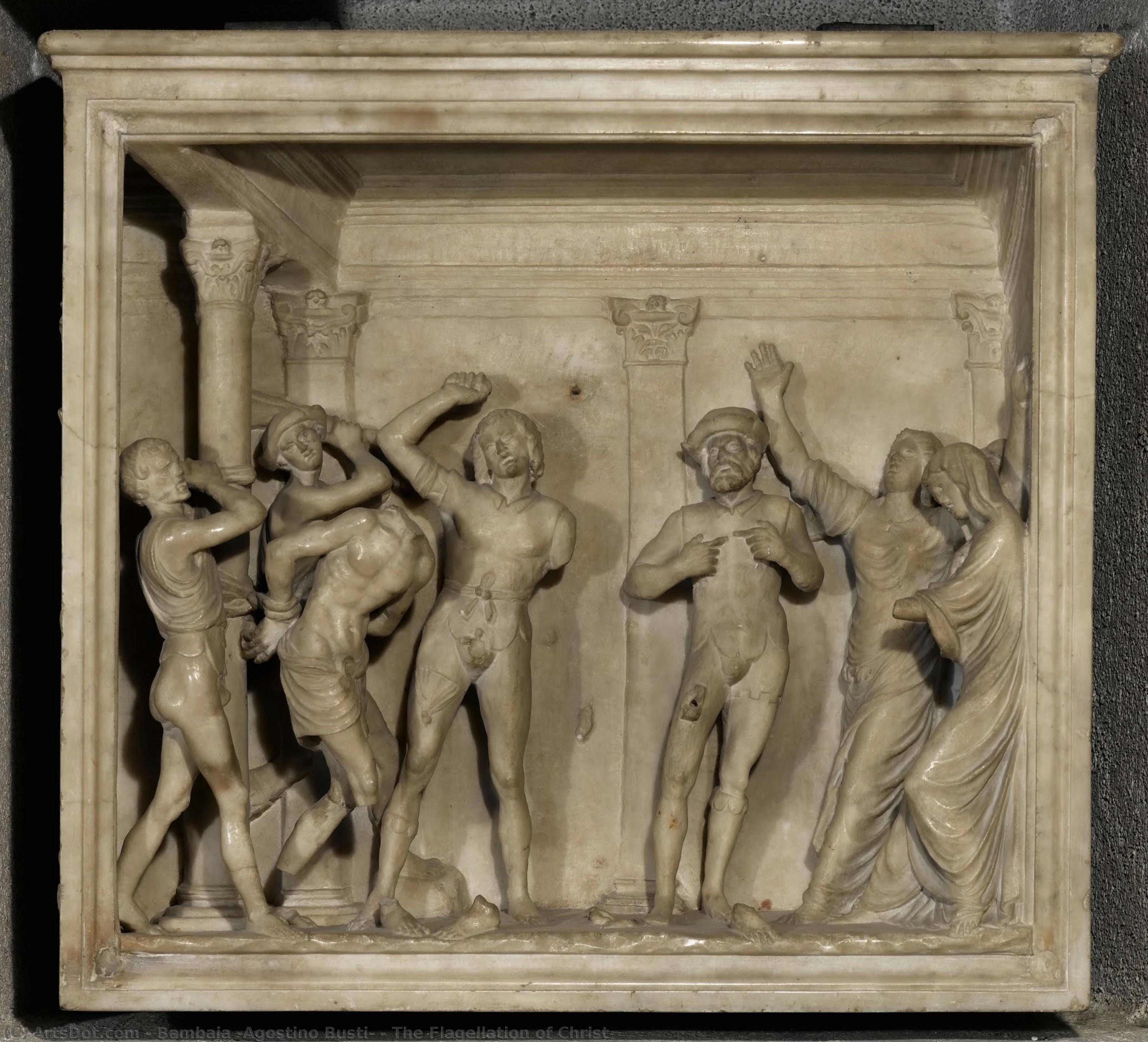
The Flagellation of Christ
 Sculpture
- Sculpture
- Renaissance
 1522
1522- Renaissance
 39.0 x 44.0 cm
 Sforza Castle
 Pročitaj više
Ručno rađena uljana reprodukcija
Ručno oslikano uljanim bojama na platnu u dimenzijama i okviru po vašem izboru, izrađeno po porudžbini od strane naših umetnika. ( Kupi print Kupi digitalnu sliku)




































Izaberite jednu od naših unapred definisanih veličina koje odgovaraju originalnim proporcijama umetničkog dela.

Можете унети сопствене димензије како бисте прилагодили дело одређеном оквиру или простору. Ако одабрана величина не одговара пропорцијама оригинала, слика ће бити исечена или проширена додатним елементима који се ручно насликавају. Дигитални prikaz ће вам бити послат на одобрење пре почетка производње.
Имајте на уму да преглед на екрану не одражава стварно исецање или проширење. Само приказ (mockup) ће тачно приказати коначну композицију.
Иако су доступне прилагођене величине, препоручујемо да одаберете димензију из дефинисане листе како бисте сачували оригиналне пропорције.
Nakon narudžbine, tim ArtsDot.com će klijentu putem e-pošte poslati uputstva i dostaviti prikaz predloženog rešenja
Isporuka širom sveta () za 3/4 nedelje umesto uobičajenih 5 nedelja. (24 август). Bez kompromisa po pitanju kvaliteta.

Besplatna ekspresna dostava širom sveta

Visokokvalitetno laneno platno

Kompletno osiguranje transporta

Garancija povraćaja carine i uvoznih dažbina

Garancija vernosti boja

Politika povrata u roku od 60 dana (samo u slučaju nedostataka)

Garancija povrata novca od 100%

Popust pri grupnoj kupovini
 Opcija sa staklom dostupna je samo za dimenzije manje od 110 cm

The Flagellation of Christ
Tehnika reprodukcije
Dimenzije reprodukcije
-


Konačna cena
$ 263
Opis umetničkog dela
Srodna umetnička dela

Biografija umetnika
Agostino Busti (1483 – 1548): Sculptor of Milanese Splendor
Agostino Busti, often referred to as Bambaia, stands as a pivotal figure in the artistic landscape of Renaissance Lombardy. Born around 1483 in Busto Arsizio, nestled within Northern Italy, he emerged from humble beginnings to become arguably the most celebrated sculptor of his era – a testament to talent nurtured by circumstance and propelled forward by unwavering dedication. While biographical details remain somewhat sparse compared to contemporaries like Michelangelo or Leonardo da Vinci, surviving documentation paints a portrait of an artist deeply rooted in Milanese civic pride and profoundly impacted by humanist ideals circulating throughout Europe.- Early Life & Training: Busti’s formative years were spent honing his craft under the tutelage of Giovanni Battista Falcone, a prominent sculptor whose workshop served as a crucible for artistic innovation. This mentorship instilled in Busti a mastery of marble carving and a sensitivity to classical forms – influences that would permeate his subsequent oeuvre.
- Milanese Patronage & Artistic Flourishing: Busti’s career ascended rapidly thanks to the patronage of influential Milanese families, notably Ludovico Sforza. During Sforza's reign, Busti achieved unparalleled renown for executing monumental sculptures and architectural embellishments that solidified Milan’s reputation as a cultural powerhouse.
Sculptural Achievements: Epitaphs & Monumental Sculpture
Busti’s fame rests primarily on his extraordinary funerary effigies – intricately sculpted portraits commemorating deceased dignitaries and nobility. These works exemplify the humanist preoccupation with capturing the essence of human individuality, skillfully conveying emotion and psychological depth through nuanced anatomical detail and expressive drapery. Perhaps his most enduring legacy resides in the magnificent tomb of Gaston de Foix, Count Palatine of Toulouse—a collaborative effort with Giovanni Battista Falcone—which remains a breathtaking exemplar of Renaissance sculptural technique and artistic ambition. The effigy itself is considered one of the finest representations of human anatomy achieved during the period.Religious Frescoes: A Synthesis of Style
Beyond monumental sculpture, Busti demonstrated considerable versatility as a painter, producing frescoes that showcased his stylistic prowess. His contribution to San Gimignano’s Collegiata exemplifies the Florentine Renaissance's influence on Lombard art—characterized by vibrant color palettes and dynamic compositions infused with classical ideals. The frescoes depict scenes from biblical narratives with remarkable clarity and emotional resonance, reflecting Busti’s commitment to conveying spiritual truths through artistic excellence.Influence & Legacy
Busti's sculptural innovations profoundly impacted subsequent generations of artists in Lombardy and beyond. His meticulous attention to anatomical accuracy and his masterful manipulation of marble—particularly the use of veining and polishing techniques—established new standards for sculptural realism. Furthermore, Busti’s humanist sensibilities resonated with the broader intellectual currents of his time, shaping artistic representations of human experience and elevating sculpture as a medium for conveying profound psychological insight. Although he died in 1548, Agostino Busti's influence continues to inspire artists today—a testament to his enduring contribution to the history of art.
bambaia (agostino busti)
1483 - 1548 , Italy
Osnovne informacije
- Artistic Movement Or Style: Renaissance Painting
- Artists Or Movements Influenced By This Artist: ['Early Renaissance']
- Artists Who Influenced This Artist: ['Leonardo da Vinci']
- Date Of Birth: c. 1483
- Date Of Death: 1548
- Full Name: Agostino Busti
- Nationality: Italian
- Notable Artworks:
- The Flagellation of Christ
- St Catherine of Alexandria
- Effigy of Gaston de Foix
- Place Of Birth: Milan, Italy
Povezani članci
The Enduring Allure of Marble in Art History: From Classical Sculpture to Modern Abstraction
Explore the captivating history of marble sculpture from ancient Greece to modern art. Discover renowned artists like Canova & Michelangelo, carving techniques, and investment insights at ArtsDot.

Bronze Sculptures That Defined Art History | ArtsDot
Journey through art history with our Top 10 bronze sculptures! Explore masterpieces by Rodin, Michelangelo & more. Discover stories behind iconic statues and find museum-quality reproductions for your home decor at ArtsDot.com.

The Enduring Form: Exploring Themes & Techniques in Sculpture Across Historical Periods
Explore the rich history of sculpture from ancient masterpieces to contemporary innovations. Discover key techniques, influential artists & investment potential for discerning art collectors.

The Enduring Form: Sculpture Across History, Technique & Emotional Resonance
Explore the rich history of sculpture with ArtsDot. Discover key techniques, influential artists & investment potential for discerning collectors. Expert insights into valuing and collecting timeless masterpieces.
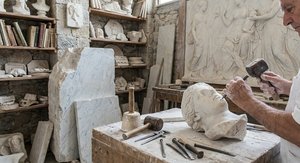
The Enduring Legacy of Marble: A Comprehensive Exploration of Technique, Symbolism & Artistic Expression
Explore the rich history of marble sculpture from antiquity to the Renaissance! Discover key techniques, influential artists & enduring themes in classical art. Expert insights for collectors and enthusiasts at ArtsDot.

