 Pregledaj u prostoru
 Pošalji
 Podeli
 Detalji o delu

 Преузми
 Slični predmeti
 Rendgenski snimak
 Slajdovi
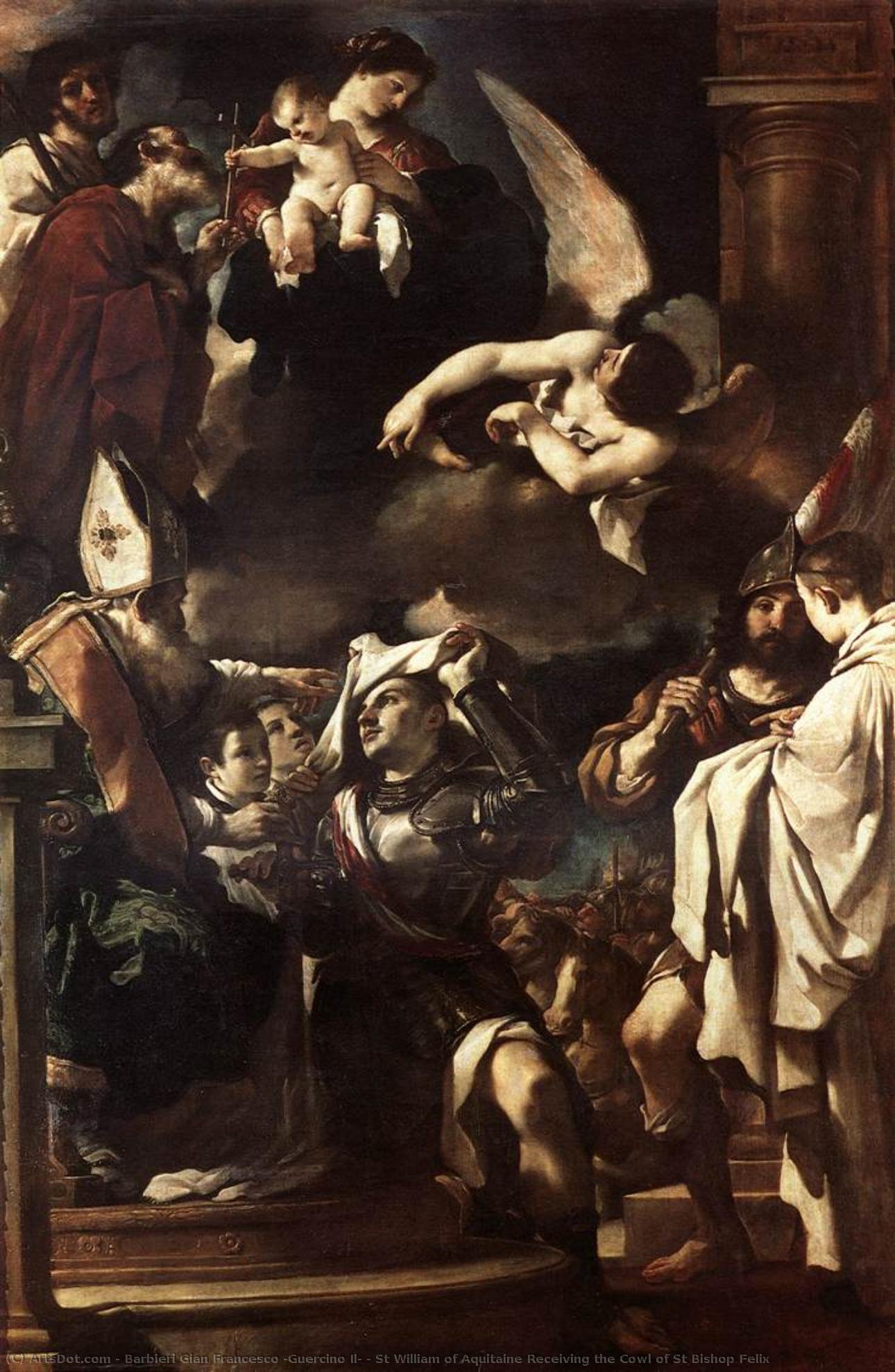
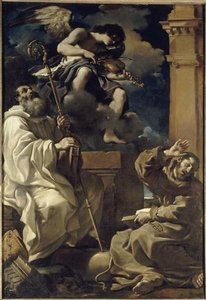
St William of Aquitaine Receiving the Cowl of St Bishop Felix


 Pročitaj više
Ručno rađena uljana reprodukcija
Ručno oslikano uljanim bojama na platnu u dimenzijama i okviru po vašem izboru, izrađeno po porudžbini od strane naših umetnika. ( Kupi print Kupi digitalnu sliku)




































Izaberite jednu od naših unapred definisanih veličina koje odgovaraju originalnim proporcijama umetničkog dela.

Можете унети сопствене димензије како бисте прилагодили дело одређеном оквиру или простору. Ако одабрана величина не одговара пропорцијама оригинала, слика ће бити исечена или проширена додатним елементима који се ручно насликавају. Дигитални prikaz ће вам бити послат на одобрење пре почетка производње.
Имајте на уму да преглед на екрану не одражава стварно исецање или проширење. Само приказ (mockup) ће тачно приказати коначну композицију.
Иако су доступне прилагођене величине, препоручујемо да одаберете димензију из дефинисане листе како бисте сачували оригиналне пропорције.
Nakon narudžbine, tim ArtsDot.com će klijentu putem e-pošte poslati uputstva i dostaviti prikaz predloženog rešenja
Isporuka širom sveta () za 3/4 nedelje umesto uobičajenih 5 nedelja. (5 септембар). Bez kompromisa po pitanju kvaliteta.

Besplatna ekspresna dostava širom sveta

Visokokvalitetno laneno platno

Kompletno osiguranje transporta

Garancija povraćaja carine i uvoznih dažbina

Garancija vernosti boja

Politika povrata u roku od 60 dana (samo u slučaju nedostataka)

Garancija povrata novca od 100%

Popust pri grupnoj kupovini
 Opcija sa staklom dostupna je samo za dimenzije manje od 110 cm

St William of Aquitaine Receiving the Cowl of St Bishop Felix
Tehnika reprodukcije
Dimenzije reprodukcije
-


Konačna cena
$ 263
Srodna umetnička dela

Biografija umetnika
The Master of Light and Shadow: The Life of Guercino
Born Giovanni Francesco Barbieri around 1591 in the serene town of Sassuolo, Italy, the artist who would become known to history as Guercino emerged as one of the most luminous figures of the Bolognese Baroque. His name, a nickname meaning "the squinting one," perhaps alludes to the intense, focused gaze with which he approached his canvas, a gaze that captured the very essence of human emotion and divine light. Growing up in the Emilia-Region, a territory rich with artistic tradition, Barbieri was destined to become a central pillar of the Italian Baroque movement, weaving together the dramatic naturalism of the era with a profound, poetic sensibility.
The foundations of his genius were laid during his early training, where he absorbed the stylistic nuances of the Bolognese school. While much of his formative years remain shrouded in the mists of history, his artistic lineage is clearly traced through his engagement with the works of masters like Alessandro Magnasco. This early exposure introduced him to the transformative power of chiaroscuro—the dramatic interplay between deep, velvety shadows and piercing highlights. As he matured, Guercino did not merely mimic existing styles; he synthesized them, creating a visual language that felt both grounded in reality and elevated by spiritual grace.
A Synthesis of Caravaggesque Drama and Bolognese Grace
The trajectory of Guercino’s career was irrevocably altered by the revolutionary influence of Caravaggio. The sheer psychological depth and uncompromising realism found in Caravaggio's work acted as a catalyst for Barbieri, prompting him to explore the more visceral aspects of the human condition. In his hands, the starkness of Caravaggism was softened by a uniquely Bolognese elegance, resulting in compositions that possessed an uncanny sense of atmosphere. He mastered the ability to use light not just as a tool for visibility, but as a narrative force capable of guiding the viewer's eye through complex biblical and mythological landscapes.
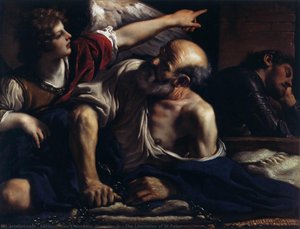
This mastery is perhaps most evident when examining his approach to religious iconography. In works such as The Liberation of St Peter, executed in 1622, one can witness the breathtaking tension between the divine and the earthly. The painting serves as a testament to his ability to capture a moment of miraculous intervention through emotive expression and dramatic lighting. Similarly, his mythological explorations, such as Venus and Cupid, demonstrate a sophisticated command of color and form, where the tenderness of the subjects is balanced by the heavy, atmospheric shadows that define his signature style.
Legacy and Artistic Significance
Guercino’s contribution to the Baroque era extends far beyond the mere depiction of scenes; he redefined the emotional landscape of seventeenth-century painting. His ability to imbue even the most tranquil landscapes with a sense of spiritual contemplation allowed him to bridge the gap between the intense drama of the early Baroque and the more lyrical, classical tendencies that would follow. His influence resonated throughout Europe, inspiring generations of painters to seek the balance between naturalistic truth and idealized beauty.
Throughout his prolific life, which concluded in 1666, Guercino remained a steadfast architect of light. His achievements can be summarized through several key artistic pillars:
- Mastery of Chiaroscuro: The use of extreme light and shadow to create depth, volume, and psychological tension.
- Emotional Naturalism: A commitment to portraying human figures with an honesty that resonates with the viewer's own empathy.
- Atmospheric Landscapes: The creation of settings that feel lived-in and spiritually charged, moving beyond mere backdrops to become active participants in the narrative.
- Stylistic Synthesis: The seamless blending of Caravaggio’s dramatic realism with the refined traditions of the Bolognese school.
Today, the works of Guercino continue to captivate audiences in museums across the globe, standing as enduring monuments to a period of unparalleled artistic innovation. He remains a definitive voice of the Baroque, reminding us that art is at its most powerful when it illuminates both the physical world and the unseen depths of the human soul.
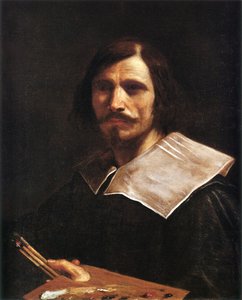
barbieri gian francesco (guercino il)
1591 - 1666
Osnovne informacije
- Artistic Movement Or Style: Baroque painting
- Artists Or Movements Influenced By This Artist: ['Italian Baroque']
- Artists Who Influenced This Artist:
- Caravaggio
- Annibal Rigaudi
- Date Of Birth: 1591
- Date Of Death: 1666
- Full Name: Giovanni Francesco Barbieri
- Nationality: Italian
- Notable Artworks:
- San Cesare Vespasiano Chapel Altarpiece
- The Martyrdom of Saint Cecilia
- Place Of Birth: Borgo San Lorenzo, Tuscany