

 Pregledaj u prostoru
 Pošalji
 Podeli
 Detalji o delu

 Преузми
 Slični predmeti
 Rendgenski snimak
 Slajdovi
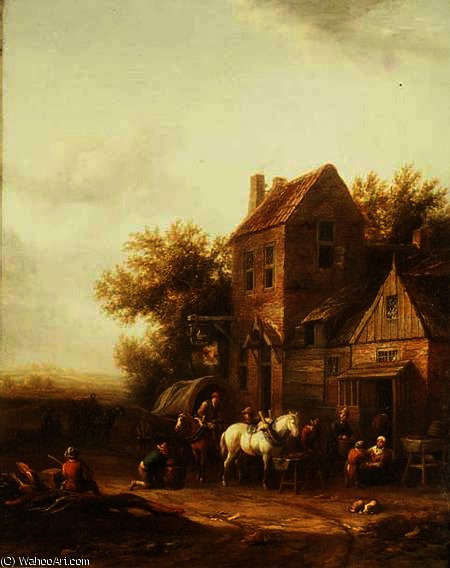
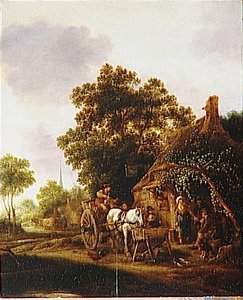
Travellers Watering their Horses Outside an Inn
 Pročitaj više
Giclee štampa / Umetnički otisak
Giclée štampa ili print na platnu muzejskog kvaliteta uz brzu proizvodnju i fleksibilne opcije završne obrade. ( Kupi ručno naslikanu sliku Kupi digitalnu sliku)




































Izaberite jednu od naših unapred definisanih veličina koje odgovaraju originalnim proporcijama umetničkog dela.

Možete uneti sopstvene dimenzije kako biste umetničko delo prilagodili specifičnom okviru ili prostoru. Ako odabrani format ne odgovara proporcijama originalne slike, mi ćemo ili iscrtati deo dela ili proširiti sliku pomoću ogledane ivice ili jednobojnog popunjavanja. Digitalni prikaz će vam biti poslat na odobrenje pre početka proizvodnje.
Imajte na umu da pregled na ekranu ne odražava stvarno iscrtavanje ili proširivanje. Samo će prikaz (mockup) precizno pokazati finalnu kompoziciju.
Iako su prilagođene dimenzije dostupne, preporučujemo da odaberete dimenziju sa unapred definisane liste kako biste očuvali originalne proporcije.
Dostava širom sveta () za 2 nedelje umesto uobičajenih 4/5 nedelja. (30 август)

Besplatna ekspresna dostava širom sveta

Visokokvalitetno laneno platno

Kompletno osiguranje transporta

Garancija povraćaja carine i uvoznih dažbina

Garancija vernosti boja

Politika povrata u roku od 60 dana (samo u slučaju nedostataka)

Garancija povrata novca od 100%

Popust pri grupnoj kupovini
 Opcija sa staklom dostupna je samo za dimenzije manje od 110 cm

Travellers Watering their Horses Outside an Inn
Giclee štampa / Umetnički otisak
Dimenzije reprodukcije
-


Konačna cena
$ 62
Srodna umetnička dela
Biografija umetnika
The Serene Vision of Barend Gael
In the heart of the Dutch Golden Age, a period defined by unparalleled artistic flourishing and a profound appreciation for the tangible world, Barend Gael emerged as a master of quiet observation. Born in Haarlem around 1630, Gael’s life was deeply intertwined with the vibrant cultural pulse of the Netherlands. While the historical record offers only glimpses into his private existence, his canvases provide a window into a soul captivated by the rhythmic simplicity of rural life. His journey took him from the established artistic circles of Haarlem to the bustling streets of Amsterdam between 1661 and 1673, yet throughout these transitions, his artistic essence remained anchored in the tranquil beauty of the countryside.
The legacy of Gael is not found in grand, sweeping historical dramas, but in the delicate interplay of light and shadow upon a shepherd’s path or the soft glow of sunlight hitting a wayside inn. He possessed a rare ability to elevate the mundane into the monumental, transforming everyday scenes of Dutch life into timeless meditations on peace and permanence. To look upon a Gael landscape is to step into a world where time slows down, inviting the viewer to find divinity in the details of the natural landscape.
Artistic Lineage and Technical Mastery
The foundation of Gael’s technique was built upon the rigorous traditions of the Haarlem school. While historical archives are debated regarding his exact apprenticeship, contemporary accounts like those from Houbraken suggest a profound connection to the style of Philips Wouwerman. This influence is evident in his ability to compose complex scenes involving animals and travelers with a sense of structured harmony. He mastered the art of atmospheric perspective, a technique that allowed him to layer subtle tones of color to create an illusion of vast, receding space. Through this method, distant hills and hazy horizons seem to breathe, pulling the spectator deeper into the painted environment.
His brushwork serves as a testament to his dedication to realism and tonal balance. Rather than relying on aggressive or flamboyant strokes, Gael employed a deliberate and understated hand. This restraint allowed him to focus on the nuances of texture—the coarse coat of a horse, the weathered wood of a cottage, or the soft, diffused light of an overcast afternoon. His work often reflects the influence of his Haarlem colleagues, blending a sense of Italianate warmth with the grounded, earthy realism characteristic of the Dutch tradition.
A Legacy of Rural Tranquility
The thematic heart of Gael’s oeuvre lies in the depiction of genre scenes—narratives of daily labor and leisure. His paintings frequently feature:
- Rural Occupations: Captivating portrayages of farriers at work, shepherds tending to their flocks, and the quiet dignity of agricultural life.
- Traveler Narratives: Scenes of weary travelers pausing at rustic inns or horsemen navigating winding country roads, often imbued with a sense of momentary respite.
- Italianate Landscapes: A sophisticated blend of Northern detail with the warmer, more luminous light qualities inspired by Southern European landscapes.
Beyond mere representation, Gael’s work embodies the humanist ideals of his era, celebrating the dignity of the common man and the sanctity of the natural world. Though some critics of his time might have found his repetitive themes somewhat monotonous, it is precisely this consistency that has secured his place in art history. He did not seek to shock or disrupt; instead, he sought to harmonize. Today, Barend Gael remains a vital figure for collectors and historians, offering a profound connection to the quiet, enduring beauty of the seventeenth-century Dutch landscape.
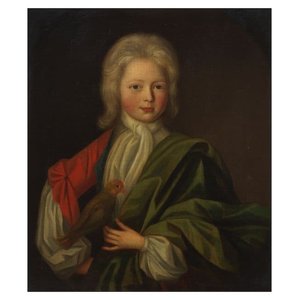
barend gael or gaal
1630 - 1681 , Netherlands
Osnovne informacije
- Artistic Movement Or Style: Golden Age Landscape Painting
- Date Of Birth: 1630
- Full Name: Barend Gael
- Nationality: Dutch
- Notable Artworks:
- Dutch Landscape
- Travellers At Halt By A Cottage
- A farrier's shop
- Place Of Birth: Haarlem, Netherlands

