

 Pregledaj u prostoru
 Pošalji
 Podeli
 Detalji o delu

 Преузми
 Slični predmeti
 Rendgenski snimak
 Slajdovi
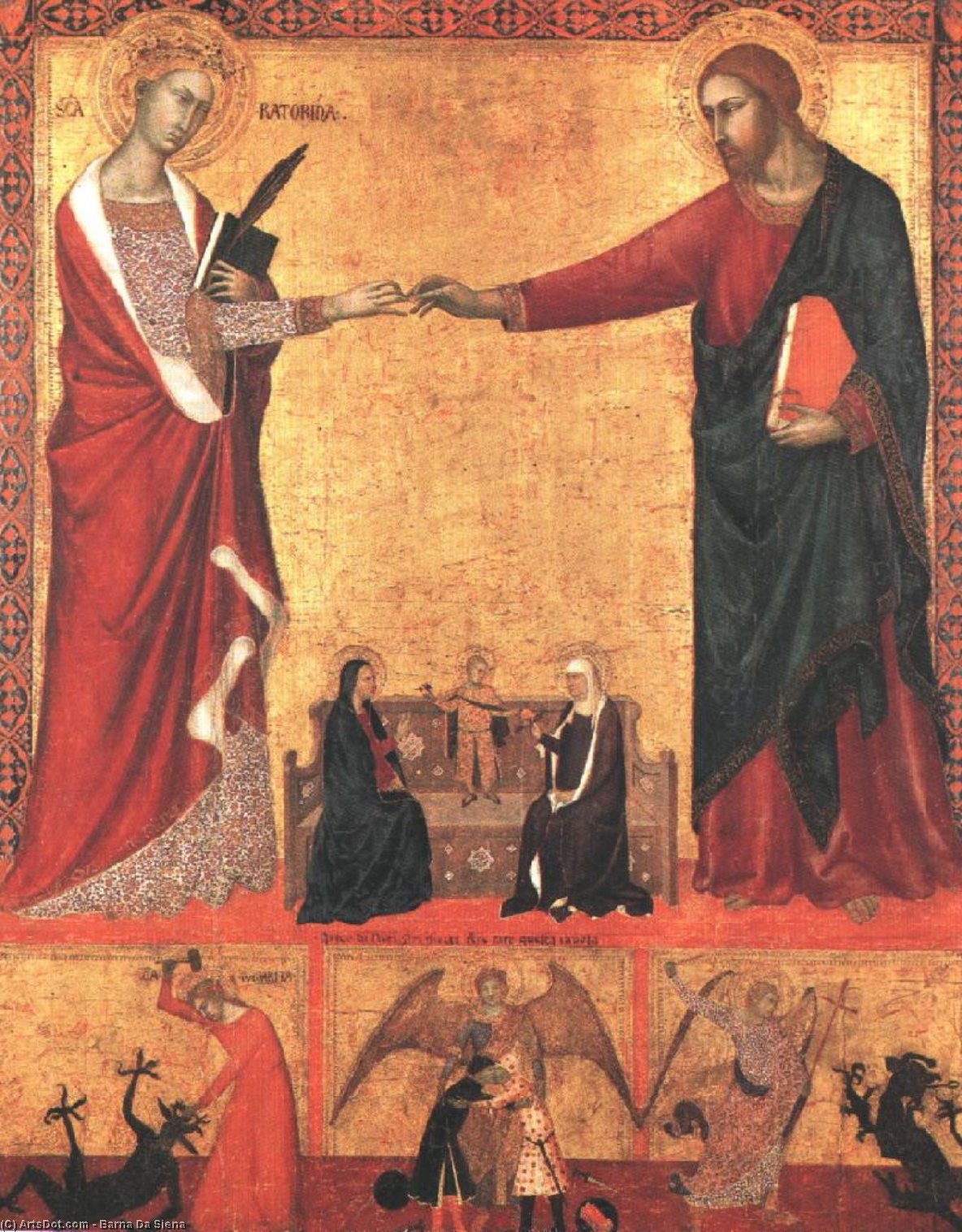
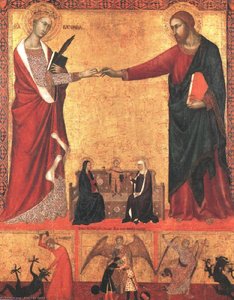
The Mystical Marriage of Saint Catherine


 Pročitaj više
Giclee štampa / Umetnički otisak
Giclée štampa ili print na platnu muzejskog kvaliteta uz brzu proizvodnju i fleksibilne opcije završne obrade. ( Kupi ručno naslikanu sliku Kupi digitalnu sliku)




































Izaberite jednu od naših unapred definisanih veličina koje odgovaraju originalnim proporcijama umetničkog dela.

Možete uneti sopstvene dimenzije kako biste umetničko delo prilagodili specifičnom okviru ili prostoru. Ako odabrani format ne odgovara proporcijama originalne slike, mi ćemo ili iscrtati deo dela ili proširiti sliku pomoću ogledane ivice ili jednobojnog popunjavanja. Digitalni prikaz će vam biti poslat na odobrenje pre početka proizvodnje.
Imajte na umu da pregled na ekranu ne odražava stvarno iscrtavanje ili proširivanje. Samo će prikaz (mockup) precizno pokazati finalnu kompoziciju.
Iako su prilagođene dimenzije dostupne, preporučujemo da odaberete dimenziju sa unapred definisane liste kako biste očuvali originalne proporcije.
Dostava širom sveta () za 2 nedelje umesto uobičajenih 4/5 nedelja. (27 август)

Besplatna ekspresna dostava širom sveta

Visokokvalitetno laneno platno

Kompletno osiguranje transporta

Garancija povraćaja carine i uvoznih dažbina

Garancija vernosti boja

Politika povrata u roku od 60 dana (samo u slučaju nedostataka)

Garancija povrata novca od 100%

Popust pri grupnoj kupovini
 Opcija sa staklom dostupna je samo za dimenzije manje od 110 cm

The Mystical Marriage of Saint Catherine
Giclee štampa / Umetnički otisak
Dimenzije reprodukcije
-


Konačna cena
$ 62
Srodna umetnička dela
Biografija umetnika
The Enigmatic Shadow of Sienese Mastery
To traverse the hallowed halls of the Collegiata di San Gimignano is to encounter a ghost of the Trecento, an artist whose name, Barna da Siena, lingers in the air like incense in a medieval chapel. Known also as Berna di Siena, this figure remains one of the most tantalizing enigmas in the history of Italian art. While the chronicles of Lorenzo Ghiberti and Giorgio Vasari attempt to pin him to a specific timeline and identity, modern scholarship suggests we may not be looking at a single man, but rather a spectral collective—a workshop of masters operating under a singular, legendary mantle. Whether an individual or a shared pseudonym for a group of skilled hands, the legacy attributed to Barna represents a pivotal moment where the delicate grace of the Sienese School met the burgeoning dramatic intensity of Florentine innovation.
The historical traces of Barna begin to emerge in the mid-14th century, a period of profound transition in Tuscan art. Ghiberti’s I Commentarii first whispers of a Sienese painter who graced the landscapes of Tuscany with his biblical narratives. Later, Vasari would expand this portrait, attributing the monumental frescoes of the Old Testament in San Gimignano to this very "Berna." However, the tapestry of Barna's life is woven with contradictions; while Vasari attempted to date certain New Testament scenes to the twilight of the artist's life in 1381, stylistic evidence points toward a much earlier period, likely between 1330 and 1350. This discrepancy has led many contemporary historians to believe that "Barna" might be a historical fiction—a convenient name used to unify the diverse hands of a highly productive workshop.
A Symphony of Fresco and Narrative
The true essence of Barna’s contribution lies not in biographical certainty, but in the breathtaking visual storytelling found within his surviving works. The frescoes in San Gimignano serve as a profound testament to a style that balances emotional depth with meticulous detail. In these sacred walls, one finds a dramatic tension that transcends mere illustration. The figures possess an expressive vitality, characterized by gestures of profound pathos and poses that seem to vibrate with the weight of their divine struggles. This was not merely art for decoration; it was a visceral medium designed to transport the faithful into the heart of biblical history.
The technical brilliance of these works suggests an artist—or group of artists—deeply attuned to the evolving aesthetics of the era. The influence of the great Simone Martini is unmistakable, visible in the refined elegance and the lyrical flow of certain compositions. Yet, there is a burgeoning sense of weight and volume that hints at a dialogue with Florentine masters. This intersection of styles created a unique visual language:
- Narrative Complexity: The ability to weave intricate biblical stories into cohesive, large-scale fresco cycles that guide the viewer through time and scripture.
- Emotional Resonance: A mastery of facial expressions and bodily movement that captures the human element within divine events.
- Stylistic Synthesis: The seamless blending of Sienese decorative grace with a more robust, proto-Renaissance approach to form and space.
Legacy Amidst the Mystery
The historical significance of Barna da Siena extends far beyond the walls of a single Tuscan town. Even if the name represents a workshop rather than a solitary genius, the "Barna" identity became a vessel for a specific movement in 14th-century art—a movement that bridged the gap between the stylized Gothic tradition and the more naturalistic explorations of the early Renaissance. The debate over his authorship only serves to deepen our appreciation for the collaborative nature of medieval art production, where the pursuit of a unified aesthetic vision often superseded the cult of individual personality.
Today, the works attributed to Barna continue to haunt and inspire. They stand as enduring monuments to a period of intense creativity in Tuscany, reminding us that art is often at its most powerful when it exists in the space between the known and the unknown. Through the dramatic shadows of his frescoes and the haunting beauty of his Madonna with Child, Barna da Siena remains an eternal presence in the canon of Italian masters, a name that continues to echo through the corridors of art history, inviting us to rediscover the soul of the Middle Ages.
barna da siena
1330 - 1380
Osnovne informacije
- Artistic Movement Or Style: Gothic Art
- Artists Or Movements Influenced By This Artist: ['Florence']
- Artists Who Influenced This Artist:
- Simone Martini
- Lippo Memmi
- Date Of Death: 1380
- Full Name: Bernardo Bertini
- Nationality: Italian
- Notable Artworks: ['Frescoes in Collegiata di San Gimignano']
- Place Of Birth: Siena

