

 Pregledaj u prostoru
 Pošalji
 Podeli
 Detalji o delu

 Преузми
 Slični predmeti
 Rendgenski snimak
 Slajdovi
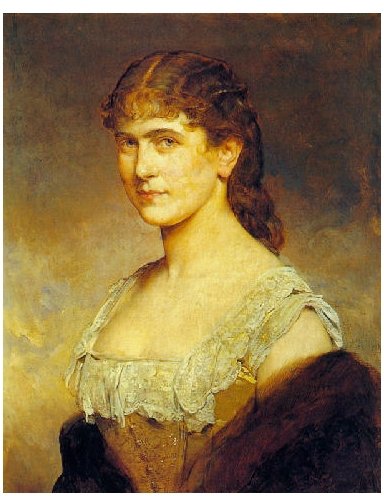
Portrat Katharina Schratt Im Abendkleid

 Pročitaj više
Giclee štampa / Umetnički otisak
Giclée štampa ili print na platnu muzejskog kvaliteta uz brzu proizvodnju i fleksibilne opcije završne obrade. ( Kupi ručno naslikanu sliku Kupi digitalnu sliku)




































Izaberite jednu od naših unapred definisanih veličina koje odgovaraju originalnim proporcijama umetničkog dela.

Možete uneti sopstvene dimenzije kako biste umetničko delo prilagodili specifičnom okviru ili prostoru. Ako odabrani format ne odgovara proporcijama originalne slike, mi ćemo ili iscrtati deo dela ili proširiti sliku pomoću ogledane ivice ili jednobojnog popunjavanja. Digitalni prikaz će vam biti poslat na odobrenje pre početka proizvodnje.
Imajte na umu da pregled na ekranu ne odražava stvarno iscrtavanje ili proširivanje. Samo će prikaz (mockup) precizno pokazati finalnu kompoziciju.
Iako su prilagođene dimenzije dostupne, preporučujemo da odaberete dimenziju sa unapred definisane liste kako biste očuvali originalne proporcije.
Dostava širom sveta () za 2 nedelje umesto uobičajenih 4/5 nedelja. (28 август)

Besplatna ekspresna dostava širom sveta

Visokokvalitetno laneno platno

Kompletno osiguranje transporta

Garancija povraćaja carine i uvoznih dažbina

Garancija vernosti boja

Politika povrata u roku od 60 dana (samo u slučaju nedostataka)

Garancija povrata novca od 100%

Popust pri grupnoj kupovini
 Opcija sa staklom dostupna je samo za dimenzije manje od 110 cm

Portrat Katharina Schratt Im Abendkleid
Giclee štampa / Umetnički otisak
Dimenzije reprodukcije
-


Konačna cena
$ 62
Srodna umetnička dela
Biografija umetnika
The Soul of an Era: The Life and Art of Baron Heinrich von Angeli
In the grand tapestry of nineteenth-century European art, few threads possess the delicate strength and historical resonance of Baron Heinrich Anton von Angeli. Born in 1840 in Ödenburg—a region then part of the Austrian Empire—Angeli emerged from an aristocratic lineage with a profound connection to the cultural heart of Europe. His early years were shaped by the prestigious traditions of Viennese portraiture, yet his spirit was far too expansive to be confined by mere likeness. Under the guidance of masters such as Anton Mayer Johann Nepomuk Richter, he mastered the technical rigors of the craft, but it was his subsequent travels through Düsseldorf and Munich that truly ignited his creative fire. As he moved between the intellectual hubs of Berlin, London, and Vienna, Angeli became more than just a painter; he became a visual chronicler of an age caught between the fading echoes of Romanticism and the rising clarity of Realism.
The brilliance of Angeli’s work lies in his ability to navigate these two seemingly opposing movements. While he drew deep inspiration from the atmospheric, emotive landscapes of Caspar David Friedrich and the dramatic intensity of Eugène Delacroix, he never abandoned the pursuit of truth. His technique was a marvel of patience and precision, characterized by the meticulous layering of thin glazes over a toned ground. This method allowed him to achieve a luminous depth that seemed to breathe within the canvas, capturing the subtle shimmer of pearls, the heavy texture of velvet, and the fleeting play of light upon a frozen pond. Whether he was rendering the quiet solitude of a landscape or the regal weight of a royal garment, his brushwork remained dedicated to an honest, naturalistic portrayal of his subjects.
A Master of Majesty and Memory
Angeli’s reputation as a premier portraitist was cemented by his uncanny ability to capture the dignity of the era's most influential figures. He possessed a rare talent for depicting the intricate details of military uniforms, fine lace, and precious jewels, yet he famously eschewed the overly idealized flattery common among his contemporaries. His 1875 portrait of Queen Victoria remains a cornerstone of his legacy; it was a work so strikingly honest in its portrayal of her somber, widowed state that it earned him the direct praise of the monarch herself. This commitment to psychological truth allowed him to transcend simple portraiture, turning his subjects into enduring icons of historical character.
Beyond the halls of royalty, Angeli’s oeuvre expanded into breathtaking landscapes and significant historical narratives. His landscapes, such as the evocative “Skating Floor” or the tranquil “Die Gartenlaube,” serve as windows into a lost world of Romantic contemplation, where nature is imbued with a sense of the sublime. Simultaneously, his historical paintings acted as a bridge to the past, meticulously researched and rendered with an eye for the monumental. Through his work, the pivotal moments of the Napoleonic Wars and the quiet elegance of the Austrian nobility were preserved with a level of detail that serves both as art and as history. Today, the works of Baron von Angeli continue to captivate, offering a window into a period of profound transformation through a lens of unparalleled grace and technical mastery.
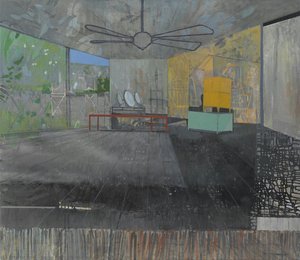
baron heinrich von angeli
1840 - 1925 , Austria
Osnovne informacije
- Artistic Movement Or Style: Romantic Landscape
- Artists Or Movements Influenced By This Artist: ['French Romanticism']
- Artists Who Influenced This Artist:
- Gustav Klimt
- Jean-Auguste Dominique Ingres
- Date Of Birth: 8 July 1840
- Date Of Death: 21 October 1925
- Full Name: Heinrich Anton von Angeli
- Nationality: Austrian
- Notable Artworks:
- Portrait Of Queen Victoria As Widow
- Skating Floor
- Place Of Birth: Vienna, Austria
Povezani članci

The Enduring Legacy of Oil on Canvas: Technique, History & Aesthetic Impact
Explore the rich history & techniques of oil painting – from Renaissance masters to Impressionism. Discover pigments, layering methods, and why this timeless medium endures. Expert insights for artists & art enthusiasts.

Oil on Canvas: A Historical & Technical Exploration of a Timeless Artistic Medium
Explore the rich history & enduring techniques of oil painting on canvas. Discover the science behind its longevity, conservation practices, and contemporary relevance. Expert insights for art enthusiasts.

Trajnu Ostavština Uljanih Boja na Platnu: Tehnika, Istorija i Savremena Praksa
Istražite bogatu istoriju i savremene tehnike uljanog slikarstva. Saveti stručnjaka, analiza radova velikih majstora i vodiči za biranje kvalitetnih materijala. Otkrijte tajne očuvanja umetničkih dela!
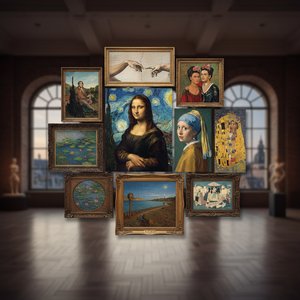
Oil on Canvas Masters: 10 Paintings That Redefined Art History |
Journey through art history with our guide to 10 legendary oil on canvas masterpieces! Explore iconic works by Van Gogh, Monet & Rembrandt. Find museum-quality reproductions and elevate your home decor at . Discover all masterpieces online.

The Enduring Power of Painting: A Historical & Contemporary Exploration of Form and Emotion
Explore the rich history & enduring techniques of oil painting with ArtsDot. Discover masterpieces, learn about art collecting, and find authentic handmade reproductions crafted by skilled artists.

