

 Pregledaj u prostoru
 Pošalji
 Podeli
 Detalji o delu

 Преузми
 Slični predmeti
 Rendgenski snimak
 Slajdovi
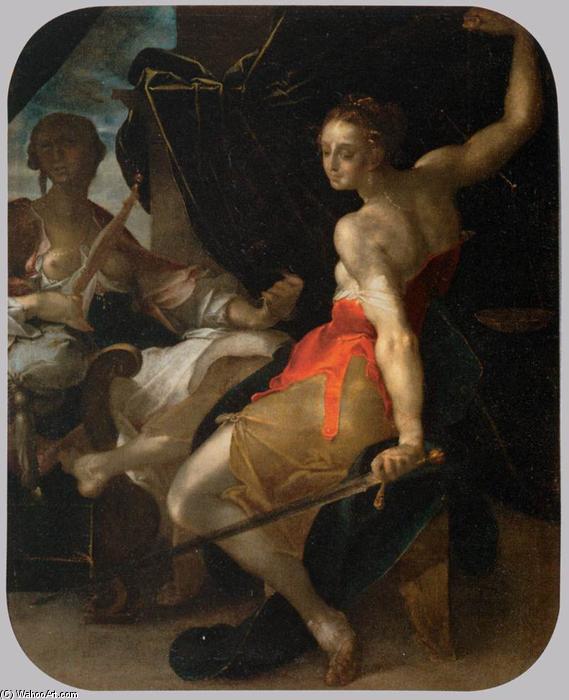
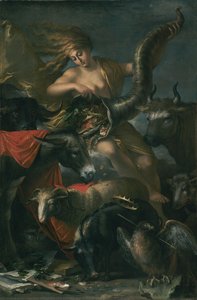
Allegory of Justice and Prudence
 Oil On Canvas
- WallArt
- Baroque
 1599
1599 131.0 x 106.0 cm
 Louvre
 Pročitaj više
Giclee štampa / Umetnički otisak
Giclée štampa ili print na platnu muzejskog kvaliteta uz brzu proizvodnju i fleksibilne opcije završne obrade. ( Kupi ručno naslikanu sliku Kupi digitalnu sliku)




P118B $10

P118H $10

P118W $10

P438Z $10

P508JH $12

P508YH $12

P805H $10

P805Z $10

P919BZ $10

P919G $10

P919XJ $10

P959ZH $10

P968JZ $12

W106C $8

W218G $10

W218JH $8

W218Y $10

W307PJ $10

W316G $10

W316PJ $8

W316Y $10

W398PJ $8

W4111J $10

W500HY $15

W500JH $15

W692G $12

W849H $8

W940BG $15

W953PJ $8




Izaberite jednu od naših unapred definisanih veličina koje odgovaraju originalnim proporcijama umetničkog dela.

Možete uneti sopstvene dimenzije kako biste umetničko delo prilagodili specifičnom okviru ili prostoru. Ako odabrani format ne odgovara proporcijama originalne slike, mi ćemo ili iscrtati deo dela ili proširiti sliku pomoću ogledane ivice ili jednobojnog popunjavanja. Digitalni prikaz će vam biti poslat na odobrenje pre početka proizvodnje.
Imajte na umu da pregled na ekranu ne odražava stvarno iscrtavanje ili proširivanje. Samo će prikaz (mockup) precizno pokazati finalnu kompoziciju.
Iako su prilagođene dimenzije dostupne, preporučujemo da odaberete dimenziju sa unapred definisane liste kako biste očuvali originalne proporcije.
Dostava širom sveta () za 2 nedelje umesto uobičajenih 4/5 nedelja. (21 август)

Besplatna ekspresna dostava širom sveta

Visokokvalitetno laneno platno

Kompletno osiguranje transporta

Garancija povraćaja carine i uvoznih dažbina

Garancija vernosti boja

Politika povrata u roku od 60 dana (samo u slučaju nedostataka)

Garancija povrata novca od 100%

Popust pri grupnoj kupovini
 Opcija sa staklom dostupna je samo za dimenzije manje od 110 cm

Allegory of Justice and Prudence
Giclee štampa / Umetnički otisak
Dimenzije reprodukcije
-


Konačna cena
$ 62
Opis predmeta
Allegory of Justice and Prudence: A Baroque Masterpiece
Bartholomeus Spranger’s “Allegory of Justice and Prudence” (1599) stands as a testament to the grandeur and intellectual fervor of Northern Mannerism, capturing a moment frozen in time with breathtaking detail and dramatic flair. More than just a painting; it's an embodiment of humanist ideals and a profound meditation on virtue and moral responsibility – themes that resonated deeply within the artistic circles of Prague and Vienna during Spranger’s prolific career.Subject Matter & Narrative Complexity
The artwork depicts a woman draped in flowing robes, positioned centrally against a backdrop of architectural elements suggestive of a chamber or room interior. Her posture conveys palpable sorrow, hinting at a narrative rooted in classical mythology – specifically referencing the Roman goddess Ceres, representing agriculture and fertility, alongside Justice (represented by a winged figure holding scales) and Prudence (embodied by a woman carrying a torch). The figures are interwoven with intricate drapery and ornamentation, creating a visual richness that demands careful observation. While the precise story conveyed remains somewhat elusive to modern viewers, its overarching message speaks to universal concerns about moral fortitude and the pursuit of wisdom.Stylistic Characteristics & Artistic Technique
Spranger’s masterful execution aligns perfectly with the Baroque aesthetic – characterized by theatrical lighting, heightened emotion, and a commitment to realism achieved through meticulous observation and painstaking technique. The artist employed oil paint on canvas, utilizing layering and blending techniques that produce textures rich in visual interest. Notice the dramatic chiaroscuro—the interplay of light and shadow—which sculpts the figures’ forms and amplifies their expressive power. Lines are strategically deployed to define contours and guide the viewer's gaze, contributing to a sense of dynamism and movement within the composition. The artist’s attention to detail extends beyond mere representation; he strives to convey an inner psychological state through visual cues—a profound reflection of Baroque art’s ambition to engage both intellect and emotion.Historical Context & Symbolic Resonance
Created during Spranger's tenure as court painter in Prague, “Allegory of Justice and Prudence” reflects the intellectual climate of the Habsburg Court – a period marked by humanist scholarship and an interest in reviving classical ideals. The depiction of Ceres underscores the importance of agriculture and sustenance—values central to Renaissance thought—while Justice symbolizes moral righteousness and impartiality. Prudence embodies wisdom and foresight, representing the virtues necessary for achieving spiritual fulfillment. These symbols transcend their immediate context, speaking to enduring human concerns about ethical conduct and the pursuit of a meaningful life.Emotional Impact & Artistic Legacy
The painting’s impact is undeniable: it evokes feelings of melancholy, contemplation, and reverence for beauty—qualities that continue to captivate audiences centuries later. Spranger's meticulous technique and masterful composition solidify his place as one of the foremost practitioners of Northern Mannerism, influencing subsequent generations of artists. “Allegory of Justice & Prudence” remains a stunning example of Baroque art’s ability to convey complex ideas through evocative imagery—a timeless masterpiece that invites viewers to engage in a dialogue with its profound symbolism and enduring emotional resonance.Srodna umetnička dela
Biografija umetnika
Bartholomeus Spranger: The Court Painter of Eroticism and Majesty
Bartholomäus Spranger (1546-1611), a name that resonates through the halls of Northern Mannerism, was more than just a painter; he was a pivotal figure in shaping artistic sensibilities during his time. Born in Antwerp, the son of a merchant with extensive travels, Spranger’s early life hinted at a future steeped in art and foreign influences. His initial training under Jan Mandijn, Frans Mostaert, and Cornelis van Dalem provided him with a solid foundation in landscape painting – a surprising starting point for an artist who would later become renowned for his intensely sensual depictions of the nude. However, it was his sojourn to Paris in 1565, working within the studio of Marc Duval, that truly ignited his artistic trajectory, exposing him to new techniques and perspectives.Early Influences and Italian Journeys
Spranger’s artistic development wasn't confined to the Netherlands. He diligently copied prints by Frans Floris and Parmigianino, absorbing their elegant lines and sophisticated compositions. Crucially, his travels extended into Italy, where he spent eight months in Milan and three months in Parma, assisting Bernardino Gatti on the ambitious fresco project for the dome of Santa Maria della Steccata. This experience offered invaluable insight into large-scale painting techniques and exposed him to the vibrant artistic scene of Renaissance Italy. His time in Rome proved particularly formative, establishing a connection with Giulio Clovio, a renowned mannerist painter and designer, who became his protégé. It was here that he encountered Karel van Mander, whose *Schilder-boeck* would later provide a detailed account of Spranger’s life and work – a testament to the artist's significance within the artistic community.The Imperial Court of Prague
Spranger’s career truly ascended when he was appointed court painter to Pope Pius V in 1570. However, his most enduring legacy lies in his service to the Holy Roman Emperor Rudolf II, a passionate collector of art and esoteric knowledge. Rudolf's relocation of the imperial court to Prague in 1581 marked a turning point for Spranger. The emperor’s fascination with classical antiquity, mythology, and alchemy profoundly influenced the artist’s work. Spranger responded directly to these preferences, creating a body of paintings dominated by exquisitely rendered nude figures – often seen from behind, conveying an aura of mystery and sensuality. These weren't merely decorative studies; they were carefully constructed allegories reflecting Rudolf II’s philosophical leanings and his desire to project an image of power and sophistication.Style and Technique: Northern Mannerism at its Peak
Spranger’s style is a quintessential example of Northern Mannerism, characterized by elongated figures, complex poses, and a deliberate emphasis on elegance and refinement. His paintings are distinguished by their smooth modeling, meticulous detail, and a subtle use of color. He skillfully blended Netherlandish realism with Italian mannerist influences, particularly the Roman tradition of depicting classical mythology. His drawings, in particular, possess remarkable energy and freedom – a testament to his masterful draftsmanship. Spranger’s work is notable for its dynamism, achieved through carefully orchestrated diagonals and a sense of movement within each composition. The influence of his earlier training in landscape painting can be seen in the atmospheric backgrounds he often employed, adding depth and context to his figures.Legacy and Influence
Bartholomeus Spranger’s impact on European art is considerable. His paintings, particularly those housed in Vienna's Kunsthistorisches Museum, represent a pinnacle of Northern Mannerism. His work served as an inspiration for subsequent generations of artists, including the Dutch Republic, where his style was widely disseminated through prints and by artists who had worked with him. The meticulous detail and sensual appeal of his nudes continue to captivate viewers today, solidifying Spranger’s place as a master of his craft and a significant figure in the history of Western art. His story is one of artistic evolution, shaped by diverse influences and ultimately defined by his unique vision—a vision that seamlessly blended eroticism, allegory, and imperial grandeur.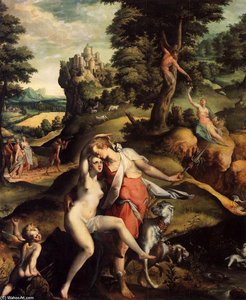
bartholomeus spranger
1546 - 1611
Osnovne informacije
- Artistic Movement Or Style: Northern Mannerism
- Artists Or Movements Influenced By This Artist: ['Karel van Mander']
- Artists Who Influenced This Artist:
- Cornelis van Dalem
- Frans Mostaert
- Date Of Birth: March 21, 1546
- Date Of Death: June 27, 1611
- Full Name: Bartholomeus Spranger
- Nationality: Flemish
- Notable Artworks:
- Hermes and Athena
- Allegorie de la Justice
- Place Of Birth: Antwerp, Belgium
Povezani članci
Baroque Classicism: Reconciling Drama & Order in 17th-Century Art
Explore the captivating world of Baroque Classicism! Discover its history, key artists like Caravaggio & Rubens, and defining characteristics. Expert insights & high-quality reproductions at ArtsDot.

Барокна драма: Уношење величине и емоција у савремене ентеријере
Откријте барокну драму и унесите величину у ваш ентеријер! ArtsDot нуди ручно насликане репродукције, персонализоване портрете и стручне консултације за љубитеље класичне уметности. Потражите савршено дело већ данас!
Decoding Baroque Grandeur: A Guide to the Drama and Emotion of 17th-Century Art
Explore the breathtaking drama of 17th-century Baroque art. Our expert guide decodes the use of chiaroscuro, emotional intensity, and historical grandeur to help you appreciate and curate timeless masterpieces for your collection.

Barok Majstor dela: Top 10 Umjetničkih Remeka za Vaš Dom
Otkrijte 10 remek dela koja su definisala baroknu umetnost! Karavagio, Bernini i više – istražite priče iza ovih ikoničnih slika. Inspiracija za vaš dom? Pogledajte kolekciju na ArtsDot.com!

The Dramatic Flourish: Exploring the Baroque Movement's Enduring Legacy in Art History
Explore the dramatic world of Baroque art! Discover iconic artists like Caravaggio & Rubens, defining techniques, and its lasting impact on art history. Expert insights for collectors & enthusiasts at ArtsDot.

