

 Pregledaj u prostoru
 Pošalji
 Podeli
 Detalji o delu

 Преузми
 Slični predmeti
 Rendgenski snimak
 Slajdovi
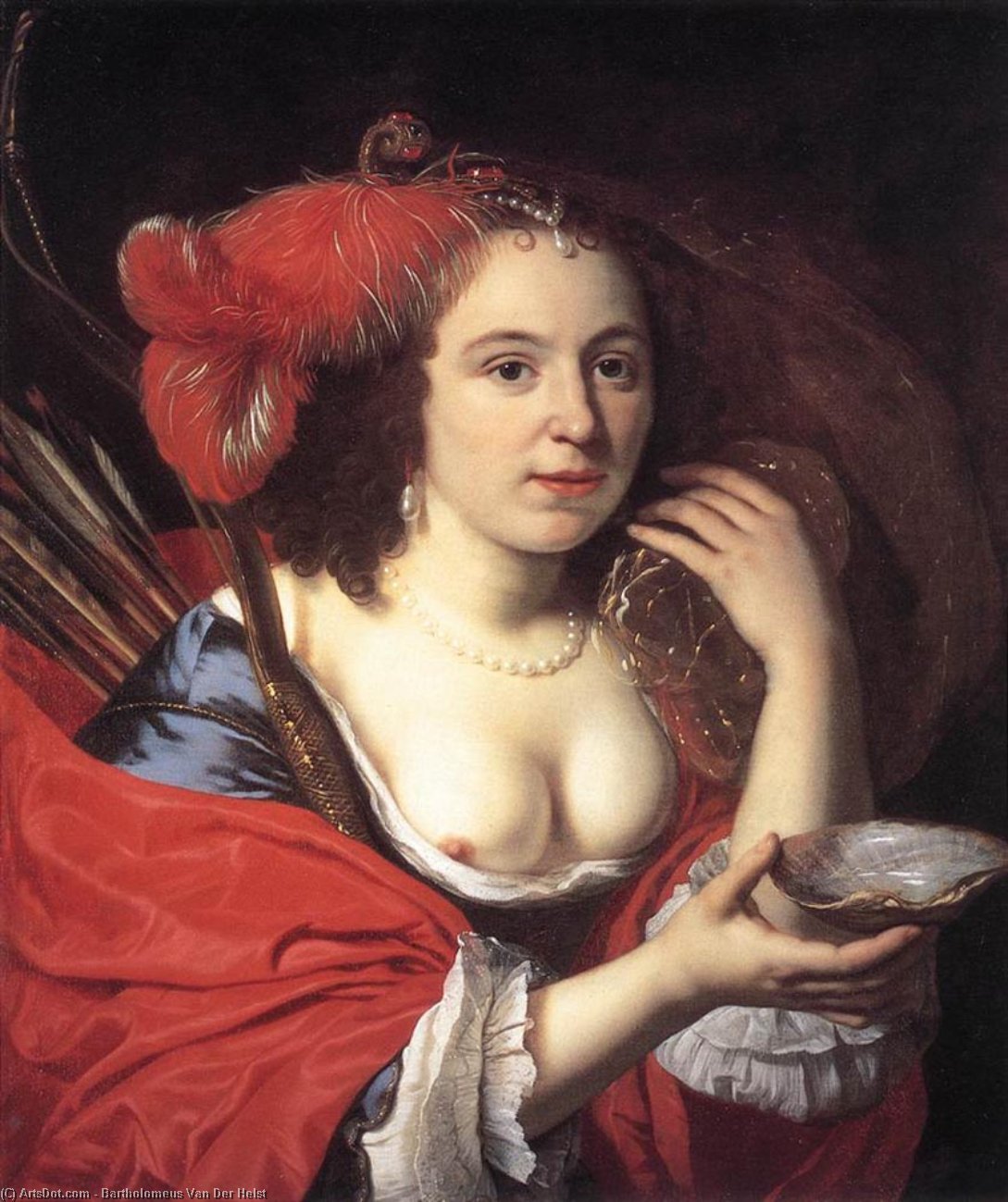
Anna du Pire as Granida
 Acrylic On Canvas
- WallArt
- Baroque Dutch Painting
 1660
1660 70.0 x 58.0 cm
 Národní Galerie
 Pročitaj više
Ručno rađena uljana reprodukcija
Ručno oslikano uljanim bojama na platnu u dimenzijama i okviru po vašem izboru, izrađeno po porudžbini od strane naših umetnika. ( Kupi print Kupi digitalnu sliku)




P118B $10

P118H $10

P118W $10

P438Z $10

P508JH $12

P508YH $12

P805H $10

P805Z $10

P919BZ $10

P919G $10

P919XJ $10

P959ZH $10

P968JZ $12

W106C $8

W218G $10

W218JH $8

W218Y $10

W307PJ $10

W316G $10

W316PJ $8

W316Y $10

W398PJ $8

W4111J $10

W500HY $15

W500JH $15

W692G $12

W849H $8

W940BG $15

W953PJ $8




Izaberite jednu od naših unapred definisanih veličina koje odgovaraju originalnim proporcijama umetničkog dela.

Можете унети сопствене димензије како бисте прилагодили дело одређеном оквиру или простору. Ако одабрана величина не одговара пропорцијама оригинала, слика ће бити исечена или проширена додатним елементима који се ручно насликавају. Дигитални prikaz ће вам бити послат на одобрење пре почетка производње.
Имајте на уму да преглед на екрану не одражава стварно исецање или проширење. Само приказ (mockup) ће тачно приказати коначну композицију.
Иако су доступне прилагођене величине, препоручујемо да одаберете димензију из дефинисане листе како бисте сачували оригиналне пропорције.
Nakon narudžbine, tim ArtsDot.com će klijentu putem e-pošte poslati uputstva i dostaviti prikaz predloženog rešenja
Isporuka širom sveta () za 3/4 nedelje umesto uobičajenih 5 nedelja. (25 август). Bez kompromisa po pitanju kvaliteta.

Besplatna ekspresna dostava širom sveta

Visokokvalitetno laneno platno

Kompletno osiguranje transporta

Garancija povraćaja carine i uvoznih dažbina

Garancija vernosti boja

Politika povrata u roku od 60 dana (samo u slučaju nedostataka)

Garancija povrata novca od 100%

Popust pri grupnoj kupovini
 Opcija sa staklom dostupna je samo za dimenzije manje od 110 cm

Anna du Pire as Granida
Tehnika reprodukcije
Dimenzije reprodukcije
-


Konačna cena
$ 263
Opis umetničkog dela
Anna du Pire as Granida: A Dutch Golden Age Portrait of Intrigue and Grace
Bartholomeus van der Helst’s “Anna du Pire as Granida,” painted in 1660, is more than just a portrait; it's a captivating tableau vivant—a frozen moment brimming with narrative potential. This exquisite oil on canvas, measuring 70 x 58 cm and currently residing within the collection of the Rijksmuseum in Amsterdam, offers a rare glimpse into the opulent world of 17th-century Dutch society and the artist’s masterful command of light, composition, and psychological depth. The painting immediately draws the eye to its subject: Anna du Pire, a young woman radiating an almost ethereal beauty amidst a carefully constructed scene that speaks volumes about her status and the artistic conventions of the time.
Van der Helst, a leading figure of Amsterdam’s Golden Age, was renowned for his dramatic group portraits – *schuttersstukken* – commissioned by civic guilds and wealthy patrons. These works weren't merely depictions of individuals; they were elaborate narratives designed to showcase the sitter’s virtues, social standing, and often, their connection to significant historical events or mythological tales. “Anna du Pire as Granida” adheres to this tradition, seamlessly blending portraiture with elements of pastoral romance. The painting’s genesis lies in Pieter Cornelisz Hooft's celebrated play, *Granida*, a tale of a lost princess who is rescued by a shepherd – a story that provided the perfect framework for Van der Helst’s artistic vision.
The Symbolism of Costume and Gesture
Anna du Pire is presented as Granida, the titular heroine, dressed in a lavish costume that simultaneously celebrates her aristocratic status and alludes to the play's narrative. She wears a flowing red gown adorned with intricate embroidery and embellished with pearls – symbols of wealth and refinement. Her posture, poised yet relaxed, suggests both grace and confidence. Crucially, she holds a bow and arrows, not as a hunter, but as emblems of her rescue by the shepherd, Daiphilus, who is depicted as a young man in the painting’s background, rendered with meticulous detail and presented as her husband. This deliberate pairing underscores the central theme of the play: a noblewoman rescued from adversity by a humble hero – a potent metaphor for social mobility and romantic love.
The inclusion of an umbrella and arrows further reinforces this narrative. These elements are direct references to *Granida*, adding layers of symbolic meaning to the composition. The overall effect is one of carefully orchestrated visual storytelling, inviting the viewer to engage with the painting’s hidden depths and appreciate Van der Helst's skill in weaving together portraiture, allegory, and historical allusion.
Technique and Artistic Style
Van der Helst’s technical prowess is immediately evident in “Anna du Pire as Granida.” The artist employs a dramatic chiaroscuro – the skillful manipulation of light and shadow – to create a sense of depth and volume. Light dramatically illuminates Anna's face and upper body, drawing attention to her beauty while casting the background into relative darkness. This technique not only enhances the painting’s visual impact but also contributes to its overall mood of theatricality and drama.
The artist’s brushwork is remarkably precise and controlled, particularly in rendering the textures of the fabrics – the shimmering silk, the delicate pearls, and the smooth surface of Anna's skin. Van der Helst was a master of capturing the nuances of human expression, evident in Anna’s direct gaze towards the viewer—a rare intimacy within this genre. The composition is carefully balanced, with the figures arranged in a dynamic yet harmonious manner that guides the eye through the scene and reinforces its narrative power.
A Window into Dutch Society
“Anna du Pire as Granida” offers a valuable insight into the social and cultural landscape of 17th-century Amsterdam. The *schuttersstukken* commissioned by civic guilds were not merely decorative artworks; they served as powerful tools for promoting civic pride, celebrating military achievements, and reinforcing social hierarchies. Van der Helst’s portrait reflects this broader context, showcasing Anna du Pire as a symbol of wealth, virtue, and aristocratic lineage – qualities highly valued within the Dutch Golden Age.
The painting's enduring appeal lies in its ability to transcend its historical context and speak to universal themes of love, rescue, and social aspiration. It remains a testament to Van der Helst’s artistic genius and a captivating example of Dutch Golden Age portraiture—a timeless masterpiece that continues to fascinate and inspire art lovers today.
Srodna umetnička dela
Biografija umetnika
Мајстор Амстердамског Златног Доба: Живот и Уметност Бартоломеуса ван дер Хелста
Рођен у Харлему 1613. године, Бартоломеус ван дер Хелст се брзо уздигао до угледа портретисте током Холандског Златног Доба. Иако су рани детаљи његовог живота обвитјени тајном – записи о рођењима из тог периода у Харлему су нажалост изгубљени – знамо да се преселио у Амстердам, просперитетан центар трговине и уметничке иновације, где је стекао репутацију већ 1636. године. Његов брак са Аном ду Пире, сироче из богате породице из Јужних Холандија, указује на повезаност са процветајућом трговачком класом града, мрежом која је била кључна за његову растућу каријеру. Ван дер Хелстов рани тренинг остаје предмет дебате, али многи научници верују да га је Николас Елиазон Пикеној, поштовани амстердамски портретиста, могао бити ментор. Овај утицај се види у прецизним детаљима и финој техници његових раних дела, као што је импресивна *Регенти сирочаонице Валона* (1637), која је одмах показала његов таленат за хватање и сличности и карактера.Заробљавање Епохе: Портретирање и Стил
Уметнички потпис Ван дер Хелста лежи у његовој способности да представи елеганцију и богатство амстердамске елите. Његови портрети нису били само репрезентације; они су били изјаве о статусу, пажљиво конструисане наративe које су одражавале положај седеће особе у друштву. Имао је изузетан дар за приказивање луксузних тканина, сјајног накита и прораслих окружења са запањујућим реализмом. Али поред техничке мајсторности, Ван дер Хелст је разумео како да ухвати *суштину* својих субјеката – њихову личност, амбиције и место у свету. Ово се посебно види у његовим групним портретима, жанру у којем је одлично успевао. За разлику од неких савременика који су преферирали динамичне композиције пуне покрета, Ван дер Хелст је често бирао формалније аранжмане, наглашавајући јасноћу и индивидуалну дистинкцију у колективу. Његово најславније достигнуће у овом смислу је несумњиво *Банкет у Цеховима Стрелаца поводом Световног Уговора из Минстера* (1648). Ово монументално дело, препуно детаљно рендираних фигура, није само запис догађаја; то је живописни табло који оличава дух славља и грађанског поноса након завршетка Осамдесетогодишњег рата.Тренутак под Сунцем: Успеси и Утицаји
До средине 1640-их, Ван дер Хелст је надмашио чак и Рембранда у популарности међу богатим покровитељима Амстердама – сведочанство његове способности да испоручи портрете који су одговарали њиховом укусу и аспирацијама. Постао је омиљени уметник за приказивање водећих трговаца, званичника и чланова истакнутих цехова града. Његов успех није био ограничен на портретисање; он је такође истраживао жанровске сцене и библијске теме, иако ових радова има мање него његових славних ликова. Ван дер Хелстов утицај се протезао ван његовог живота. Лудолф Бахуизен, познати сликар мора, му је помогао у неколико наврата, апсорбујући драгоцене лекције о композицији и техници. Његова заоставштина је видљива у раду других холандских уметника који су следили, привучени његовим рафинираним стилом и мајсторским руковођењем светом и сенком. Данас се његове слике сматрају драгоценим поседима музеја као што је Ријксмузеум у Амстердаму и могу се наћи у колекцијама широм света, укључујући оне доступне преко платформи попут ArtsDot.com.Породица, Наслеђе и Последње Године
Ван дер Хелстов лични живот био је обележен радошћу и тугом. Са Аном ду Пире имао је шесторо деце, али су само двоје преживела одрасло доба. 1647. године, како је његова породица расла а његова радионица се ширила, преселио се у већу кућу на Валенплејнту у Амстердаму. Његов син, Лодевејк, је кренуо стопама оца, постајући и он сликар – иако није постигао исти ниво славе. Бартоломеус ван дер Хелст је преминуо у Амстердаму 16. децембра 1670. године, оставивши за собом богато уметничко наслеђе које наставља да очарава и инспирише. Значајно је допринео развоју портретисања током Холандског Златног Доба, успоставивши стил карактеристичан по елеганцији, детаљима и оштрој осетљивости на индивидуални карактер у појединачним портретима и сложеним групним композицијама. Његови радови остају моћна сведочења живописне ере и вештине мајстора занајтчије.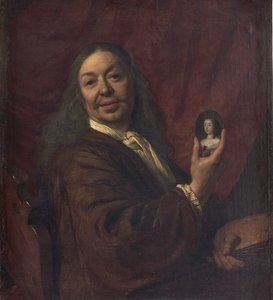
Бартоломеус Ван Дер Хелст
1613 - 1670 , Холандија
Osnovne informacije
- Artistic Movement Or Style: Zlatno doba holandske umetnosti
- Artists Or Movements Influenced By This Artist: ['Ludolf Bakhuizen']
- Artists Who Influenced This Artist: ['Ferdinand Bol']
- Date Of Birth: 1613
- Date Of Death: 1670
- Full Name: Bartholomeus van der Helst
- Nationality: Holanđanin
- Notable Artworks:
- Banket kod strelaca
- Regenti sirotišta Valon
- Jacobus Trip
- Place Of Birth (City And Country): Haarlem, Holandija
Povezani članci

Early Netherlandish Masters: 10 Paintings That Revolutionized Art & Decor
Journey into the Early Netherlandish Renaissance! Explore 10 iconic paintings by Jan van Eyck, Rogier van der Weyden & more. Discover stunning detail, symbolism, and oil painting techniques. Find museum-quality art reproductions for your home at ArtsDot.com.
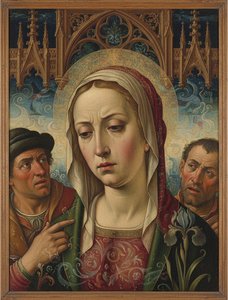
Hugo van der Goes: Devotion, Innovation & the Psychological Depth of Early Netherlandish Painting
Explore the revolutionary art of Hugo van der Goes – a master of Early Netherlandish painting renowned for his dramatic realism, psychological depth & profound influence on Renaissance artists. Discover his iconic works and lasting legacy.

Rembrandt van Rijn: 25 Majstorstava Svetla i Senke za Vaš Dom | ArtsDot
Uronite u svet Rembrandta van Rijna! Otkrijte 25 najlepših dela holandskog majstora – portrete, istorijske scene i biblijska platna. Kvalitetne reprodukcije slika za dekoraciju enterijera dostupne na ArtsDot.com.

Early Netherlandish Masters: 10 Paintings That Revolutionized Art & Decor
Journey into the world of Early Netherlandish painting! Explore 10 masterpieces by Jan van Eyck, Rogier van der Weyden & more. Discover stunning detail, symbolism & Renaissance art for your home decor. Find museum-quality reproductions on ArtsDot.com
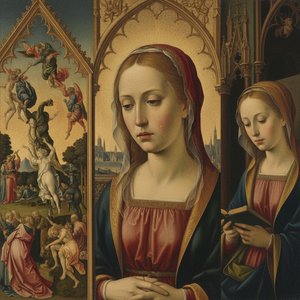
Rogier van der Weyden: Emotion, Innovation & the Early Netherlandish Renaissance
Explore the revolutionary art of Rogier van der Weyden, a pivotal figure of the Early Netherlandish Renaissance. Discover his emotional realism, innovative compositions, and lasting impact on painting history.

