

 Pregledaj u prostoru
 Pošalji
 Podeli
 Detalji o delu

 Преузми
 Slični predmeti
 Rendgenski snimak
 Slajdovi
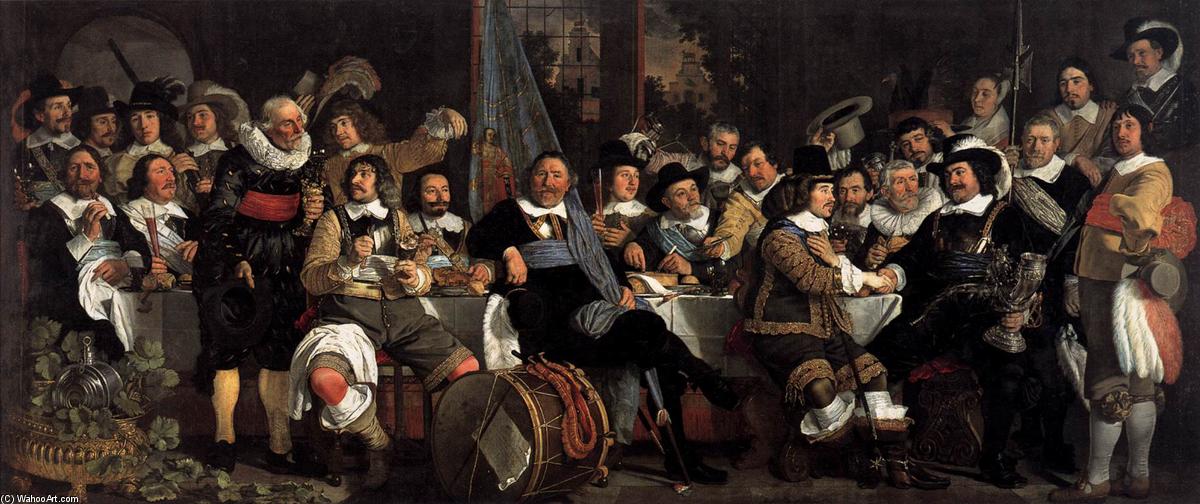
Celebration of the Peace of Münster, 1648, at the Crossbowmen's Headquarters
 Oil On Canvas
- WallArt
- Baroque
 1648
1648 232.0 x 547.0 cm
 Rijksmuseum
 Pročitaj više
Kupite digitalnu sliku visoke rezolucije i poboljšanog kvaliteta, koja je znatno superiornija od onoga što vidite u online prikazu.
Svaka datoteka je pedantno pripremljena od strane naših stručnjaka koristeći napredne alate i profesionalnu ručnu retušu. Osiguravamo da svaka slika ima izuzetnu oštrinu, preciznu reprodukciju boja i fine detalje.
Konačna datoteka se dostavlja putem e-pošte u roku od 72 sata, optimizovana za neposrednu upotrebu u profesionalnim, izdavačkim i štamparskim okruženjima. To je isti kvalitet kojem veruju vrhunski studiji dizajna, izdavači i galerije.
Digitalna slika
Preuzmite datoteku visoke rezolucije za ličnu upotrebu, štampanje i kreativne projekte. ( Kupi print Kupi ručno naslikanu sliku)
Uključeno uz svaku porudžbinu digitalne slike
Profesionalna digitalna isporuka, zagarantovana
Kada odaberete ArtsDot.com, ne dobijate samo sliku – vi primate profesionalno unapređeno digitalno umetničko delo, izrađeno sa najvećom preciznošću i uz garanciju zadovoljstva. Evo svega što automatski dolazi uz vašu porudžbinu:

Brza dostava putem e-pošte
Vaša digitalna slika visoke rezolucije biće vam poslata putem e-pošte u roku od 72 sata od poručivanja – spremna za trenutnu upotrebu.

Digitalna datoteka unapređena veštačkom inteligencijom
Vaše umetničko delo je profesionalno optimizovano korišćenjem naprednih AI alata i ručne obrade, čime se osiguravaju maksimalni detalji, oštrina i preciznost boja.

Besplatna ponovna isporuka doživotno
Slučajno ste obrisali ili izgubili svoju datoteku? Ne brinite – poslaćemo vam je ponovo u bilo kom trenutku, potpuno besplatno.

Bez troškova uvoza – zauvek
Uživajte u svojim umetničkim delima trenutno, bez carine, dažbina ili troškova dostave – digitalni download je uvek bez poreza.

Garancija vernosti boja
Uz pomoć profesionalnih alata i upravljanja bojama, osiguravamo da vaša digitalna slika što vernije odražava originalne boje.

Garancija zadovoljstva u roku od 60 dana
Ako niste zadovoljni svojom digitalnom slikom, revidirat ćemo je ili vratiti 100% novca u roku od 60 dana – bez ikakvih pitanja.

100% garancija povrata novca
Niste zadovoljni? Obezbedite pun povrat novca u roku od 60 dana od trenutka kada ste primili svoju digitalnu datoteku – bez suvišnih pitanja.

Popusti na velike porudžbine
Kupite 3 slike, uštedite 10% - Kupite 5 slika, uštedite 15% - Kupite 10+ slika, uštedite 20%. Odlično za kreativne projekte, galerije i agencije.
A Celebration of Peace: Bartholomeus van der Helst’s Grand Tableau
Bartholomeus van der Helst's "Celebration of the Peace of Münster, 1648, at the Crossbowmen's Headquarters" is more than just a group portrait; it’s a vibrant snapshot of a pivotal moment in European history – the formal end of decades of devastating war and the dawn of a new era for the Dutch Republic. Painted in 1648, mere months after the Treaty of Münster was signed, this monumental canvas captures the palpable joy and relief felt throughout Amsterdam as the city’s civic guard, the St. George's Guard, celebrated their hard-won victory. Van der Helst, a master of the Dutch Golden Age, expertly orchestrates a complex scene teeming with figures, each rendered with meticulous detail and imbued with individual character, all within a richly textured and dramatically lit interior. The painting isn’t merely documenting an event; it's actively participating in its commemoration, radiating an atmosphere of triumphant celebration.A Window into 17th-Century Amsterdam
To truly appreciate “Celebration of the Peace,” one must understand the context of 17th-century Amsterdam – a burgeoning center of commerce, art, and political power. The Dutch Republic, having successfully defied Spain’s imperial ambitions, was experiencing an unprecedented period of prosperity and self-governance. This newfound stability fueled artistic innovation, as evidenced by the flourishing of genres like group portraiture, which served not only to commemorate important figures but also to project an image of civic pride and collective strength. Van der Helst's work exemplifies this trend, meticulously portraying a cross-section of Amsterdam society – merchants, officials, soldiers, and citizens – united in their shared victory. The clothing styles, the architecture of the crossbowmen’s headquarters (a grand hall with a long table), and even the details of the weaponry all provide invaluable insights into the daily life and cultural values of the time.The Art of the Group Portrait
Van der Helst was renowned for his dynamic group portraits, distinguished by their dramatic lighting, carefully arranged compositions, and individualized characterization of each subject. He employed a technique known as *clair-obscur*, utilizing strong contrasts between light and shadow to sculpt forms and draw attention to key figures. Notice how the central figures – the captain and lieutenant shaking hands – are bathed in brilliant light, while others recede into the shadows, creating a sense of depth and movement within the crowded scene. Each individual is rendered with remarkable precision, capturing not only their physical appearance but also their personality and status. The inclusion of details like the bowl on the table, the cup held by one figure, and the poem displayed on the drum all contribute to the painting’s narrative richness.Symbolism and Emotional Resonance
Beyond its historical significance, “Celebration of the Peace” is rich in symbolism. The treaty itself – the very reason for the celebration – represents a fundamental shift from conflict to cooperation. The handshake between the captain and lieutenant symbolizes the formal end of hostilities and the establishment of a new era of peace. The presence of weaponry – swords, daggers, and muskets – serves as a reminder of the recent struggles endured, while the celebratory atmosphere suggests a collective release of tension and anxiety. The painting’s overall mood is one of exuberant joy, tempered by a sense of cautious optimism. It's not simply a depiction of a political event; it’s an emotional portrait of a nation embracing its newfound freedom. The figures are engaged in lively conversation, laughter, and toasts – conveying the profound relief and gratitude felt throughout Amsterdam after decades of war.A Timeless Masterpiece
“Celebration of the Peace of Münster, 1648, at the Crossbowmen’s Headquarters” remains a powerful testament to the artistry and historical significance of Bartholomeus van der Helst. Its meticulous detail, dramatic composition, and evocative symbolism continue to captivate viewers centuries later. Reproductions of this iconic painting offer a remarkable opportunity to bring this pivotal moment in Dutch history into any space, serving as both a beautiful work of art and a poignant reminder of the enduring value of peace.Srodna umetnička dela
Biografija umetnika
Мајстор Амстердамског Златног Доба: Живот и Уметност Бартоломеуса ван дер Хелста
Рођен у Харлему 1613. године, Бартоломеус ван дер Хелст се брзо уздигао до угледа портретисте током Холандског Златног Доба. Иако су рани детаљи његовог живота обвитјени тајном – записи о рођењима из тог периода у Харлему су нажалост изгубљени – знамо да се преселио у Амстердам, просперитетан центар трговине и уметничке иновације, где је стекао репутацију већ 1636. године. Његов брак са Аном ду Пире, сироче из богате породице из Јужних Холандија, указује на повезаност са процветајућом трговачком класом града, мрежом која је била кључна за његову растућу каријеру. Ван дер Хелстов рани тренинг остаје предмет дебате, али многи научници верују да га је Николас Елиазон Пикеној, поштовани амстердамски портретиста, могао бити ментор. Овај утицај се види у прецизним детаљима и финој техници његових раних дела, као што је импресивна *Регенти сирочаонице Валона* (1637), која је одмах показала његов таленат за хватање и сличности и карактера.Заробљавање Епохе: Портретирање и Стил
Уметнички потпис Ван дер Хелста лежи у његовој способности да представи елеганцију и богатство амстердамске елите. Његови портрети нису били само репрезентације; они су били изјаве о статусу, пажљиво конструисане наративe које су одражавале положај седеће особе у друштву. Имао је изузетан дар за приказивање луксузних тканина, сјајног накита и прораслих окружења са запањујућим реализмом. Али поред техничке мајсторности, Ван дер Хелст је разумео како да ухвати *суштину* својих субјеката – њихову личност, амбиције и место у свету. Ово се посебно види у његовим групним портретима, жанру у којем је одлично успевао. За разлику од неких савременика који су преферирали динамичне композиције пуне покрета, Ван дер Хелст је често бирао формалније аранжмане, наглашавајући јасноћу и индивидуалну дистинкцију у колективу. Његово најславније достигнуће у овом смислу је несумњиво *Банкет у Цеховима Стрелаца поводом Световног Уговора из Минстера* (1648). Ово монументално дело, препуно детаљно рендираних фигура, није само запис догађаја; то је живописни табло који оличава дух славља и грађанског поноса након завршетка Осамдесетогодишњег рата.Тренутак под Сунцем: Успеси и Утицаји
До средине 1640-их, Ван дер Хелст је надмашио чак и Рембранда у популарности међу богатим покровитељима Амстердама – сведочанство његове способности да испоручи портрете који су одговарали њиховом укусу и аспирацијама. Постао је омиљени уметник за приказивање водећих трговаца, званичника и чланова истакнутих цехова града. Његов успех није био ограничен на портретисање; он је такође истраживао жанровске сцене и библијске теме, иако ових радова има мање него његових славних ликова. Ван дер Хелстов утицај се протезао ван његовог живота. Лудолф Бахуизен, познати сликар мора, му је помогао у неколико наврата, апсорбујући драгоцене лекције о композицији и техници. Његова заоставштина је видљива у раду других холандских уметника који су следили, привучени његовим рафинираним стилом и мајсторским руковођењем светом и сенком. Данас се његове слике сматрају драгоценим поседима музеја као што је Ријксмузеум у Амстердаму и могу се наћи у колекцијама широм света, укључујући оне доступне преко платформи попут ArtsDot.com.Породица, Наслеђе и Последње Године
Ван дер Хелстов лични живот био је обележен радошћу и тугом. Са Аном ду Пире имао је шесторо деце, али су само двоје преживела одрасло доба. 1647. године, како је његова породица расла а његова радионица се ширила, преселио се у већу кућу на Валенплејнту у Амстердаму. Његов син, Лодевејк, је кренуо стопама оца, постајући и он сликар – иако није постигао исти ниво славе. Бартоломеус ван дер Хелст је преминуо у Амстердаму 16. децембра 1670. године, оставивши за собом богато уметничко наслеђе које наставља да очарава и инспирише. Значајно је допринео развоју портретисања током Холандског Златног Доба, успоставивши стил карактеристичан по елеганцији, детаљима и оштрој осетљивости на индивидуални карактер у појединачним портретима и сложеним групним композицијама. Његови радови остају моћна сведочења живописне ере и вештине мајстора занајтчије.
Бартоломеус Ван Дер Хелст
1613 - 1670 , Холандија
Kratke činjenice
- Artistic Movement Or Style: Zlatno doba holandske umetnosti
- Artists Or Movements Influenced By This Artist: ['Ludolf Bakhuizen']
- Artists Who Influenced This Artist: ['Ferdinand Bol']
- Date Of Birth: 1613
- Date Of Death: 1670
- Full Name: Bartholomeus van der Helst
- Nationality: Holanđanin
- Notable Artworks:
- Banket kod strelaca
- Regenti sirotišta Valon
- Jacobus Trip
- Place Of Birth (City And Country): Haarlem, Holandija

