

 Pregledaj u prostoru
 Pošalji
 Podeli
 Detalji o delu

 Преузми
 Slični predmeti
 Rendgenski snimak
 Slajdovi
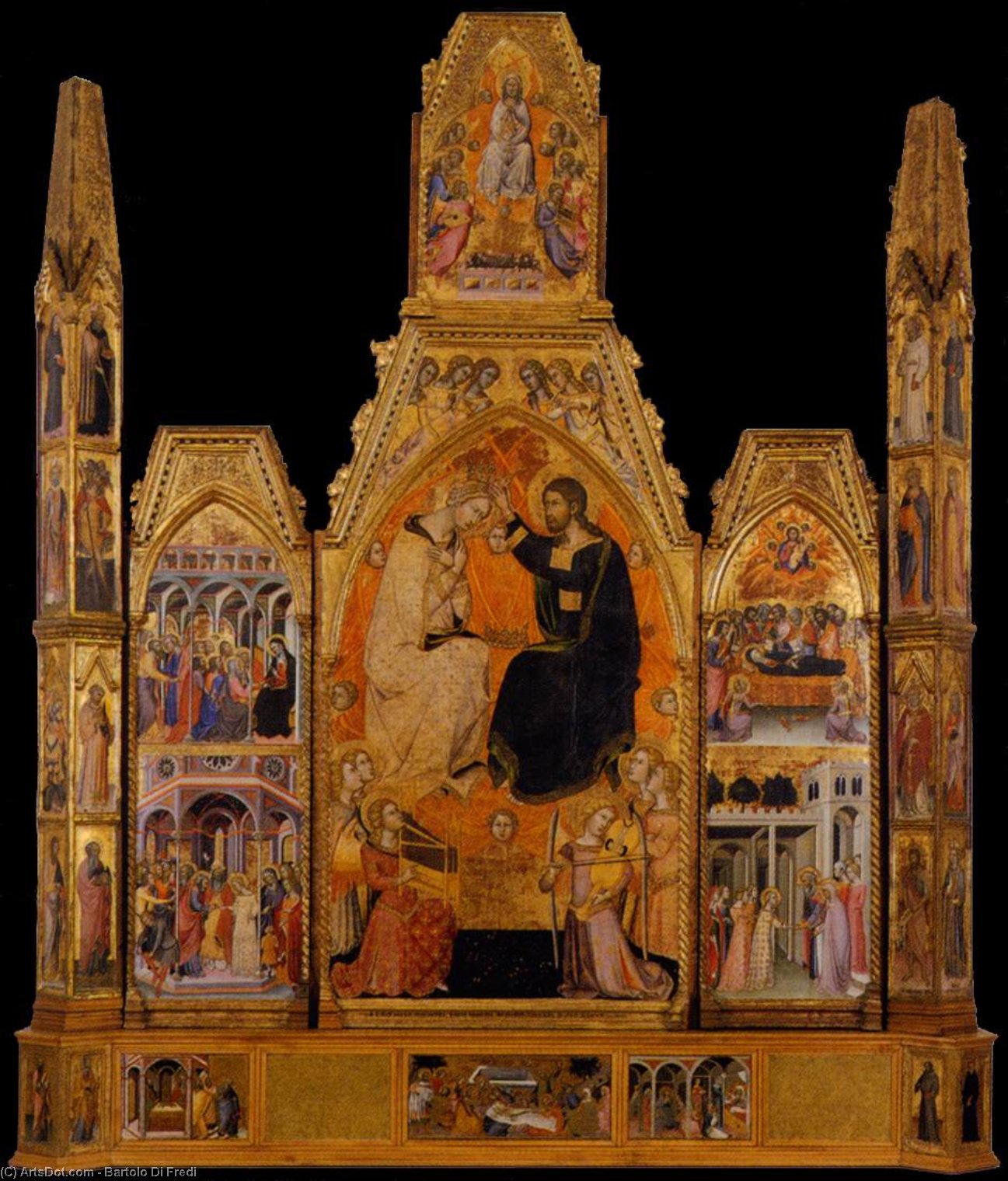
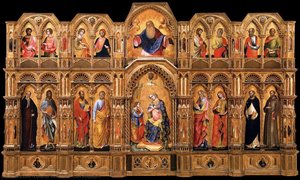
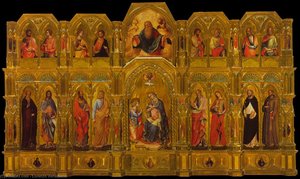
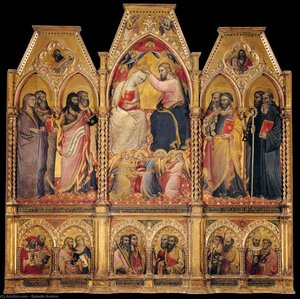
The Coronation of the Virgin
 Tempera On Panel
- Gothic
 1388
1388- Late Medieval
 332.0 x 279.0 cm
 Museo Civico e Diocesano d'Arte Sacra
 Pročitaj više
Kupite digitalnu sliku visoke rezolucije i poboljšanog kvaliteta, koja je znatno superiornija od onoga što vidite u online prikazu.
Svaka datoteka je pedantno pripremljena od strane naših stručnjaka koristeći napredne alate i profesionalnu ručnu retušu. Osiguravamo da svaka slika ima izuzetnu oštrinu, preciznu reprodukciju boja i fine detalje.
Konačna datoteka se dostavlja putem e-pošte u roku od 72 sata, optimizovana za neposrednu upotrebu u profesionalnim, izdavačkim i štamparskim okruženjima. To je isti kvalitet kojem veruju vrhunski studiji dizajna, izdavači i galerije.
Digitalna slika
Preuzmite datoteku visoke rezolucije za ličnu upotrebu, štampanje i kreativne projekte. ( Kupi print Kupi ručno naslikanu sliku)
Uključeno uz svaku porudžbinu digitalne slike
Profesionalna digitalna isporuka, zagarantovana
Kada odaberete ArtsDot.com, ne dobijate samo sliku – vi primate profesionalno unapređeno digitalno umetničko delo, izrađeno sa najvećom preciznošću i uz garanciju zadovoljstva. Evo svega što automatski dolazi uz vašu porudžbinu:

Brza dostava putem e-pošte
Vaša digitalna slika visoke rezolucije biće vam poslata putem e-pošte u roku od 72 sata od poručivanja – spremna za trenutnu upotrebu.

Digitalna datoteka unapređena veštačkom inteligencijom
Vaše umetničko delo je profesionalno optimizovano korišćenjem naprednih AI alata i ručne obrade, čime se osiguravaju maksimalni detalji, oštrina i preciznost boja.

Besplatna ponovna isporuka doživotno
Slučajno ste obrisali ili izgubili svoju datoteku? Ne brinite – poslaćemo vam je ponovo u bilo kom trenutku, potpuno besplatno.

Bez troškova uvoza – zauvek
Uživajte u svojim umetničkim delima trenutno, bez carine, dažbina ili troškova dostave – digitalni download je uvek bez poreza.

Garancija vernosti boja
Uz pomoć profesionalnih alata i upravljanja bojama, osiguravamo da vaša digitalna slika što vernije odražava originalne boje.

Garancija zadovoljstva u roku od 60 dana
Ako niste zadovoljni svojom digitalnom slikom, revidirat ćemo je ili vratiti 100% novca u roku od 60 dana – bez ikakvih pitanja.

100% garancija povrata novca
Niste zadovoljni? Obezbedite pun povrat novca u roku od 60 dana od trenutka kada ste primili svoju digitalnu datoteku – bez suvišnih pitanja.

Popusti na velike porudžbine
Kupite 3 slike, uštedite 10% - Kupite 5 slika, uštedite 15% - Kupite 10+ slika, uštedite 20%. Odlično za kreativne projekte, galerije i agencije.
Opis kolekcionarskog dela
A Celestial Coronation: The Splendor of Bartolo di Fredi
In the hallowed halls of art history, few moments capture the intersection of divine grace and human craftsmanship as profoundly as Bartolo di Fredi’s The Coronation of the Virgin. Created in 1388, this monumental polyptych serves as a breathtaking window into the late Gothic soul of Siena. The painting is not merely a depiction of a biblical event; it is a choreographed celestial dance, where Christ and the Virgin Mary are enveloped in a sea of gold and sanctity. As one gazes upon this vast composition, the sheer scale of the work—stretching over three meters in height—commands an immediate, reverent silence, drawing the viewer into a sacred space that feels both infinitely distant and intimately present.
The artistry of di Fredi is defined by a masterful synthesis of Sienese elegance and a burgeoning interest in narrative complexity. The technique, likely utilizing tempera on wood panel, allows for an exquisite level of detail that rewards the most attentive observer. Every inch of the surface is alive with the shimmer of gold leaf, which does more than just decorate; it functions as a theological tool, creating a flattened, otherworldly light that dissolves the boundaries of the physical world. This use of gold creates a luminous atmosphere, where the figures seem to emerge from a divine radiance rather than a naturalistic landscape. The artist’s ability to layer paint and gild carefully carved elements results in a tactile, multidimensional experience, making the artwork feel like a precious relic brought to life.
Symbolism and the Language of Devotion
To understand this masterpiece is to decode a language of symbols designed to inspire piety. The composition follows a strict hierarchical structure, where the placement of figures communicates their spiritual importance. At the heart of the polyptych, Christ and Mary sit in a state of eternal triumph, surrounded by a celestial court of saints, including John the Baptist, whose presence anchors the scene in Christian tradition. The architectural elements—towering, intricate, and almost impossively vertical—act as a bridge between Earth and Heaven, guiding the eye upward in a continuous motion of prayer. Each gesture, from the folded hands of a mourning saint to the regal posture of the Virgin, is a carefully placed note in a visual hymn.
For the discerning collector or interior designer, this piece offers more than just historical value; it provides an anchor of profound emotional depth. The artwork’s palette, rich with deep pigments and brilliant golds, possesses a timeless quality that can transform a space into one of contemplation and grandeur. Whether placed in a curated gallery or as a focal point in a sophisticated residential setting, The Coronation of the Virgin brings with it an aura of stability, history, and spiritual intensity. It is a rare opportunity to possess a fragment of the late Middle Ages, a piece that continues to whisper the stories of Siena’s golden age to all who stand before its radiant, gilded surface.
Srodna umetnička dela
Biografija umetnika
The Luminous Legacy of Bartolo di Fredi
In the heart of fourteenth-century Tuscany, a period defined by the transition from the ethereal grace of the Gothic era to the burgeoning humanism of the Renaissance, Bartolo di Fredi emerged as a master of light and narrative. Born in Siena around 1330, he was more than just a painter; he was a bridge between two worlds. His work, often characterized by an otherworldly luminosity and a meticulous devotion to detail, captured the spiritual fervor of his age while introducing a decorative complexity that would leave an indelible mark on the Sienese School. To gaze upon a Fredi masterpiece is to enter a realm where the sacred and the ornamental dance in perfect, gilded harmony.
The foundations of his career were deeply rooted in the prestigious guilds of Siena. By 1355, he had officially entered the Arte dei Maestri di Tavola e Dipinto, a milestone that granted him access to the most significant patronage networks in Italy. This professional stability allowed him to collaborate with other luminaries of the era, such as Andrea Varga, on monumental projects like the decoration of the Siena Cathedral. These early years were formative, as he absorbed the aristocratic elegance of Simone Martini and the foundational traditions of Duccio, refining a style that rejected the coldness of strict realism in favor of a more emotive, symbolic beauty.
A Master of Fresco and Narrative Drama
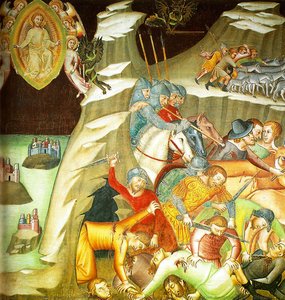
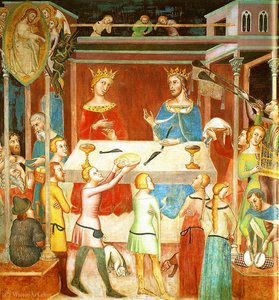
Perhaps the most breathtaking testament to Fredi’s genius is found within the walls of the San Gimignano Cathedral. Between 1356 and 1367, he undertook an ambitious cycle of frescoes that transformed the left aisle into a vivid biblical tapestry. In these works, such as the visceral Killing of the Servants of Job, one can witness his ability to command large-scale compositions with intense dramatic tension. He did not merely depict scenes; he orchestrated them, using color and movement to guide the viewer through stories of profound suffering and divine intervention. His technique in these frescoes showcased an early mastery of illusionistic space, pushing the boundaries of what the Gothic style could achieve.
Beyond the monumental scale of his frescoes, Fredi excelled in the intimate medium of altarpieces. His Annunciation (1383) serves as a quintessential example of his ability to blend the sacred with the exquisite. In this work, the use of light is not merely a technical feat but a theological tool, illuminating the delicate details of the Virgin’s surroundings and creating an atmosphere of profound sanctity. His approach to panel painting allowed for a level of ornamentation—gold leaf, intricate patterns, and fine linework—that satisfied the era's craving for splendor while maintaining a deep, spiritual focus.
Historical Significance and Artistic Influence
The historical importance of Bartolo di Fredi lies in his role as a stylistic pivot. While he remained loyal to the decorative traditions that defined Sienese art, he possessed an innate curiosity for the evolving techniques of his time. He stood at the crossroads of history, preserving the delicate, dreamlike qualities of the late Gothic period while preparing the ground for the more structured, human-centric approach of the Renaissance. His ability to synthesize these opposing forces created a unique visual language that was both nostalgic and forward-looking.
Today, his contributions are recognized as essential components of the Tuscan artistic identity. The legacy of Bartolo di Fredi can be summarized through several key pillars of his impact:
- Stylistic Synthesis: He successfully merged the aristocratic elegance of the Sienese tradition with a new, more dynamic narrative energy.
- Narrative Innovation: His fresco cycles in San Gimignano redefined how biblical stories could be told through large-scale, emotionally charged imagery.
- Decorative Mastery: He elevated the use of color and ornamentation, making the altarpiece a vessel for both devotion and aesthetic wonder.
- Cultural Continuity: As a prominent member of the Sienese guilds, he helped maintain the prestige of Tuscan art during a period of significant social and artistic transition.
Though the tides of art history eventually moved toward the intense realism of later masters, the luminous, enchanted world created by Bartolo di Fredi remains a vital chapter in the story of Western art, reminding us of a time when painting was a window into the divine.
Bartolo di Fredi
1330 - 1410

