

 Pregledaj u prostoru
 Pošalji
 Podeli
 Detalji o delu

 Преузми
 Slični predmeti
 Rendgenski snimak
 Slajdovi
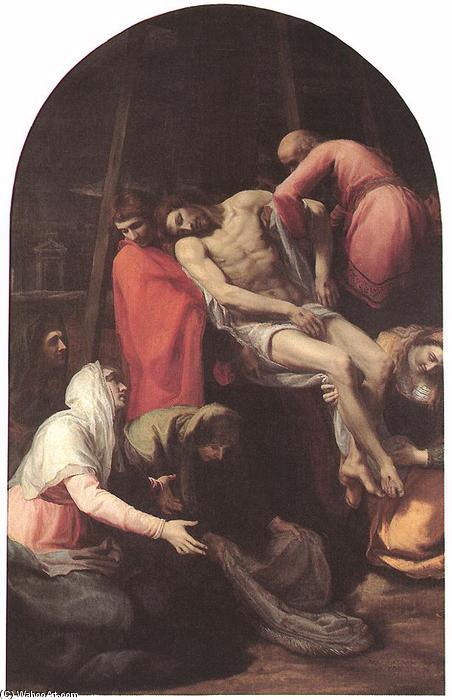
Descent from the Cross
 Oil On Canvas
- WallArt
- Baroque Painting
 1595
1595 263.0 x 181.0 cm
 Museo del Prado
 Pročitaj više
Ručno rađena uljana reprodukcija
Ručno oslikano uljanim bojama na platnu u dimenzijama i okviru po vašem izboru, izrađeno po porudžbini od strane naših umetnika. ( Kupi print Kupi digitalnu sliku)




P118B $10

P118H $10

P118W $10

P438Z $10

P508JH $12

P508YH $12

P805H $10

P805Z $10

P919BZ $10

P919G $10

P919XJ $10

P959ZH $10

P968JZ $12

W106C $8

W218G $10

W218JH $8

W218Y $10

W307PJ $10

W316G $10

W316PJ $8

W316Y $10

W398PJ $8

W4111J $10

W500HY $15

W500JH $15

W692G $12

W849H $8

W940BG $15

W953PJ $8




Izaberite jednu od naših unapred definisanih veličina koje odgovaraju originalnim proporcijama umetničkog dela.

Можете унети сопствене димензије како бисте прилагодили дело одређеном оквиру или простору. Ако одабрана величина не одговара пропорцијама оригинала, слика ће бити исечена или проширена додатним елементима који се ручно насликавају. Дигитални prikaz ће вам бити послат на одобрење пре почетка производње.
Имајте на уму да преглед на екрану не одражава стварно исецање или проширење. Само приказ (mockup) ће тачно приказати коначну композицију.
Иако су доступне прилагођене величине, препоручујемо да одаберете димензију из дефинисане листе како бисте сачували оригиналне пропорције.
Nakon narudžbine, tim ArtsDot.com će klijentu putem e-pošte poslati uputstva i dostaviti prikaz predloženog rešenja
Isporuka širom sveta () za 3/4 nedelje umesto uobičajenih 5 nedelja. (21 август). Bez kompromisa po pitanju kvaliteta.

Besplatna ekspresna dostava širom sveta

Visokokvalitetno laneno platno

Kompletno osiguranje transporta

Garancija povraćaja carine i uvoznih dažbina

Garancija vernosti boja

Politika povrata u roku od 60 dana (samo u slučaju nedostataka)

Garancija povrata novca od 100%

Popust pri grupnoj kupovini
 Opcija sa staklom dostupna je samo za dimenzije manje od 110 cm

Descent from the Cross
Tehnika reprodukcije
Dimenzije reprodukcije
-


Konačna cena
$ 263
Opis umetničkog dela
Descent from the Cross: A Dramatic Tableau of Faith and Suffering
Bartolomé Carducho’s “Descent from the Cross,” painted in 1595, is more than just a depiction of a biblical event; it's a profoundly moving exploration of human suffering, faith, and the weight of mortality. This monumental oil on canvas, now housed within the Museo del Prado in Madrid, offers a visceral experience for the viewer, transporting them directly into the heart of this pivotal moment from Christian history. Carducho, a Florentine artist with strong ties to Spain, masterfully blended Renaissance anatomical precision with emerging Baroque dramatic intensity – a hallmark of his distinctive style.
The painting’s composition is immediately arresting. At its core lies the body of Christ, rendered with remarkable realism by Carducho. The pale skin tone, contrasted sharply against the dark robes and the somber background, emphasizes the physicality of his sacrifice. It's a deliberate choice, grounding the spiritual narrative in the tangible reality of death and decay – a technique that would become increasingly prominent in later Baroque art. Surrounding this central figure is a carefully orchestrated group of mourners and assistants, each engaged in actions that amplify the scene’s emotional resonance. Note the varied attire; from the simple robes suggesting common laborers to the more elaborate garments worn by figures like Nicodemus and Joseph of Arimathea, Carducho subtly hints at their social standing and roles within this sacred drama.
The Baroque Embrace: Light, Shadow, and Dramatic Intensity
Carducho’s command of light and shadow is particularly striking. The dark background serves not merely as a backdrop but actively shapes the narrative, drawing the viewer's eye directly to Christ’s body – the focal point of the composition. The figures are illuminated with a dramatic chiaroscuro effect, creating a sense of heightened emotion and emphasizing their vulnerability. This masterful use of light is characteristic of the Baroque period, which sought to evoke powerful emotional responses through visual spectacle. The artist skillfully employs this technique to heighten the drama and underscore the profound sorrow surrounding the event.
Furthermore, Carducho’s attention to detail is breathtaking. The folds in the fabric, the expressions on the faces of the mourners – each element contributes to a sense of immediacy and realism. The anatomical accuracy of Christ's body reflects the Renaissance fascination with human form, while the emotional intensity of the scene speaks to the burgeoning Baroque interest in portraying human experience with raw honesty. The painting’s scale—measuring 263 x 181 cm—further enhances its impact, enveloping the viewer within the scene and amplifying its emotional power.
Symbolism and Spiritual Weight
Beyond its technical brilliance, “Descent from the Cross” is rich in symbolic meaning. The event itself – the removal of Christ’s body from the cross – represents humanity's redemption through sacrifice. The figures gathered around the scene are not merely witnesses but active participants in this spiritual drama. Nicodemus and Joseph of Arimathea, initially hesitant figures in the Gospels, here become central actors in the mourning process, embodying faith and compassion. The inclusion of Mary Magdalene, weeping over Christ’s body, underscores the profound grief experienced by the Virgin Mary – a theme frequently explored in Christian art.
The painting's historical context is also crucial to understanding its significance. Created during a period of religious fervor and artistic experimentation, “Descent from the Cross” reflects the evolving relationship between faith and art. Carducho’s work stands as a testament to the power of visual imagery to convey complex theological ideas and evoke profound emotional responses. It's a poignant reminder of humanity's capacity for both suffering and redemption – a theme that continues to resonate with viewers centuries later.
A Timeless Masterpiece: Reproduction Possibilities
ArtsDot offers meticulously crafted, hand-painted reproductions of Bartolomé Carducho’s “Descent from the Cross,” allowing you to bring this extraordinary artwork into your home or office. Our skilled artists replicate the painting's intricate details, dramatic lighting, and emotional depth with unparalleled accuracy. Available in a range of sizes, including our stunning 263 x 181 cm rendition, these reproductions provide an authentic representation of this iconic masterpiece. Whether you’re an art collector, interior designer, or simply someone seeking to adorn your space with a work of enduring beauty and spiritual significance, a ArtsDot reproduction of “Descent from the Cross” is a truly exceptional choice.
Srodna umetnička dela


Biografija umetnika
A Florentine Soul in the Spanish Court
The story of Bartolomé Carducho is one of profound movement, a journey that began amidst the intellectual splendor of Renaissance Florence and culminated in the grand, somber majesty of the Spanish court. Born around 1560, Carducho was a product of the most prestigious artistic lineages of his era. His early training was remarkably diverse; he did not merely study the brush, but also the structural foundations of space through architecture and sculpture under the guidance of Bartolomeo Ammanati. This multidisciplinary upbringing gifted him with an innate understanding of volume and composition that would later breathe life into his painted figures, giving them a sculptural presence that transcends the flat surface of the canvas.
As he matured, Carducho’s path became inextricably linked to the influential Federico Zuccaro. Under Zuccaro’s mentorship, he absorbed the refined elegance of the late Renaissance and the emerging complexities of Mannerism. The collaborative atmosphere of Florence, particularly through his exposure to the monumental projects involving Vasari and the decoration of the Duomo, instilled in him a reverence for disegno—the art of precise drawing. This commitment to structural integrity, paired with a burgeoning mastery of chiaroscuro, allowed him to manipulate light and shadow to evoke deep, spiritual resonance within his subjects.
The Transition to Baroque Grandeur
A transformative chapter in Carducho’s life unfolded in 1585 when he followed Zuccaro to Madrid. This relocation was far more than a change of scenery; it was an immersion into the heart of the Spanish Golden Age. In Spain, Carducho’s style began to evolve, shedding some of its Florentine restraint to embrace the dramatic, emotive power of the Baroque. His work started to reflect the intense religious fervor of the Counter-Reformation, a movement that demanded art capable of stirring the soul and inspiring piety through visceral, human emotion.
His ability to blend Italian technical precision with the burgeoning Spanish preference for dramatic narrative made him a sought-after talent at the highest levels of society. His later works demonstrate a sophisticated command over the interplay of light, creating scenes that feel both monumental and intimately tragic. This period of his career is marked by several significant achievements:
- The Mastery of Emotion: In masterpieces such as Descent from the Cross, Carducho utilizes profound anatomical detail and dramatic lighting to capture the raw grief of the biblical narrative.
- Narrative Depth: Works like The Flight into Egypt showcase his ability to guide the viewer through complex, atmospheric landscapes that feel both epic and personal.
- Spiritual Intensity: His religious compositions often serve as windows into the divine, using shadow to create a sense of mystery and sacredness.
- Legacy of the Escorial: His contributions to the artistic landscape of Spain helped bridge the gap between the classical traditions of Italy and the unique, powerful aesthetic of the Spanish Baroque.
A Lasting Artistic Legacy
Though his life was relatively short, ending in 1593, Bartolomé Carducho left an indelible mark on the trajectory of European art. He stands as a vital link in the chain of artistic evolution, carrying the disciplined traditions of Florence into the expressive, theatrical world of the Spanish Baroque. His legacy is not merely found in the individual canvases that grace museums like the Prado, but in the way he helped synthesize two distinct cultural identities through the universal language of paint.
Today, when we gaze upon his works, we see more than just historical artifacts; we witness a masterwork of human emotion and technical brilliance. His ability to capture the weight of a body, the flicker of light on fabric, and the profound sorrow of a saint remains a testament to his enduring genius. Carducho’s life reminds us that art is a continuous dialogue across borders, where the shadows of Italy can find their most powerful expression in the light of Spain.
bartolomé carducho
1560 - 1593 , Italy
Osnovne informacije
- Artistic Movement Or Style: Spanish Baroque Art
- Artists Or Movements Influenced By This Artist: ['Michelangelo']
- Artists Who Influenced This Artist:
- Federico Zuccari
- Bartolomeo Ammanati
- Date Of Birth: Florence, Italy (1560)
- Date Of Death: Madrid, 1608
- Full Name: Bartolomé Carducho
- Nationality: Italian
- Notable Artworks:
- Descent from the Cross
- The Last Supper
- Flight into Egypt
- Place Of Birth: Florence
Povezani članci

Barok Majstor dela: Top 10 Umjetničkih Remeka za Vaš Dom
Otkrijte 10 remek dela koja su definisala baroknu umetnost! Karavagio, Bernini i više – istražite priče iza ovih ikoničnih slika. Inspiracija za vaš dom? Pogledajte kolekciju na ArtsDot.com!

Барокна драма: Уношење величине и емоција у савремене ентеријере
Откријте барокну драму и унесите величину у ваш ентеријер! ArtsDot нуди ручно насликане репродукције, персонализоване портрете и стручне консултације за љубитеље класичне уметности. Потражите савршено дело већ данас!

The Dramatic Flourish: Exploring the Baroque Movement's Enduring Legacy in Art History
Explore the dramatic world of Baroque art! Discover iconic artists like Caravaggio & Rubens, defining techniques, and its lasting impact on art history. Expert insights for collectors & enthusiasts at ArtsDot.

The Visceral Stage: Exploring Dramatic Narratives & Emotional Intensity in Baroque Art
Explore the dramatic world of Baroque art! Discover iconic masters like Caravaggio & Rembrandt, their techniques, and the movement's lasting impact. Expert insights for collectors & enthusiasts at ArtsDot.
Theatricality & Triumph: Baroque Drama in Painting & Sculpture
Explore the dramatic world of Baroque art! Discover its history, defining characteristics, & lasting influence on painting & sculpture. Expert insights into Caravaggio, Zurbarán, and Bernini – plus high-quality reproductions at ArtsDot.

