

 Pregledaj u prostoru
 Pošalji
 Podeli
 Detalji o delu

 Преузми
 Slični predmeti
 Rendgenski snimak
 Slajdovi
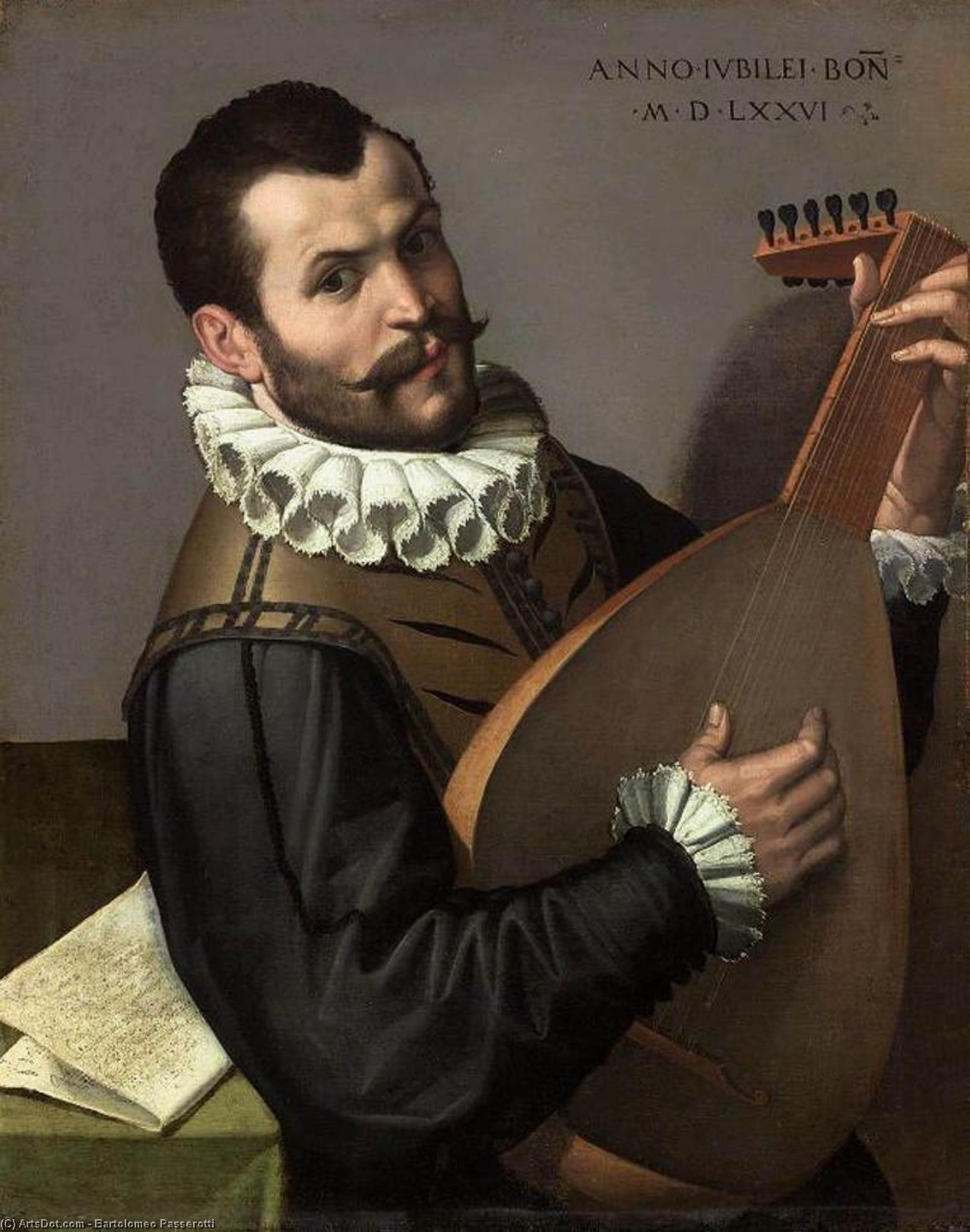
Portrait of a Man Playing a Lute
 Oil On Canvas
- WallArt
- Mannerism
 1576
1576- Early Modern
 77.0 x 60.0 cm
 Muzej lepih umetnosti u Bostonu
 Pročitaj više
Ručno rađena uljana reprodukcija
Ručno oslikano uljanim bojama na platnu u dimenzijama i okviru po vašem izboru, izrađeno po porudžbini od strane naših umetnika. ( Kupi print Kupi digitalnu sliku)




P118B $10

P118H $10

P118W $10

P438Z $10

P508JH $12

P508YH $12

P805H $10

P805Z $10

P919BZ $10

P919G $10

P919XJ $10

P959ZH $10

P968JZ $12

W106C $8

W218G $10

W218JH $8

W218Y $10

W307PJ $10

W316G $10

W316PJ $8

W316Y $10

W398PJ $8

W4111J $10

W500HY $15

W500JH $15

W692G $12

W849H $8

W940BG $15

W953PJ $8




Izaberite jednu od naših unapred definisanih veličina koje odgovaraju originalnim proporcijama umetničkog dela.

Можете унети сопствене димензије како бисте прилагодили дело одређеном оквиру или простору. Ако одабрана величина не одговара пропорцијама оригинала, слика ће бити исечена или проширена додатним елементима који се ручно насликавају. Дигитални prikaz ће вам бити послат на одобрење пре почетка производње.
Имајте на уму да преглед на екрану не одражава стварно исецање или проширење. Само приказ (mockup) ће тачно приказати коначну композицију.
Иако су доступне прилагођене величине, препоручујемо да одаберете димензију из дефинисане листе како бисте сачували оригиналне пропорције.
Nakon narudžbine, tim ArtsDot.com će klijentu putem e-pošte poslati uputstva i dostaviti prikaz predloženog rešenja
Isporuka širom sveta () za 3/4 nedelje umesto uobičajenih 5 nedelja. (22 август). Bez kompromisa po pitanju kvaliteta.

Besplatna ekspresna dostava širom sveta

Visokokvalitetno laneno platno

Kompletno osiguranje transporta

Garancija povraćaja carine i uvoznih dažbina

Garancija vernosti boja

Politika povrata u roku od 60 dana (samo u slučaju nedostataka)

Garancija povrata novca od 100%

Popust pri grupnoj kupovini
 Opcija sa staklom dostupna je samo za dimenzije manje od 110 cm

Portrait of a Man Playing a Lute
Tehnika reprodukcije
Dimenzije reprodukcije
-


Konačna cena
$ 263
Opis umetničkog dela
A Study in Mannerist Elegance: The Portrait of a Man Playing a Lute
To gaze upon this portrait is to step directly into the vibrant, artfully complex world of late sixteenth-century Bologna. Bartolomeo Passarotti’s depiction of a man engrossed with his lute is far more than a mere likeness; it is a carefully constructed tableau vivant, brimming with the sophisticated artificiality characteristic of Mannerism. The subject himself commands attention—a gentleman whose attire speaks volumes of status and refinement. His wig, meticulously coiffed, frames a face bearing a distinguished mustache, suggesting a man of culture, perhaps a court musician or an educated patron. The very act of playing the lute anchors him within a tradition of humanist celebration, where music was inextricably linked to intellectual prowess and social standing.
The Allure of Mannerist Technique
Passarotti, trained in the grand traditions of Rome under masters like Vignola and Zuccari, masterfully navigates the stylistic currents of his time. The painting exhibits the hallmark elongation and emotional intensity associated with Mannerism—a deliberate departure from the serene balance of the High Renaissance. Observe the rich textures: the sheen on the ruffled collar, the polished wood of the large lute that dominates the foreground, and the subtle folds in the subject's suit. Passarotti employs a sophisticated handling of paint to give weight and presence to every element. The composition is richly populated; beyond our central figure, background figures observe or participate, lending a sense of bustling, yet controlled, social gathering. Even the inclusion of a book near the lower left corner suggests scholarly pursuits accompanying the musical performance.
Symbolism and Social Context
The lute itself carries profound symbolic weight throughout art history, often representing poetry, melancholy, or the harmonious balance of life. In this context, paired with the formal portraiture, it elevates the sitter from a mere individual to an embodiment of cultivated artistry. The surrounding figures and objects—the book, the varied gazes in the background—create a narrative tapestry suggesting patronage, intellectual discourse, and the performance arts as central pillars of elite society during 1576. It is a visual meditation on status achieved through culture.
Bringing History Home: Decorating with Masterful Art
For the discerning collector or interior designer, this piece offers an unparalleled opportunity to infuse a space with historical gravitas and artistic drama. Reproducing such a work allows one to curate an atmosphere that feels both deeply rooted in European Renaissance splendor and refreshingly dynamic due to its Mannerist flair. Imagine this portrait anchoring a drawing-room or library; the deep tones and complex narrative will engage guests, sparking conversations about art history and human endeavor. Owning a reproduction of Passarotti’s hand is not simply acquiring decoration; it is curating an experience—a sophisticated echo of 16th-century Bolognese life.
Srodna umetnička dela
Biografija umetnika
Bartolomeo Passarotti: A Bolognese Master of Mannerism
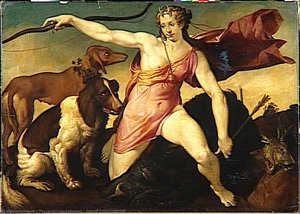
Bartolomeo Passarotti (1529–1592) stands as a pivotal figure in the artistic landscape of Bologna during the Mannerist period, an era characterized by stylistic experimentation and a deliberate rejection of Renaissance ideals. Born in Bologna, Passarotti’s early life remains shrouded in relative obscurity, though he swiftly established himself as a prolific painter and printmaker, leaving behind a legacy that continues to fascinate scholars and art enthusiasts alike. His artistic journey began in Rome around 1550-51, where he honed his skills under the tutelage of Giacomo Barozzi da Vignola and Taddeo Zuccari—artists deeply invested in reviving classical forms while simultaneously pushing stylistic boundaries. This formative period instilled in Passarotti a profound appreciation for antiquity’s grandeur alongside an eagerness to explore new expressive avenues.- Early Influences & Roman Training: Passarotti's initial artistic education centered on the humanist principles championed by Vignola and Zuccari, fostering a meticulous attention to detail and anatomical accuracy—traits that would permeate his subsequent oeuvre. The rediscovery of classical sculpture served as an inspiration for artists like Passarotti who sought to emulate the idealized beauty and harmonious proportions of antiquity.
- Return to Bologna & Studio Establishment: Upon returning to Bologna in 1564, Passarotti swiftly ascended to prominence within the city’s artistic community. He founded a large studio, attracting numerous pupils—including Agostino Carracci, Lucio Massari and Francesco Brizzi—who would subsequently become luminaries of the burgeoning Baroque movement. This studio served as a crucible for stylistic innovation, disseminating Passarotti's distinctive approach to painting.
- Notable Paintings: Among Passarotti’s most celebrated achievements are monumental altarpieces commissioned for San Giacomo Maggiore and Saint Peter's Basilica in Rome, demonstrating his mastery of fresco technique and his ability to convey spiritual grandeur.
- Printmaking & Symbolism: Passarotti was a prolific printmaker, producing etchings after the works of Michelangelo Buonarroti and Raphael—artists whose stylistic ideals profoundly influenced him. His signature motif—a sparrow—appears in numerous paintings and prints, symbolizing humility and artistic diligence.
bartolomeo passerotti
1529 - 1592
Osnovne informacije
- Artistic Movement Or Style: Mannerism
- Artists Or Movements Influenced By This Artist: ['Giorgio Vasari']
- Artists Who Influenced This Artist: ['Taddei Zuccaro']
- Date Of Birth: 1529
- Date Of Death: 1592
- Full Name: Bartolomeo Passarotti
- Nationality: Italian
- Notable Artworks:
- The Butcher's Shop
- Lute Player
- Portrait of an Unknown Soldier in Armour
- Place Of Birth: Bologna
Povezani članci
Renaissance Visions: Exploring Artistic Innovation & Cultural Shifts in 16th Century Art
Explore the artistic revolution of the 16th-century Renaissance! Discover humanist ideals, groundbreaking techniques & iconic masterpieces by Raphael, Michelangelo & more. A deep dive into art history.
Giuseppe Maria Crespi: Pioneering Genre Painting & the Bolognese Baroque
Explore the life & art of Giuseppe Maria Crespi, a pivotal Bolognese Baroque painter. Discover his groundbreaking genre scenes, religious works, and lasting influence on Italian art history. Learn more at ArtsDot.
Jacopo Pontormo: A Bridge Between Renaissance Tradition & Mannerist Emotion
Explore the captivating world of Jacopo Pontormo, a pivotal Italian Mannerist painter. Discover his unique style, influences & masterpieces – and find museum-quality reproductions at ArtsDot.
Renaissance Visions: Exploring Themes & Techniques in 16th-Century Painting
Explore the captivating world of Renaissance painting! Discover key themes, masterful techniques & iconic artworks from Leonardo da Vinci to Raphael. Learn about Humanism's influence and the stylish departure of Mannerism.
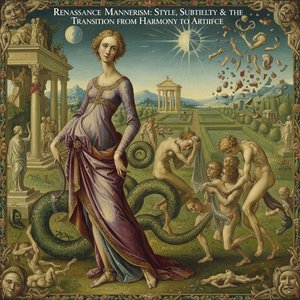
Renaissance Mannerism: Style, Subtlety & the Transition from Harmony to Artifice
Explore the captivating world of Renaissance Mannerism! Discover its key characteristics, pioneering artists like Pontormo & Bronzino, and its pivotal role in art history. Expert insights & museum-quality reproductions at ArtsDot.

