

 Pregledaj u prostoru
 Pošalji
 Podeli
 Detalji o delu

 Преузми
 Slični predmeti
 Rendgenski snimak
 Slajdovi
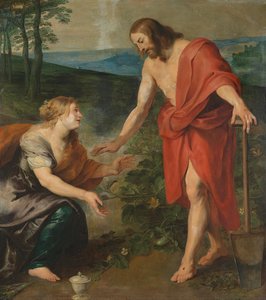
Christ and the Woman of Samaria
 Oil On Copper
- Baroque
 1715
1715 38.0 x 31.0 cm
 Metropolitan Museum of Art
 Pročitaj više
Ručno rađena uljana reprodukcija
Ručno oslikano uljanim bojama na platnu u dimenzijama i okviru po vašem izboru, izrađeno po porudžbini od strane naših umetnika. ( Kupi print Kupi digitalnu sliku)




P118B $10

P118H $10

P118W $10

P438Z $10

P508JH $12

P508YH $12

P805H $10

P805Z $10

P919BZ $10

P919G $10

P919XJ $10

P959ZH $10

P968JZ $12

W106C $8

W218G $10

W218JH $8

W218Y $10

W307PJ $10

W316G $10

W316PJ $8

W316Y $10

W398PJ $8

W4111J $10

W500HY $15

W500JH $15

W692G $12

W849H $8

W940BG $15

W953PJ $8




Izaberite jednu od naših unapred definisanih veličina koje odgovaraju originalnim proporcijama umetničkog dela.

Можете унети сопствене димензије како бисте прилагодили дело одређеном оквиру или простору. Ако одабрана величина не одговара пропорцијама оригинала, слика ће бити исечена или проширена додатним елементима који се ручно насликавају. Дигитални prikaz ће вам бити послат на одобрење пре почетка производње.
Имајте на уму да преглед на екрану не одражава стварно исецање или проширење. Само приказ (mockup) ће тачно приказати коначну композицију.
Иако су доступне прилагођене величине, препоручујемо да одаберете димензију из дефинисане листе како бисте сачували оригиналне пропорције.
Nakon narudžbine, tim ArtsDot.com će klijentu putem e-pošte poslati uputstva i dostaviti prikaz predloženog rešenja
Isporuka širom sveta () za 3/4 nedelje umesto uobičajenih 5 nedelja. (23 август). Bez kompromisa po pitanju kvaliteta.

Besplatna ekspresna dostava širom sveta

Visokokvalitetno laneno platno

Kompletno osiguranje transporta

Garancija povraćaja carine i uvoznih dažbina

Garancija vernosti boja

Politika povrata u roku od 60 dana (samo u slučaju nedostataka)

Garancija povrata novca od 100%

Popust pri grupnoj kupovini
 Opcija sa staklom dostupna je samo za dimenzije manje od 110 cm

Christ and the Woman of Samaria
Tehnika reprodukcije
Dimenzije reprodukcije
-


Konačna cena
$ 263
Opis umetničkog dela
A Moment of Divine Encounter: Christ and the Woman of Samaria
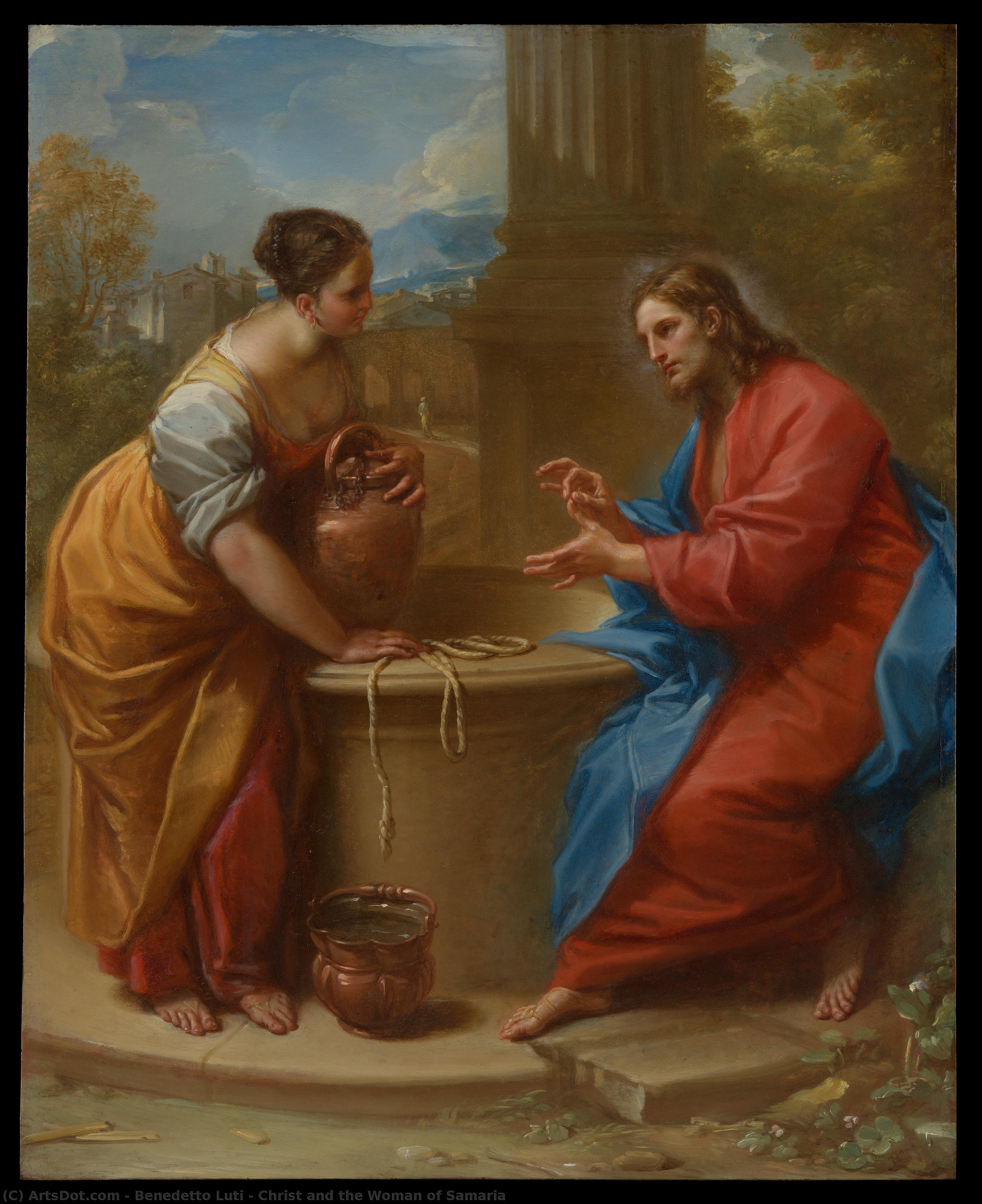
To gaze upon Benedetto Luti's "Christ and the Woman of Samaria" is to step directly into a moment suspended between sacred narrative and profound human connection. This captivating oil on copper, dating from 1715, transcends its function as mere religious depiction; it becomes an intimate portrait of dialogue, bridging cultural divides with the gentle authority of Christ's message. The scene unfolds outdoors, suggested by the visible architectural elements in the background, lending a believable depth to what is fundamentally a spiritual encounter. Luti masterfully captures the tension and eventual grace inherent in this biblical moment.
Mastery in Medium and Movement
Technically, the painting speaks volumes of Luti's skill as an artist operating at the height of Roman Baroque splendor. The choice of oil on copper was not incidental; it speaks to a desire for a surface that allowed for meticulous detail and enduring luminosity. Observe the interplay between the figures: Christ, holding his cup with quiet assurance, engages directly with the Samaritan woman. Her posture, while perhaps initially hesitant, suggests an openness to revelation. The objects within the composition—the vase she carries, the two distinct bowls placed near the center and to the right—are not mere props; they are anchors for the narrative, drawing the viewer's eye through the exchange of words and understanding.
Symbolism of Connection Across Divides
The subject matter itself is rich with symbolic weight. The interaction between Christ and a Samaritan woman was historically charged, representing an outreach that defied established religious boundaries. Luti emphasizes this universality; it is not just a conversation, but a moment where divine truth pierces through social prejudice. This painting invites contemplation on the nature of dialogue—the willingness to listen across differences. For the modern collector or decorator, this symbolism translates into a powerful statement piece for any space meant for reflection, suggesting that understanding can bloom even in unexpected places.
A Touch of Florentine Grace in Roman Splendor
While Luti’s career saw him flourish under the patronage of Rome, his roots remain firmly planted in Florence. This blend of regional heritage with grand Roman execution gives the piece a unique resonance. The high level of finish suggests it was intended not just for private devotion, but for display among esteemed patrons, perhaps even echoing the tastes of figures like Cardinal Pietro Ottoboni. Owning a reproduction of this work allows one to bring home a fragment of that sophisticated, deeply felt artistic history—a piece imbued with the weight of centuries of faith and artistry.
Srodna umetnička dela


Povezani članci

Giclée Prints: Archival Quality & Aesthetic Nuances for the Discerning Collector
Explore the world of giclée prints with ArtsDot. Learn about archival quality, aesthetic nuances & investment potential. Expert guidance for discerning art collectors seeking museum-quality reproductions and lasting value.

The Visceral Stage: Exploring Dramatic Narratives & Emotional Intensity in Baroque Art
Explore the dramatic world of Baroque art! Discover iconic masters like Caravaggio & Rembrandt, their techniques, and the movement's lasting impact. Expert insights for collectors & enthusiasts at ArtsDot.

The Dramatic Flourish: Exploring the Baroque Movement's Enduring Legacy in Art History
Explore the dramatic world of Baroque art! Discover iconic artists like Caravaggio & Rubens, defining techniques, and its lasting impact on art history. Expert insights for collectors & enthusiasts at ArtsDot.

The Enduring Legacy of Fine Art Prints: Technique, History & Aesthetic Impact
Explore the rich history & techniques of fine art prints. Discover investment potential, assess authenticity, and learn how to preserve your collection with expert guidance. Trusted insights for discerning collectors.

Barok Majstor dela: Top 10 Umjetničkih Remeka za Vaš Dom
Otkrijte 10 remek dela koja su definisala baroknu umetnost! Karavagio, Bernini i više – istražite priče iza ovih ikoničnih slika. Inspiracija za vaš dom? Pogledajte kolekciju na ArtsDot.com!

