

 Pregledaj u prostoru
 Pošalji
 Podeli
 Detalji o delu

 Преузми
 Slični predmeti
 Rendgenski snimak
 Slajdovi
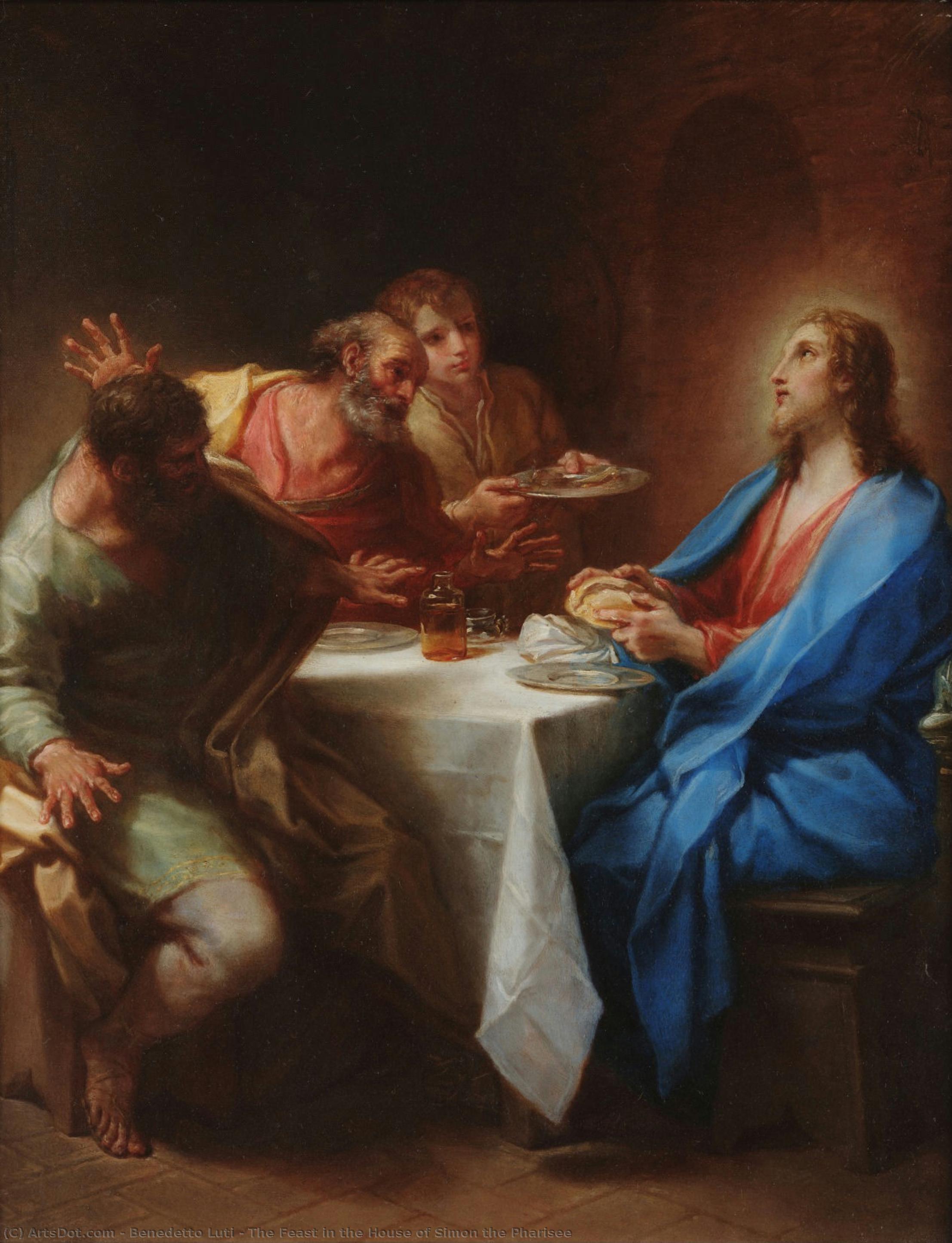
The Feast in the House of Simon the Pharisee


 Pročitaj više
Giclee štampa / Umetnički otisak
Giclée štampa ili print na platnu muzejskog kvaliteta uz brzu proizvodnju i fleksibilne opcije završne obrade. ( Kupi ručno naslikanu sliku Kupi digitalnu sliku)




P118B $10

P118H $10

P118W $10

P438Z $10

P508JH $12

P508YH $12

P805H $10

P805Z $10

P919BZ $10

P919G $10

P919XJ $10

P959ZH $10

P968JZ $12

W106C $8

W218G $10

W218JH $8

W218Y $10

W307PJ $10

W316G $10

W316PJ $8

W316Y $10

W398PJ $8

W4111J $10

W500HY $15

W500JH $15

W692G $12

W849H $8

W940BG $15

W953PJ $8




Izaberite jednu od naših unapred definisanih veličina koje odgovaraju originalnim proporcijama umetničkog dela.

Možete uneti sopstvene dimenzije kako biste umetničko delo prilagodili specifičnom okviru ili prostoru. Ako odabrani format ne odgovara proporcijama originalne slike, mi ćemo ili iscrtati deo dela ili proširiti sliku pomoću ogledane ivice ili jednobojnog popunjavanja. Digitalni prikaz će vam biti poslat na odobrenje pre početka proizvodnje.
Imajte na umu da pregled na ekranu ne odražava stvarno iscrtavanje ili proširivanje. Samo će prikaz (mockup) precizno pokazati finalnu kompoziciju.
Iako su prilagođene dimenzije dostupne, preporučujemo da odaberete dimenziju sa unapred definisane liste kako biste očuvali originalne proporcije.
Dostava širom sveta () za 2 nedelje umesto uobičajenih 4/5 nedelja. (28 август)

Besplatna ekspresna dostava širom sveta

Visokokvalitetno laneno platno

Kompletno osiguranje transporta

Garancija povraćaja carine i uvoznih dažbina

Garancija vernosti boja

Politika povrata u roku od 60 dana (samo u slučaju nedostataka)

Garancija povrata novca od 100%

Popust pri grupnoj kupovini
 Opcija sa staklom dostupna je samo za dimenzije manje od 110 cm

The Feast in the House of Simon the Pharisee
Giclee štampa / Umetnički otisak
Dimenzije reprodukcije
-


Konačna cena
$ 62
The Feast in the House of Simon the Pharisee: A Baroque Revelation
Benedetto Luti’s “The Feast in the House of Simon the Pharisee,” painted circa 1695, stands as a remarkable testament to the artistic fervor of Rome during its Baroque zenith. More than just a depiction of biblical narrative—the gathering of Jesus with Simon and his companions—it embodies the era's preoccupation with grandeur, dramatic illusionism, and profound spiritual contemplation.
Style and Composition: Drama Embodied
Luti’s masterful command of composition immediately draws the viewer into a scene brimming with palpable energy. The central table dominates the canvas, illuminated by an unseen source that casts long shadows across the room, creating a theatrical depth that transcends mere representation. Figures are arranged in carefully considered poses—Jesus at the apex of calm authority, Simon and his guest engaged in animated discussion—each contributing to the overall sense of movement and dynamism characteristic of Baroque art.
Technique: Pastel’s Delicate Brilliance
What distinguishes Luti's work from its contemporaries is his audacious embrace of pastel – a technique previously considered marginal, relegated primarily to decorative embellishments. Unlike oil paint, which builds up layers gradually, pastel involves applying pigment directly onto prepared paper, resulting in astonishing luminosity and tonal subtlety. This method allowed Luti to achieve unparalleled levels of nuance—capturing the soft glow of candlelight, the delicate textures of fabrics, and the subtle expressions on his subjects’ faces with breathtaking precision.
Historical Context: The Papal Patronage of Baroque Art
Rome under Pope Innocent XII witnessed an explosion of artistic creativity fueled by papal patronage. Artists like Luti were commissioned to adorn churches and palaces with monumental frescoes and opulent sculptures, reflecting the Church's desire to reaffirm its spiritual authority amidst the turbulent political landscape of Europe. “The Feast” exemplifies this ambition—a deliberate effort to inspire piety and convey a sense of divine presence.
Symbolism: Light, Gesture, and Spiritual Resonance
Beyond its visual splendor, the painting resonates with layers of symbolic meaning. The prominent placement of Jesus symbolizes divine grace and compassion, while Simon’s gestures communicate earnest engagement—a plea for understanding and acceptance. Furthermore, the abundance of wine glasses represents communion and fellowship, underscoring the importance of human connection within a spiritual framework. Luti skillfully utilizes these elements to elevate the scene beyond mere storytelling into a profound meditation on faith.
Emotional Impact: A Window Into Baroque Soul
"The Feast in the House of Simon the Pharisee" transcends its formal conventions to evoke a powerful emotional response. The viewer is transported back to 17th-century Rome, enveloped by the atmosphere of opulent celebration and spiritual fervor. Luti’s pastel technique captures not only visual detail but also the intangible essence of Baroque soul—a yearning for transcendence, an appreciation for beauty, and an unwavering belief in the transformative power of art.
- Artist: Benedetto Luti
- Year Painted: Circa 1695
- Medium: Pastel on Paper
- Location: Museo Nazionale Romano, Palazzo Massimo
A stunning reproduction of this masterpiece offers an exceptional opportunity to experience the brilliance of Baroque art firsthand.
Srodna umetnička dela

Povezani članci

The Dramatic Flourish: Exploring the Baroque Movement's Enduring Legacy in Art History
Explore the dramatic world of Baroque art! Discover iconic artists like Caravaggio & Rubens, defining techniques, and its lasting impact on art history. Expert insights for collectors & enthusiasts at ArtsDot.

The Visceral Stage: Exploring Dramatic Narratives & Emotional Intensity in Baroque Art
Explore the dramatic world of Baroque art! Discover iconic masters like Caravaggio & Rembrandt, their techniques, and the movement's lasting impact. Expert insights for collectors & enthusiasts at ArtsDot.

Barok Majstor dela: Top 10 Umjetničkih Remeka za Vaš Dom
Otkrijte 10 remek dela koja su definisala baroknu umetnost! Karavagio, Bernini i više – istražite priče iza ovih ikoničnih slika. Inspiracija za vaš dom? Pogledajte kolekciju na ArtsDot.com!

Барокна драма: Уношење величине и емоција у савремене ентеријере
Откријте барокну драму и унесите величину у ваш ентеријер! ArtsDot нуди ручно насликане репродукције, персонализоване портрете и стручне консултације за љубитеље класичне уметности. Потражите савршено дело већ данас!
Simon Vouet: A Baroque Master's Journey from Italian Influence to French Classicism
Explore the life & art of Simon Vouet, a pivotal French Baroque painter who introduced Italian styles to France. Discover his masterpieces and lasting influence on 17th-century art.

