

 Pregledaj u prostoru
 Pošalji
 Podeli
 Detalji o delu

 Преузми
 Slični predmeti
 Rendgenski snimak
 Slajdovi
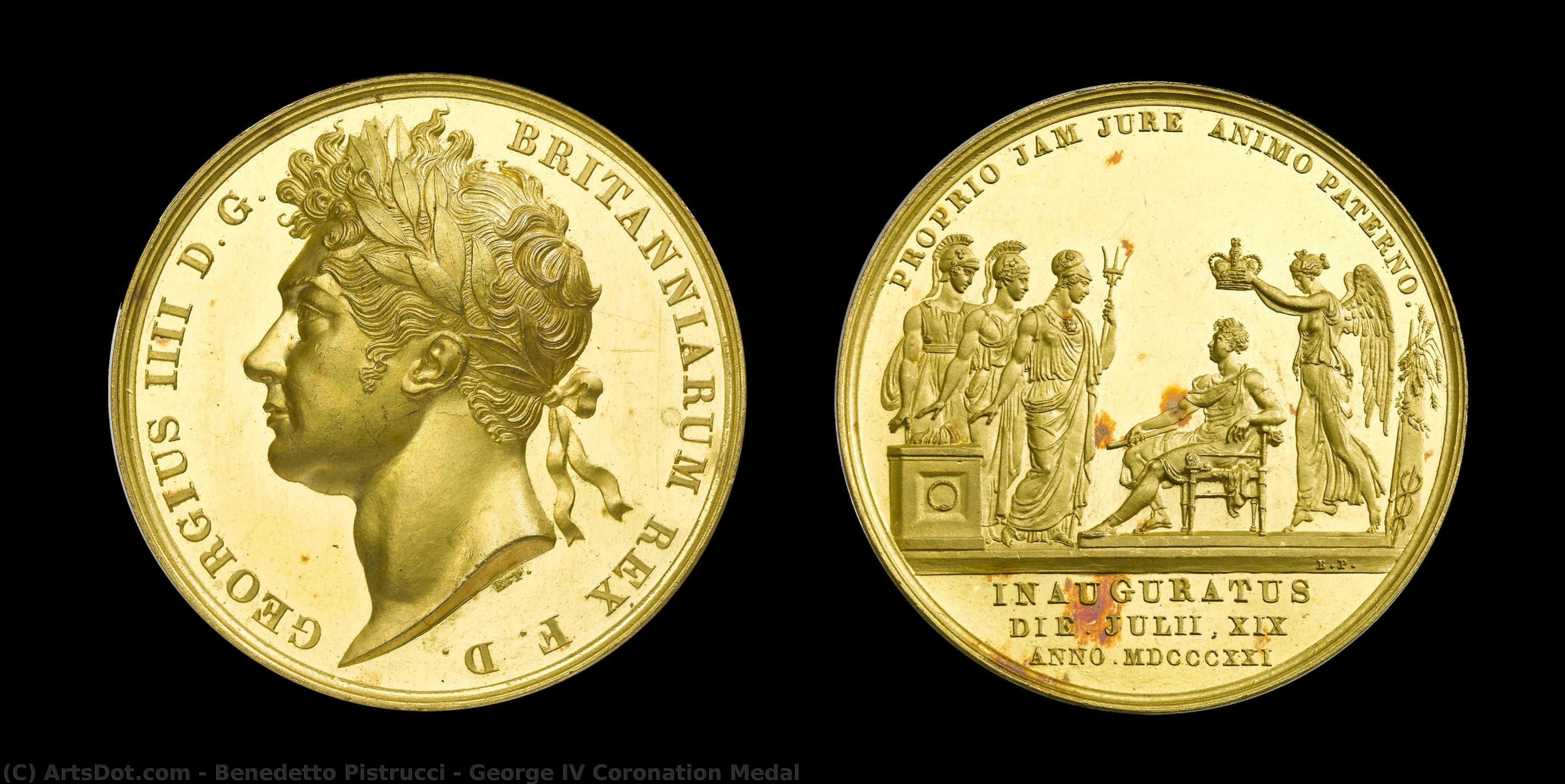
George IV Coronation Medal


 Pročitaj više
Ručno rađena uljana reprodukcija
Ručno oslikano uljanim bojama na platnu u dimenzijama i okviru po vašem izboru, izrađeno po porudžbini od strane naših umetnika. ( Kupi print Kupi digitalnu sliku)




































Izaberite jednu od naših unapred definisanih veličina koje odgovaraju originalnim proporcijama umetničkog dela.

Можете унети сопствене димензије како бисте прилагодили дело одређеном оквиру или простору. Ако одабрана величина не одговара пропорцијама оригинала, слика ће бити исечена или проширена додатним елементима који се ручно насликавају. Дигитални prikaz ће вам бити послат на одобрење пре почетка производње.
Имајте на уму да преглед на екрану не одражава стварно исецање или проширење. Само приказ (mockup) ће тачно приказати коначну композицију.
Иако су доступне прилагођене величине, препоручујемо да одаберете димензију из дефинисане листе како бисте сачували оригиналне пропорције.
Nakon narudžbine, tim ArtsDot.com će klijentu putem e-pošte poslati uputstva i dostaviti prikaz predloženog rešenja
Isporuka širom sveta () za 3/4 nedelje umesto uobičajenih 5 nedelja. (25 август). Bez kompromisa po pitanju kvaliteta.

Besplatna ekspresna dostava širom sveta

Visokokvalitetno laneno platno

Kompletno osiguranje transporta

Garancija povraćaja carine i uvoznih dažbina

Garancija vernosti boja

Politika povrata u roku od 60 dana (samo u slučaju nedostataka)

Garancija povrata novca od 100%

Popust pri grupnoj kupovini
 Opcija sa staklom dostupna je samo za dimenzije manje od 110 cm

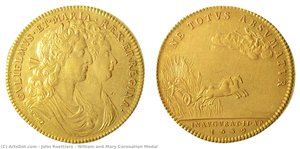
George IV Coronation Medal
Tehnika reprodukcije
Dimenzije reprodukcije
-


Konačna cena
$ 263
Srodna umetnička dela

Biografija umetnika
Benedetto Pistrucci: Sculptor of Majesty and Emblematic Coinage
Benedetto Pistrucci (May 29, 1783 – September 16, 1855) stands as a singular figure in nineteenth-century British artistic history—a sculptor whose reputation soared alongside the creation of one of Britain’s most iconic coins: the Saint George Sovereign. Born in Rome to an aristocratic family steeped in artistic tradition, Pistrucci embarked on his artistic journey early, studying briefly with prominent sculptors before establishing himself as a freelance engraver at just fifteen years old. This youthful independence foreshadowed a career marked by both prodigious talent and persistent frustration, shaping him into a craftsman who refused to emulate others and whose ambition ultimately collided with bureaucratic obstacles. His formative years instilled in Pistrucci a meticulous attention to detail and an unwavering commitment to artistic integrity—qualities that would define his distinctive style. Unlike many of his contemporaries, Pistrucci vehemently opposed copying the work of established artists, prioritizing originality above all else. This stance cemented his reputation as a visionary innovator within the neoclassical movement, favoring expressive realism over mere imitation. He honed his skills in cameo carving, producing breathtakingly lifelike sculptures from marble and alabaster—pieces that captured the grandeur of historical figures and mythological subjects with unparalleled accuracy. Commissions from royalty, including King George IV, propelled Pistrucci to international acclaim, securing him a place among Britain’s most celebrated sculptors of the era. Pistrucci's involvement with the Royal Mint proved particularly significant. Initially tasked by William Wellesley-Pole, Master of the Mint, to design new coinage—specifically the Saint George Sovereign—he quickly became instrumental in establishing the coin’s aesthetic standards. The sovereign, featuring a depiction of Saint George slaying the dragon, embodies Pistrucci's artistic vision: a monumental sculpture rendered in miniature, reflecting both classical ideals and Victorian sensibilities. However, the Mint’s decision to deny Pistrucci the position of Chief Engraver due to his lack of British citizenship represents a poignant anecdote—a testament to the limitations imposed upon artists by national boundaries. Despite this setback, Pistrucci continued his work at the Mint for decades, culminating in the creation of the Waterloo Medal in 1849 – a colossal undertaking that demanded extraordinary technical skill and artistic dedication. Sadly, its immense size precluded its successful striking, leaving Pistrucci’s magnum opus unfulfilled.- Notable Achievements: Pistrucci's contributions to British coinage are undeniable, particularly the Saint George Sovereign and Waterloo Medal. His cameo sculptures garnered considerable recognition during his lifetime.
- Influences: Classical sculpture served as a cornerstone of Pistrucci’s artistic training and profoundly impacted his stylistic choices.
The Saint George Sovereign: A Triumph of Miniature Sculpture
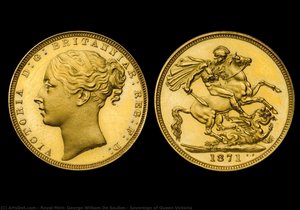
The Saint George Sovereign stands as Pistrucci's most enduring legacy—a coin that transcends mere monetary value to become a symbol of British patriotism and artistic excellence. Wellesley-Pole recognized Pistrucci’s exceptional talent immediately, commissioning him to oversee the design process for this ambitious project. Pistrucci skillfully adapted classical sculptural techniques to the constraints of coinage production, achieving remarkable detail and conveying profound emotion within a remarkably small format. The depiction of Saint George slaying the dragon—a motif drawn from medieval legend—became emblematic of Christian virtue and courage—values deeply cherished by Victorian society.Exploring Pistrucci’s Artistic Legacy
Further exploration into Pistrucci's oeuvre reveals a prolific sculptor whose works spanned diverse subjects, reflecting his intellectual curiosity and artistic versatility. His sculptures celebrated historical figures like George IV and Napoleon Bonaparte, capturing their likenesses with meticulous realism—a hallmark of neoclassical art. Moreover, Pistrucci’s dedication to craftsmanship extended beyond sculpture; he was also a skilled medallist, producing commemorative medals that honored significant events and individuals.A Biographical Sketch
Benedetto Pistrucci's life was marked by both artistic triumph and personal disappointment. Despite his unwavering commitment to originality and his considerable talent, bureaucratic hurdles—such as the refusal to grant him the Chief Engraver position—occasionally impeded his career advancement. Nevertheless, Pistrucci’s enduring contribution to British art—particularly his role in shaping the Saint George Sovereign and Waterloo Medal—solidifies his place among the most influential sculptors of the Victorian era.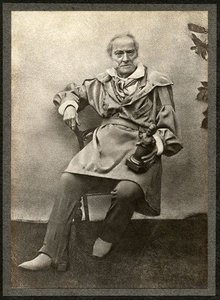
Benedetto Pistrucci
1783 - 1855 , Italy
Osnovne informacije
- Artistic Movement Or Style: Cameo Carving
- Artists Or Movements Influenced By This Artist: ['']
- Artists Who Influenced This Artist: ['']
- Date Of Birth: May 29, 1783
- Date Of Death: September 16, 1855
- Full Name: Benedetto Pistrucci
- Nationality: Italian
- Notable Artworks: ['Saint George & Waterloo Medal']
- Place Of Birth: Rome, Italy

