

 Pregledaj u prostoru
 Pošalji
 Podeli
 Detalji o delu

 Преузми
 Slični predmeti
 Rendgenski snimak
 Slajdovi
 Stats
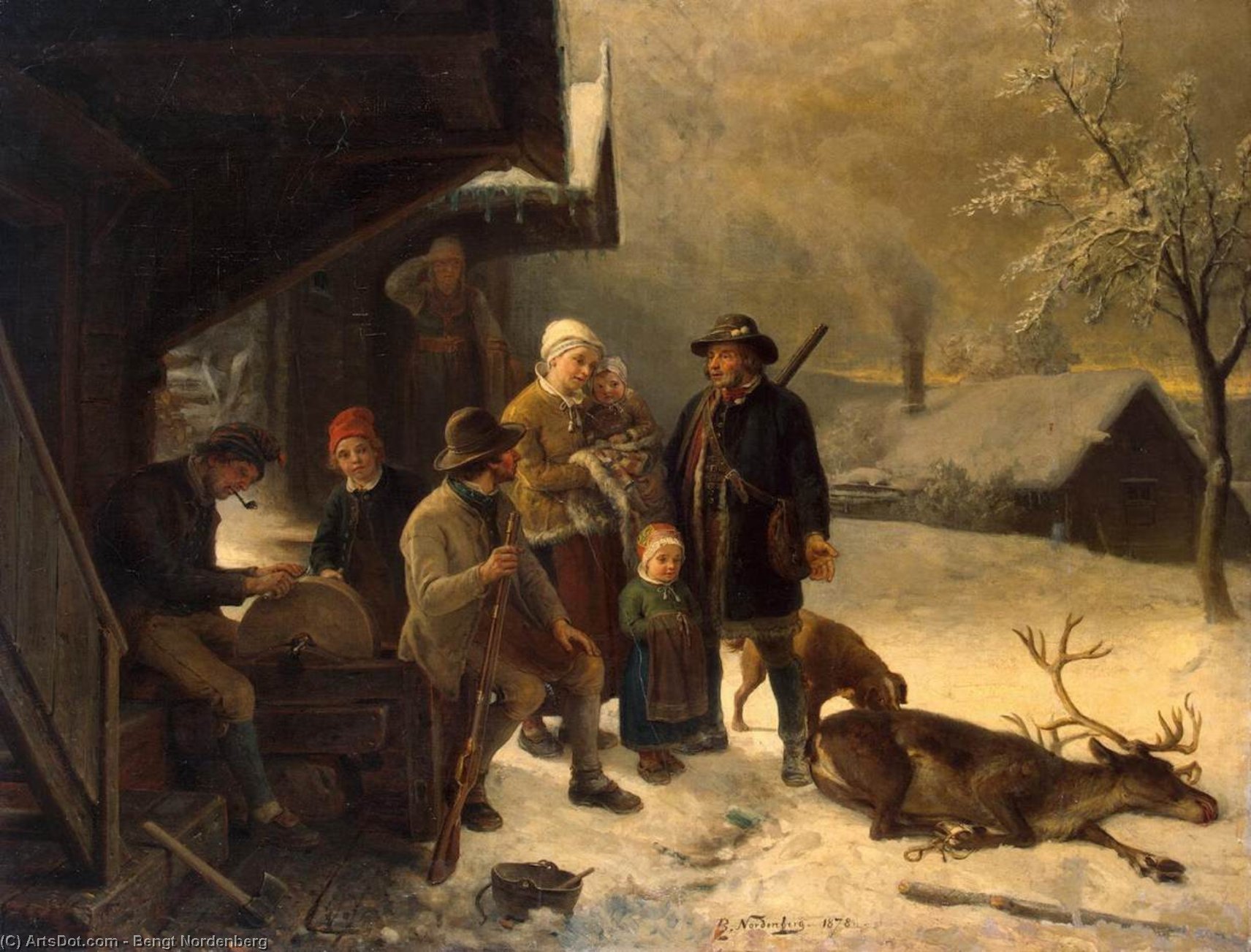
StatsDead Stag
 Oil On Canvas
- WallArt
- Realism
 1878
1878- 19th Century
 106.0 x 80.0 cm
 Hermitage Museum
 Pročitaj više
Kupite digitalnu sliku visoke rezolucije i poboljšanog kvaliteta, koja je znatno superiornija od onoga što vidite u online prikazu.
Svaka datoteka je pedantno pripremljena od strane naših stručnjaka koristeći napredne alate i profesionalnu ručnu retušu. Osiguravamo da svaka slika ima izuzetnu oštrinu, preciznu reprodukciju boja i fine detalje.
Konačna datoteka se dostavlja putem e-pošte u roku od 72 sata, optimizovana za neposrednu upotrebu u profesionalnim, izdavačkim i štamparskim okruženjima. To je isti kvalitet kojem veruju vrhunski studiji dizajna, izdavači i galerije.
Digitalna slika
Preuzmite datoteku visoke rezolucije za ličnu upotrebu, štampanje i kreativne projekte. ( Switch to Print Kupi ručno naslikanu sliku)
Uključeno uz svaku porudžbinu digitalne slike
Profesionalna digitalna isporuka, zagarantovana
Kada odaberete ArtsDot.com, ne dobijate samo sliku – vi primate profesionalno unapređeno digitalno umetničko delo, izrađeno sa najvećom preciznošću i uz garanciju zadovoljstva. Evo svega što automatski dolazi uz vašu porudžbinu:

Brza dostava putem e-pošte
Vaša digitalna slika visoke rezolucije biće vam poslata putem e-pošte u roku od 72 sata od poručivanja – spremna za trenutnu upotrebu.

Digitalna datoteka unapređena veštačkom inteligencijom
Vaše umetničko delo je profesionalno optimizovano korišćenjem naprednih AI alata i ručne obrade, čime se osiguravaju maksimalni detalji, oštrina i preciznost boja.

Besplatna ponovna isporuka doživotno
Slučajno ste obrisali ili izgubili svoju datoteku? Ne brinite – poslaćemo vam je ponovo u bilo kom trenutku, potpuno besplatno.

Bez troškova uvoza – zauvek
Uživajte u svojim umetničkim delima trenutno, bez carine, dažbina ili troškova dostave – digitalni download je uvek bez poreza.

Garancija vernosti boja
Uz pomoć profesionalnih alata i upravljanja bojama, osiguravamo da vaša digitalna slika što vernije odražava originalne boje.

Garancija zadovoljstva od 100 dana
Ako niste zadovoljni svojom digitalnom slikom, izvršićemo reviziju ili ćemo vam vratiti 100% novca u roku od 100 dana – bez ikakvih pitanja.

100% garancija povrata novca
Niste zadovoljni? Dobijte puni povraćaj novca u roku od 100 dana od prijema digitalne datoteke – bez suvišnih pitanja.

Popusti na velike porudžbine
Kupite 3 slike, uštedite 10% - Kupite 5 slika, uštedite 15% - Kupite 10+ slika, uštedite 20%. Odlično za kreativne projekte, galerije i agencije.
A Symphony of Rural Resilience
In the quiet, frost-bitten stillness of a nineteenth-century winter, Bengt Nordenberg captures a moment that transcends mere hunting lore. Dead Stag, completed in 1878, is far more than a genre painting; it is a profound meditation on the cyclical nature of existence. As viewers approach this monumental oil on canvas, they are immediately enveloped by the biting chill of the Swedish landscape and the heavy, communal atmosphere of a successful hunt. The scene, housed within the prestigious Hermitage Museum, presents a hunting party gathered around a fallen deer, yet there is a palpable sense of reverence that softens the violence of the kill. Nordenberg masterfully weaves together the triumph of the hunters with a somber acknowledgment of mortality, creating an emotional resonance that speaks to the universal human experience of loss and celebration.
The composition is a masterclass in classical arrangement, utilizing a dynamic triangular structure to guide the eye through the snowy tableau. At the heart of this movement lies the stag, its lifeless form serving as the anchor for the surrounding figures. Nordenberg employs the Düsseldorf School's signature commitment to realism, yet he infuses it with a Romantic soul. The artist’s technique is particularly striking; through the use of thick impasto brushstrokes, he imparts a physical texture to the snow and the heavy winter garments, making the cold feel almost tactile. This ruggedness is balanced by delicate layers of glazing, which allow light to permeate the canvas, capturing the ethereal, translucent quality of a winter afternoon where the sun struggles against the encroaching shadows.
Symbolism and the Art of the Everyday
Beyond its technical brilliance, Dead Stag serves as a rich tapestry of symbolic meaning. The stag itself is a potent emblem—representing nobility, strength, and the untamed spirit of the wilderness—now rendered silent and still. This juxtaposition between the animal's former grandeur and its current state underscores the inescapable reality of death. However, Nordenberg prevents the scene from descending into pure tragedy by surrounding the carcass with a community of figures. The presence of families and hunters suggests a shared ritual, where the bounty of the hunt sustains the collective life of the village. In this way, the painting celebrates resilience; even in the dead of winter, life persists through tradition and communal bond.
For the discerning collector or interior designer, this piece offers an unparalleled opportunity to introduce a sense of historical depth and narrative gravity into a space. The color palette—a sophisticated blend of earthy browns, deep forest greens, and cool, atmospheric blues—provides a grounding element that complements both classical and contemporary decor. Whether placed in a study filled with leather-bound books or as a focal point in a grand hall, the painting invites contemplation. It is not merely an object of beauty, but a window into a bygone era, offering a timeless connection to the raw, unyielding beauty of the natural world and the enduring strength of the human spirit.
Srodna umetnička dela



Biografija umetnika
Bengt Nordenberg: A Life in Swedish Genre Painting
Early Life and Education
Bengt Nordenberg was born on April 22, 1822, in Jämshöga, a small village in southern Sweden. He experienced a childhood marked by poverty, which undoubtedly shaped his later artistic focus on everyday life. He began his artistic journey as an apprentice to a painter in Sölvesborg, gaining foundational skills before pursuing formal training.
In 1843, Nordenberg moved to Stockholm to study at the prestigious Royal Swedish Academy of Arts. This marked a crucial step in his development, providing him with access to academic instruction and exposure to contemporary artistic trends.
Düsseldorf Period and Influences
A pivotal moment in Nordenberg’s career came in 1851 when he traveled to Düsseldorf, Germany. This city was a major center for the Düsseldorf School of Painting, known for its realistic depictions of genre scenes and landscapes.
- He initially studied under Theodor Hildebrandt, but later came under the significant influence of Adolph Tidemand.
- Tidemand’s emphasis on portraying Norwegian rural life resonated deeply with Nordenberg, shaping both his style and subject matter.
- For a period, Nordenberg even worked as an assistant to Tidemand, creating reproductions of his paintings – a valuable learning experience.
Artistic Development and Themes
Nordenberg’s artistic development was characterized by a commitment to realism and a deep interest in portraying the lives of ordinary people. While initially influenced by Tidemand, he gradually developed his own distinct style.
- His early works focused on scenes from Dalarna, Skåne, and Blekinge – regions of Sweden known for their unique cultural traditions and picturesque landscapes.
- He skillfully captured the essence of rural life, depicting everyday activities, customs, and social interactions with sensitivity and detail.
- Later in his career, Nordenberg also painted portraits of middle-class and upper-class individuals, as well as religious paintings and altarpieces, demonstrating his versatility.
Travels and Later Life
In 1856, Nordenberg received a travel grant from the Swedish state, allowing him to broaden his artistic horizons.
- He studied with Thomas Couture in Paris for a year and a half.
- He made brief returns to Düsseldorf before settling there permanently in 1858.
Düsseldorf became his home for the rest of his life, where he continued to paint and exhibit his work until his death in 1902.
Major Achievements and Historical Significance
Although not as widely recognized today as some of his contemporaries, Bengt Nordenberg was a significant figure in Swedish art during the 19th century.
- His genre paintings provide valuable insights into the social and cultural life of Sweden during this period.
- He successfully blended elements of realism with romantic sensibilities, creating works that are both visually appealing and historically informative.
- Notable works include Rowing to the Church, Dalarna (1854), The Veterans (1882), and Leaving Home (1876).
Nordenberg’s legacy lies in his ability to capture the spirit of Swedish life with authenticity and artistic skill, making him a notable representative of the Düsseldorf School and a valuable contributor to Swedish art history.
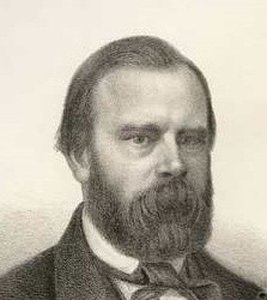
Bengt Nordenberg
1822 - 1902 , Sweden
Kratke činjenice
- Birth Date: April 22, 1822
- Birth Place: Jämshöga, Sweden
- Death Date: 1902
- Influenced By: Adolph Tidemand, Theodor Hildebrandt
- Movement: Düsseldorf School of Painting
- Name: Bengt Nordenberg
- Nationality: Swedish
- Notable Works:
- Rowing to the church, Dalarna
- The veterans
- A torn goatsheppard family with goats
- Winter travel
- Portrait of Pehr Hörberg
- Leaving home