

 Pošalji
 Podeli
 Detalji o delu

 Преузми
 Slični predmeti
 Slajdovi
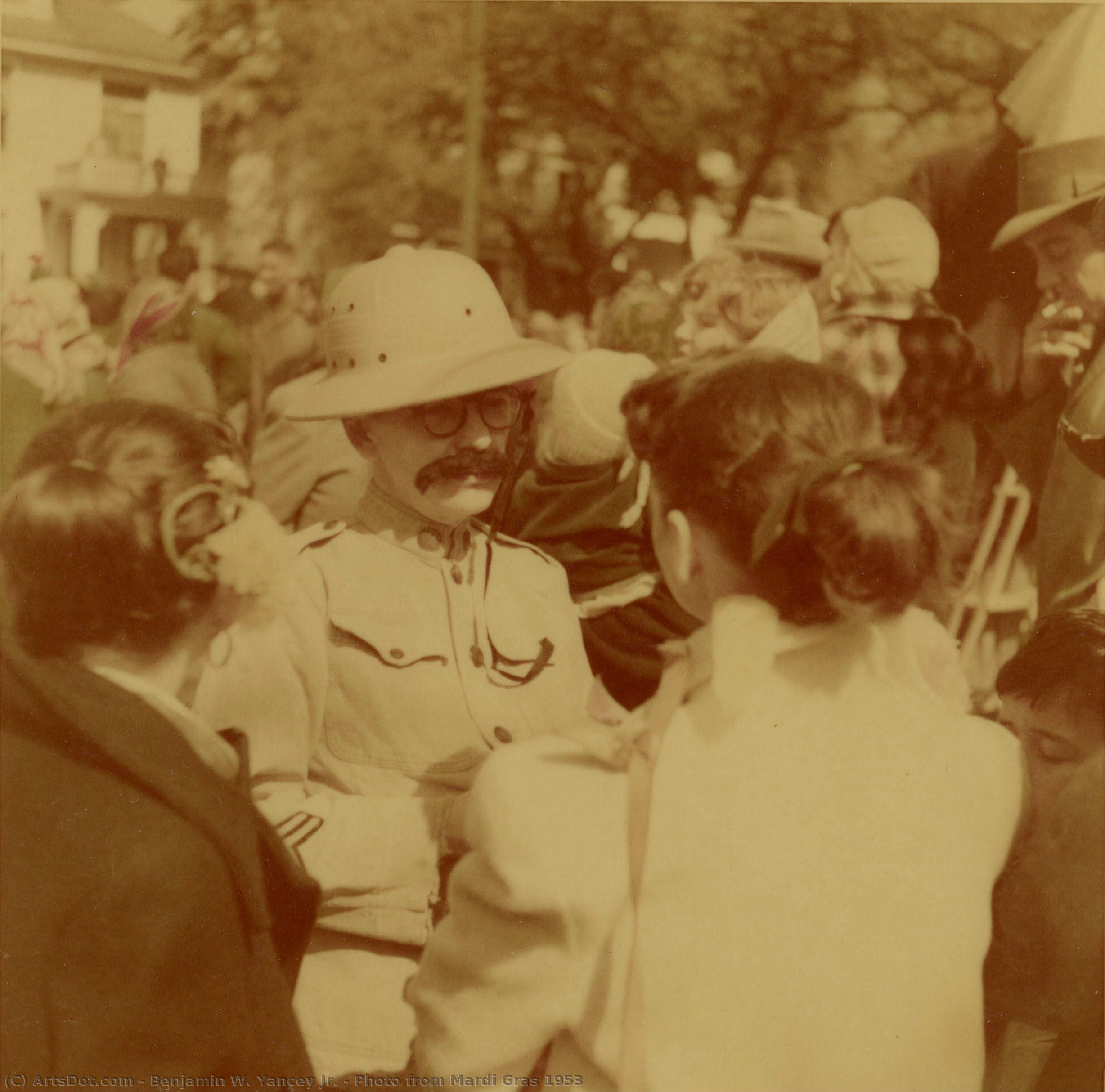
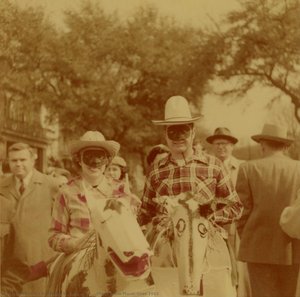
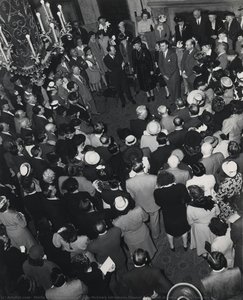
Photo from Mardi Gras 1953


 Pročitaj više
Giclee štampa / Umetnički otisak
Giclée štampa ili print na platnu muzejskog kvaliteta uz brzu proizvodnju i fleksibilne opcije završne obrade. ( Kupi ručno naslikanu sliku Kupi digitalnu sliku)




































Izaberite jednu od naših unapred definisanih veličina koje odgovaraju originalnim proporcijama umetničkog dela.

Možete uneti sopstvene dimenzije kako biste umetničko delo prilagodili specifičnom okviru ili prostoru. Ako odabrani format ne odgovara proporcijama originalne slike, mi ćemo ili iscrtati deo dela ili proširiti sliku pomoću ogledane ivice ili jednobojnog popunjavanja. Digitalni prikaz će vam biti poslat na odobrenje pre početka proizvodnje.
Imajte na umu da pregled na ekranu ne odražava stvarno iscrtavanje ili proširivanje. Samo će prikaz (mockup) precizno pokazati finalnu kompoziciju.
Iako su prilagođene dimenzije dostupne, preporučujemo da odaberete dimenziju sa unapred definisane liste kako biste očuvali originalne proporcije.
Dostava širom sveta () za 2 nedelje umesto uobičajenih 4/5 nedelja. (23 август)

Besplatna ekspresna dostava širom sveta

Visokokvalitetno laneno platno

Kompletno osiguranje transporta

Garancija povraćaja carine i uvoznih dažbina

Garancija vernosti boja

Politika povrata u roku od 60 dana (samo u slučaju nedostataka)

Garancija povrata novca od 100%

Popust pri grupnoj kupovini
 Opcija sa staklom dostupna je samo za dimenzije manje od 110 cm

Photo from Mardi Gras 1953
Giclee štampa / Umetnički otisak
Dimenzije reprodukcije
-


Konačna cena
$ 62
Opis predmeta
A Glimpse into Carnival's Electric Heart
To stand before this photograph from Mardi Gras in 1953 is to be instantly transported across the decades, pulled by the sheer kinetic energy captured within the frame. It is more than just a record of an event; it is a vibrant tableau vivant, a frozen moment of communal ecstasy under the festive glow of New Orleans. The black and white medium lends an immediate patina of nostalgia, softening the edges of time while simultaneously intensifying the drama unfolding among the revelers. One can almost hear the distant strains of brass bands and feel the humid press of the crowd against the skin.
The Subject Matter: Life in Celebration
At the heart of this composition stands a gentleman, distinguished by his hat and spectacles, who seems to command the attention of those around him. He is not merely observing; he is participating in the grand theater of Mardi Gras. The surrounding crowd—a tapestry of faces, gestures, and shared experience—forms an organic counterpoint to the central figure. Notice how the composition guides the eye: from the immediate foreground figures interacting closely with the main subject, sweeping back through the density of the onlookers, and finally resting on the solitary chair placed thoughtfully to the right. This arrangement suggests a narrative pause within a continuous flow of celebration, allowing us, the viewers, a privileged moment of observation.
Historical Resonance and Atmosphere
The year 1953 places this image squarely in a post-war America, yet one deeply rooted in the enduring, almost mythical traditions of New Orleans. Mardi Gras itself is a potent cultural force—a period where social strata momentarily dissolve into shared revelry. The photograph captures that unique liminal space: a place where history, tradition, and spontaneous joy collide. For collectors and designers alike, this piece offers an unparalleled connection to American cultural history, evoking the spirit of gathering, spectacle, and unbridled festivity.
Technique and Emotional Echoes
While presented as a photograph, its reproduction allows us to appreciate the masterful interplay of light and shadow inherent in documentary photography. The contrast achieved in the black and white rendering is crucial; it sculpts the faces and folds of clothing, lending a timeless gravitas to the fleeting moment. Emotionally, the piece resonates with themes of community and ephemeral joy. It speaks to the human need for ritual, for gathering under the banner of celebration. Owning this reproduction is not just acquiring art; it is curating a memory—a sophisticated echo of laughter echoing down centuries of Carnival tradition.
Srodna umetnička dela
Biografija umetnika
Benjamin W. Yancey Jr.: A Life of Politics, War, and Photography
Early Life and Education
- Born: April 27, 1817, in New Orleans, United States of America.
- Yancey Jr. came from a prominent Southern family; his father was Benjamin Cudworth Yancey Sr., and he was the brother of William Lowndes Yancey, a leading “Fire-Eater” advocating for secession.
- He received a formal education at Franklin College (now part of the University of Georgia), graduating in 1836 with a Bachelor of Arts degree.
- Yancey Jr. continued his studies at Harvard Law School, earning a Bachelor of Laws degree.
Political and Legal Career
- He began his legal career in Edgefield, South Carolina, practicing law from 1846 to 1849.
- Yancey Jr. served as a U.S. Representative for South Carolina from 1849 to 1851, aligning with the Democratic Party.
- Strong Secessionist Views: He became a vocal supporter of slavery and states' rights, advocating for secession in the years leading up to the Civil War.
- He served as a Confederate States Senator from 1862 to 1865 during the American Civil War.
Military Service During the Civil War
- During the Civil War, Yancey Jr. actively participated in the Confederate cause.
- He initially served as a major in Cobb's Legion before being transferred to Georgia with the rank of Colonel, where he commanded state troops.
Transition to Photography
- A Shift in Focus: After the Civil War, Yancey Jr. turned his attention to photography, documenting life in New Orleans and beyond.
- He became known for capturing vibrant scenes of Mardi Gras celebrations, providing a valuable visual record of this cultural tradition.
- His photographs also depicted mid-century American life, offering glimpses into the social and political landscape of the time. Notable subjects included parades and everyday street scenes.
Artistic Style and Themes
- Documentary Approach: Yancey Jr.’s photography is characterized by a documentary style, aiming to realistically portray his subjects without significant artistic manipulation.
- Cultural Preservation: His Mardi Gras photographs are particularly valuable for their preservation of cultural traditions and social customs.
- His work provides insights into the post-war South and the changing dynamics of American society.
Legacy and Historical Significance
- Benjamin W. Yancey Jr.’s life reflects the complexities of 19th-century America, encompassing politics, war, and cultural documentation.
- His photographs offer a unique perspective on New Orleans’ Mardi Gras celebrations and provide valuable historical records of mid-20th century American life.
- A Multifaceted Figure: He remains a notable figure in both Southern history and the development of documentary photography.
- His work can be explored through online platforms like ArtsDot.com and historical archives, ensuring his legacy endures for future generations.
Death
- Yancey Jr. passed away on October 24, 1891.
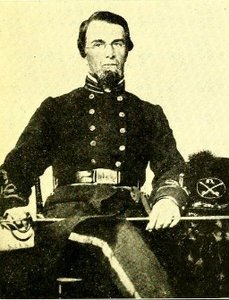
benjamin w. yancey jr.
1817 - 1891 , United States of America
Osnovne informacije
- Birth Date: April 27, 1817
- Birth Place: New Orleans, United States of America
- Death Date: October 24, 1891
- Movement: Photography
- Name: Benjamin W. Yancey Jr.
- Nationality: American
- Notable Works:
- Photo from Mardi Gras 1953
- Eisenhower parade, horse and rider, Decatur St.
Povezani članci

Dark Masterpieces: 10 Iconic Paintings Dominated by Black Tones |
Explore 10 iconic paintings dominated by black tones, from Rembrandt’s chiaroscuro to Goya's dark expressions. Discover the stories behind these masterpieces & find museum-quality art reproductions for your home at .
Mars Black Masterpieces: 10 Iconic Paintings & Timeless Art Decor Ideas
Delve into the power of 'Mars Black' with 10 iconic paintings by masters like Rembrandt & Caravaggio. Explore dramatic chiaroscuro, gothic art, and timeless beauty. Find museum-quality reproductions & elevate your home decor on .
Beyond Graffiti: Exploring the Evolution & Cultural Impact of Street Art for Collectors
Explore the evolution of street art from rebellious origins to a respected fine art form. Discover key artists like Banksy & learn how to collect urban art with confidence. Expert insights for discerning investors.
Lamp Black & Masterpieces: 10 Paintings That Define Shadow & Light |
Delve into the captivating world of 'Lamp Black' tones with 10 iconic paintings by masters like Rembrandt & Caravaggio. Explore Baroque chiaroscuro, dramatic lighting & shadow in art history. Find museum-quality reproductions at
Iza Zida Galerija: Uspon Savremene Ulične Umjetnosti i Njezina Utjecaj na Kolekcionare
Otkrijte uspon savremene ulične umetnosti i njen uticaj na kolekcionare! Istražite galeriju Iza Zida, Beogradsku scenu grafita i savete za uspešno investiranje. Ekskluzivni uvid u tržište i budućnost ove dinamične forme umetnosti.

