 Pregledaj u prostoru
 Pošalji
 Podeli
 Detalji o delu

 Преузми
 Slični predmeti
 Rendgenski snimak
 Slajdovi
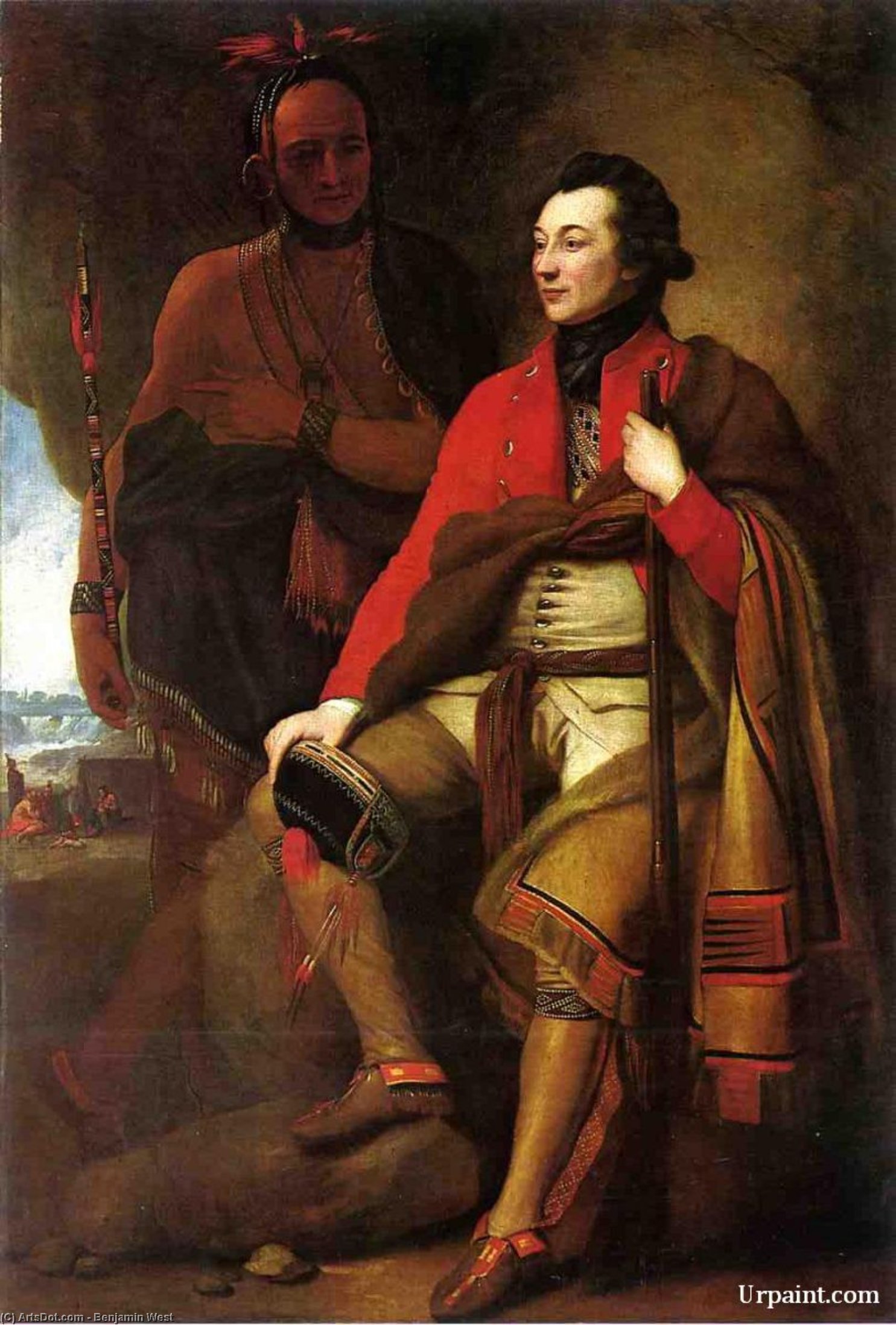
Portrait of Colonel Guy Johnson and Karonghyontye


 Pročitaj više
Ručno rađena uljana reprodukcija
Ručno oslikano uljanim bojama na platnu u dimenzijama i okviru po vašem izboru, izrađeno po porudžbini od strane naših umetnika. ( Kupi print Kupi digitalnu sliku)




P118B $10

P118H $10

P118W $10

P438Z $10

P508JH $12

P508YH $12

P805H $10

P805Z $10

P919BZ $10

P919G $10

P919XJ $10

P959ZH $10

P968JZ $12

W106C $8

W218G $10

W218JH $8

W218Y $10

W307PJ $10

W316G $10

W316PJ $8

W316Y $10

W398PJ $8

W4111J $10

W500HY $15

W500JH $15

W692G $12

W849H $8

W940BG $15

W953PJ $8




Izaberite jednu od naših unapred definisanih veličina koje odgovaraju originalnim proporcijama umetničkog dela.

Можете унети сопствене димензије како бисте прилагодили дело одређеном оквиру или простору. Ако одабрана величина не одговара пропорцијама оригинала, слика ће бити исечена или проширена додатним елементима који се ручно насликавају. Дигитални prikaz ће вам бити послат на одобрење пре почетка производње.
Имајте на уму да преглед на екрану не одражава стварно исецање или проширење. Само приказ (mockup) ће тачно приказати коначну композицију.
Иако су доступне прилагођене величине, препоручујемо да одаберете димензију из дефинисане листе како бисте сачували оригиналне пропорције.
Nakon narudžbine, tim ArtsDot.com će klijentu putem e-pošte poslati uputstva i dostaviti prikaz predloženog rešenja
Isporuka širom sveta () za 3/4 nedelje umesto uobičajenih 5 nedelja. (23 август). Bez kompromisa po pitanju kvaliteta.

Besplatna ekspresna dostava širom sveta

Visokokvalitetno laneno platno

Kompletno osiguranje transporta

Garancija povraćaja carine i uvoznih dažbina

Garancija vernosti boja

Politika povrata u roku od 60 dana (samo u slučaju nedostataka)

Garancija povrata novca od 100%

Popust pri grupnoj kupovini
 Opcija sa staklom dostupna je samo za dimenzije manje od 110 cm

Portrait of Colonel Guy Johnson and Karonghyontye
Tehnika reprodukcije
Dimenzije reprodukcije
-


Konačna cena
$ 263
Opis umetničkog dela
Portrait of Colonel Guy Johnson and Karonghyontye – A Testament to Colonial Diplomacy
The painting Portrait of Colonel Guy Johnson and Karonghyontye by Benjamin West stands as an arresting emblem of the fraught relationship between British colonial ambition and Native American resistance during the tumultuous years preceding the American Revolution. Executed in 1776, this oil on canvas masterpiece resides within the National Gallery of Art’s collection, offering a glimpse into a pivotal moment in transatlantic history—a carefully orchestrated negotiation for alliance and survival. West's masterful depiction transcends mere portraiture; it embodies an intellectual engagement with cultural differences and the complexities of political maneuvering.- Subject Matter: The central figures are Colonel Guy Johnson, representing British authority, and Karonghyontye, a prominent Mohawk chieftain symbolizing Native American sovereignty. Their positioning—Johnson dominating the left side, Karonghyontye gazing towards him from the shadows—immediately establishes a dynamic interplay of power and deference.
- Style & Technique: West’s neoclassical style is evident in the idealized poses and expressions of his subjects, mirroring the artistic conventions prevalent during his time. He employs meticulous detail to capture textures – the fur trim on Johnson's cloak, the intricate patterns of Karonghyontye’s attire – demonstrating a profound understanding of artistic craftmanship. The chiaroscuro technique skillfully illuminates the faces and hands of both men, enhancing their psychological depth.
- Historical Context: Commissioned during the escalating tensions between Britain and its American colonies, this portrait reflects the British government's strategic imperative to secure the allegiance of Native American tribes like the Mohawk Confederacy. The depiction underscores the precarious balance between diplomacy and military preparedness—a reflection of the era’s anxieties about the unfolding revolution.
- Symbolism: Beyond the figures themselves, symbolic elements contribute to the painting’s narrative richness. The musket held by Johnson symbolizes British military strength, while Karonghyontye's gesture towards the peace pipe signifies the importance of maintaining harmonious relations between cultures. The rocky background serves as a grounding element, mirroring the rugged landscape of North America and reinforcing the scene’s authenticity.
Benjamin West: Bridging Worlds Through Artistic Vision
Benjamin West (1738-1820) was an artist who defied convention by forging his own path—a self-taught prodigy who captivated audiences with his ability to portray both grandeur and intimacy. His early exposure to Native American artistry instilled within him a unique perspective that would permeate his oeuvre, shaping his distinctive neoclassical style. Unlike many of his contemporaries who adhered rigidly to established artistic formulas, West embraced experimentation and innovation, constantly pushing the boundaries of technique and expression.- Early Influences: West’s formative years in Pennsylvania witnessed firsthand the blending of European and Native American traditions—a fusion that would profoundly impact his artistic sensibilities. His fascination with capturing the essence of human emotion and experience fueled his ambition to create works that resonated deeply with viewers.
- Neoclassical Mastery: West's unwavering commitment to classical ideals—proportion, balance, and idealized beauty—defined his artistic style. He meticulously studied ancient sculptures and architectural ruins, absorbing the principles of Greek and Roman art and integrating them into his paintings. This stylistic choice reflects a broader intellectual movement that sought to revive the glories of antiquity as a counterpoint to the excesses of Rococo.
- Royal Patronage & Legacy: West’s success in securing royal patronage—particularly from King George III—established him as one of Britain's most celebrated artists. His role as president of the Royal Academy cemented his influence on artistic discourse and ensured that his legacy would endure for generations to come.
A Detailed Examination of Composition & Technique
West’s meticulous attention to detail is palpable throughout Portrait of Colonel Guy Johnson and Karonghyontye. The artist skillfully utilizes chiaroscuro—the dramatic interplay of light and shadow—to sculpt the figures, emphasizing their musculature and conveying a sense of psychological realism. Furthermore, West's masterful rendering of textures – from the velvety fur lining of Johnson’s cloak to the rough stone backdrop – contributes to the painting’s immersive quality. The artist’s compositional choices—the positioning of the subjects, the framing of the scene—serve to heighten the drama and underscore the symbolic significance of each element.- Color Palette: West employs a restrained color palette dominated by earthy tones – browns, reds, and greys – reflecting the rugged landscape of North America and grounding the figures in their environment.
- Brushwork: The artist’s brushstrokes are deliberate and controlled, conveying both precision and fluidity. He achieves remarkable textural effects through layering paint—creating a palpable sense of depth and realism.
- Lighting Effects: Dramatic lighting illuminates Johnson's face and hand, highlighting his confidence and authority, while Karonghyontye is bathed in softer light, symbolizing his contemplative gaze.
The Painting Today & Its Enduring Appeal
Portrait of Colonel Guy Johnson and Karonghyontye continues to captivate viewers with its masterful execution and profound symbolic resonance. As a testament to Benjamin West’s artistic genius and his ability to capture the spirit of an era, it remains a cornerstone of American art history—a captivating visual narrative that speaks to themes of diplomacy, cultural understanding, and the complexities of political alliances. Its enduring appeal lies in its timeless beauty and its capacity to inspire contemplation about the forces shaping human experience. Hand-painted reproductions are available on ArtsDot.com for those wishing to own a piece of this remarkable artistic achievement.Srodna umetnička dela

Biografija umetnika
Pionir koji je spajao svetove: Život i nasleđe Benjamina Vesta
Rođen 1738. godine u proključaloj kolonijalnoj Pensilvaniji, Benjamin Vest se pojavio kao ključna figura u transatlantskom svetu umetnosti – slikar koji je vešto navigirao kroz strujanja neoklasicizma i romantizma, istovremeno kujući jedinstveni američki umetnički identitet. Njegova priča je priča o izuzetnom samousavršavanju, nepokolebljivoj ambiciji i neverovatnoj sposobnosti da se poveže sa aristokratskim pokroviteljima i revolucionarnim idealima. Počevši od skromnih početaka – njegov otac bio je vlasnik krčme u Springfieldu – Vestov urođeni talenat negovan je ranom izloženošću umetnosti, navodno učeći osnovne tehnike od domorodačkih Amerikanaca pre nego što je dobio bilo kakvu formalnu obuku. Ovaj nekonvencionalni početak usađen je u njega duh inovacija koji će karakterisati njegovu celu karijeru. Brzo se etablirao kao traženi portretista u Filadelfiji i Njujorku, ali žed za dubljim umetničkim znanjem ga je 1760. godine naterao da krene ka Evropi, započevši putovanje koje će nepovratno promeniti tok američke umetnosti.Od Italije do Londona: Korišćenje puta do priznanja
Vestov dolazak u Italiju označio je prekretnicu. Uronjen u umetnički centar Evrope, proučavao je majstore – Ticijana, Rafaela – i sarađivao sa savremenim neoklasicističkim misliocima poput Antona Rafaela Mengsa i Anđelike Kaufman. Ovaj period je bio ključan za oblikovanje njegove estetske osetljivosti, usađujući mu poštovanje prema klasičnom obliku i istorijskom narativu. Međutim, London je na kraju postao njegov usvojeni dom i umetnički centar. Dolaskom 1763. godine, Vest se brzo popeo na rangove britanske umetničke scene, očaravajući publiku svojim ambicioznim platnima i obezbeđujući pokroviteljstvo kralja Džordža III. Ova kraljevska podrška ne samo da je obezbedila finansijsku stabilnost, već je učvrstila njegov položaj kao vodeće figure u establišmentu. Definitivan trenutak došao je sa njegovim izborom za Kraljevsku akademiju 1769. godine, instituciju kojoj će kasnije predsedavati kao Predsednik od 1792. do njegove smrti. Njegov uticaj se protezao van sopstvene umetničke produkcije; Vest je postao zagovornik američkih umetnika koji traže obuku u inostranstvu, nudeći smernice i podršku generacijama ambicioznih slikara poput Allstona, Koplija i Morsa.Revolucionisanje istorijske slike: tehnika i kontroverze
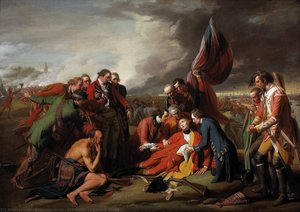
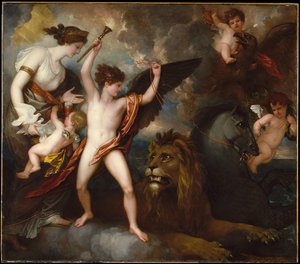
Vestov uticaj na umetnički svet nije bio samo o postizanju tehničkog majstorstva; u pitanju je bilo osporavanje konvencija. Usudio se da ponovo zamisli istorijsku sliku, udaljavajući se od rigidne vernosti klasičnim precedentama i prihvatajući savremeniju osetljivost. Smrt generala Volfa (1770), verovatno njegovo najpoznatije delo, primer je ovog revolucionarnog pristupa. Prikazujući palog generala okruženog figuralama u *savremenoj* vojnoj odeći umesto tradicionalne rimske garderobe, Vest je izazvao značajnu debatu. Kritičari su dovodili u pitanje istorijsku tačnost, ali je publika bila očarana neposrednošću i emocionalnim odjekom scene. Ovaj hrabar potez signalizirao je pomak ka većem realizmu i narativnoj snazi u istorijskoj slici, utičući na bezbroj umetnika koji su sledili. Njegov stil se vremenom razvijao, uključujući elemente romantizma u kasnijim radovima, ali je uvek zadržavao posvećenost ambicioznom sastavu i detaljnoj izvedbi. Druga značajna dela poput Tetis donosi oklop Ahilu, Tri sestre, Strah Astjanaksa i Pećina očaja demonstriraju njegovu svestranost i majstorstvo u nizu mitoloških i istorijskih tema.Trajno nasleđe: Oblikovanje umetničkog identiteta
Nasleđe Benjamina Vesta seže daleko van platna koje je stvorio. On je fundamentalno promenio pejzaž američke umetnosti, uspostavljajući istorijsku sliku kao održiv žanr za američke umetnike i podstičući osećaj nacionalnog umetničkog identiteta. Njegovo predsedavanje Kraljevskom akademijom učvrstilo je njegov uticaj na britansku umetnost, promovišući inovacije i podržavajući nadajuće talente.- Zagovarao je pristupačniji i emotivnije angažovan stil istorijske reprezentacije.
- Njegova radionica postala je utočište za američke umetnike koji traže obuku u Evropi.
- Spajao je jaz između neoklasičnih ideala i rastućeg romantizma.
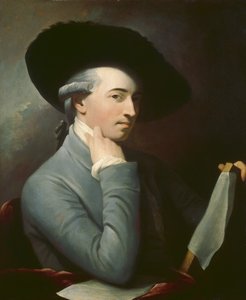
Bendžamin Vest
1738 - 1820 , Sjedinjene Američke Države
Osnovne informacije
- Artistic Movement Or Style: Neoklasicizam, romantizam
- Artists Or Movements Influenced By This Artist:
- Allston
- Copley
- Morse
- Artists Who Influenced This Artist:
- Titijan
- Rafael
- Mengs
- Hamilton
- Kauffman
- Date Of Birth: 10. oktobar 1738.
- Date Of Death: 11. mart 1820.
- Full Name: Benjamin West
- Nationality: Amerikanac
- Notable Artworks:
- Smrt generala Volfa
- Teti Bringing Armor
- Tri sestre
- Astyanaxov strah
- Place Of Birth: Springfield, SAD
Povezani članci
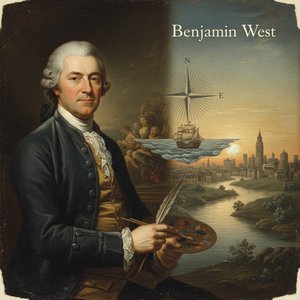
Benjamin West: Transatlantic Ambition & Shaping American Art
Explore the life & legacy of Benjamin West, pioneering American artist and Royal Academy president. Discover his Neoclassical masterpieces, transatlantic influence, and lasting impact on art history. Learn more at ArtsDot.

Grant Wood & American Regionalism: Identity, Myth & the Rural Landscape
Explore the world of Grant Wood & American Regionalism with ArtsDot. Discover the symbolism behind 'American Gothic', recurring themes, and the movement's lasting impact on art history. High-quality reproductions available.
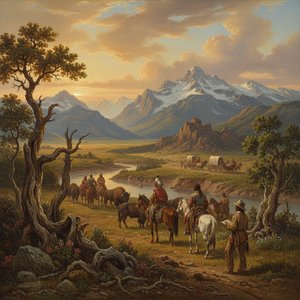
Alfred Jacob Miller: Chronicling the American West Through Artistic Observation & Narrative
Explore the captivating art of Alfred Jacob Miller, chronicler of the American West. Discover his iconic paintings, techniques & lasting legacy – a valuable addition to any serious collection. Learn more at ArtsDot.
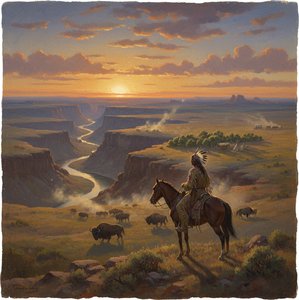
Henry Farny: Romantic Visions of the American West & Indigenous Life
Explore the evocative paintings of Henry Farny, renowned for his romantic realism & depictions of Native American life in the 19th-century West. Discover his legacy and key artworks at ArtsDot.
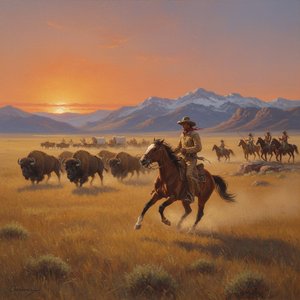
Charles Marion Russell: Capturing the American West Through a Romantic Lens
Explore the captivating world of Charles Marion Russell, 'the cowboy artist.' Discover his life, iconic paintings, advocacy for Native Americans, and investment potential. A guide for discerning art collectors.