

 Pregledaj u prostoru
 Pošalji
 Podeli
 Detalji o delu

 Преузми
 Slični predmeti
 Rendgenski snimak
 Slajdovi
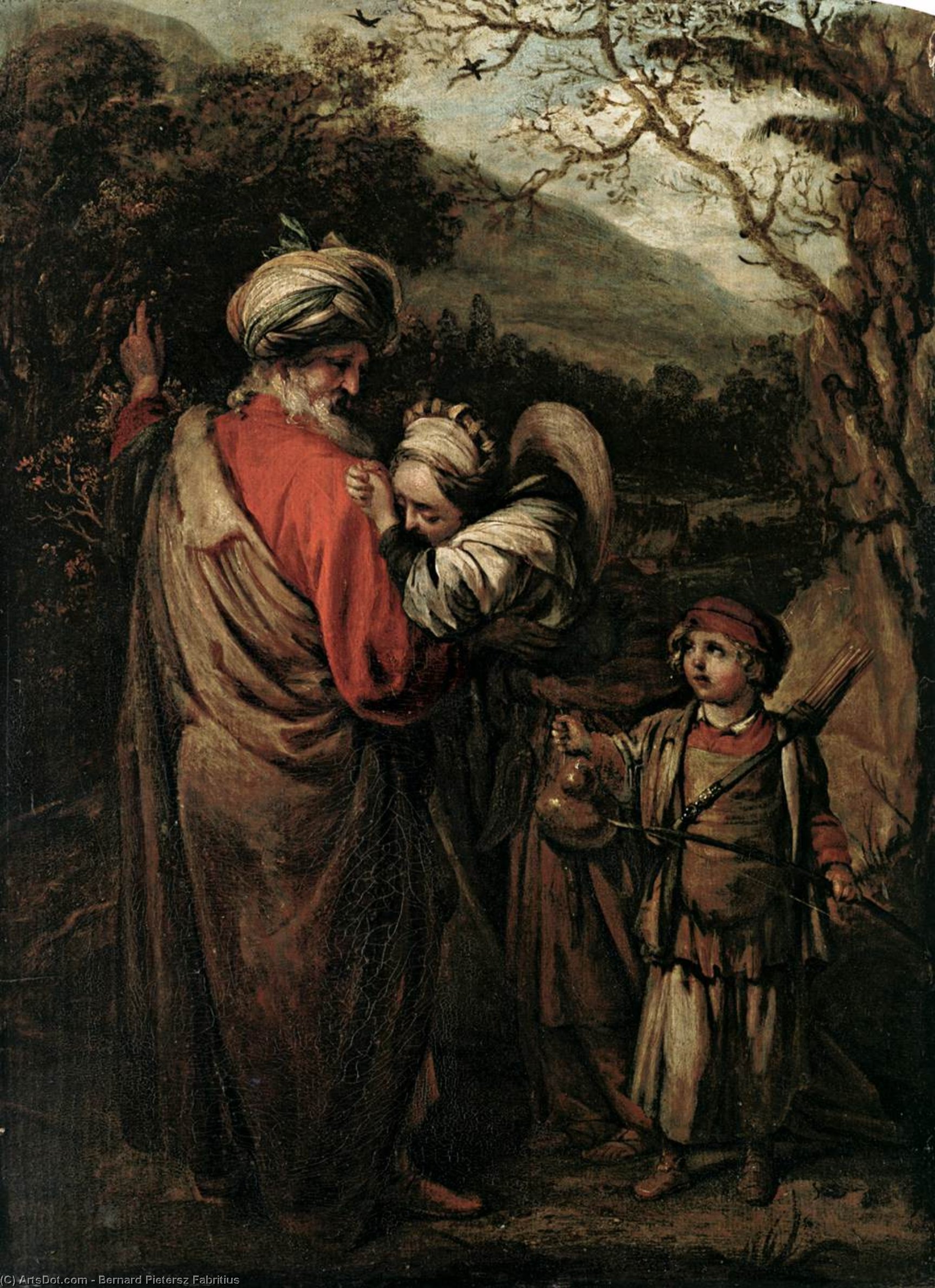
Abraham Dismissing Hagar and Ishmael
 Oil On Canvas
- WallArt
- Baroque
 1658
1658- Early Modern
 50.0 x 36.0 cm
 Metropolitan Museum of Art
 Pročitaj više
Kupite digitalnu sliku visoke rezolucije i poboljšanog kvaliteta, koja je znatno superiornija od onoga što vidite u online prikazu.
Svaka datoteka je pedantno pripremljena od strane naših stručnjaka koristeći napredne alate i profesionalnu ručnu retušu. Osiguravamo da svaka slika ima izuzetnu oštrinu, preciznu reprodukciju boja i fine detalje.
Konačna datoteka se dostavlja putem e-pošte u roku od 72 sata, optimizovana za neposrednu upotrebu u profesionalnim, izdavačkim i štamparskim okruženjima. To je isti kvalitet kojem veruju vrhunski studiji dizajna, izdavači i galerije.
Digitalna slika
Preuzmite datoteku visoke rezolucije za ličnu upotrebu, štampanje i kreativne projekte. ( Kupi print Kupi ručno naslikanu sliku)
Uključeno uz svaku porudžbinu digitalne slike
Profesionalna digitalna isporuka, zagarantovana
Kada odaberete ArtsDot.com, ne dobijate samo sliku – vi primate profesionalno unapređeno digitalno umetničko delo, izrađeno sa najvećom preciznošću i uz garanciju zadovoljstva. Evo svega što automatski dolazi uz vašu porudžbinu:

Brza dostava putem e-pošte
Vaša digitalna slika visoke rezolucije biće vam poslata putem e-pošte u roku od 72 sata od poručivanja – spremna za trenutnu upotrebu.

Digitalna datoteka unapređena veštačkom inteligencijom
Vaše umetničko delo je profesionalno optimizovano korišćenjem naprednih AI alata i ručne obrade, čime se osiguravaju maksimalni detalji, oštrina i preciznost boja.

Besplatna ponovna isporuka doživotno
Slučajno ste obrisali ili izgubili svoju datoteku? Ne brinite – poslaćemo vam je ponovo u bilo kom trenutku, potpuno besplatno.

Bez troškova uvoza – zauvek
Uživajte u svojim umetničkim delima trenutno, bez carine, dažbina ili troškova dostave – digitalni download je uvek bez poreza.

Garancija vernosti boja
Uz pomoć profesionalnih alata i upravljanja bojama, osiguravamo da vaša digitalna slika što vernije odražava originalne boje.

Garancija zadovoljstva u roku od 60 dana
Ako niste zadovoljni svojom digitalnom slikom, revidirat ćemo je ili vratiti 100% novca u roku od 60 dana – bez ikakvih pitanja.

100% garancija povrata novca
Niste zadovoljni? Obezbedite pun povrat novca u roku od 60 dana od trenutka kada ste primili svoju digitalnu datoteku – bez suvišnih pitanja.

Popusti na velike porudžbine
Kupite 3 slike, uštedite 10% - Kupite 5 slika, uštedite 15% - Kupite 10+ slika, uštedite 20%. Odlično za kreativne projekte, galerije i agencije.
Opis kolekcionarskog dela
A Moment of Divine Separation
Bernard Pietersz Fabritius’s depiction of Abraham Dismissing Hagar and Ishmael is not merely a scene from scripture; it is a profound meditation on divine will, human frailty, and the agonizing necessity of separation. The composition immediately draws the viewer into a charged emotional space. We are presented with three figures caught in a moment suspended between covenant and exile. Fabritius masterfully captures the weight of unspoken words and irreversible decisions etched onto the faces and postures of his subjects. The man on the left, clad in rich red robes, seems to embody the gravity of patriarchal duty, while the woman positioned centrally carries an air of poignant displacement. The entire tableau is set against a vast, brooding mountainous landscape, suggesting that this personal drama unfolds upon the grand, indifferent stage of history and divine decree.
Mastery of Light and Shadow in Dutch Baroque
To appreciate this work is to appreciate Fabritius’s unparalleled technical skill. As a practitioner steeped in the traditions of the Dutch Baroque, he utilizes light not just for illumination, but as an active narrative force. Observe how the light seems to sculpt the figures from the surrounding atmosphere, highlighting key gestures and expressions while allowing deep shadows to conceal—or perhaps to suggest—the unspoken turmoil within. His handling of texture, particularly in the drapery of the red robes, speaks to a meticulous craftsmanship that elevates the genre scene to the level of high drama. This masterful chiaroscuro technique gives the painting an immediate, tangible presence, making the viewer feel as if they could reach out and touch the folds of fabric or feel the cool air rising from the distant peaks.
Symbolism of the Landscape and Sky
The background elements are crucial to understanding the work's deeper resonance. The expansive, rugged landscape serves as a powerful symbol of the wilderness—the place where faith is tested and human bonds are strained to their breaking point. Above this earthly drama, the inclusion of two birds in the sky adds an ethereal counterpoint. These avian presences often carry symbolic weight, suggesting watchful eyes or perhaps the passage of souls toward a higher plane. Furthermore, the subtle directional arrow pointing downwards near the center acts as a visual anchor, guiding the eye and forcing contemplation upon the core conflict: the path forward after divine instruction has been given.
An Emotional Resonance for Modern Spaces
For the collector or designer seeking an artwork that speaks volumes without shouting, this piece offers profound depth. It transcends its religious subject matter to become a universal allegory of necessary letting go—of paths diverging, of duty conflicting with desire. Reproducing Fabritius’s vision allows one to bring into a contemporary interior not just decoration, but contemplation. The rich, saturated tones and the dramatic interplay between light and shadow provide an immediate focal point, lending an air of timeless gravitas and intellectual depth to any room it graces.
Srodna umetnička dela



Biografija umetnika
The Enigmatic Master of Light: The Life and Legacy of Bernard Pietersz Fabritius
In the golden era of the Dutch Baroque, few names evoke as much quiet intrigue as Bernard Pietersz Fabritius. Born in Muiden in 1624, Fabritius emerged from the shadows of the Netherlands' rich artistic landscape to become a painter of profound psychological depth and technical brilliance. While his life was tragically truncated by illness in 1673, the impact of his brushwork remains etched in the annals of art history. His journey began under the tutelage of Hendrick Jacobsz van Dyck, where he absorbed the intricate stylistic precepts of Flemish Mannerism. This early training provided him with a robust foundation in portraiture and genre scenes, yet Fabritius would soon transcend mere imitation to develop a voice that was uniquely his own—one characterized by an almost unsettling realism and a masterful command over the interplay of light and shadow.
The artistry of Fabritius is defined by a singular ability to capture the ephemeral. He did not merely paint subjects; he breathed life into them through a meticulous attention to detail and a dedication to anatomical accuracy that mirrored the burgeoning scientific curiosity of his age. His canvases often serve as windows into the intimate, much more human moments of 17th-century life. Whether depicting the stark, visceral reality of daily existence in works like The Slaughtered Pig or portraying the quiet dignity of rural labor in Ruth and Boaz, Fabritius possessed a rare talent for finding the extraordinary within the ordinary. His use of chiaroscuro—the dramatic contrast between light and dark—was not merely a technical feat but an emotional tool used to guide the viewer's eye and evoke a sense of spiritual or psychological tension.
A Convergence of Science, Spirit, and Style
Fabritius’s creative evolution was deeply intertwined with the intellectual ferment of his time. Living and working during the flourishing of Leiden University, he found himself at the heart of a community where art and science began to dance in close proximity. His connections to luminaries such as Johannes Vermeer and Willem van der Helm suggest an artist who was deeply engaged with the innovations of his peers. This environment of intellectual curiosity likely encouraged his exploration of new perspectives and his pursuit of a more luminous, naturalistic aesthetic. This intersection of disciplines is perhaps most evident in his biblical compositions, where he utilized dramatic lighting to convey profound spiritual fervor, turning theological narratives into palpable, human experiences.
The breadth of his repertoire allowed him to navigate between the sacred and the secular with seamless grace. His achievements can be seen across a diverse spectrum of subject matter:
- Biblical Narratives: In masterpieces such as Abraham Dismissing Hagar and Ishmael, he utilized dramatic compositions to capture the weight of divine and human emotion.
- Genre Painting: He excelled in capturing the textures of everyday life, bringing a sense of tactile reality to scenes of domesticity and labor.
- Portraiture: His ability to imbue faces with psychological insight made him a sought-after chronicler of the human condition, most notably seen in the poignant Young Painter.
Ultimately, the historical significance of Bernard Pietersz Fabritius lies in his role as a bridge between the structured elegance of Mannerism and the profound realism of the Dutch Golden Age. He was an artist who understood that light does not just illuminate a scene; it defines its soul. Though his career ended far too soon, the enduring power of his works continues to captivate modern audiences, offering a hauntingly beautiful glimpse into a world where every shadow tells a story and every highlight holds a truth.
bernard pietersz fabritius
1624 - 1673 , Netherlands
Kratke činjenice
- Artistic Movement Or Style: Baroque
- Artists Or Movements Influenced By This Artist: ['Renaissance Painting']
- Artists Who Influenced This Artist: ['Frans Hals']
- Date Of Birth: 1624
- Full Name: Bernard Pietersz Fabritius
- Nationality: Dutch
- Notable Artworks:
- The Young Painter
- The Slaughtered Pig
- Colonnade giving onto a Park
- Place Of Birth: Muiden, Netherlands

