

 Pregledaj u prostoru
 Pošalji
 Podeli
 Detalji o delu

 Преузми
 Slični predmeti
 Rendgenski snimak
 Slajdovi
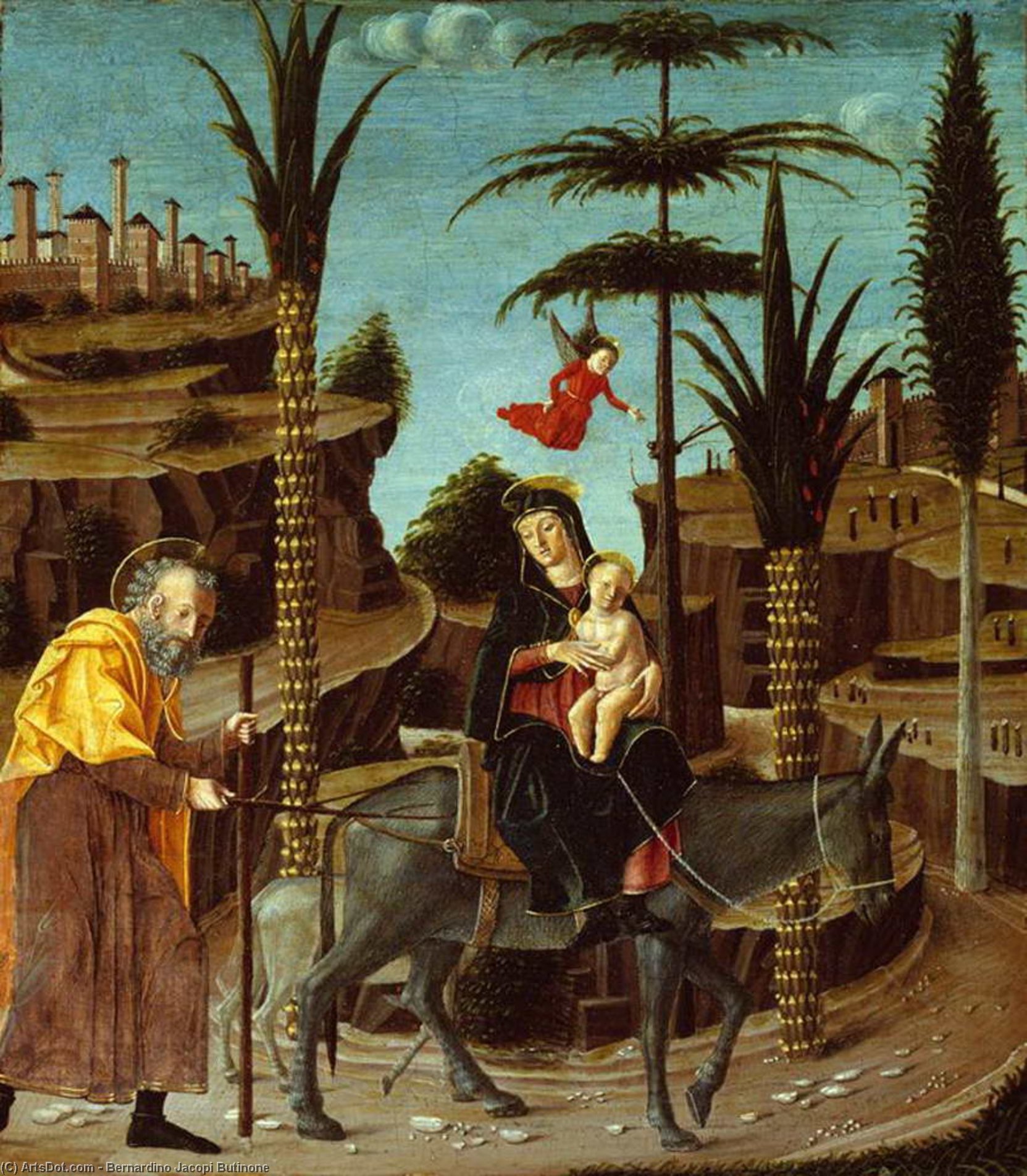
The Flight into Egypt
 Oil On Canvas
- WallArt
- Renaissance
 1485
1485- Renaissance
 25.0 x 22.0 cm
 Art Institute of Chicago
 Pročitaj više
Kupite digitalnu sliku visoke rezolucije i poboljšanog kvaliteta, koja je znatno superiornija od onoga što vidite u online prikazu.
Svaka datoteka je pedantno pripremljena od strane naših stručnjaka koristeći napredne alate i profesionalnu ručnu retušu. Osiguravamo da svaka slika ima izuzetnu oštrinu, preciznu reprodukciju boja i fine detalje.
Konačna datoteka se dostavlja putem e-pošte u roku od 72 sata, optimizovana za neposrednu upotrebu u profesionalnim, izdavačkim i štamparskim okruženjima. To je isti kvalitet kojem veruju vrhunski studiji dizajna, izdavači i galerije.
Digitalna slika
Preuzmite datoteku visoke rezolucije za ličnu upotrebu, štampanje i kreativne projekte. ( Kupi print Kupi ručno naslikanu sliku)
Uključeno uz svaku porudžbinu digitalne slike
Profesionalna digitalna isporuka, zagarantovana
Kada odaberete ArtsDot.com, ne dobijate samo sliku – vi primate profesionalno unapređeno digitalno umetničko delo, izrađeno sa najvećom preciznošću i uz garanciju zadovoljstva. Evo svega što automatski dolazi uz vašu porudžbinu:

Brza dostava putem e-pošte
Vaša digitalna slika visoke rezolucije biće vam poslata putem e-pošte u roku od 72 sata od poručivanja – spremna za trenutnu upotrebu.

Digitalna datoteka unapređena veštačkom inteligencijom
Vaše umetničko delo je profesionalno optimizovano korišćenjem naprednih AI alata i ručne obrade, čime se osiguravaju maksimalni detalji, oštrina i preciznost boja.

Besplatna ponovna isporuka doživotno
Slučajno ste obrisali ili izgubili svoju datoteku? Ne brinite – poslaćemo vam je ponovo u bilo kom trenutku, potpuno besplatno.

Bez troškova uvoza – zauvek
Uživajte u svojim umetničkim delima trenutno, bez carine, dažbina ili troškova dostave – digitalni download je uvek bez poreza.

Garancija vernosti boja
Uz pomoć profesionalnih alata i upravljanja bojama, osiguravamo da vaša digitalna slika što vernije odražava originalne boje.

Garancija zadovoljstva u roku od 60 dana
Ako niste zadovoljni svojom digitalnom slikom, revidirat ćemo je ili vratiti 100% novca u roku od 60 dana – bez ikakvih pitanja.

100% garancija povrata novca
Niste zadovoljni? Obezbedite pun povrat novca u roku od 60 dana od trenutka kada ste primili svoju digitalnu datoteku – bez suvišnih pitanja.

Popusti na velike porudžbine
Kupite 3 slike, uštedite 10% - Kupite 5 slika, uštedite 15% - Kupite 10+ slika, uštedite 20%. Odlično za kreativne projekte, galerije i agencije.
A Journey Through Sacred Narrative: The Flight into Egypt
To gaze upon this depiction of The Flight into Egypt is to be transported across time and space, into a moment etched forever in the annals of Christian history. This painting captures not merely an event, but a profound journey—one steeped in piety, urgency, and divine protection. At its heart lies Mary, tenderly cradling the infant Jesus upon her lap as they travel on a donkey. The composition is rich with human drama; surrounding figures guide, watch, and accompany this sacred procession. From the watchful presence of those standing nearby to the subtle inclusion of birds fluttering in the background, every element contributes to a tapestry of movement and devotion.
Mastery of Renaissance Detail and Composition
Painted around 1485 by Bernardino Jacopi Butinone, this work stands as a beautiful testament to the artistic currents flowing through late Quattrocento Lombardy. Butinone, whose training was deeply rooted in the traditions of masters like Vincenzo Foppa, imbues the scene with both linear grace and palpable emotional weight. Observe the careful detailing: the saddle upon the donkey speaks to the practical reality of their journey, while the arrangement of figures—some closer, some receding into the background—creates a masterful sense of depth on this relatively intimate scale (25 x 22 cm). The artist employs composition not just to place figures, but to guide the viewer's eye along the narrative path, emphasizing the central bond between mother and child.
Symbolism and Emotional Resonance
The Flight into Egypt is laden with potent symbolism. It speaks of exile, resilience, and the promise of a future kingdom. The donkey itself often symbolizes humility and steadfastness in art. Yet, beyond the historical narrative, the painting resonates on a deeply personal level. There is an undeniable sense of quiet fortitude emanating from Mary, juxtaposed against the vulnerability of the Christ Child. For the modern admirer, this piece offers contemplation—a visual meditation on protection, faith enduring hardship, and the sacred journey inherent in life itself. It invites one to pause amidst the bustle of contemporary life and reconnect with timeless devotion.
A Touch of Lombard Luminosity
The technique employed by Butinone showcases a characteristic luminosity often associated with Northern Italian Renaissance painting. The handling of light seems to emanate from within the scene, softly illuminating the figures' drapery and lending an almost ethereal quality to the air surrounding them. This careful balance between narrative drama and serene beauty makes it a captivating piece for any discerning collector or designer seeking art that possesses both historical gravitas and immediate, warm appeal. Reproducing this work allows one to bring a piece of 15th-century Italian devotion into a contemporary setting.
Srodna umetnička dela


Biografija umetnika
Early Life and Formation in Lombardy
Bernardino Jacopi Butinone, a name resonating softly through the annals of Renaissance art, emerged from the vibrant artistic milieu of 15th-century Lombardy. Born around 1435 or 1436 in Treviglio – a town northeast of Milan – he was initially known as Bernardo da Treviglio, a designation reflecting his familial roots and geographic origins. His father, Jacopo da Treviglio, instilled an early appreciation for the burgeoning artistic spirit of the region. The precise details of Butinone’s earliest training remain somewhat elusive, yet it is widely accepted that he entered the workshop of Vincenzo Foppa, a pivotal figure in Lombard painting whose influence would profoundly shape the young artist's style. Foppa’s emphasis on linear precision, elegant compositions, and subtle emotionality laid the foundation for Butinone’s own developing aesthetic. Some accounts suggest an additional apprenticeship under Vincenzo Civerchio, further enriching his technical skills and broadening his artistic perspective through collaborative projects in Milan, notably the decoration of the Grifi Chapel in San Pietro in Gessate between 1491 and 1493.A Master of Religious Narrative
Butinone’s oeuvre is overwhelmingly dedicated to religious subjects, reflecting the deeply spiritual climate of his time and the patronage demands of the Lombard churches and confraternities. He excelled at depicting scenes from the life of Christ, the Virgin Mary, and various saints with a quiet dignity and heartfelt devotion. His most celebrated work, the polyptych of San Martino commissioned in 1485 for the church in his native Treviglio, stands as a testament to his mature style. This ambitious altarpiece showcases Butinone’s mastery of composition, color, and narrative detail. Beyond this monumental commission, he became particularly renowned for a series of smaller panels illustrating episodes from Christ's life. These intimate works, now scattered across prominent collections worldwide, reveal a remarkable ability to convey profound emotion through delicate gestures, expressive faces, and luminous colors. The *Adoration of the Shepherds* (National Gallery, London), the *Adoration of the Magi* (Brooklyn Museum of Art), and the *Massacre of the Innocents* (Detroit Institute of Arts) are particularly compelling examples of his skill in capturing moments of both tenderness and tragedy.Influences and Artistic Development
Butinone’s artistic journey was not one of radical innovation but rather a refined synthesis of existing traditions. The influence of Foppa is readily apparent in the elegant linearity and sophisticated drapery that characterize his early works. However, Butinone gradually developed a more personal style, incorporating elements from other Lombard masters such as Bernardo Zenale – with whom he collaborated extensively – and perhaps even hints of Venetian colorism. His work demonstrates a keen awareness of contemporary developments in Florence and Umbria, though he never fully abandoned the distinctly Northern Italian aesthetic that defined his region. He also played an important role as a teacher himself, notably mentoring Bramantino, who would go on to become one of the leading architects and painters of the High Renaissance. This pedagogical aspect of Butinone’s career underscores his position within the Lombard artistic network and his commitment to transmitting knowledge and skills to the next generation.Technique and Style
Butinone's technique was characterized by meticulous attention to detail, a refined use of color, and a subtle modeling of forms. He favored tempera on panel as his primary medium, achieving a smooth, polished surface that enhanced the clarity and luminosity of his compositions. His figures are typically graceful and elongated, with expressive faces that convey a range of emotions – from serene piety to profound sorrow. While he employed perspective, it was often used in a restrained manner, prioritizing clarity and narrative coherence over strict mathematical accuracy. His palette tended towards rich, saturated colors, particularly blues, reds, and golds, which contributed to the overall sense of solemnity and spiritual depth. He also demonstrated considerable skill as a fresco painter, adorning the pilasters of Santa Maria delle Grazie in Milan with vibrant depictions of religious scenes.Historical Significance and Legacy
Bernardino Jacopi Butinone occupies a significant, though often understated, position within the history of Renaissance art. While he may not have achieved the widespread fame of Leonardo da Vinci or Michelangelo, his work represents a crucial link between the late Gothic tradition and the High Renaissance style that flourished in Lombardy. His influence on Bramantino and other local artists helped to shape the artistic landscape of Milan and beyond. Butinone’s paintings offer valuable insights into the religious beliefs and cultural values of 15th-century Italy, providing a glimpse into the devotional practices and artistic patronage patterns of the period. Today, his works are cherished for their quiet beauty, technical mastery, and heartfelt expression of faith, ensuring that his legacy continues to resonate with art lovers and scholars alike.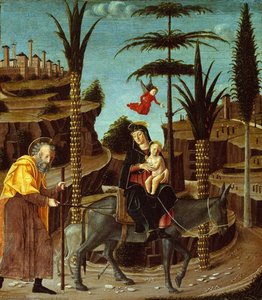
bernardino jacopi butinone
1436 - 1507 , Italy
Kratke činjenice
- Artistic Movement Or Style: Renaissance
- Artists Or Movements Influenced By This Artist: ['Francesco di Giorgio Martini']
- Artists Who Influenced This Artist: ['Vincenzo Foppa']
- Date Of Birth: 1436 Treviglio Italy
- Date Of Death: c. 1507 or 1508
- Full Name: Bernardino Jacopi Butinone
- Nationality: Italian Renaissance
- Notable Artworks:
- Madonna and Child
- The Adoration of the Magi
- Place Of Birth: Treviglio Lombardy Italy

