

 Pregledaj u prostoru
 Pošalji
 Podeli
 Detalji o delu

 Преузми
 Slični predmeti
 Rendgenski snimak
 Slajdovi
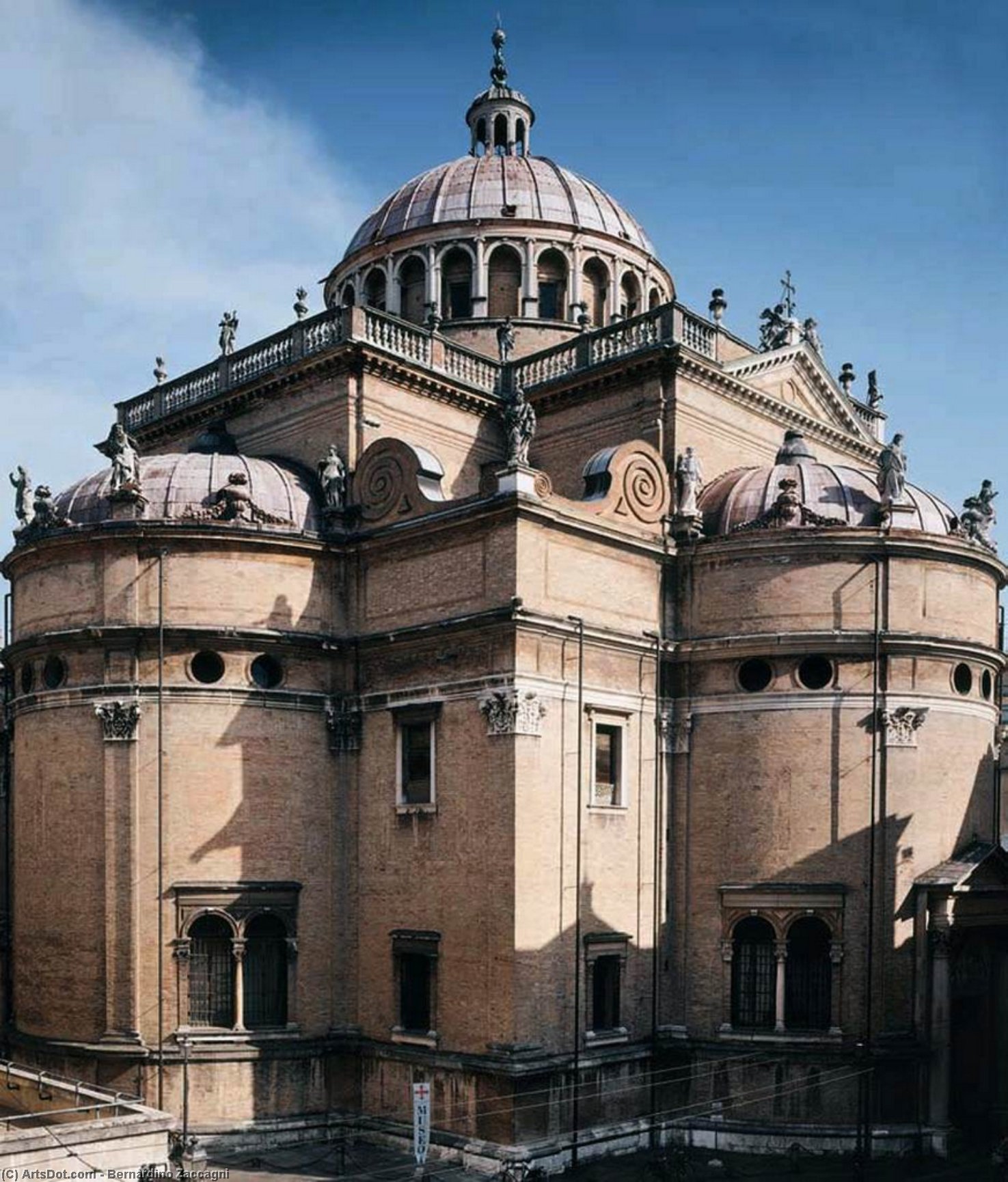
View of the dome and the apses


 Pročitaj više
Ručno rađena uljana reprodukcija
Ručno oslikano uljanim bojama na platnu u dimenzijama i okviru po vašem izboru, izrađeno po porudžbini od strane naših umetnika. ( Kupi print Kupi digitalnu sliku)




































Izaberite jednu od naših unapred definisanih veličina koje odgovaraju originalnim proporcijama umetničkog dela.

Можете унети сопствене димензије како бисте прилагодили дело одређеном оквиру или простору. Ако одабрана величина не одговара пропорцијама оригинала, слика ће бити исечена или проширена додатним елементима који се ручно насликавају. Дигитални prikaz ће вам бити послат на одобрење пре почетка производње.
Имајте на уму да преглед на екрану не одражава стварно исецање или проширење. Само приказ (mockup) ће тачно приказати коначну композицију.
Иако су доступне прилагођене величине, препоручујемо да одаберете димензију из дефинисане листе како бисте сачували оригиналне пропорције.
Nakon narudžbine, tim ArtsDot.com će klijentu putem e-pošte poslati uputstva i dostaviti prikaz predloženog rešenja
Isporuka širom sveta () za 3/4 nedelje umesto uobičajenih 5 nedelja. (6 септембар). Bez kompromisa po pitanju kvaliteta.

Besplatna ekspresna dostava širom sveta

Visokokvalitetno laneno platno

Kompletno osiguranje transporta

Garancija povraćaja carine i uvoznih dažbina

Garancija vernosti boja

Politika povrata u roku od 100 dana (samo u slučaju nedostataka)

Garancija povrata novca od 100%

Popust pri grupnoj kupovini
 Opcija sa staklom dostupna je samo za dimenzije manje od 110 cm

View of the dome and the apses
Tehnika reprodukcije
Dimenzije reprodukcije
-


Konačna cena
$ 263
Srodna umetnička dela









Biografija umetnika
Early Life and Formation in the Renaissance Heartland
Bernardino Zaccagni, born around 1460 in Rivalta di Lesignano near Parma, emerged during a period of profound artistic transformation in Italy. While details surrounding his early life remain somewhat elusive, it is known that his father, Francesco Zaccagni, was a builder or architect—a crucial foundation for Bernardino’s own burgeoning career. This familial connection to the craft instilled within him not only practical skills but also an intimate understanding of construction techniques and materials, setting the stage for his future endeavors in the rapidly evolving world of Renaissance architecture. Parma itself served as a fertile ground for artistic development, benefiting from the patronage of powerful families like the Sforza and experiencing a revival of civic building projects that would shape Zaccagni’s early experiences. The city's position at the crossroads of various influences—Lombard traditions blending with emerging Florentine ideals—created an environment ripe for innovation, and young Bernardino was poised to absorb these currents.A Flourishing Career in Parma: Churches and Fortifications
Zaccagni quickly established himself as a prominent figure within the Parman architectural landscape during the late 15th and early 16th centuries. His initial projects included contributions to significant religious structures such as San Benedetto (between 1498 and 1501) and Santa Maria del Carmine (1500-1502), where he collaborated with established masters like Pellegrino da Pontremoli, gaining invaluable experience and refining his skills. Beyond church construction, Zaccagni demonstrated versatility by participating in civic projects, notably contributing to the improvement of Parma’s fortifications in 1521 alongside other leading builders. This involvement highlights a practical aspect of Renaissance architects—their ability to address both aesthetic concerns and functional necessities. He also worked on smaller chapels like that of Pedrignano near Parma (1507-1509) and the hospital of Rodolfo Tanzi (1506–1511), showcasing his adaptability to diverse scales and requirements.The Architectural Vision: Centralized Plans and Domed Spaces
Zaccagni’s architectural vision was characterized by a preference for centralized plans, reflecting the growing Renaissance fascination with symmetry, harmony, and classical ideals. This approach is particularly evident in structures like the Oratory of the Immaculate Conception at San Francesco del Prato, where he designed a symmetrical building crowned with a dome—a motif that would become a hallmark of his style. His most significant achievement, however, lies in his work on the basilica of San Giovanni Evangelista. While collaborating with master mason Pietro Cavazzolo, Zaccagni was primarily responsible for the design of the vaults and the magnificent dome, which stands as a testament to his mastery of spatial organization and proportional elegance. This project exemplifies his ability to translate theoretical principles into tangible form, creating spaces that were both visually striking and structurally sound.Santa Maria della Steccata: Collaboration and Controversy
The church of Santa Maria della Steccata represents perhaps Zaccagni’s most ambitious undertaking—a collaborative effort with his son, Giovanni Francesco Zaccagni. This project, begun in 1523, aimed to create a new model for religious architecture, incorporating innovative features and reflecting the latest Renaissance trends. However, the construction process was not without its challenges. In 1525, Gianfrancesco Ferrari d’Agrate took over the work due to disputes with Zaccagni and his son, highlighting the complexities of patronage and artistic collaboration during this period. Despite these setbacks, Santa Maria della Steccata remains a significant example of Zaccagni's influence, showcasing his commitment to centralized plans and harmonious proportions. The church also demonstrates the family’s dedication to expanding the Benedictine monastery at San Giovanni, further solidifying their presence in Parman architecture.Legacy and Historical Significance
Bernardino Zaccagni’s career bridged the transition between late Gothic and High Renaissance styles, leaving a lasting imprint on Parma's ecclesiastical architecture. Although records of his minor projects are sparse, his influence extended through family collaborations—his son Benedetto continued the family’s engineering legacy in the region—and his innovative designs inspired subsequent generations of architects. Zaccagni’s mastery of spatial harmony and proportional elegance, particularly evident in his domed structures, contributed to the development of a distinct Parman architectural identity. He stands as a testament to the importance of familial workshops and the enduring power of Renaissance ideals in shaping the built environment. His work continues to be studied and admired for its technical skill, aesthetic beauty, and historical significance within the broader context of Italian art and architecture.
bernardino zaccagni
1455 - 1531 , Italy
Osnovne informacije
- Artistic Movement Or Style: Renaissance Art
- Date Of Birth: ca. 1460
- Full Name: Bernardino Zaccagni
- Nationality: Italian
- Notable Artworks:
- View of the Dome
- View of the dome and the apses
- Place Of Birth: Rivalta di Lesignano, Italy