

 Pregledaj u prostoru
 Pošalji
 Podeli
 Detalji o delu

 Преузми
 Slični predmeti
 Rendgenski snimak
 Slajdovi
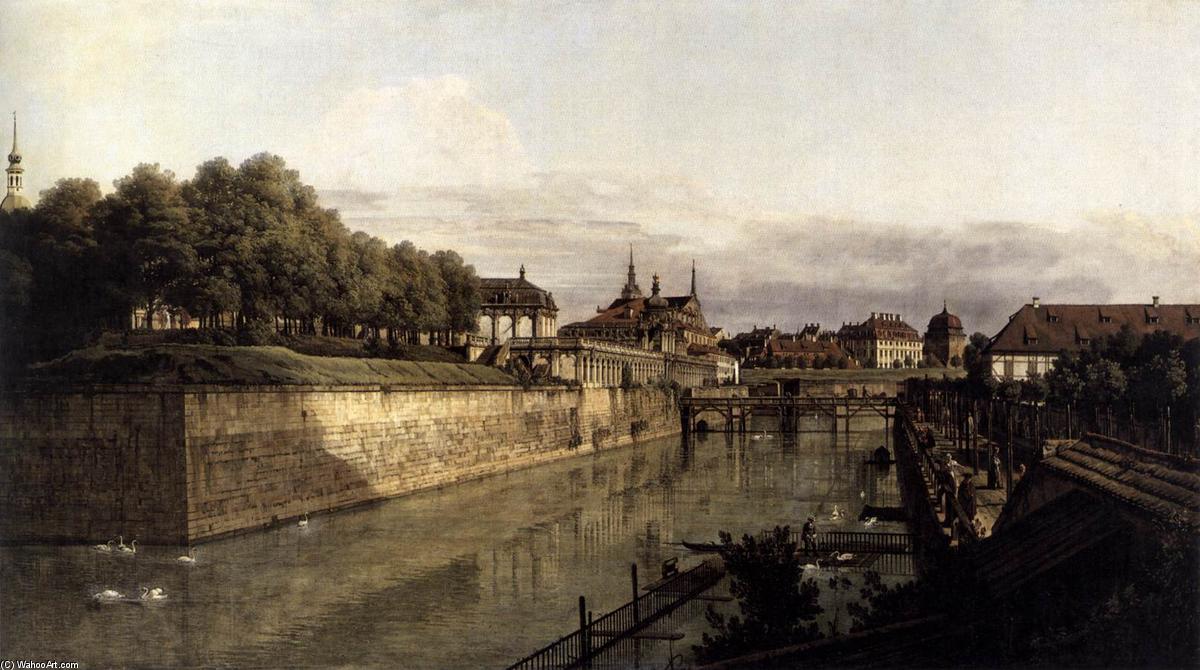
The Moat of the Zwinger in Dresden
 Acrylic On Canvas
- WallArt
- Baroque Rococo
 1749
1749 133.0 x 235.0 cm
 Gemäldegalerie Alte Meister
 Pročitaj više
Ručno rađena uljana reprodukcija
Ručno oslikano uljanim bojama na platnu u dimenzijama i okviru po vašem izboru, izrađeno po porudžbini od strane naših umetnika. ( Kupi print Kupi digitalnu sliku)




P118B $10

P118H $10

P118W $10

P438Z $10

P508JH $12

P508YH $12

P805H $10

P805Z $10

P919BZ $10

P919G $10

P919XJ $10

P959ZH $10

P968JZ $12

W106C $8

W218G $10

W218JH $8

W218Y $10

W307PJ $10

W316G $10

W316PJ $8

W316Y $10

W398PJ $8

W4111J $10

W500HY $15

W500JH $15

W692G $12

W849H $8

W940BG $15

W953PJ $8




Izaberite jednu od naših unapred definisanih veličina koje odgovaraju originalnim proporcijama umetničkog dela.

Можете унети сопствене димензије како бисте прилагодили дело одређеном оквиру или простору. Ако одабрана величина не одговара пропорцијама оригинала, слика ће бити исечена или проширена додатним елементима који се ручно насликавају. Дигитални prikaz ће вам бити послат на одобрење пре почетка производње.
Имајте на уму да преглед на екрану не одражава стварно исецање или проширење. Само приказ (mockup) ће тачно приказати коначну композицију.
Иако су доступне прилагођене величине, препоручујемо да одаберете димензију из дефинисане листе како бисте сачували оригиналне пропорције.
Nakon narudžbine, tim ArtsDot.com će klijentu putem e-pošte poslati uputstva i dostaviti prikaz predloženog rešenja
Isporuka širom sveta () za 3/4 nedelje umesto uobičajenih 5 nedelja. (29 август). Bez kompromisa po pitanju kvaliteta.

Besplatna ekspresna dostava širom sveta

Visokokvalitetno laneno platno

Kompletno osiguranje transporta

Garancija povraćaja carine i uvoznih dažbina

Garancija vernosti boja

Politika povrata u roku od 60 dana (samo u slučaju nedostataka)

Garancija povrata novca od 100%

Popust pri grupnoj kupovini
 Opcija sa staklom dostupna je samo za dimenzije manje od 110 cm

The Moat of the Zwinger in Dresden
Tehnika reprodukcije
Dimenzije reprodukcije
-


Konačna cena
$ 263
Bernardo Bellotto’s Tranquil Reflection of Dresden’s Glory
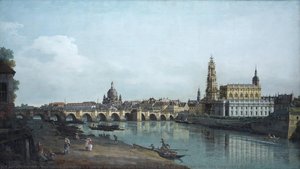
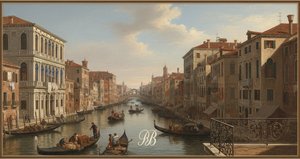
The painting “The Moat of the Zwinger in Dresden” by Bernardo Bellotto stands as a testament to Rococo artistry and an extraordinary achievement in architectural documentation—a rare confluence of scientific observation and artistic vision. Completed in 1749 during Augustus III's reign, this monumental canvas (133 x 235 cm) resides within the Gemäldegalerie Alte Meister Dresden, inviting viewers into a meticulously recreated snapshot of Saxon royal life at its zenith. Bellotto’s reputation rests upon his unparalleled ability to portray urban spaces with breathtaking accuracy—a skill demonstrably evident here—combining meticulous topographical mapping with an artist's sensitivity to light and color. He wasn’t merely recording the Zwinger complex; he was crafting an emblem of stability, prosperity, and enlightened rule, reflecting the aspirations of a kingdom under astute leadership.A Symphony of Rococo Color and Light
Bellotto’s stylistic approach firmly anchors the artwork within the Rococo movement, characterized by its embrace of pastel hues—primarily creams, blues, and greens—delicate brushstrokes, and an opulent layering of ornamentation. The artist skillfully employs chiaroscuro – dramatic contrasts between light and shadow – to illuminate the Zwinger complex and its surrounding moat. Soft, diffused sunlight filters through the clouds, casting a gentle glow upon the stone walls and reflecting shimmering patterns across the water’s surface. This deliberate manipulation of light isn't merely decorative; it serves to heighten the emotional impact of the scene, conveying serenity and emphasizing the architectural grandeur of Dresden during its artistic heyday. Consider how Bellotto’s use of color contributes to a feeling of ethereal beauty – it’s as if he captured not just a visual representation but an idealized impression of royal splendor.Detailed Observation: The Zwinger Complex Captured in Miniature
Bellotto's dedication to precision is palpable throughout the canvas. He painstakingly recreated every element of the Zwinger complex, from the towering baroque facades adorned with sculptures to the intricate details of the moat’s stonework and the reflections shimmering on its surface. Bellotto’s meticulous attention to detail extends beyond mere visual representation; he sought to convey a sense of spatial depth and perspective that would transport viewers into the heart of Dresden's architectural heritage. The artist utilized aerial perspective—a technique whereby distant objects appear paler and less distinct due to atmospheric haze—to create an illusion of distance, reinforcing the impression of grandeur and reinforcing the viewer’s understanding of the Zwinger’s significance as a symbol of royal power.Symbolism: Stability and Enlightenment Under Augustus III
Beyond its aesthetic qualities, “The Moat of the Zwinger in Dresden” carries profound symbolic weight. The moat itself represents protection—both physical and metaphorical—surrounding the Zwinger complex, symbolizing the kingdom’s defense against external threats and safeguarding its internal harmony. Simultaneously, it embodies enlightenment ideals championed by Augustus III, reflecting the belief that reason and beauty could coexist to foster a flourishing society. Bellotto's depiction of Dresden underscores the importance of preserving cultural heritage and celebrating artistic achievement as vital components of national identity—a message particularly resonant in the context of Prussia’s burgeoning influence during the mid-18th century.Legacy: A Masterpiece Preserving Dresden’s Architectural Soul
Today, “The Moat of the Zwinger in Dresden” remains a cornerstone of Dresden's artistic legacy and continues to inspire admiration for Bellotto’s unparalleled skill as an artist and architect. Its luminous colors, masterful chiaroscuro, and meticulous topographical detail offer invaluable insight into the visual culture of Rococo Europe and serve as a poignant reminder of Dresden’s splendor before its devastating destruction during World War II. Reproductions of this iconic artwork continue to grace homes and galleries worldwide, ensuring that Bellotto's vision of Dresden—a symbol of regal dignity and artistic brilliance—lives on for generations to come.Srodna umetnička dela
Biografija umetnika
Rani život i učenje
Bernardo Bellotto, prosljenjeni italijanski slikar, rođen je u Veneciji oko 1721./2 ili 30. januara 1721. Bio je rođak i učenik slavnog Giovanni Antonio Canaletto, istaknute figure venecijanske škole slikarstva.Umetnički stil i karijera
Bellottoov umetnički stil odlikovao je izdašan prikaz arhitektonskih i prirodnih pejzaža, kao i jedinstvena kvaliteta osvetljenja svakog mesta. Poznat je po svojoj izuzetnoj veštini u hvatanju suštine gradskih pejzaža, što ga je dovelo do poziva da radi za različite evropske monarhide.- Putovao je u Rim (1742), Severnu Italiju (1744-1745), a kasnije se preselio u Dresden (1747-1758) po nalog kralja Augusta III Poljskog.
- Njegova dela iz Dresdena sačuvala su pre-ratnu lepotu grada, koja je danas uništena.
- Primio je poziv od carice Marije Tereze da radi u Beču (1758), gde je slikao gradske spomenike.
Značajna dela i nasleđe
Među Bellottoovim značajnim delima nalaze se:- Pogled na Veliki kanal: Santa Maria della Salute i Dogana sa Campo Santa Maria Zobenigo (1743)
- Arhitektonski kapričio sa samoportretom Bellotta u kostimu venecijanskog plemića
Muzej i kolekcije
Bellottoova dela mogu se pronaći u raznim muzejima, uključujući Pinakoteku di Vicenzu u Italiji. Da istražite više njegovog umetničkog rada, posetite [https://ArtsDot.com/@/bernardo bellotto](https://ArtsDot.com/@/bernardo bellotto) i otkrijte svet umetnosti.Reference
* /sr/art/show/art-d3baj3-sr/ * [https://www.wikiart.org/en/bernardo-bellotto/](https://www.wikiart.org/en/bernardo-bellotto/) * [https://fr.wikipedia.org/wiki/bernardo_bellotto](https://fr.wikipedia.org/wiki/bernardo_bellotto)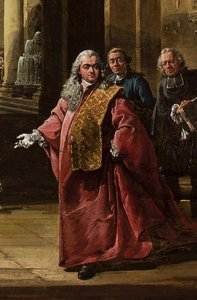
Bernardo Beloto
1721 - 1780 , Italija
Osnovne informacije
- Artistic Movement Or Style: Vedute slikarstvo
- Artists Who Influenced This Artist: ['Giovanni Canaletto']
- Date Of Birth: oko 1721/2
- Date Of Death: 1780
- Full Name: Bernardo Bellotto
- Nationality: Italijan
- Notable Artworks (List Of Titles):
- Pogled na Grand Canal
- Arhitektonski kapričo
- Place Of Birth (City And Country): Venecija, Italija
Povezani članci
Bernardo Bellotto: Canaletto's Nephew & Master of Veduta Painting – A Comprehensive Exploration
Explore the life & art of Bernardo Bellotto, Canaletto’s nephew and a master of veduta painting. Discover his stunning cityscapes of Dresden & Warsaw, artistic techniques, and lasting legacy. Expert insights for collectors.

Glavna dela koja su definisala Romantični pejzaž: 10 remek-dela za vaš dom
Otkrijte 10 remek-dela romantičnog pejzažnog slikarstva! Uronite u svet Claude Lorraina, Caspara David Friedricha i Turnera. Ispričane priče umetnosti, inspiracija za dekoraciju doma. Kvalitetne reprodukcije na ArtsDot.com – istražite celu kolekciju online!

Evocations of Place: A Historical Journey Through Landscape Art
Explore the rich history of landscape art with ArtsDot. Discover renowned artists, movements like Impressionism & Romanticism, and expert guidance for collecting timeless pieces. Find your perfect serene escape today!

25 Remek-dela Džona Konstebla: Lepota Engleske na Platnu | ArtsDot
Uronite u svet Džona Konstebla! Otkrijte 25 remek-dela engleskog pejzaža, romantizma i seoske idile. Kupite reprodukcije slika vrhunskog kvaliteta za dekoraciju enterijera na ArtsDot.com.

Rokoko: 10 Remek Dela Koja Su Definisala Eleganciju i Ukus
Otkrijte 10 remek dela koja su definisala rokoko umetnost! Uronite u svet Boucher-a, Watteau-a i Fragonarda. Istorija, stil i inspiracija za vaš dom. Kvalitetne reprodukcije i kuratorski odabiri na ArtsDot.com!

