

 Pregledaj u prostoru
 Pošalji
 Podeli
 Detalji o delu

 Преузми
 Slični predmeti
 Rendgenski snimak
 Slajdovi
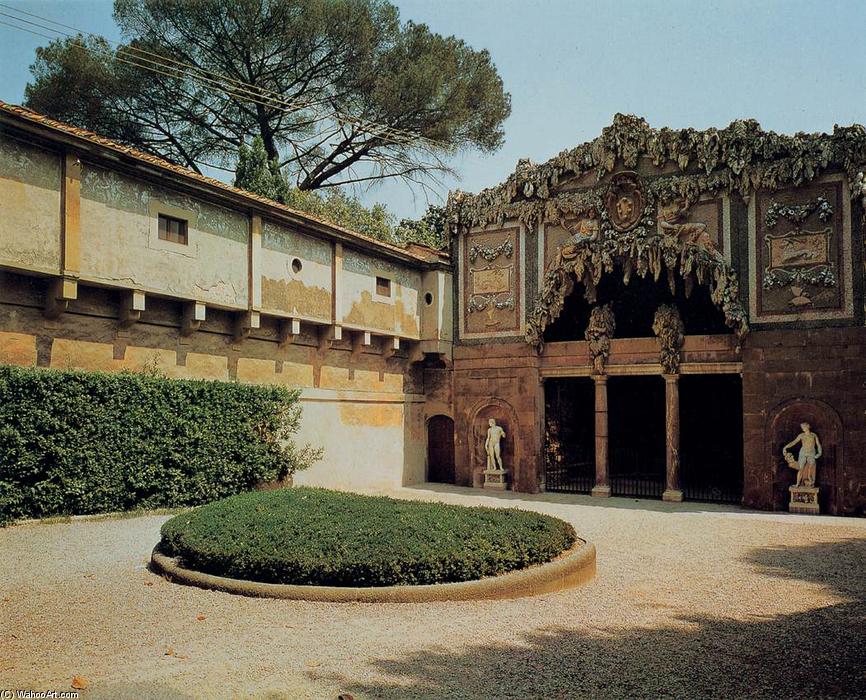
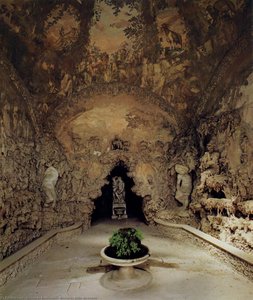
Vanjski pogled na Grotu


 Pročitaj više
Kupite digitalnu sliku visoke rezolucije i poboljšanog kvaliteta, koja je znatno superiornija od onoga što vidite u online prikazu.
Svaka datoteka je pedantno pripremljena od strane naših stručnjaka koristeći napredne alate i profesionalnu ručnu retušu. Osiguravamo da svaka slika ima izuzetnu oštrinu, preciznu reprodukciju boja i fine detalje.
Konačna datoteka se dostavlja putem e-pošte u roku od 72 sata, optimizovana za neposrednu upotrebu u profesionalnim, izdavačkim i štamparskim okruženjima. To je isti kvalitet kojem veruju vrhunski studiji dizajna, izdavači i galerije.
Digitalna slika
Preuzmite datoteku visoke rezolucije za ličnu upotrebu, štampanje i kreativne projekte. ( Kupi print Kupi ručno naslikanu sliku)
Uključeno uz svaku porudžbinu digitalne slike
Profesionalna digitalna isporuka, zagarantovana
Kada odaberete ArtsDot.com, ne dobijate samo sliku – vi primate profesionalno unapređeno digitalno umetničko delo, izrađeno sa najvećom preciznošću i uz garanciju zadovoljstva. Evo svega što automatski dolazi uz vašu porudžbinu:

Brza dostava putem e-pošte
Vaša digitalna slika visoke rezolucije biće vam poslata putem e-pošte u roku od 72 sata od poručivanja – spremna za trenutnu upotrebu.

Digitalna datoteka unapređena veštačkom inteligencijom
Vaše umetničko delo je profesionalno optimizovano korišćenjem naprednih AI alata i ručne obrade, čime se osiguravaju maksimalni detalji, oštrina i preciznost boja.

Besplatna ponovna isporuka doživotno
Slučajno ste obrisali ili izgubili svoju datoteku? Ne brinite – poslaćemo vam je ponovo u bilo kom trenutku, potpuno besplatno.

Bez troškova uvoza – zauvek
Uživajte u svojim umetničkim delima trenutno, bez carine, dažbina ili troškova dostave – digitalni download je uvek bez poreza.

Garancija vernosti boja
Uz pomoć profesionalnih alata i upravljanja bojama, osiguravamo da vaša digitalna slika što vernije odražava originalne boje.

Garancija zadovoljstva u roku od 60 dana
Ako niste zadovoljni svojom digitalnom slikom, revidirat ćemo je ili vratiti 100% novca u roku od 60 dana – bez ikakvih pitanja.

100% garancija povrata novca
Niste zadovoljni? Obezbedite pun povrat novca u roku od 60 dana od trenutka kada ste primili svoju digitalnu datoteku – bez suvišnih pitanja.

Popusti na velike porudžbine
Kupite 3 slike, uštedite 10% - Kupite 5 slika, uštedite 15% - Kupite 10+ slika, uštedite 20%. Odlično za kreativne projekte, galerije i agencije.
Opis kolekcionarskog dela
Exterior View of the Grotto – A Masterpiece of Baroque Illusion
Bernardo Buontalenti’s “Exterior View of the Grotto,” painted in 1583, stands as a testament to the zenith of Mannerist architecture and theatrical illusionism. Located within the Boboli Gardens of Florence—a sprawling baroque landscape conceived by Grand Duke Ferdinando I—this fresco isn't merely a depiction of a grotto; it’s an immersive experience designed to transport viewers into a fantastical realm.
- Subject Matter: The artwork portrays a meticulously crafted artificial cave, replete with sculpted figures and lush vegetation. It’s a deliberate contrast between the natural world and artistic creation, reflecting the broader Baroque fascination with grandeur and theatrical spectacle.
- Style & Technique: Buontalenti employed fresco painting—a technique involving applying pigment onto wet plaster—to achieve remarkable textural detail and luminosity. The artist skillfully utilized chiaroscuro (the interplay of light and shadow) to heighten the illusion of depth, creating an atmosphere that feels palpably alive.
- Historical Context: Painted during Ferdinando I’s reign, “Exterior View of the Grotto” embodies the spirit of Florentine Baroque, which sought to elevate art beyond mere representation into a conduit for emotion and spiritual contemplation. It aligns perfectly with the broader artistic movement's ambition to impress audiences through dramatic visual effects.
The fresco’s symbolism is profound. The grotto itself represents Paradise—a microcosm of divine beauty and serenity—while the sculptures adorning its walls depict mythological figures, symbolizing virtue and moral aspiration. Buontalenti’s genius lies in his ability to synthesize classical ideals with Baroque exuberance, crafting a visual narrative that speaks to both intellect and emotion.
- Symbolism: The statues—particularly those depicting Apollo and Daphne—are imbued with mythological significance, representing divine love and transformation. The carefully arranged foliage contributes to the overall sense of tranquility and reinforces the theme of idealized nature.
- Emotional Impact: Viewing “Exterior View of the Grotto” evokes a feeling of wonder and delight. The artist’s masterful manipulation of light and color captivates the senses, transporting viewers into a space that transcends reality—a realm where imagination reigns supreme.
Reproductions of Buontalenti's masterpiece offer an opportunity to appreciate the artistry of this pivotal figure in Italian Baroque art. ArtsDot’s high-quality reproductions faithfully capture the fresco’s luminous palette and intricate detail, allowing collectors and interior designers alike to bring a touch of Florentine grandeur into their homes.
Srodna umetnička dela
Biografija umetnika
Hans Burgkmair: A Bridge Between Tradition and Innovation in the Early German Renaissance
Born in Augsburg, Germany, in 1473, Hans Burgkmair the Elder stands as a pivotal figure bridging the late Gothic traditions of his predecessors with the burgeoning innovations of the early German Renaissance. His life, though tragically cut short at the age of 57 in 1531, was marked by prolific artistic output and a crucial role in shaping the visual landscape of his era. Burgkmair’s legacy rests not solely on individual masterpieces but rather on his pioneering work in printmaking – specifically woodcuts – and his influence on subsequent generations of artists.
Burgkmair's artistic journey began under the tutelage of the renowned Martin Schongauer in Colmar, France. This formative period instilled within him a deep appreciation for Schongauer’s meticulous detail, refined draftsmanship, and subtle use of light and shadow – qualities that would become hallmarks of Burgkmair’s own style. However, unlike his master who remained primarily focused on painting, Burgkmair quickly gravitated towards the burgeoning world of printmaking. He recognized the potential of woodcuts to disseminate images widely and rapidly, a revolutionary concept at the time.
His early works demonstrate a clear debt to Schongauer, characterized by a somewhat stiff formality and a reliance on established Gothic conventions. Yet, as he matured, Burgkmair began to absorb influences from other contemporary artists, including Giovanni Bellini and Lucas Cranach the Elder. This assimilation is particularly evident in his later prints, which exhibit a greater sense of dynamism, color, and expressive quality. Notably, Burgkmair was one of the first printmakers to master the technique of *chiaroscuro* – the dramatic use of light and dark – within woodcuts, achieving a level of tonal subtlety previously unseen in this medium. This innovation, demonstrated in works like his iconic “Lovers Surprised by Death,” marked a significant departure from traditional monochrome woodcuts and opened up new possibilities for artistic expression.
Burgkmair’s career was inextricably linked to the patronage of Maximilian I, Holy Roman Emperor. From 1508 until the Emperor's death in 1519, he served as a principal illustrator for the lavish *Triumphs of Maximilian* cycle – a monumental series of woodcuts depicting the Emperor’s triumphs and virtues. This commission provided Burgkmair with unparalleled opportunities to showcase his technical skills and artistic vision, solidifying his reputation as one of the leading printmakers of his time. He also produced numerous illustrations for other important books, including *Weisskunig* and *Hall*, further expanding his influence within the intellectual and artistic circles of Europe.
The Influence of Italian Renaissance Art
Burgkmair’s exposure to Italian Renaissance art during his travels profoundly shaped his style. While he never visited Italy himself, he was deeply influenced by the works of artists like Correggio and Raphael, whose compositions, color palettes, and dynamic figures found their way into his woodcuts. The influence is particularly noticeable in his depictions of mythological subjects, where he skillfully blended Italian Renaissance forms with traditional German motifs.
His adoption of *chiaroscuro*, a technique perfected by artists like Leonardo da Vinci and Michelangelo, was a direct result of this exposure. Burgkmair’s ability to create dramatic contrasts between light and shadow added depth and realism to his prints, transforming them from simple illustrations into sophisticated works of art.
Furthermore, the Italian emphasis on perspective and spatial relationships is evident in Burgkmair's compositions, which are often characterized by a sense of depth and atmosphere. This shift away from the flattened perspectives of Gothic art marked a crucial step towards the more naturalistic style that would define the High Renaissance.
Burgkmair’s Legacy: A Master of Printmaking
Hans Burgkmair's contribution to the history of printmaking is undeniable. He was not merely a skilled craftsman; he was an innovator who pushed the boundaries of the medium and established new standards for artistic expression. His pioneering work in *chiaroscuro* woodcuts, combined with his mastery of composition and draftsmanship, set a precedent that influenced generations of printmakers to come.
His association with Maximilian I further cemented his place in history as one of the most important artists of the early German Renaissance. The *Triumphs of Maximilian* cycle remains a testament to his artistic skill and his ability to capture the grandeur and power of the Holy Roman Emperor.
Despite his untimely death in 1531, Burgkmair’s legacy continues to resonate today. His works are treasured for their beauty, technical brilliance, and historical significance, serving as a vital link between the medieval world and the dawn of the Renaissance.
Related Works & Artistic Context
Burgkmair's artistic output spanned a wide range of subjects, including religious scenes, mythological narratives, portraits, and allegorical compositions. His prints are often characterized by their dynamic energy, vibrant colors, and intricate details. He frequently collaborated with the master woodcutter Jost de Negker, who played a crucial role in disseminating Burgkmair’s work through book illustrations.
His works are found within the collections of major museums worldwide, including the Metropolitan Museum of Art in New York and the British Museum in London. Studying his prints alongside those of his contemporaries – such as Lucas Cranach the Elder and Baldung Grien – provides valuable insights into the artistic trends and intellectual currents of early 16th-century Europe.
The influence of Burgkmair can also be seen in the work of later German printmakers, including Albrecht Dürer, who built upon Burgkmair’s innovations to create some of the most iconic images of the Renaissance.
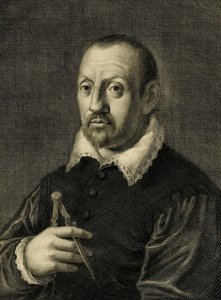
bernardo buontalenti (bernardo delle girandole)
1531 - 1608

