

 Pregledaj u prostoru
 Pošalji
 Podeli
 Detalji o delu

 Преузми
 Slični predmeti
 Rendgenski snimak
 Slajdovi
 Stats
StatsThe David of the Casa Martelli


 Pročitaj više
Kupite digitalnu sliku visoke rezolucije i poboljšanog kvaliteta, koja je znatno superiornija od onoga što vidite u online prikazu.
Svaka datoteka je pedantno pripremljena od strane naših stručnjaka koristeći napredne alate i profesionalnu ručnu retušu. Osiguravamo da svaka slika ima izuzetnu oštrinu, preciznu reprodukciju boja i fine detalje.
Konačna datoteka se dostavlja putem e-pošte u roku od 72 sata, optimizovana za neposrednu upotrebu u profesionalnim, izdavačkim i štamparskim okruženjima. To je isti kvalitet kojem veruju vrhunski studiji dizajna, izdavači i galerije.
Digitalna slika
Preuzmite datoteku visoke rezolucije za ličnu upotrebu, štampanje i kreativne projekte. ( Switch to Print Kupi ručno naslikanu sliku)
Uključeno uz svaku porudžbinu digitalne slike
Profesionalna digitalna isporuka, zagarantovana
Kada odaberete ArtsDot.com, ne dobijate samo sliku – vi primate profesionalno unapređeno digitalno umetničko delo, izrađeno sa najvećom preciznošću i uz garanciju zadovoljstva. Evo svega što automatski dolazi uz vašu porudžbinu:

Brza dostava putem e-pošte
Vaša digitalna slika visoke rezolucije biće vam poslata putem e-pošte u roku od 72 sata od poručivanja – spremna za trenutnu upotrebu.

Digitalna datoteka unapređena veštačkom inteligencijom
Vaše umetničko delo je profesionalno optimizovano korišćenjem naprednih AI alata i ručne obrade, čime se osiguravaju maksimalni detalji, oštrina i preciznost boja.

Besplatna ponovna isporuka doživotno
Slučajno ste obrisali ili izgubili svoju datoteku? Ne brinite – poslaćemo vam je ponovo u bilo kom trenutku, potpuno besplatno.

Bez troškova uvoza – zauvek
Uživajte u svojim umetničkim delima trenutno, bez carine, dažbina ili troškova dostave – digitalni download je uvek bez poreza.

Garancija vernosti boja
Uz pomoć profesionalnih alata i upravljanja bojama, osiguravamo da vaša digitalna slika što vernije odražava originalne boje.

Garancija zadovoljstva od 100 dana
Ako niste zadovoljni svojom digitalnom slikom, izvršićemo reviziju ili ćemo vam vratiti 100% novca u roku od 100 dana – bez ikakvih pitanja.

100% garancija povrata novca
Niste zadovoljni? Dobijte puni povraćaj novca u roku od 100 dana od prijema digitalne datoteke – bez suvišnih pitanja.

Popusti na velike porudžbine
Kupite 3 slike, uštedite 10% - Kupite 5 slika, uštedite 15% - Kupite 10+ slika, uštedite 20%. Odlično za kreativne projekte, galerije i agencije.
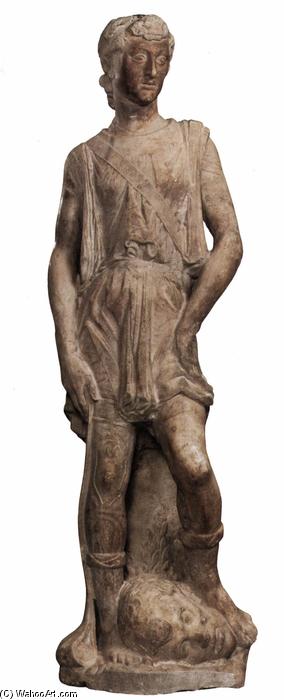
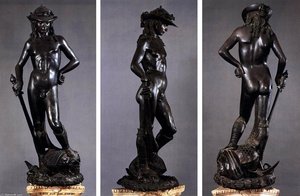
The David of the Casa Martelli: A Testament to Classical Revival
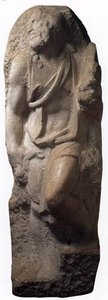
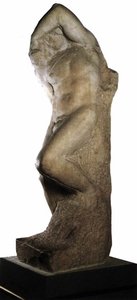
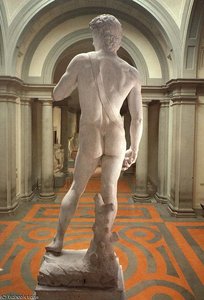
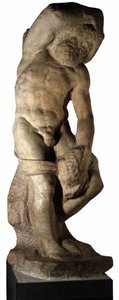
Bernardo Rossellino’s “David of the Casa Martelli,” created circa 1461/1479, stands as a poignant emblem of Florence during its Renaissance zenith. More than just a sculpture—it's a distillation of humanist ideals and a masterful demonstration of artistic innovation—reflecting the profound influence exerted by figures like Brunelleschi and Masaccio on shaping Florentine art.
- Subject Matter: The statue portrays a youthful male figure, likely conceived as an allegorical representation of David slaying Goliath. This biblical narrative resonated deeply within Renaissance humanist thought, emphasizing courage, faith, and triumph over adversity—themes central to the era’s intellectual landscape.
- Style & Technique: Rossellino adhered rigorously to classical sculptural conventions, prioritizing anatomical accuracy and idealized beauty. The terracotta material was chosen for its durability and ability to capture subtle nuances of texture, mirroring the meticulous craftsmanship characteristic of Roman sculpture. The sculptor skillfully employed a technique combining modeling and carving, resulting in an astonishing level of detail that captures the essence of human form.
The Casa Martelli’s David is not merely aesthetically pleasing; it embodies a deliberate stylistic choice—a conscious return to the grandeur of antiquity after the Gothic period dominated European art for centuries. This revival signaled a renewed appreciation for Greco-Roman ideals and served as inspiration for artists across Italy.
- Historical Context: Rossellino’s work flourished during Lorenzo de Medici's reign, marking a period of artistic flourishing fueled by patronage and intellectual curiosity. The sculpture reflects the humanist preoccupation with human anatomy and proportion—a cornerstone of Renaissance art education—demonstrating the transformative impact of rediscovered classical texts on artistic practice.
- Texture & Detail: Observe the remarkable surface texture; it’s deliberately roughened, mirroring the weathered appearance of original terracotta sculptures. Cracks and staining are not defects but integral elements contributing to its visual character and conveying a palpable sense of history—a testament to time's passage and the enduring power of artistic legacy.
Ultimately, “David of the Casa Martelli” transcends mere representation; it communicates an emotional resonance rooted in stillness and contemplation. The statue’s serene expression invites viewers to contemplate themes of courage, resilience, and moral fortitude—values that continue to inspire admiration centuries later.
- Symbolism: David symbolizes divine protection and victory over evil – a powerful visual metaphor reflecting the humanist conviction in human potential for greatness.
Srodna umetnička dela
Biografija umetnika
Bernardo Rossellino: The Florentine Renaissance Architect
Bernardo di Matteo del Borra Gamberelli, affectionately known as Bernardo Rossellino (1409–1464), stands as a cornerstone of Early Renaissance art and architecture in Florence. His legacy extends far beyond his prolific output; he embodies the spirit of innovation and humanist ideals that defined the era, shaping artistic sensibilities for generations to come. Born into a family rooted in Florentine stonemasonry—his uncle Jacopo di Domenico di Luca del Borra Gamberelli imparted foundational skills—Rossellino’s trajectory mirrored the burgeoning dynamism of his time.- Early Life and Training: Little is known about Rossellino's formative years beyond his familial connection to stonemasonry. However, evidence suggests he honed his craft under Nanni di Bartolo, “il Rosso,” a pivotal figure in Florentine sculpture who championed classical ideals.
- The Influence of Brunelleschi and Masaccio: Like many artists of his generation, Rossellino absorbed the revolutionary aesthetic pioneered by Filippo Brunelleschi and Masaccio. Their embrace of linear perspective and idealized human form profoundly impacted Rossellino’s artistic vision—a conviction that would permeate his subsequent endeavors.
Arezzo and the Misericordia Facade: A Bold Experiment in Synthesis
Rossellino's career gained prominence in 1433 when he accepted a commission from the Fraternita di Santa Maria della Misericordia to revitalize the façade of their headquarters in Arezzo. This project presented an extraordinary challenge—the existing Gothic structure demanded a radically different approach. Demonstrrating remarkable ingenuity, Rossellino fused Gothic elements with classical principles, mirroring Alberti’s pioneering efforts at Santa Maria Novella. The resulting design incorporated paired pilasters and aediculae derived from Roman architectural models, establishing Rossellino as a champion of stylistic eclecticism—a hallmark of the Florentine Mannerist style.The Leonardo Bruni Tomb: Defining the Humanist Monument
Perhaps Rossellino’s most celebrated achievement was the tomb he conceived for Leonardo Bruni, Florence's humanist historian and chancellor. Despite the lack of surviving documentation regarding its precise design—two sixteenth-century sources attribute authorship to Rossellino—scholars concur that it exemplifies the zenith of Renaissance sculptural artistry. The tomb’s harmonious composition—characterized by a shallow wall niche framed by pilasters and topped with an arched vault—reflected Bruni's intellectual pursuits and embodied the humanist ideal of unity—a concept championed by Alberti.Rome and Papal Patronage: Mastering Classical Revival
Rossellino’s artistic reputation soared during his tenure in Rome under Pope Nicholas V. He undertook monumental projects, including the restoration of St. Peter's Basilica and the expansion of its choir—tasks that cemented his position as a leading architect of the era. Furthermore, he collaborated with Michelangelo on the rebuilding of St. Peter's, demonstrating an unparalleled understanding of classical architectural techniques.Legacy and Influence
Bernardo Rossellino’s workshop dominated Florentine stonemasonry throughout the 1450s and 1460s, fostering a vibrant artistic environment. His influence extended beyond his own creations—he mentored younger sculptors like Desiderio da Settignano and Michelangelo—propagating his distinctive Mannerist style across Florence. Most notably, Rossellino’s tomb for Bruni served as a template for subsequent funerary monuments, establishing him as the progenitor of the humanist tomb tradition—a testament to his enduring contribution to Renaissance art history.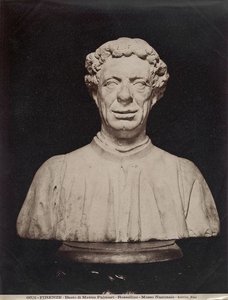
Bernardo Rossellino
1409 - 1464 , Italy
Kratke činjenice
- Artistic Movement Or Style: Early Renaissance
- Artists Or Movements Influenced By This Artist: ['Alberti']
- Artists Who Influenced This Artist:
- Brunelleschi
- Donatello
- Ghiberti
- Masaccio
- Date Of Birth: Florence, Italy (1409)
- Date Of Death: 1464
- Full Name: Bernardo di Matteo del Borra Gamberelli
- Nationality: Italian
- Notable Artworks:
- Leonardo Bruni Tomb
- Madonna of Mercy Relief
- Cardinal Portugal Tomb
- Place Of Birth: Florence