

 Pregledaj u prostoru
 Pošalji
 Podeli
 Detalji o delu

 Преузми
 Slični predmeti
 Rendgenski snimak
 Slajdovi
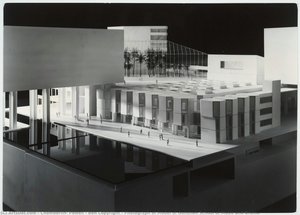
Berlin: New Reich Chancellery


 Pročitaj više
Kupite digitalnu sliku visoke rezolucije i poboljšanog kvaliteta, koja je znatno superiornija od onoga što vidite u online prikazu.
Svaka datoteka je pedantno pripremljena od strane naših stručnjaka koristeći napredne alate i profesionalnu ručnu retušu. Osiguravamo da svaka slika ima izuzetnu oštrinu, preciznu reprodukciju boja i fine detalje.
Konačna datoteka se dostavlja putem e-pošte u roku od 72 sata, optimizovana za neposrednu upotrebu u profesionalnim, izdavačkim i štamparskim okruženjima. To je isti kvalitet kojem veruju vrhunski studiji dizajna, izdavači i galerije.
Digitalna slika
Preuzmite datoteku visoke rezolucije za ličnu upotrebu, štampanje i kreativne projekte. ( Kupi print Kupi ručno naslikanu sliku)
Uključeno uz svaku porudžbinu digitalne slike
Profesionalna digitalna isporuka, zagarantovana
Kada odaberete ArtsDot.com, ne dobijate samo sliku – vi primate profesionalno unapređeno digitalno umetničko delo, izrađeno sa najvećom preciznošću i uz garanciju zadovoljstva. Evo svega što automatski dolazi uz vašu porudžbinu:

Brza dostava putem e-pošte
Vaša digitalna slika visoke rezolucije biće vam poslata putem e-pošte u roku od 72 sata od poručivanja – spremna za trenutnu upotrebu.

Digitalna datoteka unapređena veštačkom inteligencijom
Vaše umetničko delo je profesionalno optimizovano korišćenjem naprednih AI alata i ručne obrade, čime se osiguravaju maksimalni detalji, oštrina i preciznost boja.

Besplatna ponovna isporuka doživotno
Slučajno ste obrisali ili izgubili svoju datoteku? Ne brinite – poslaćemo vam je ponovo u bilo kom trenutku, potpuno besplatno.

Bez troškova uvoza – zauvek
Uživajte u svojim umetničkim delima trenutno, bez carine, dažbina ili troškova dostave – digitalni download je uvek bez poreza.

Garancija vernosti boja
Uz pomoć profesionalnih alata i upravljanja bojama, osiguravamo da vaša digitalna slika što vernije odražava originalne boje.

Garancija zadovoljstva u roku od 60 dana
Ako niste zadovoljni svojom digitalnom slikom, revidirat ćemo je ili vratiti 100% novca u roku od 60 dana – bez ikakvih pitanja.

100% garancija povrata novca
Niste zadovoljni? Obezbedite pun povrat novca u roku od 60 dana od trenutka kada ste primili svoju digitalnu datoteku – bez suvišnih pitanja.

Popusti na velike porudžbine
Kupite 3 slike, uštedite 10% - Kupite 5 slika, uštedite 15% - Kupite 10+ slika, uštedite 20%. Odlično za kreativne projekte, galerije i agencije.
Berlin: New Reich Chancellery – A Monument of Ambition Under Shadow
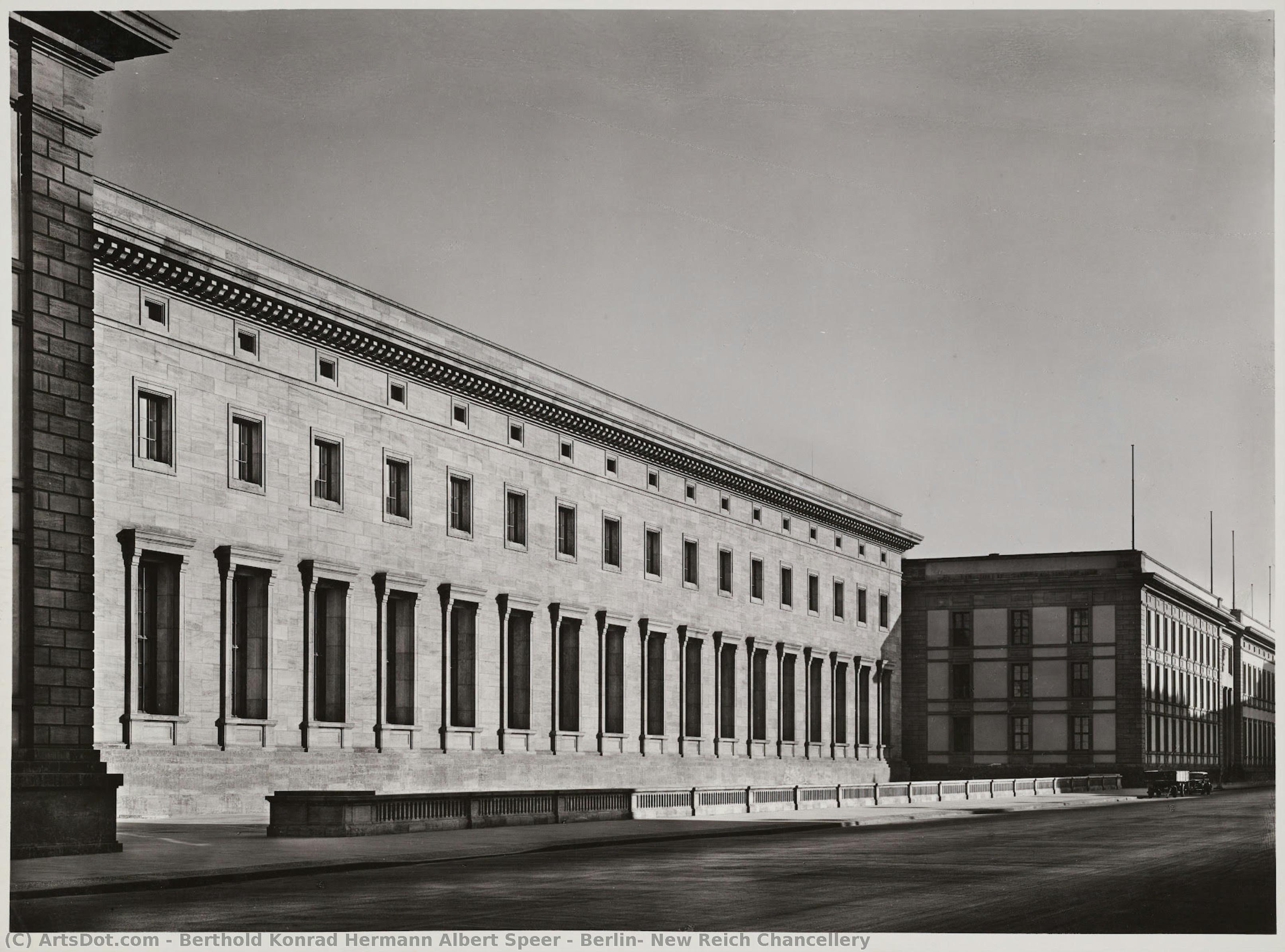
The photograph captures a moment frozen in time—February 8th, 1942—the day Berthold Konrad Hermann Albert Speer ascended to the role of Führer’s Architect. This monumental image depicts the Berlin New Reich Chancellery building, rendered in stark black and white by Speer himself, offering an unflinching glimpse into the aesthetic sensibilities of Nazi Germany during its zenith. More than just a depiction of architectural grandeur, it serves as a potent symbol of power, control, and the chilling ambition that fueled Hitler’s reign.- Composition & Perspective: The photograph employs a masterful one-point perspective, drawing the viewer's eye towards a vanishing point beyond the frame—a technique deliberately chosen to convey distance and emphasize the building’s imposing scale. Symmetry dominates the composition, mirroring the ideological balance Speer sought to embody within his architectural vision.
- Architectural Detail & Technique: Speer utilized a large format camera, ensuring exceptional detail capture – crucial for documenting the precise construction of this ambitious project. The photograph reveals subtle textural nuances in the stone facade, illuminated by natural daylight, demonstrating meticulous attention to surface irregularities and highlighting the building’s materiality.
- Historical Context & Symbolism: Constructed during Hitler's leadership, the New Reich Chancellery embodies the Nazi regime’s obsession with monumental architecture as a tool of propaganda. Its austere design reflects the ideological principles of order, discipline, and dominance—values central to Speer’s worldview and inextricably linked to the horrors of the Holocaust.
- Lighting & Atmosphere: The photograph's lighting is diffused daylight, casting long shadows that accentuate the building’s solidity and contribute to an atmosphere of solemn formality. This deliberate choice underscores the seriousness of the subject matter—a testament to architectural achievement amidst a period defined by oppression.
- Style & Emotional Impact: Documentary realism prevails, prioritizing accuracy over artistic embellishment. Yet, the monochrome palette evokes feelings of austerity and detachment, mirroring the emotional landscape of Nazi Germany – a visual reminder of both grandeur and terror.
- Materials Used: The image was produced on photographic paper utilizing chemical processes—a testament to the craftsmanship of the time.
Srodna umetnička dela
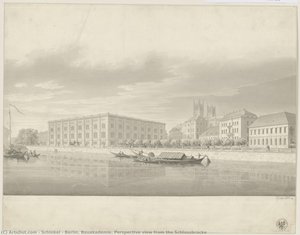
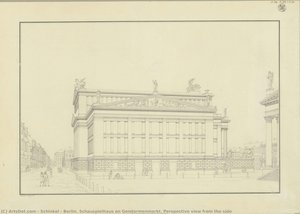
Biografija umetnika
A Life Forged in Ambition and Shadow
Berthold Konrad Hermann Albert Speer, a name inextricably linked to the chilling grandeur of Nazi Germany, was born in Mannheim in 1905 into an upper-middle-class family with architectural roots. His father, Albert Friedrich Speer, instilled within him not only a profession but also a fascination with form and structure that would ultimately serve a dark purpose. Young Albert’s early life wasn't marked by warmth; accounts suggest challenging relationships with his brothers, fostering perhaps an inward focus and ambition that defined his trajectory. He pursued architectural studies at Karlsruhe, Munich, and finally Berlin’s Technical University, where the influence of Heinrich Tessenow shaped his initial aesthetic leanings – a foundation he would later twist to serve a monstrous ideology. Little could anyone have foreseen how this promising architect would become so deeply entwined with one of history's most horrific regimes.Ascension Within the Third Reich
The year 1931 marked a turning point, as Speer joined the Nazi Party, drawn by promises of national renewal and order – a seductive appeal in a Germany reeling from economic hardship and political instability. His architectural talent quickly garnered recognition within party circles, propelling him into Adolf Hitler’s inner circle. This wasn't merely professional advancement; it was an ideological alignment that would define his life and legacy. In 1937, he was appointed General Building Inspector for Berlin, a position of immense power and responsibility. However, this role came with a sinister undercurrent: overseeing the eviction of Jewish tenants from their homes as part of the Nazi’s systematic persecution. This act wasn't an isolated incident but a crucial component of his ascent, demonstrating his willingness to implement the regime’s brutal policies. He became Hitler’s favored architect, tasked with transforming Berlin into “Germania,” a monumental capital reflecting the supposed thousand-year reign of the Third Reich.Monumental Visions and the Architecture of Power
Speer's architectural style was characterized by an imposing scale, neoclassical elements, and a deliberate focus on creating structures that projected power and instilled awe. He wasn’t interested in innovation for its own sake; his designs were instruments of propaganda, intended to inspire loyalty and demonstrate the regime’s dominance. The Reich Chancellery in Berlin (1938-1939) stands as a prime example – a vast, intimidating complex designed to overawe visitors and symbolize Nazi authority. Equally significant were the Nazi Party Rally Grounds in Nuremberg, massive complexes conceived for elaborate propaganda events, utilizing light, space, and sheer size to manipulate emotions and reinforce the cult of personality surrounding Hitler. These weren’t simply buildings; they were carefully orchestrated environments meant to control perception and solidify power. He sought to create a sense of timelessness, drawing inspiration from Roman architecture, believing that such grandeur would ensure his structures endured for centuries – a chilling testament to his ambition and ideological conviction.From Architect to Armaments Minister
In February 1942, Speer’s role dramatically shifted when he was appointed Reich Minister of Armaments and War Production. This marked a turning point not only in his career but also in the war effort itself. He implemented innovative organizational methods that significantly increased German war production, though often relying on misleading statistics to inflate his successes. However, this “armaments miracle” came at an unspeakable cost: the systematic exploitation of slave labor on a massive scale. Prisoners of war and concentration camp inmates were utilized in factories and construction projects, their suffering fueling the Nazi war machine. This reliance on forced labor was not merely a logistical necessity; it was central to Speer’s success, a dark secret he attempted to conceal during the Nuremberg trials. He became a master of efficiency, but his efficiency was built upon unimaginable cruelty.Judgment and Legacy
Following World War II, Albert Speer faced justice at the Nuremberg Trials, indicted as a major war criminal. He was found guilty of war crimes and crimes against humanity, primarily for his role in utilizing slave labor. Despite attempts to distance himself from the Holocaust, evidence revealed his awareness and involvement in Nazi atrocities. Sentenced to 20 years in Spandau Prison, he served his full term, during which he penned two autobiographical books: Inside the Third Reich (1969) and Spandau: The Secret Diaries (1975). These memoirs offered a unique perspective on life within the Nazi regime but have been widely criticized for presenting a self-serving narrative, attempting to minimize his culpability. He died of a stroke in London in 1981, leaving behind a legacy that continues to provoke debate and condemnation. Albert Speer remains a profoundly controversial figure – an architect of both breathtaking ambition and unspeakable evil, forever bound to the darkest chapter of modern history. His story serves as a stark reminder of the dangers of unchecked power, ideological fanaticism, and the seductive allure of architectural grandeur used for nefarious purposes.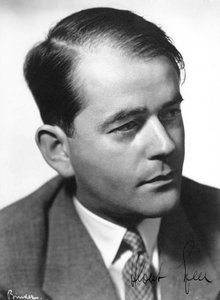
berthold konrad hermann albert speer
1905 - 1981 , Germany
Kratke činjenice
- Artistic Movement Or Style: Nazi architecture
- Artists Who Influenced This Artist: ['Heinrich Tessenow']
- Date Of Birth: March 19, 1905
- Date Of Death: September 1, 1981
- Full Name: Albert Speer
- Nationality: German
- Notable Artworks:
- Reich Chancellery
- Nuremberg Rally Grounds
- Place Of Birth: Mannheim, Germany

