

 Pregledaj u prostoru
 Pošalji
 Podeli
 Detalji o delu

 Преузми
 Slični predmeti
 Rendgenski snimak
 Slajdovi
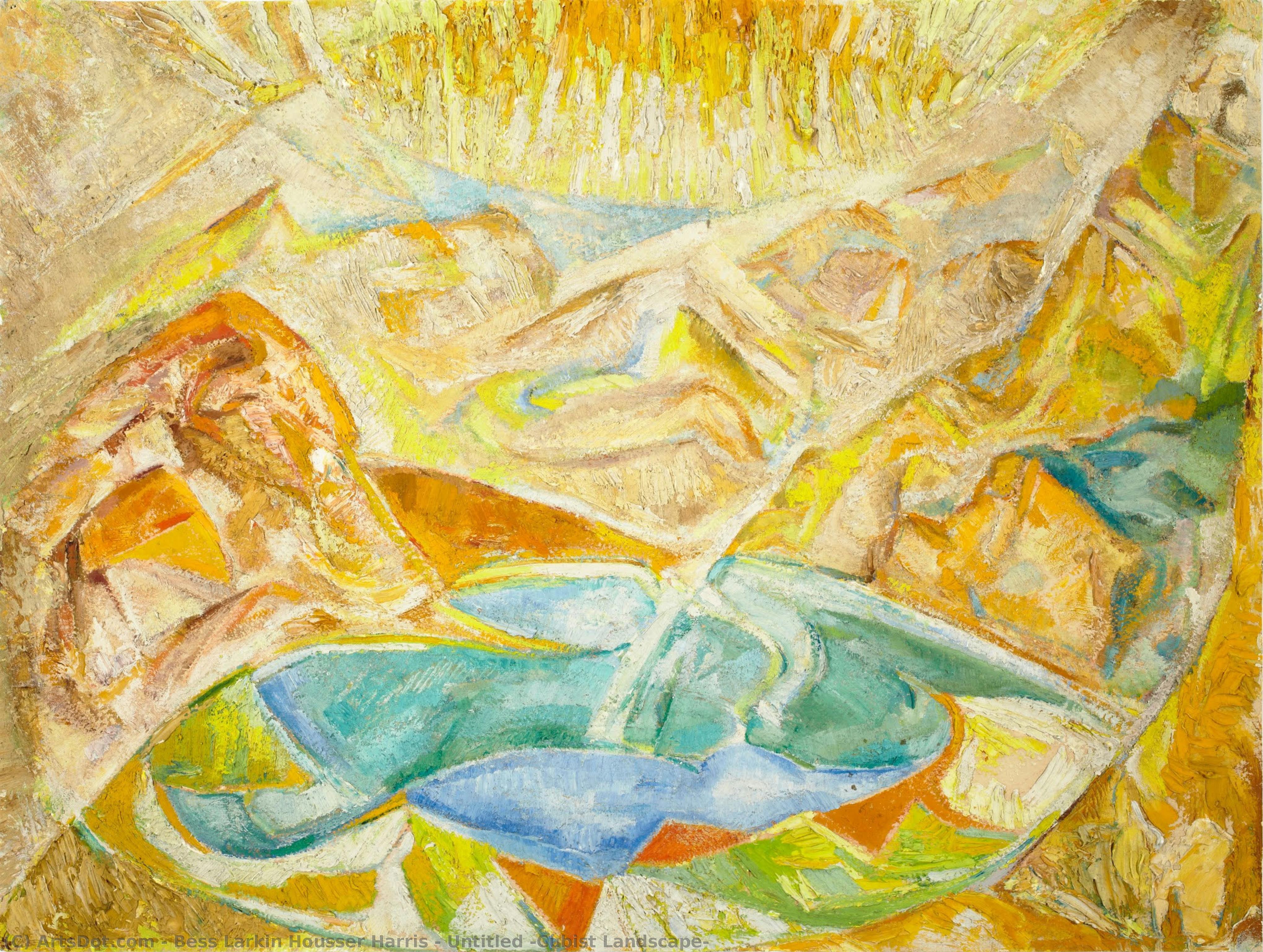
Untitled (Cubist Landscape)


 Pročitaj više
Giclee štampa / Umetnički otisak
Giclée štampa ili print na platnu muzejskog kvaliteta uz brzu proizvodnju i fleksibilne opcije završne obrade. ( Kupi ručno naslikanu sliku Kupi digitalnu sliku)




P118B $10

P118H $10

P118W $10

P438Z $10

P508JH $12

P508YH $12

P805H $10

P805Z $10

P919BZ $10

P919G $10

P919XJ $10

P959ZH $10

P968JZ $12

W106C $8

W218G $10

W218JH $8

W218Y $10

W307PJ $10

W316G $10

W316PJ $8

W316Y $10

W398PJ $8

W4111J $10

W500HY $15

W500JH $15

W692G $12

W849H $8

W940BG $15

W953PJ $8




Izaberite jednu od naših unapred definisanih veličina koje odgovaraju originalnim proporcijama umetničkog dela.

Možete uneti sopstvene dimenzije kako biste umetničko delo prilagodili specifičnom okviru ili prostoru. Ako odabrani format ne odgovara proporcijama originalne slike, mi ćemo ili iscrtati deo dela ili proširiti sliku pomoću ogledane ivice ili jednobojnog popunjavanja. Digitalni prikaz će vam biti poslat na odobrenje pre početka proizvodnje.
Imajte na umu da pregled na ekranu ne odražava stvarno iscrtavanje ili proširivanje. Samo će prikaz (mockup) precizno pokazati finalnu kompoziciju.
Iako su prilagođene dimenzije dostupne, preporučujemo da odaberete dimenziju sa unapred definisane liste kako biste očuvali originalne proporcije.
Dostava širom sveta () za 2 nedelje umesto uobičajenih 4/5 nedelja. (7 септембар)

Besplatna ekspresna dostava širom sveta

Visokokvalitetno laneno platno

Kompletno osiguranje transporta

Garancija povraćaja carine i uvoznih dažbina

Garancija vernosti boja

Politika povraćaja u roku od 100 dana (isključivo u slučaju nedostataka)

Garancija povrata novca od 100%

Popust pri grupnoj kupovini
 Opcija sa staklom dostupna je samo za dimenzije manje od 110 cm

Untitled (Cubist Landscape)
Giclee štampa / Umetnički otisak
Dimenzije reprodukcije
-


Konačna cena
$ 62
A Window into a Fragmented World
In the captivating realm of Untitled (Cubist Landscape), Bess Larkin Housser Harris invites the viewer to step through a fractured window into a dreamlike dimension. Created in 1960, this evocative piece transcends traditional landscape painting by deconstructing the natural world into a rhythmic dance of geometric forms and warm, sunset-infused hues. The composition centers on a serene body of water, mirrored by distant mountains that rise like jagged silhouettes against a sky ablaze with the golden embers of dusk. It is not merely a depiction of a place, but an exploration of how light and shape can coalesce to create a sense of profound depth and movement, pulling the observer into a world where reality and abstraction seamlessly intertwine.
The artist’s mastery of the Cubist style is evident in the way she orchestrates the interplay between human presence and the wild landscape. Scattered throughout the scene are figures that appear almost as rhythmic punctuation marks within the larger composition, some anchored in the foreground while others drift toward the horizon. The inclusion of an animal near the heart of the painting adds a layer of organic vitality to the structured geometry. Through these elements, Harris explores the relationship between humanity and nature, suggesting a shared existence within a landscape that is simultaneously stable in its mountainous permanence and fluid in its shifting light.
Technique and the Legacy of Canadian Modernism
Bess Larkin Housser Harris brings a unique perspective to the Cubist tradition, blending the structural rigor of the movement with the soulful, atmospheric qualities often found in Canadian landscape art. Her technique utilizes a sophisticated palette of warm tones—golds, deep oranges, and soft ambers—to evoke the fleeting magic of a sunset. The brushwork, while maintaining the sharp edges required for Cubist fragmentation, possesses a certain fluidity that allows the light to seem as though it is vibrating across the surface of the water. This balance of precision and atmosphere creates an emotional resonance that is both intellectually stimulating and visually soothing.
As a painter whose career intersected with the legendary Group of Seven and the Canadian Group of Painters, Harris carries a legacy of reimagining the North American wilderness. In this particular work, she moves away from pure realism to embrace a more modern, psychological approach to scenery. For the discerning collector or interior designer, this piece offers much more than mere decoration; it serves as a sophisticated focal point that brings a sense of historical depth and avant-garde elegance to any space. Whether placed in a contemporary gallery setting or a classic study, Untitled (Cubist Landscape) continues to pulse with the vibrant energy of a world seen through a beautifully broken lens.
Srodna umetnička dela
Biografija umetnika
Bess Larkin Housser Harris: A Pioneering Canadian Painter
Early Life and Education
- Born: 1890 in Brandon, Manitoba, Canada.
- Bess Larkin received her foundational education at Havergal College in Toronto, Ontario. This institution played a crucial role in shaping her future artistic pursuits.
- Though she lacked formal art school training, she later took lessons from Frederick Varley, which helped refine her skills.
Artistic Career and Associations
- Group of Seven Connection: Bess Larkin Housser Harris participated in exhibitions alongside the renowned Group of Seven, a pivotal moment in Canadian art history. While not a formal member, her association with this group significantly impacted her artistic development.
- Canadian Group of Painters: She was an esteemed member of the Canadian Group of Painters, further solidifying her position within Canada’s vibrant art scene.
- International Exposure: Her work gained international recognition through exhibitions at the Wembley Show in England (1926) and the Corcoran Gallery of Art in Washington, D.C. (1930).
Personal Life
- First Marriage: Bess married F.B. Housser in 1914. The marriage ended due to his affair with artist Yvonne McKague.
- Second Marriage: In 1934, she married Lawren Harris, a prominent member of the Group of Seven. They spent time in the United States before relocating to Vancouver, British Columbia, in 1940.
Artistic Contributions and Style
- Landscape Painting: Harris’s paintings primarily focused on landscapes, capturing the rugged beauty of the Canadian wilderness. Her style evolved over time, incorporating elements of post-impressionism and cubism.
- Mountain Sketch (1929) exemplifies her dramatic use of color and expressive brushwork to convey the grandeur of the mountains.
- Cubist Explorations: She also experimented with Cubist techniques, as seen in works like Untitled (Cubist Landscape), demonstrating a willingness to explore modern artistic trends.
Literary Contributions
- Art Criticism: Between 1923 and 1926, Harris wrote articles about art for The Canadian Bookman, showcasing her intellectual engagement with the artistic community and solidifying her influence as a critic.
Legacy and Historical Significance
- Understated Influence: While perhaps not as widely celebrated as some of her contemporaries, Bess Larkin Housser Harris’s contributions significantly enrich the Canadian art landscape.
- Shaping Artistic Identity: Her work and writings played a crucial role in shaping Canada's artistic identity during a period of significant cultural development.
- Later Life & Death: Bess Larkin Housser Harris passed away in 1969 in Vancouver, leaving behind a legacy that continues to be appreciated by art enthusiasts and scholars.
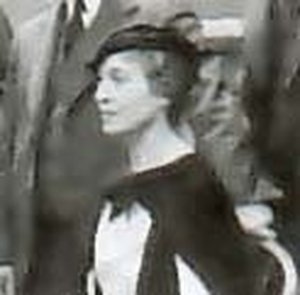
bess larkin housser harris
1890 - 1969 , Canada
Osnovne informacije
- Birth Date: 1890
- Birth Place: Brandon, Manitoba, Canada
- Death Date: 1969
- Movement:
- Group of Seven
- Canadian Group of Painters
- Name: Bess Larkin Housser Harris
- Nationality: Canadian
- Notable Works:
- Mountain Sketch
- Untitled (Cubist Landscape)
- Napoleon First Consul
Povezani članci
Redefining Nature: A Collector's Guide to the Geometric Beauty of Cubist Landscapes
Explore the revolutionary world of Cubist landscapes. Discover how masters like Picasso and Braque redefined nature through geometric beauty, and learn expert tips for curating these transformative masterpieces in your modern home collection.

Glavna dela koja su definisala Romantični pejzaž: 10 remek-dela za vaš dom
Otkrijte 10 remek-dela romantičnog pejzažnog slikarstva! Uronite u svet Claude Lorraina, Caspara David Friedricha i Turnera. Ispričane priče umetnosti, inspiracija za dekoraciju doma. Kvalitetne reprodukcije na ArtsDot.com – istražite celu kolekciju online!

Paul Cézanne: 25 Remek-dela Revolucionarnog Umjetnika | ArtsDot
Istražite 25 remek-dela Paula Cézanna, revolucionarnog slikara impresionizma i postimpresionizma. Otkrijte priče iza ikoničnih pejzaža, portreta i mrtve prirode. Kupite luksuzne reprodukcije slika na ArtsDot.com!

25 Remek-dela Džona Konstebla: Lepota Engleske na Platnu | ArtsDot
Uronite u svet Džona Konstebla! Otkrijte 25 remek-dela engleskog pejzaža, romantizma i seoske idile. Kupite reprodukcije slika vrhunskog kvaliteta za dekoraciju enterijera na ArtsDot.com.

Evocations of Place: A Historical Journey Through Landscape Art
Explore the rich history of landscape art with ArtsDot. Discover renowned artists, movements like Impressionism & Romanticism, and expert guidance for collecting timeless pieces. Find your perfect serene escape today!