

 Pregledaj u prostoru
 Pošalji
 Podeli
 Detalji o delu

 Преузми
 Slični predmeti
 Rendgenski snimak
 Slajdovi
 Stats
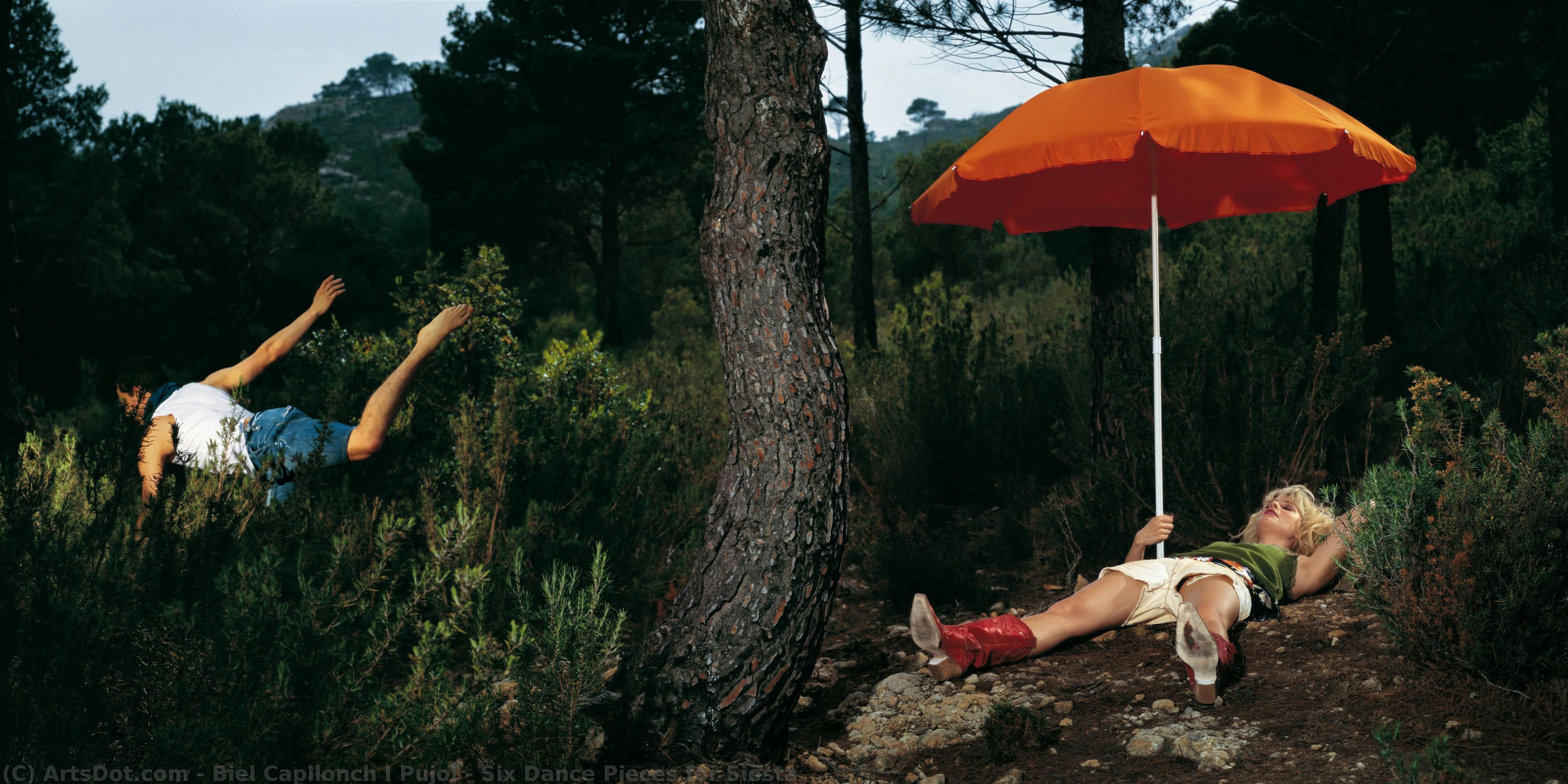
StatsSix Dance Pieces for Siesta
 2006
2006 60.0 x 120.0 cm
 Muzej dizajna u Barseloni
 Pročitaj više
Ručno rađena uljana reprodukcija
Ručno oslikano uljanim bojama na platnu u dimenzijama i okviru po vašem izboru, izrađeno po porudžbini od strane naših umetnika. ( Switch to Print Switch to Digital Image)




































Izaberite jednu od naših unapred definisanih veličina koje odgovaraju originalnim proporcijama umetničkog dela.

Можете унети сопствене димензије како бисте прилагодили дело одређеном оквиру или простору. Ако одабрана величина не одговара пропорцијама оригинала, слика ће бити исечена или проширена додатним елементима који се ручно насликавају. Дигитални prikaz ће вам бити послат на одобрење пре почетка производње.
Имајте на уму да преглед на екрану не одражава стварно исецање или проширење. Само приказ (mockup) ће тачно приказати коначну композицију.
Иако су доступне прилагођене величине, препоручујемо да одаберете димензију из дефинисане листе како бисте сачували оригиналне пропорције.
Nakon narudžbine, tim ArtsDot.com će klijentu putem e-pošte poslati uputstva i dostaviti prikaz predloženog rešenja
Isporuka širom sveta () za 3/4 nedelje umesto uobičajenih 5 nedelja. (8 септембар). Bez kompromisa po pitanju kvaliteta.

Besplatna ekspresna dostava širom sveta

Visokokvalitetno laneno platno

Kompletno osiguranje transporta

Garancija povraćaja carine i uvoznih dažbina

Garancija vernosti boja

Politika povraćaja u roku od 100 dana (isključivo u slučaju nedostataka)

Garancija povrata novca od 100%

Popust pri grupnoj kupovini
 Opcija sa staklom dostupna je samo za dimenzije manje od 110 cm

Six Dance Pieces for Siesta
Tehnika reprodukcije
Dimenzije reprodukcije
-


Konačna cena
$ 263
Srodna umetnička dela







Biografija umetnika
Robert Rauschenberg: A Life in Flux and Fusion
Born Milton Ernest Rauschenberg in Port Arthur, Texas, on October 22, 1925, Robert Rauschenberg’s artistic journey was defined by a restless curiosity and an unwavering commitment to blurring the boundaries between disciplines. His early life, shaped by a fundamentalist Christian upbringing and a strong connection to his family—particularly his sister Janet—provided a grounding that would later inform his exploration of personal narratives and societal observations. Rauschenberg’s artistic development wasn't linear; it was a constant process of experimentation, absorbing influences from various sources – including the vibrant energy of post-war New York, the burgeoning world of assemblage art, and the radical ideas circulating within the nascent Pop Art movement.
Early studies at the University of Texas at Austin exposed him to the principles of design and photography, skills he would later master. However, it was his time in Europe, particularly in France during 1949-50, that proved transformative. Immersed in a milieu of avant-garde artists and writers—including Jean Arp, Max Ernst, and Marcel Duchamp—Rauschenberg began to dismantle traditional notions of painting and sculpture. He embraced the concept of “chance” as a crucial element in his creative process, utilizing techniques like card decks and dice rolls to determine color palettes, compositional arrangements, and even the incorporation of found objects into his work.
The Rise of Assemblage and Combines
Rauschenberg’s breakthrough came with his “Assemblages” (1954-1960), works that challenged the established hierarchy between painting and sculpture. These pieces, often constructed from everyday materials—discarded objects, photographs, fabric scraps, and even human hair—were not merely decorative; they were complex statements about consumer culture, memory, and the relationship between art and life. The term “Combine” emerged to describe his subsequent series of works (1954-1964), which further pushed these boundaries by integrating painting with sculptural elements, often incorporating found objects directly onto the canvas. These Combines—such as *Monogram* (1955) – were deliberately ambiguous, inviting viewers to interpret their meaning through a process of active engagement.
The influence of Marcel Duchamp is undeniable in Rauschenberg’s approach. Like Duchamp, he questioned the very definition of art, arguing that its value resided not in technical skill but in the conceptual idea behind it. However, unlike Duchamp's often ironic detachment, Rauschenberg infused his work with a palpable sense of empathy and vulnerability. His use of photographs—often sourced from vernacular magazines—added another layer of complexity, layering personal memories with broader cultural contexts.
Autobiography: A Monumental Reflection
In 1968, Rauschenberg created *Autobiography*, a monumental print that stands as one of the most significant works of his career. Commissioned by Marion Javits, wife of Senator Jacob Javits, this sixteen-and-a-half-foot-tall work is a sprawling collage of images—photographs, X-rays, maps, and found objects—arranged in a chaotic yet meticulously orchestrated composition. Printed on three sheets of paper using a billboard press (an unprecedented technique for fine art printing at the time), *Autobiography* represents a culmination of Rauschenberg’s artistic explorations, serving as a visual autobiography that simultaneously celebrates his personal history and reflects upon the broader cultural landscape.
The text printed on the central panel of *Autobiography*, transcribed in detail by Rauschenberg himself, is a poignant meditation on memory, loss, and the passage of time. It’s a deeply personal work, yet it also speaks to universal themes of identity and experience. The use of indexical images—direct traces of the artist's life—creates a powerful sense of immediacy and intimacy.
Late Career and Legacy
Throughout the 1970s and beyond, Rauschenberg continued to experiment with new media, including papermaking, performance art, and tapestry. He remained committed to his core principles of chance, collaboration, and the integration of disparate elements. His work during this period often explored themes of environmentalism, social justice, and the complexities of human relationships.
Rauschenberg’s influence on subsequent generations of artists is immeasurable. His pioneering approach to assemblage, his embrace of chance operations, and his willingness to challenge traditional artistic conventions paved the way for a wide range of contemporary practices. He received numerous accolades throughout his career, including the National Medal of Arts in 1993 and the Leonardo da Vinci World Award of Arts in 1995. Robert Rauschenberg died on May 12, 2008, leaving behind a vast and remarkably diverse body of work that continues to inspire and provoke thought.

biel capllonch i pujol
1968 - , Spain
Osnovne informacije
- Artistic Movement Or Style:
- Assemblage
- Pop Art
- Neo-Dada
- Abstract Expressionism
- Artists Or Movements Influenced By This Artist:
- Andy Warhol
- Minimalism
- Artists Who Influenced This Artist:
- Picasso
- Pollock
- Jasper Johns
- Date Of Birth: October 22, 1925
- Date Of Death: May 12, 2008
- Full Name: Robert Rauschenberg
- Nationality: American
- Notable Artworks:
- Monogram
- Canyon
- Rauschenberg Prints
- Autobiography
- Place Of Birth: Port Arthur, Texas, USA