

 Pregledaj u prostoru
 Pošalji
 Podeli
 Detalji o delu

 Преузми
 Slični predmeti
 Rendgenski snimak
 Slajdovi
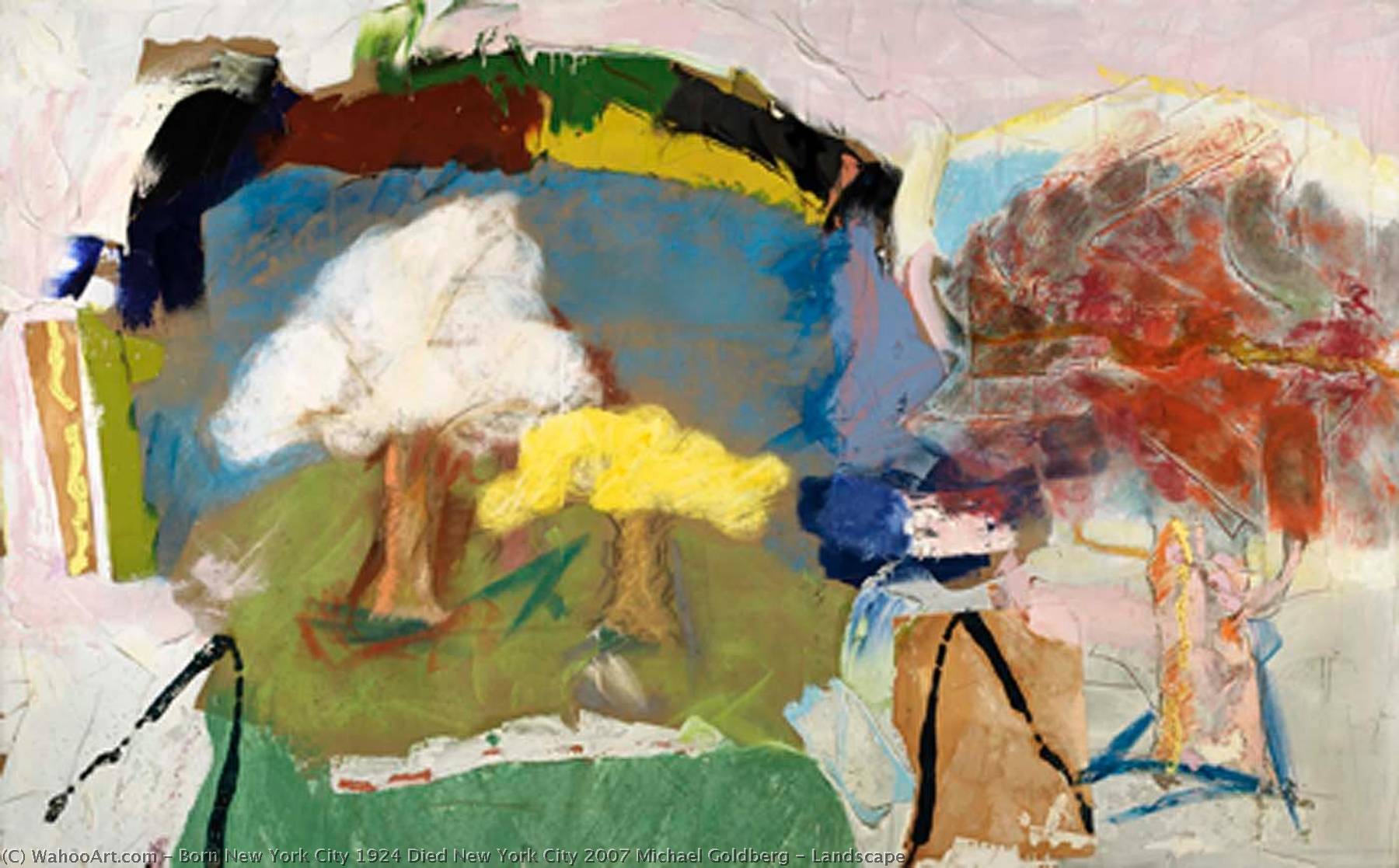
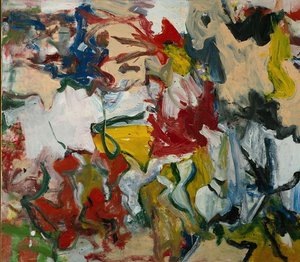
Landscape
 1965
1965 207.0 x 318.0 cm
 Pročitaj više
Giclee štampa / Umetnički otisak
Giclée štampa ili print na platnu muzejskog kvaliteta uz brzu proizvodnju i fleksibilne opcije završne obrade. ( Kupi ručno naslikanu sliku Kupi digitalnu sliku)




































Izaberite jednu od naših unapred definisanih veličina koje odgovaraju originalnim proporcijama umetničkog dela.

Možete uneti sopstvene dimenzije kako biste umetničko delo prilagodili specifičnom okviru ili prostoru. Ako odabrani format ne odgovara proporcijama originalne slike, mi ćemo ili iscrtati deo dela ili proširiti sliku pomoću ogledane ivice ili jednobojnog popunjavanja. Digitalni prikaz će vam biti poslat na odobrenje pre početka proizvodnje.
Imajte na umu da pregled na ekranu ne odražava stvarno iscrtavanje ili proširivanje. Samo će prikaz (mockup) precizno pokazati finalnu kompoziciju.
Iako su prilagođene dimenzije dostupne, preporučujemo da odaberete dimenziju sa unapred definisane liste kako biste očuvali originalne proporcije.
Dostava širom sveta () za 2 nedelje umesto uobičajenih 4/5 nedelja. (2 септембар)

Besplatna ekspresna dostava širom sveta

Visokokvalitetno laneno platno

Kompletno osiguranje transporta

Garancija povraćaja carine i uvoznih dažbina

Garancija vernosti boja

Politika povrata u roku od 60 dana (samo u slučaju nedostataka)

Garancija povrata novca od 100%

Popust pri grupnoj kupovini
 Opcija sa staklom dostupna je samo za dimenzije manje od 110 cm

Landscape
Giclee štampa / Umetnički otisak
Dimenzije reprodukcije
-


Konačna cena
$ 62
Abstract Expressionism and its Influence
Abstract expressionism was a movement that emerged in the 1940s, characterized by its emphasis on emotional intensity and spontaneous creation. Artists like Arshile Gorky, Jackson Pollock, and Willem de Kooning were instrumental in shaping this movement. Goldberg's work, including the Landscape painting, was heavily influenced by this style.Key Features of the Painting
The Landscape painting features a unique combination of collage elements, including paper and fabric, which creates a textured and layered effect. The dominant colors used in the painting are earthy tones, with splashes of blue and green. The overall composition is dynamic, with bold brushstrokes and geometric shapes.- The use of collage elements adds depth and complexity to the painting
- The earthy tone color palette creates a sense of balance and harmony
- The bold brushstrokes and geometric shapes add energy and movement to the piece
The Landscape painting by Michael Goldberg is a masterpiece of abstract expressionism, showcasing the artist's unique style and technique. Its complex composition, bold brushstrokes, and earthy tone color palette make it a standout piece in the world of modern art.
Srodna umetnička dela






Biografija umetnika
Michael Goldberg: A Pioneer of Gesture and Color
Born in the Bronx in 1924, Michael Goldberg emerged from the vibrant, post-war crucible of New York City as a singular and powerful voice within the Abstract Expressionist movement. His artistic journey was marked by an early precocity; at just fourteen years old, he began enrolling in classes at the Art Students League of $\text{New York}$, setting the stage for a lifetime of profound exploration. This formative period placed him at the heart of a burgeoning modernism, where the boundaries of canvas and emotion were being radically redefined. His development was further shaped by his time studying under the legendary Hans Hofmann, a mentor whose teachings on spontaneity and the expressive potential of color would become the bedrock of Goldberg’s aesthetic language.
The trajectory of Goldberg's life was not without its interruptions, as the shadows of global conflict reached even the studios of Manhattan. A veteran of World War II, he served with distinction in North Africa and the China-Burma-India Theater, earning both a Purple Heart and a Bronze Star. This period of intense, real-world experience added a layer of psychological depth to his later work, perhaps informing the raw, visceral energy found in his compositions. Upon returning to New York, he found himself immersed in the legendary Eighth Street Club and the Cedar Bar, spaces where he engaged in spirited dialogues with titans such as Willem de Kooning, Jackson Pollock, and Lee Krasner. These interactions were not merely social; they were intellectual skirmishes that helped solidify his position within the "second generation" of the New York School.
The Language of Action and Abstraction
Goldberg’s mature style is best characterized by its rhythmic, gestural intensity. He was a master of action painting, a technique where the act of creation itself becomes visible through energetic brushstrokes and layered textures. His canvases often pulsate with a sense of movement, as if the paint were still in the process of settling upon the surface. This kinetic energy was frequently balanced by a sophisticated command of color. He utilized bold reds, deep blues, and luminous yellows to create compositions that felt both structurally sound and emotionally volatile. In many ways, his work sought to bridge the gap between the heavy traditions of Western European painting and the emerging, liberated spirit of post-war American abstraction.
While much of his fame rests upon his purely abstract works, Goldberg possessed a remarkable ability to infuse recognizable forms with an abstract sensibility. His still lifes and urban vistas serve as poignant reminders of his engagement with the tangible world. In these pieces, the distinction between subject and medium begins to blur; a stool or a cityscape becomes less a literal depiction and more a vessel for light, shadow, and texture. This duality allowed him to maintain a connection to the everyday experience while simultaneously pursuing the sublime heights of pure abstraction.
Legacy and Historical Significance
As the art world shifted toward Color Field painting, Hard-edge abstraction, and eventually Pop Art, Goldberg remained steadfast in his commitment to the gestural tradition. While some critics viewed this as a resistance to changing fashions, it can more accurately be seen as a dedicated pursuit of an authentic, expressive medium. His ability to maintain relevance through decades of stylistic upheaval is a testament to the enduring power of his visual language.
Today, the historical significance of Michael Goldberg is recognized through his presence in some of the world's most prestigious institutions. His contributions to the canon of American art are preserved in collections such as:
- The Museum of Modern Art (MoMA), New York
- The Whitney Museum of American Art, New York
- The Hirshhorn Museum and Sculpture Garden, Washington, D.C.
- The Cleveland Museum of Art, Ohio
- The Baltimore Museum of Art, Maryland
Through his prolific output and his role as a teacher at the School of Visual Arts, Goldberg helped sustain the flame of Abstract Expressionism long after its initial explosion. He remains a vital figure for anyone seeking to understand the profound emotional landscape of mid-century American modernism.
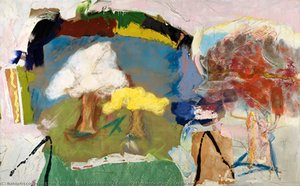
born new york city 1924 died new york city 2007 michael goldberg
1924 - 2007 , United States of America
Osnovne informacije
- Artistic Movement Or Style: Abstract Expressionism
- Artists Who Influenced This Artist:
- Joan Mitchell
- Alfred Leslie
- Helen Frankenthaler
- Willem de Kooning
- Date Of Birth: December 24, 1924
- Date Of Death: December 31, 2007
- Full Name: Michael Goldberg
- Nationality: American
- Notable Artworks:
- Sir Moses Gaster
- Untitled (stool)
- Hill 12
- Place Of Birth: The Bronx, United States

