

 Pregledaj u prostoru
 Pošalji
 Podeli
 Detalji o delu

 Преузми
 Slični predmeti
 Rendgenski snimak
 Slajdovi
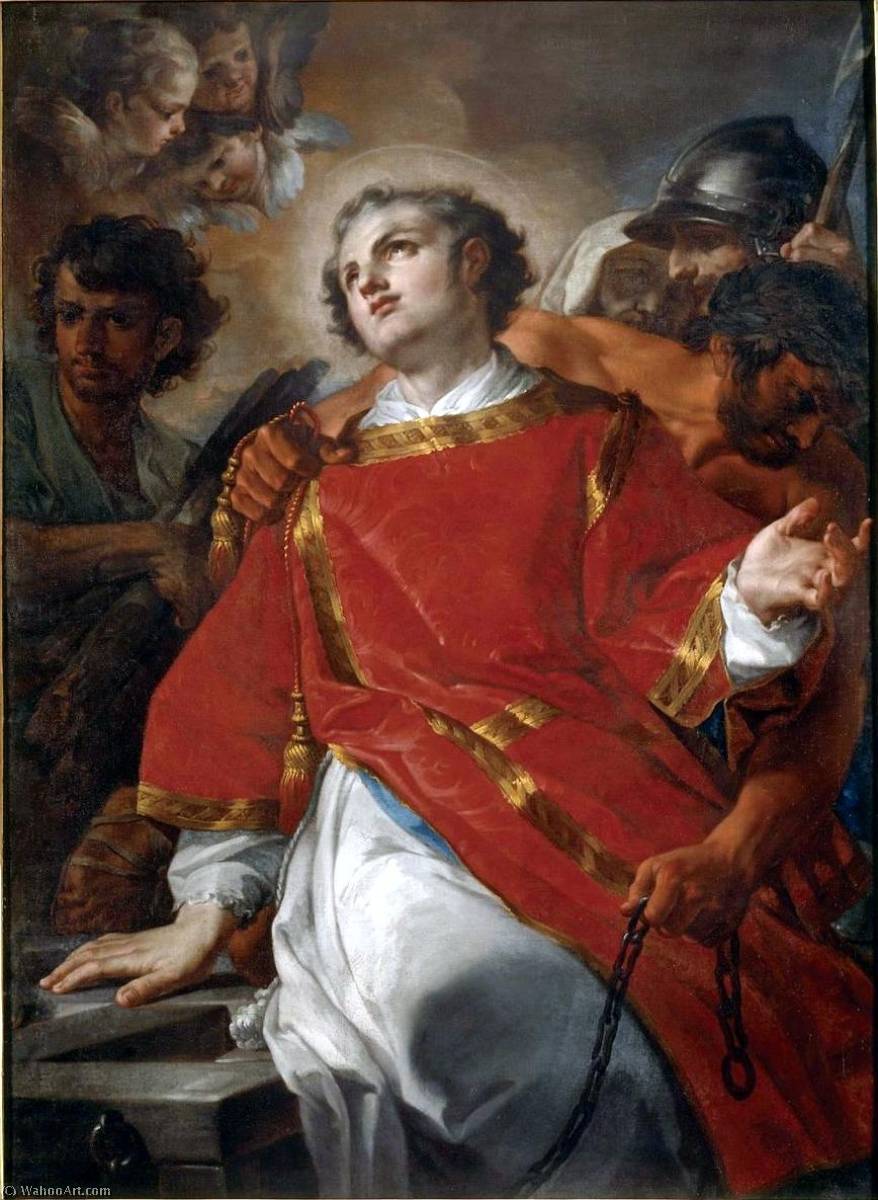
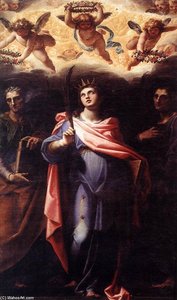
The Martyr of St Laurent
 Baroque
 130.0 x 96.0 cm
 Pročitaj više
Ručno rađena uljana reprodukcija
Ručno oslikano uljanim bojama na platnu u dimenzijama i okviru po vašem izboru, izrađeno po porudžbini od strane naših umetnika. ( Kupi print Kupi digitalnu sliku)




































Izaberite jednu od naših unapred definisanih veličina koje odgovaraju originalnim proporcijama umetničkog dela.

Можете унети сопствене димензије како бисте прилагодили дело одређеном оквиру или простору. Ако одабрана величина не одговара пропорцијама оригинала, слика ће бити исечена или проширена додатним елементима који се ручно насликавају. Дигитални prikaz ће вам бити послат на одобрење пре почетка производње.
Имајте на уму да преглед на екрану не одражава стварно исецање или проширење. Само приказ (mockup) ће тачно приказати коначну композицију.
Иако су доступне прилагођене величине, препоручујемо да одаберете димензију из дефинисане листе како бисте сачували оригиналне пропорције.
Nakon narudžbine, tim ArtsDot.com će klijentu putem e-pošte poslati uputstva i dostaviti prikaz predloženog rešenja
Isporuka širom sveta () za 3/4 nedelje umesto uobičajenih 5 nedelja. (3 септембар). Bez kompromisa po pitanju kvaliteta.

Besplatna ekspresna dostava širom sveta

Visokokvalitetno laneno platno

Kompletno osiguranje transporta

Garancija povraćaja carine i uvoznih dažbina

Garancija vernosti boja

Politika povrata u roku od 60 dana (samo u slučaju nedostataka)

Garancija povrata novca od 100%

Popust pri grupnoj kupovini
 Opcija sa staklom dostupna je samo za dimenzije manje od 110 cm

The Martyr of St Laurent
Tehnika reprodukcije
Dimenzije reprodukcije
-


Konačna cena
$ 313
The Artist and His Work
Bottega Di Corrado Giaquinto was a renowned Italian painter who was born in 1703 and died in 1765. He was known for his beautiful and intricate paintings, which often depicted religious scenes and figures. The Martyr of St Laurent is one of his most famous works, and it showcases his ability to create dramatic and emotionally charged scenes. Key Features of the Painting The painting The Martyr of St Laurent features a number of key elements that make it a standout work of art. These include:- The use of color: The painting features a bold and vibrant color palette, with a focus on reds, blues, and golds.
- The composition: The composition of the painting is complex and intricate, with a number of figures and elements arranged in a harmonious and balanced way.
- The emotional intensity: The painting conveys a sense of drama and emotional intensity, drawing the viewer into the scene and creating a sense of connection with the subject matter.
Getting Your Own Copy of the Painting
If you are interested in owning a copy of The Martyr of St Laurent, you can visit https://ArtsDot.com to purchase a handmade oil painting reproduction. Our talented artists use only the highest quality materials and techniques to create beautiful and accurate reproductions of famous paintings. You can also learn more about the artist and his work by visiting our website and reading about Bottega Di Corrado Giaquinto and his other famous paintings, such as The Madonna and Child with St. Dominic and St. Catherine of Siena.For more information on the Musée Fesch and its collection, you can visit /art/list/?Filter=A@D3APLM-Discover-the-Masterpieces-of-Musee-Fesch-in-Ajaccio-France.
Srodna umetnička dela


Biografija umetnika
The Radiant Legacy of Corrado Giaquinto
In the grand tapestry of the eighteenth century, few threads shimmer with as much luminous grace as the works of Corrado Giaquinto. A master of the Rococo era, Giaquinto possessed a rare ability to bridge the heavy, dramatic grandeur of the Neapolitan Baroque with a newfound lightness and airy elegance. Born in Molfetta in 1703, his journey was one of profound transformation, moving from the disciplined shadows of traditional training into a world of brilliant color and celestial movement. While his early life might have been destined for a religious vocation, it was instead captured by the irresistible pull of the brush, leading him to escape the cloister for the studio.
His artistic foundation was built upon the rigorous techniques of Saverio Porta, whose guidance provided the essential structural understanding required for large-scale compositions. However, it was his period within the prolific Neapolitan studio of Francesco Solimena between 1719 and 1723 that truly defined his early professional identity. Under Solimena, Giaquinto mastered the monumental scale and the complex use of perspective that characterized the late Baroque. Yet, even as he absorbed this sense of gravity, a restless creative spirit began to pull him toward a more fluid and expressive way of seeing the world.
A Synthesis of Light and Motion
As Giaquinto’s career progressed, his style underwent a breathtaking evolution, driven by his encounters with the legendary Luca Giordano. While Solimena provided the structural bones of his work, Giordano offered the soul—a vibrant, kinetic energy expressed through daring color palettes and dramatic, flickering light. This synthesis allowed Giaquintio to move beyond the more restrained aesthetics of his predecessors, creating works that felt as though they were breathing with life. His time in Rome further enriched this development; collaborating with artists like Giuseppe Rossi and Nicolas Maria Rossi, he refined a visual language that was uniquely his own—one that could convey both the tragic weight of mythology and the ethereal joy of the divine.
This mastery is perhaps most evident when examining the thematic breadth of his repertoire. In works such as Medea, one can witness his ability to capture the raw, visceral intensity of myth, using bold brushstrokes to depict the harrowing consequences of vengeance. Conversely, in his religious compositions like The Nativity or The Holy Face, he employs a delicate, almost translucent touch. In these sacred scenes, the use of warm tones and gentle, diffused light creates an atmosphere of profound intimacy and spiritual tranquility, inviting the viewer into a moment of pure, unadulterated devotion.
An Itinerant Master Across Europe
Giaquinto’s reputation was not confined to the borders of Italy; he was a true cosmopolitan of the art world. His career was a grand tour of the great cultural centers of Europe, spanning Naples, Rome, Turin, and Madrid. This nomadic existence allowed him to absorb diverse artistic traditions and adapt his technique to suit the varying tastes of royal courts and religious institutions alike. His ability to execute ambitious fresco projects, such as those in San Giovanni Calibita and Santa Croce in Gerusalemme, cemented his status as one of the premier decorators of his age.
One of his most significant achievements remains his contribution to the Cathedral of Mafra in Portugal. The altarpiece commissioned for this site serves as a definitive testament to his skill, demonstrating an unparalleled ability to synthesize emotional depth with architectural grandeur. By the time of his passing in 1765, Giaquinto had left behind a legacy that transcended mere decoration. He had successfully navigated the transition from the heavy shadows of the Baroque to the luminous, decorative splendor of the Rococo, leaving an indelible mark on the history of European painting through his unparalleled command of light, color, and human emotion.
bottega di corrado giaquinto
1703 - 1765
Osnovne informacije
- Artistic Movement Or Style: Rococo
- Artists Who Influenced This Artist:
- Francesco Solimena
- Luca Giordano
- Date Of Birth: February 8, 1703
- Date Of Death: April 18, 1766
- Full Name: Corrado Giaquinto
- Nationality: Italian
- Notable Artworks:
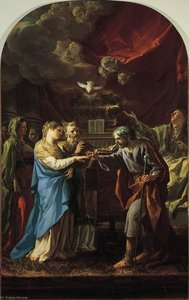
- The Marriage of the Virgin
- The Martyr of St Laurent
- Nativity
- Place Of Birth: Molfetta, Italy
Povezani članci

The Dramatic Flourish: Exploring the Baroque Movement's Enduring Legacy in Art History
Explore the dramatic world of Baroque art! Discover iconic artists like Caravaggio & Rubens, defining techniques, and its lasting impact on art history. Expert insights for collectors & enthusiasts at ArtsDot.

Барокна драма: Уношење величине и емоција у савремене ентеријере
Откријте барокну драму и унесите величину у ваш ентеријер! ArtsDot нуди ручно насликане репродукције, персонализоване портрете и стручне консултације за љубитеље класичне уметности. Потражите савршено дело већ данас!

Barok Majstor dela: Top 10 Umjetničkih Remeka za Vaš Dom
Otkrijte 10 remek dela koja su definisala baroknu umetnost! Karavagio, Bernini i više – istražite priče iza ovih ikoničnih slika. Inspiracija za vaš dom? Pogledajte kolekciju na ArtsDot.com!

The Visceral Stage: Exploring Dramatic Narratives & Emotional Intensity in Baroque Art
Explore the dramatic world of Baroque art! Discover iconic masters like Caravaggio & Rembrandt, their techniques, and the movement's lasting impact. Expert insights for collectors & enthusiasts at ArtsDot.

Theatricality & Triumph: Baroque Drama in Painting & Sculpture
Explore the dramatic world of Baroque art! Discover its history, defining characteristics, & lasting influence on painting & sculpture. Expert insights into Caravaggio, Zurbarán, and Bernini – plus high-quality reproductions at ArtsDot.

