

 Pregledaj u prostoru
 Pošalji
 Podeli
 Detalji o delu

 Преузми
 Slični predmeti
 Rendgenski snimak
 Slajdovi
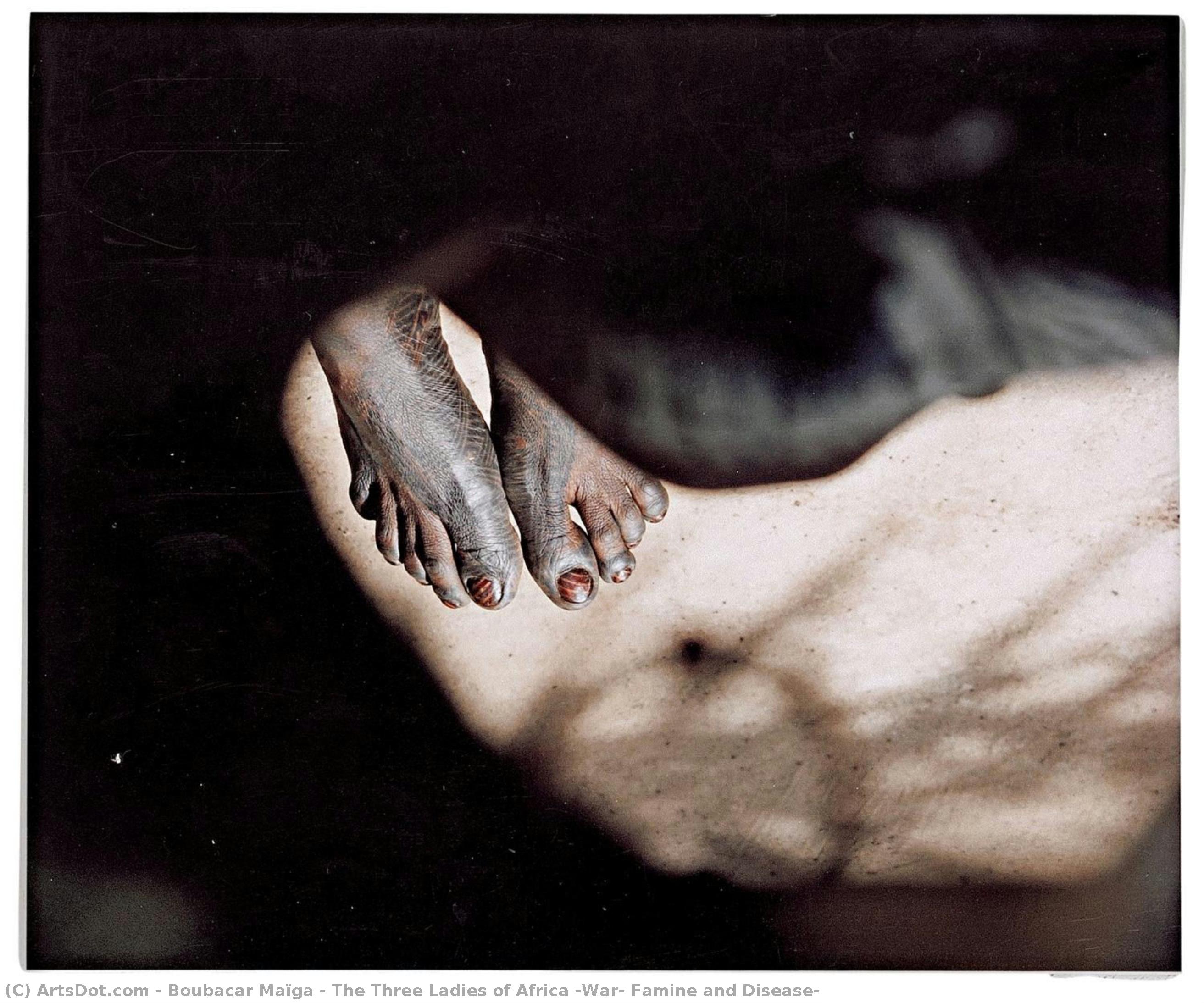
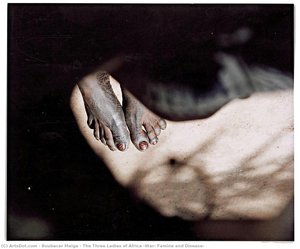
The Three Ladies of Africa (War, Famine and Disease)

 Pročitaj više
Kupite digitalnu sliku visoke rezolucije i poboljšanog kvaliteta, koja je znatno superiornija od onoga što vidite u online prikazu.
Svaka datoteka je pedantno pripremljena od strane naših stručnjaka koristeći napredne alate i profesionalnu ručnu retušu. Osiguravamo da svaka slika ima izuzetnu oštrinu, preciznu reprodukciju boja i fine detalje.
Konačna datoteka se dostavlja putem e-pošte u roku od 72 sata, optimizovana za neposrednu upotrebu u profesionalnim, izdavačkim i štamparskim okruženjima. To je isti kvalitet kojem veruju vrhunski studiji dizajna, izdavači i galerije.
Digitalna slika
Preuzmite datoteku visoke rezolucije za ličnu upotrebu, štampanje i kreativne projekte. ( Kupi print Kupi ručno naslikanu sliku)
Uključeno uz svaku porudžbinu digitalne slike
Profesionalna digitalna isporuka, zagarantovana
Kada odaberete ArtsDot.com, ne dobijate samo sliku – vi primate profesionalno unapređeno digitalno umetničko delo, izrađeno sa najvećom preciznošću i uz garanciju zadovoljstva. Evo svega što automatski dolazi uz vašu porudžbinu:

Brza dostava putem e-pošte
Vaša digitalna slika visoke rezolucije biće vam poslata putem e-pošte u roku od 72 sata od poručivanja – spremna za trenutnu upotrebu.

Digitalna datoteka unapređena veštačkom inteligencijom
Vaše umetničko delo je profesionalno optimizovano korišćenjem naprednih AI alata i ručne obrade, čime se osiguravaju maksimalni detalji, oštrina i preciznost boja.

Besplatna ponovna isporuka doživotno
Slučajno ste obrisali ili izgubili svoju datoteku? Ne brinite – poslaćemo vam je ponovo u bilo kom trenutku, potpuno besplatno.

Bez troškova uvoza – zauvek
Uživajte u svojim umetničkim delima trenutno, bez carine, dažbina ili troškova dostave – digitalni download je uvek bez poreza.

Garancija vernosti boja
Uz pomoć profesionalnih alata i upravljanja bojama, osiguravamo da vaša digitalna slika što vernije odražava originalne boje.

Garancija zadovoljstva u roku od 60 dana
Ako niste zadovoljni svojom digitalnom slikom, revidirat ćemo je ili vratiti 100% novca u roku od 60 dana – bez ikakvih pitanja.

100% garancija povrata novca
Niste zadovoljni? Obezbedite pun povrat novca u roku od 60 dana od trenutka kada ste primili svoju digitalnu datoteku – bez suvišnih pitanja.

Popusti na velike porudžbine
Kupite 3 slike, uštedite 10% - Kupite 5 slika, uštedite 15% - Kupite 10+ slika, uštedite 20%. Odlično za kreativne projekte, galerije i agencije.
Srodna umetnička dela





Biografija umetnika
Boubacar Maïga: Echoes of Africa in Acrylic
Born in Bamako, Mali, in 1958, Boubacar Maïga’s art is a poignant and deeply personal exploration of the realities facing his homeland. While biographical details remain sparse – a deliberate aspect of his artistic practice perhaps – his work speaks volumes about the enduring struggles of war, famine, and disease that have shaped contemporary Africa. Maïga's distinctive style, characterized by bold acrylic strokes and a restrained palette, immediately draws the viewer in, demanding contemplation rather than immediate gratification. He isn’t interested in grand narratives or heroic depictions; instead, he offers stark, unsettling portraits of human suffering and resilience.
His most recognized work, ‘The Three Ladies of Africa: War, Famine, and Disease,’ exemplifies this approach. This powerful painting – a cornerstone of his oeuvre – isn’t a literal representation but rather an allegorical embodiment of the continent's persistent challenges. The figures are not individualized; they are archetypes, representing the collective experience of millions. The use of muted earth tones—ochres, browns, and grays—underscores the bleakness of their circumstances, while flashes of red and white punctuate the composition, symbolizing bloodshed and a desperate plea for help. The painting’s impact lies not in its technical brilliance but in its unflinching honesty and its refusal to shy away from uncomfortable truths.
A Mali Rooted in History
Maïga's artistic journey is inextricably linked to the complex history of Mali, a nation grappling with colonialism, political instability, and economic hardship. Bamako, his birthplace, is a vibrant hub of cultural exchange, yet it’s also a city bearing the scars of conflict and displacement. Understanding this context is crucial to interpreting Maïga's work; he isn’t simply painting Africa – he’s painting *his* Africa, a land shaped by centuries of struggle and resilience.
While specific details about his early artistic training are limited, it’s believed that Maïga honed his skills through observation and experimentation. The influence of traditional Malian art forms—particularly the use of symbolic imagery and earthy pigments—can be discerned in his work. However, he departs from purely representational styles, embracing a more expressive and emotionally charged approach. It's speculated that he was influenced by the broader contemporary African art scene emerging during the late 20th century, which challenged Western artistic conventions and sought to reclaim narratives of identity and experience.
Technique and Style
Maïga’s distinctive style is immediately recognizable through his deliberate use of acrylic paint. He favors a thick, impasto technique—applying the paint in layers—which creates a tactile surface that invites close examination. The bold brushstrokes are not intended to be smooth or refined; rather, they convey a sense of urgency and raw emotion. His color palette is deliberately restrained, dominated by earthy tones that evoke the landscapes and textures of Mali. He skillfully employs contrast – particularly between light and shadow – to heighten the drama and emotional impact of his compositions.
Furthermore, Maïga’s work often incorporates elements of abstraction. While recognizable forms—such as the figures in ‘The Three Ladies of Africa’—are present, they are frequently distorted or fragmented, reflecting the fractured realities of life in contemporary Mali. This blending of representation and abstraction allows him to communicate complex ideas with a powerful visual economy.
Legacy and Significance
Despite the relative obscurity surrounding Boubacar Maïga's personal life, his art has garnered increasing recognition within the international contemporary art scene. His work serves as a vital reminder of the ongoing challenges faced by African nations and offers a poignant commentary on themes of colonialism, postcolonialism, and social justice. Maïga’s unflinching honesty and emotional depth resonate deeply with viewers, prompting reflection on the human cost of conflict and displacement.
His work stands as a testament to the power of art to bear witness to difficult truths and to foster empathy for those who are often marginalized and forgotten. As an artist rooted in the realities of Mali, Boubacar Maïga’s paintings offer a uniquely powerful and enduring contribution to the global dialogue on issues of identity, resilience, and the human condition.
boubacar maïga
1958 - , Mali
Kratke činjenice
- Artistic Movement Or Style: Acrylic painting
- Date Of Birth: 1958
- Date Of Death: Living
- Full Name: Boubacar Maïga
- Nationality: Malian
- Notable Artworks: ['The Three Ladies Africa']
- Place Of Birth: Bamako, Mali

