

 Pregledaj u prostoru
 Pošalji
 Podeli
 Detalji o delu

 Преузми
 Slični predmeti
 Rendgenski snimak
 Slajdovi
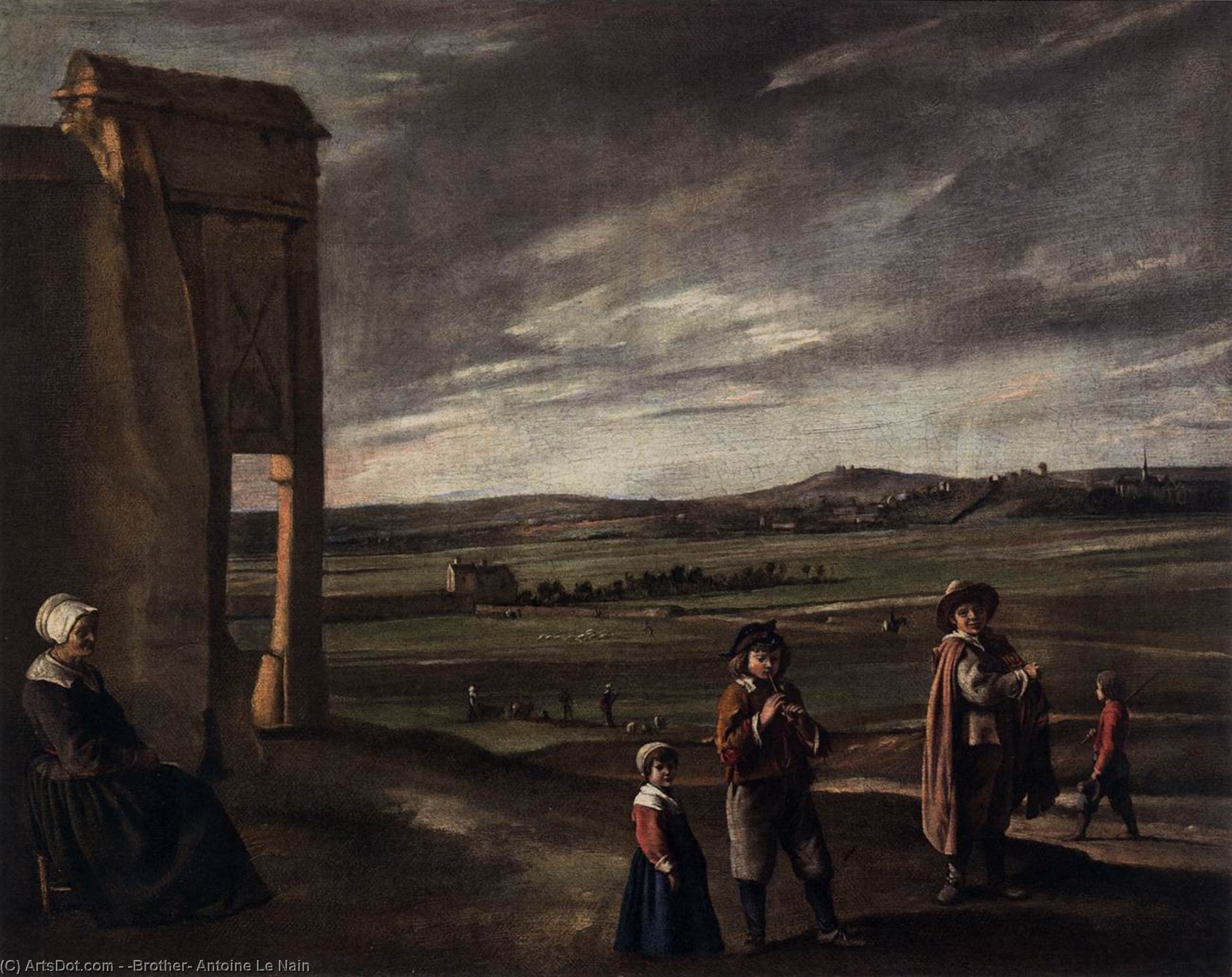
Landscape with Peasants
 Oil On Canvas
- WallArt
- Baroque
 1640
1640- Early Modern
 47.0 x 57.0 cm
 National Gallery of Art
 Pročitaj više
Kupite digitalnu sliku visoke rezolucije i poboljšanog kvaliteta, koja je znatno superiornija od onoga što vidite u online prikazu.
Svaka datoteka je pedantno pripremljena od strane naših stručnjaka koristeći napredne alate i profesionalnu ručnu retušu. Osiguravamo da svaka slika ima izuzetnu oštrinu, preciznu reprodukciju boja i fine detalje.
Konačna datoteka se dostavlja putem e-pošte u roku od 72 sata, optimizovana za neposrednu upotrebu u profesionalnim, izdavačkim i štamparskim okruženjima. To je isti kvalitet kojem veruju vrhunski studiji dizajna, izdavači i galerije.
Digitalna slika
Preuzmite datoteku visoke rezolucije za ličnu upotrebu, štampanje i kreativne projekte. ( Kupi print Kupi ručno naslikanu sliku)
Uključeno uz svaku porudžbinu digitalne slike
Profesionalna digitalna isporuka, zagarantovana
Kada odaberete ArtsDot.com, ne dobijate samo sliku – vi primate profesionalno unapređeno digitalno umetničko delo, izrađeno sa najvećom preciznošću i uz garanciju zadovoljstva. Evo svega što automatski dolazi uz vašu porudžbinu:

Brza dostava putem e-pošte
Vaša digitalna slika visoke rezolucije biće vam poslata putem e-pošte u roku od 72 sata od poručivanja – spremna za trenutnu upotrebu.

Digitalna datoteka unapređena veštačkom inteligencijom
Vaše umetničko delo je profesionalno optimizovano korišćenjem naprednih AI alata i ručne obrade, čime se osiguravaju maksimalni detalji, oštrina i preciznost boja.

Besplatna ponovna isporuka doživotno
Slučajno ste obrisali ili izgubili svoju datoteku? Ne brinite – poslaćemo vam je ponovo u bilo kom trenutku, potpuno besplatno.

Bez troškova uvoza – zauvek
Uživajte u svojim umetničkim delima trenutno, bez carine, dažbina ili troškova dostave – digitalni download je uvek bez poreza.

Garancija vernosti boja
Uz pomoć profesionalnih alata i upravljanja bojama, osiguravamo da vaša digitalna slika što vernije odražava originalne boje.

Garancija zadovoljstva u roku od 60 dana
Ako niste zadovoljni svojom digitalnom slikom, revidirat ćemo je ili vratiti 100% novca u roku od 60 dana – bez ikakvih pitanja.

100% garancija povrata novca
Niste zadovoljni? Obezbedite pun povrat novca u roku od 60 dana od trenutka kada ste primili svoju digitalnu datoteku – bez suvišnih pitanja.

Popusti na velike porudžbine
Kupite 3 slike, uštedite 10% - Kupite 5 slika, uštedite 15% - Kupite 10+ slika, uštedite 20%. Odlično za kreativne projekte, galerije i agencije.
Opis kolekcionarskog dela
A Quiet Ode to Rural Life: The World of Le Nain's Peasants
To gaze upon this depiction, Landscape with Peasants, is to step through the veil of time and into a moment suspended in pastoral grace. This oil on canvas from 1640 by (Brother) Antoine Le Nain transports us to a sun-dappled countryside where life unfolds at an unhurried, dignified pace. The scene is richly populated, yet profoundly tranquil. In the foreground, a gathering of peasants anchors the composition—a man supporting a child upon his shoulders, their collective presence speaking volumes about community and enduring human connection. It is not a dramatic tableau of action, but rather a quiet celebration of existence itself.
Mastery in Light and Earth Tones
Technically, the painting showcases the meticulous realism for which the Le Nain brothers became renowned. The application of oil paint lends an incredible depth to every element, from the textured sweep of the grass underfoot to the subtle folds of the peasants' simple garments. Notice how the light seems to emanate naturally across the field, illuminating the figures while allowing the background—with its distant trees and the gentle presence of two horses—to recede into a soft, atmospheric haze. This masterful handling of light and shadow gives the entire work an almost palpable sense of depth, inviting the viewer to wander deeper into the painted landscape.
The Dignity of the Everyday
Historically, this piece is a quintessential example of the Le Nain brothers' revolutionary focus. In an era where grand religious narratives or mythological epics often dominated high art, the Nains deliberately turned their gaze downward, toward the lives of ordinary people. They imbued the peasant class—the backbone of 17th-century French society—with an unexpected nobility. There is a quiet strength in their posture, a dignity that transcends mere genre painting. It suggests that profound beauty and enduring character can be found not in royal courts or divine visions, but in the simple rhythm of rural labor and familial togetherness.
Symbolism of Community and Simplicity
The symbolism woven into this landscape is subtle yet resonant. The grouping of figures speaks to the unbreakable bonds of community; they are together, sharing a moment of respite from toil. The surrounding natural elements—the fertile field, the sheltering trees—act as silent witnesses to their shared humanity. For the modern collector or designer, this painting offers more than mere decoration; it offers an emotional anchor. It is a visual balm, a reminder to slow down, to appreciate the enduring beauty found in simplicity, and to cherish the quiet moments with those we hold dear.
Srodna umetnička dela





Biografija umetnika
The Enigmatic World of the Le Nain Brothers
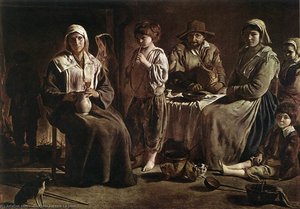
The name “Le Nain” – meaning “the dwarf” in French – evokes a sense of mystery, and fittingly shrouds the lives and work of Antoine, Louis, and Mathieu Le Nain. These three brothers, active in 17th-century France, stand as unique figures in the Baroque period, celebrated for their profoundly realistic depictions of everyday life, particularly the peasantry. Unlike many of their contemporaries who focused on mythological or religious narratives, the Le Nains turned their attention to the lives of ordinary people, imbuing them with a dignity and quiet strength rarely seen in art before their time. Their collaborative nature only deepens the intrigue; for centuries, scholars have debated which brother was responsible for specific paintings, as they signed their works simply “Lenain,” obscuring individual authorship.
Early Life and Artistic Formation
Born in or near Laon, a town in Picardy, France, the Le Nain brothers emerged from relatively obscure beginnings. Mathieu, born in 1607, was the youngest of the three. Antoine (circa 1600) and Louis (circa 1603) followed, though precise birthdates remain uncertain. By 1630, all three had established a shared workshop in Paris, a pivotal move that cemented their artistic partnership. Antoine’s admission to the Parisian painters' guild was crucial, allowing his brothers to train under him without incurring fees—a testament to their familial dedication and collaborative spirit. Initially, their paintings reflected the prevailing styles of the era, with religious subjects influenced by French artists like Philippe de Champaigne and Jacques Blanchard. However, a significant shift occurred around 1640, sparked by exposure to the work of Italian master Orazio Gentileschi, whose dramatic use of light and shadow left an indelible mark on their evolving style.
A New Vision: Genre Painting and Peasant Life
The Le Nains’ most enduring legacy lies in their genre paintings—scenes depicting everyday life. They were among the first French artists to elevate the peasantry to the level of serious artistic subject matter, portraying them not as idealized figures or comic stereotypes, but as individuals with inherent dignity and quiet resilience. Paintings like *The Well* and *Landscape with Peasants and a Chapel* showcase their meticulous attention to detail, capturing the textures of rough clothing, weathered faces, and the earthy tones of the rural landscape. Their compositions are often characterized by a sense of stillness and introspection, inviting viewers to contemplate the lives and experiences of these humble subjects. While remarkably realistic, their peasants possess an almost classical composure, suggesting a degree of idealization that sets them apart from purely documentary depictions.
Collaboration, Style, and Technical Mastery
The collaborative nature of the Le Nain workshop presents a unique challenge to art historians attempting to attribute specific works to individual brothers. Their shared studio fostered a remarkable consistency in style, making it difficult to discern distinct artistic personalities. However, scholars have identified certain tendencies—Antoine is often associated with more formal portraiture and religious scenes, while Mathieu’s work is characterized by larger compositions and a greater emphasis on narrative detail. Regardless of authorship, the Le Nains shared a mastery of technique, particularly their use of *impasto* – applying paint thickly to create texture and depth. Their palette favored earthy tones—browns, ochres, and grays—which contribute to the somber yet dignified atmosphere of their paintings. The influence of Caravaggio’s tenebrism, with its dramatic contrasts of light and shadow, is also evident in their work.
Legacy and Historical Significance
In 1648, all three Le Nain brothers were received into the newly founded French Academy, a testament to their growing reputation and artistic merit. Despite this recognition, their fame waned in the centuries following their deaths. It wasn’t until the 19th century that they were rediscovered, championed by art historians like Champfleury who recognized their groundbreaking realism and influence on later artists. Gustave Courbet, Édouard Manet, and other Realist painters of the 19th century drew inspiration from the Le Nains' unflinching portrayal of everyday life, acknowledging them as precursors to modern artistic sensibilities. Today, the Le Nain brothers are celebrated for their unique contribution to French Baroque painting—a legacy built on collaboration, technical mastery, and a profound respect for the dignity of ordinary people. Their paintings offer a glimpse into a world often overlooked by art history, reminding us that beauty and meaning can be found in the most humble of subjects.
Kratke činjenice
- Artistic Movement Or Style: Baroque, Genre painting
- Artists Or Movements Influenced By This Artist:
- Gustave Courbet
- Édouard Manet
- Artists Who Influenced This Artist:
- Orazio Gentileschi
- Philippe de Champaigne
- Date Of Birth: c. 1600
- Date Of Death: May 25, 1648
- Full Name: Antoine Le Nain
- Nationality: French
- Notable Artworks:
- The Well
- Backgammon Players
- Adoration of the Shepherds
- Place Of Birth: Laon, France

