

 Pregledaj u prostoru
 Pošalji
 Podeli
 Detalji o delu

 Преузми
 Slični predmeti
 Rendgenski snimak
 Slajdovi
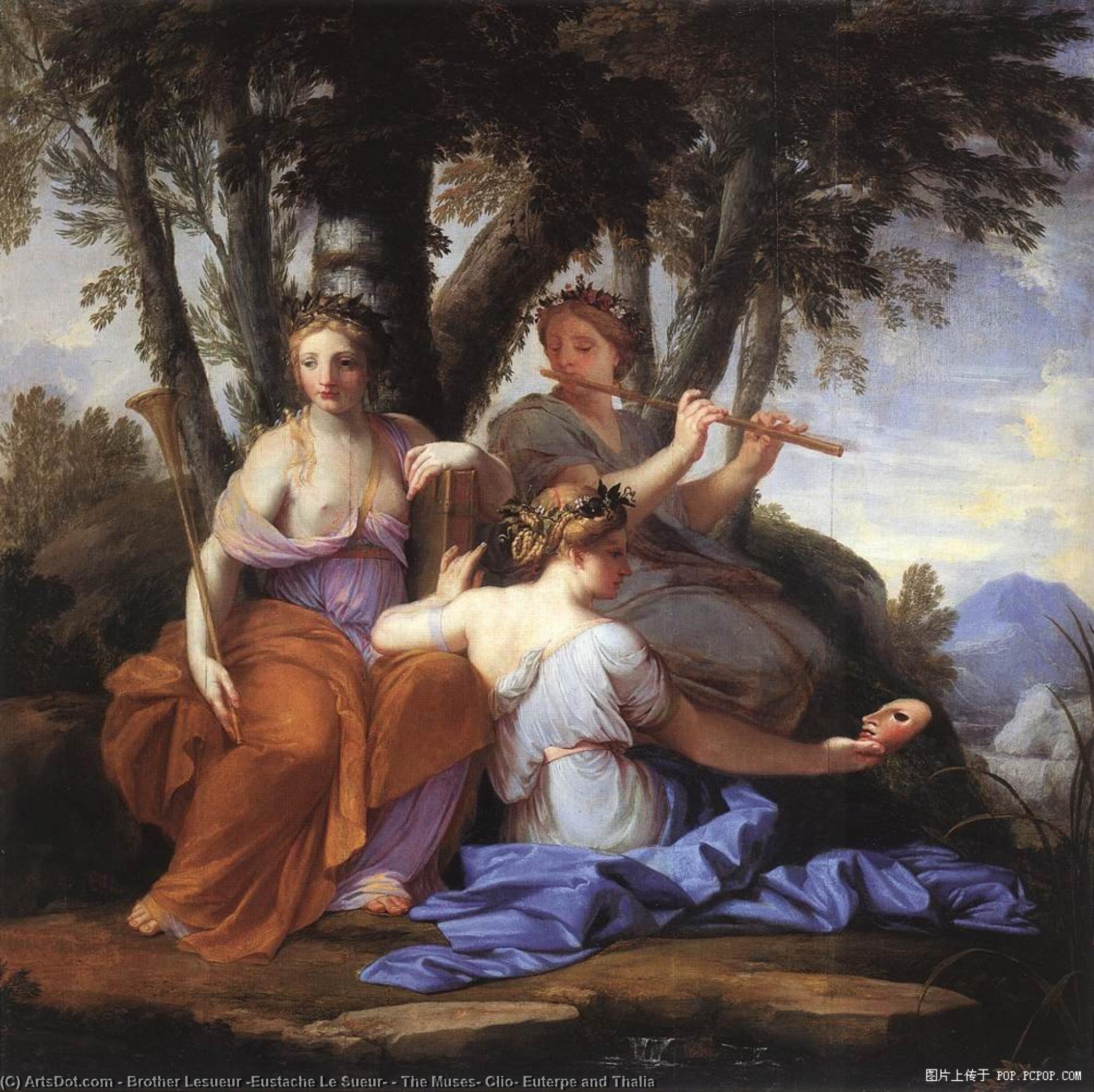
The Muses: Clio, Euterpe and Thalia
 Oil On Canvas
- WallArt
- Baroque
 1652
1652- Early Modern
 130.0 x 130.0 cm
 Louvre
 Pročitaj više
Ručno rađena uljana reprodukcija
Ručno oslikano uljanim bojama na platnu u dimenzijama i okviru po vašem izboru, izrađeno po porudžbini od strane naših umetnika. ( Kupi print Kupi digitalnu sliku)




P118B $10

P118H $10

P118W $10

P438Z $10

P508JH $12

P508YH $12

P805H $10

P805Z $10

P919BZ $10

P919G $10

P919XJ $10

P959ZH $10

P968JZ $12

W106C $8

W218G $10

W218JH $8

W218Y $10

W307PJ $10

W316G $10

W316PJ $8

W316Y $10

W398PJ $8

W4111J $10

W500HY $15

W500JH $15

W692G $12

W849H $8

W940BG $15

W953PJ $8




Izaberite jednu od naših unapred definisanih veličina koje odgovaraju originalnim proporcijama umetničkog dela.

Можете унети сопствене димензије како бисте прилагодили дело одређеном оквиру или простору. Ако одабрана величина не одговара пропорцијама оригинала, слика ће бити исечена или проширена додатним елементима који се ручно насликавају. Дигитални prikaz ће вам бити послат на одобрење пре почетка производње.
Имајте на уму да преглед на екрану не одражава стварно исецање или проширење. Само приказ (mockup) ће тачно приказати коначну композицију.
Иако су доступне прилагођене величине, препоручујемо да одаберете димензију из дефинисане листе како бисте сачували оригиналне пропорције.
Nakon narudžbine, tim ArtsDot.com će klijentu putem e-pošte poslati uputstva i dostaviti prikaz predloženog rešenja
Isporuka širom sveta () za 3/4 nedelje umesto uobičajenih 5 nedelja. (21 август). Bez kompromisa po pitanju kvaliteta.

Besplatna ekspresna dostava širom sveta

Visokokvalitetno laneno platno

Kompletno osiguranje transporta

Garancija povraćaja carine i uvoznih dažbina

Garancija vernosti boja

Politika povrata u roku od 60 dana (samo u slučaju nedostataka)

Garancija povrata novca od 100%

Popust pri grupnoj kupovini
 Opcija sa staklom dostupna je samo za dimenzije manje od 110 cm

The Muses: Clio, Euterpe and Thalia
Tehnika reprodukcije
Dimenzije reprodukcije
-


Konačna cena
$ 263
Opis umetničkog dela
The Divine Harmony of the Muses
To gaze upon this depiction of The Muses—Clio, Euterpe, and Thalia—is to step directly into an idealized moment of artistic genesis. This painting captures not merely three figures, but the very breath of inspiration itself. Clad in the flowing draperies characteristic of classical antiquity, these goddesses embody the arts, their presence under a canopy of lush trees suggesting a sacred grove where creativity blossoms naturally. The composition is a masterclass in balanced narrative; each woman occupies her space with an inherent dignity, yet they are bound together by the shared atmosphere of contemplation and divine gift. It speaks to the enduring human need to celebrate beauty, knowledge, and creative expression.
A Glimpse into Baroque Naturalism
Painted around 1652, this work emerges from a fascinating period in art history where grand mythological themes continued to coexist with burgeoning scientific observation. While the subject matter is deeply allegorical, the execution hints at the meticulous attention to detail that characterized the era. The artist, Brother Lesueur, though renowned for his zoological studies, applies an equally profound sense of naturalism here. Observe the delicate rendering of the foliage and the subtle inclusion of the two birds—these elements ground the divine scene in a tangible reality. This blend of the ethereal and the observable is what gives the piece its enduring power; it feels both timelessly mythological and intimately present.
Symbolism Woven into Form
The symbolism within this trio is rich for any connoisseur. The woman on the left, with her contemplative hand resting upon her chin, evokes Clio, the Muse of History—the thoughtful chronicler. Beside her, the figure holding the flute embodies Euterpe, the muse of music, suggesting melody rising from breath. Finally, the third woman, armed with a bow and arrow, surely represents Terpsichore or perhaps even Calliope in her martial aspect, symbolizing dance or epic poetry's focused power. The crown worn by one suggests supreme authority or divine favor, inviting the viewer to contemplate which art form holds the greatest sway over the soul.
Craftsmanship for the Modern Collector
The original scale of 130 x 130 cm commands attention, making it a breathtaking focal point for any grand salon or library. For those seeking to bring this sophisticated narrative into their own space, acquiring a high-quality reproduction allows one to partake in its visual poetry without the monumental commitment. The technique employed suggests masterful oil painting on canvas, allowing the subtle gradations of light filtering through the trees and the rich texture of the classical garments to remain vividly apparent. It is an artwork that does not merely decorate; it elevates the room with a quiet, intellectual resonance.
Srodna umetnička dela



Biografija umetnika
A Pioneer of the Natural World
In the vibrant and often dramatic landscape of the 17th-century French Baroque, few figures stand as uniquely as Brother Lesueur, known to history as Eustache Le Sueur. While his contemporaries were frequently swept up in the grand, sweeping narratives of mythology or the opulent displays of royal portraiture, Le Sueur turned his gaze toward a different kind of majesty: the intricate, often overlooked wonders of the animal kingdom. Born in Paris around 1617, he emerged not merely as a painter, but as a precursor to the scientific illustrators who would later define the Age of Enlightenment. His life’s work represents a profound intersection where the delicate touch of fine art meets the rigorous scrutiny of biological inquiry.
Le Sueur's artistic journey began with a foundation in classical discipline. He underwent an apprenticeship under Nicolas Boutet de Valois, a sculptor renowned for his allegorical works commissioned by the court of Louis XIII. This early exposure to the principles of proportion, anatomy, and classical beauty provided him with the technical vocabulary necessary to render form with absolute precision. However, where his mentor sought to idealize the human figure through stone, Le Suelar sought truth through the living—and sometimes the deceased—specimens of the natural world. This transition from the sculptural ideals of the academy to the empirical observations of a naturalist marked the beginning of a revolutionary artistic evolution.
The Art of Anatomical Precision
What truly distinguishes the work of Le Sueur is his uncompromising commitment to realism, a quality that transformed his studio into a space of scientific discovery. He did not merely paint what he imagined; he painted what he understood through direct observation. To achieve this level of unparalleled detail, Le Sueur engaged in a method that was radical for the 1600s: the study of anatomy via the dissection of carcasses obtained from royal hunts. This painstaking process allowed him to master the complex architecture of musculature, the delicate texture of feathers, and the rugged patterns of scales.
His technique was characterized by an extraordinary ability to capture the essence of life through physical accuracy. In his renderings, one can sense the weight of a limb, the sheen of wet fur, and the tension in a predator's stance. This dedication meant that his paintings functioned as both aesthetic triumphs and vital biological records. By integrating anatomical sketches with finished oil works, he bridged the gap between the artistic impulse and the scientific method, creating a legacy that predated the formal establishment of modern zoological illustration.
A Legacy of Sacred and Natural Splendor
While his contributions to animal painting are his most enduring scientific legacy, Le Sueur's repertoire was not limited to the wild. He possessed a remarkable versatility that allowed him to navigate the sacred themes prevalent in Baroque art. His religious compositions, such as the Presentation of the Virgin, demonstrate how he applied his mastery of detail and light to biblical narratives. In these works, the same meticulous attention to texture and form used for a bird's plumage was applied to the folds of holy drapery and the soft glow of divine light, creating a sense of profound, tangible presence.
The historical significance of Eustache Le Sueur lies in his role as a bridge between eras. He stood at the crossroads of the Baroque's emotional intensity and the burgeoning scientific curiosity of the next century. His ability to find the sublime within the anatomical has left an indelible mark on the history of French art. Through his eyes, the natural world was not just a backdrop for human drama, but a subject worthy of intense, reverent, and scientifically accurate study, cementing his reputation as a true pioneer of zoological art.
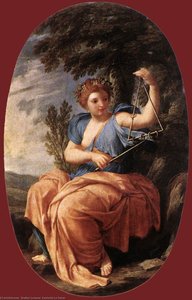
brother lesueur (eustache le sueur)
1616 - 1655 , France
Osnovne informacije
- Artistic Movement Or Style: Baroque Painting
- Artists Or Movements Influenced By This Artist: ['Rembrandt']
- Artists Who Influenced This Artist: ['Peter Paul Rubens']
- Date Of Birth: November 19, 1617
- Date Of Death: April 30, 1655
- Full Name: Eustache Le Sueur
- Nationality: French
- Notable Artworks:
- The Muses: Melpomene, Erato and Polyhymnia
- The Muses: Clio, Euterpe and Thalia
- Presentation of the Virgin
- Place Of Birth: Paris, France
Povezani članci
Baroque Classicism: Reconciling Drama & Order in 17th-Century Art
Explore the captivating world of Baroque Classicism! Discover its history, key artists like Caravaggio & Rubens, and defining characteristics. Expert insights & high-quality reproductions at ArtsDot.
Giclée Prints: Archival Quality & Aesthetic Nuances for the Discerning Collector
Explore the world of giclée prints with ArtsDot. Learn about archival quality, aesthetic nuances & investment potential. Expert guidance for discerning art collectors seeking museum-quality reproductions and lasting value.
Neo-Classicism's Greatest Hits: 10 Masterpieces for Your Home |
Journey through Neo-Classicism's finest! Explore 10 iconic masterpieces by David, Ingres & Canova. Discover art history, techniques & timeless beauty – perfect for inspiring your home decor. Find museum-quality reproductions at

Барокна драма: Уношење величине и емоција у савремене ентеријере
Откријте барокну драму и унесите величину у ваш ентеријер! ArtsDot нуди ручно насликане репродукције, персонализоване портрете и стручне консултације за љубитеље класичне уметности. Потражите савршено дело већ данас!

The Enduring Legacy of Fine Art Prints: Technique, History & Aesthetic Impact
Explore the rich history & techniques of fine art prints. Discover investment potential, assess authenticity, and learn how to preserve your collection with expert guidance. Trusted insights for discerning collectors.

