

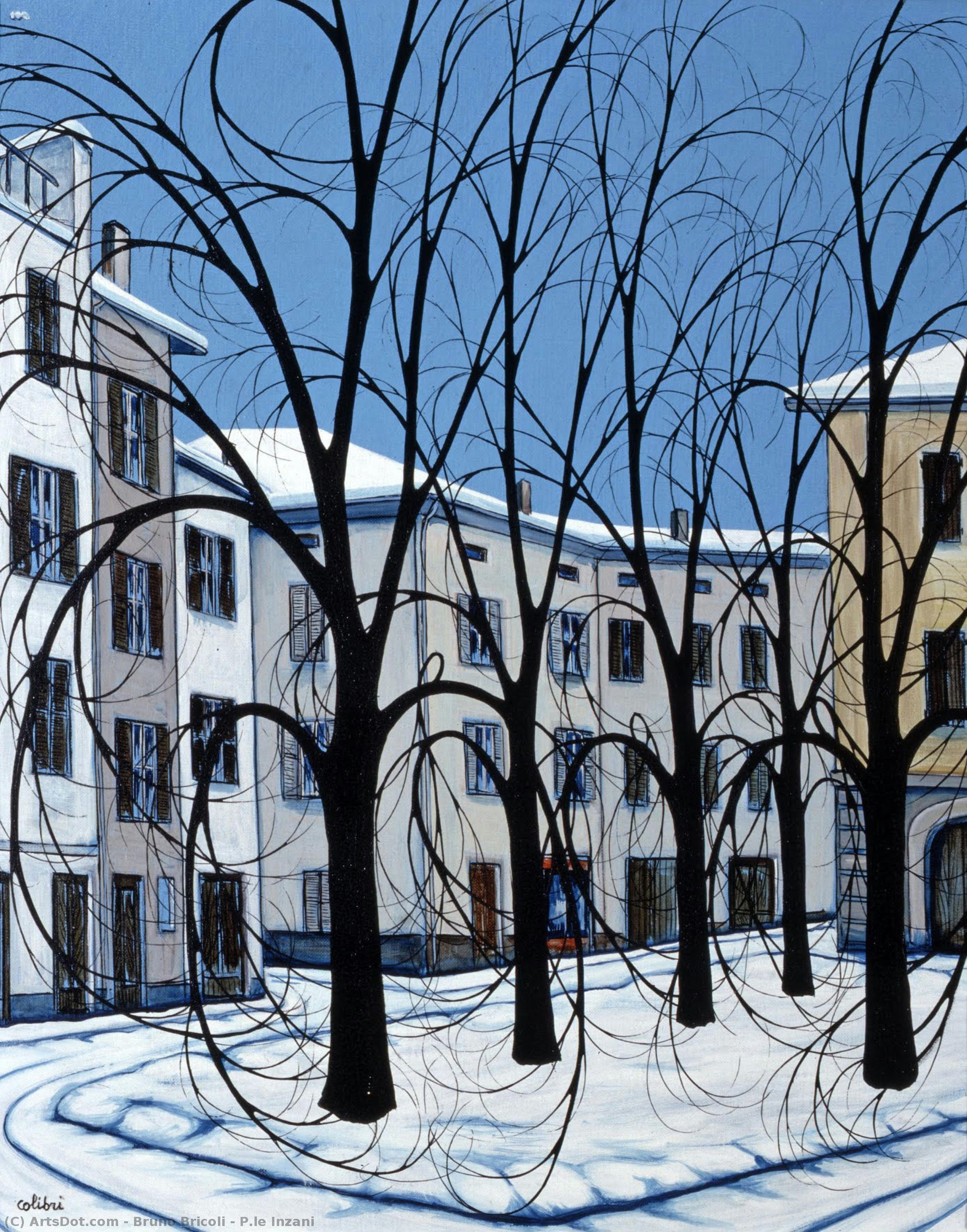
 Pregledaj u prostoru
 Pošalji
 Podeli
 Detalji o delu

 Преузми
 Slični predmeti
 Rendgenski snimak
 Slajdovi
 Stats
StatsP.le Inzani

 Pročitaj više
Giclee štampa / Umetnički otisak
Giclée štampa ili print na platnu muzejskog kvaliteta uz brzu proizvodnju i fleksibilne opcije završne obrade. ( Kupi ručno naslikanu sliku Switch to Digital Image)




































Izaberite jednu od naših unapred definisanih veličina koje odgovaraju originalnim proporcijama umetničkog dela.

Možete uneti sopstvene dimenzije kako biste umetničko delo prilagodili specifičnom okviru ili prostoru. Ako odabrani format ne odgovara proporcijama originalne slike, mi ćemo ili iscrtati deo dela ili proširiti sliku pomoću ogledane ivice ili jednobojnog popunjavanja. Digitalni prikaz će vam biti poslat na odobrenje pre početka proizvodnje.
Imajte na umu da pregled na ekranu ne odražava stvarno iscrtavanje ili proširivanje. Samo će prikaz (mockup) precizno pokazati finalnu kompoziciju.
Iako su prilagođene dimenzije dostupne, preporučujemo da odaberete dimenziju sa unapred definisane liste kako biste očuvali originalne proporcije.
Dostava širom sveta () za 2 nedelje umesto uobičajenih 4/5 nedelja. (8 септембар)

Besplatna ekspresna dostava širom sveta

Visokokvalitetno laneno platno

Kompletno osiguranje transporta

Garancija povraćaja carine i uvoznih dažbina

Garancija vernosti boja

Politika povraćaja u roku od 100 dana (isključivo u slučaju nedostataka)

Garancija povrata novca od 100%

Popust pri grupnoj kupovini
 Opcija sa staklom dostupna je samo za dimenzije manje od 110 cm

P.le Inzani
Giclee štampa / Umetnički otisak
Dimenzije reprodukcije
-


Konačna cena
$ 62
Srodna umetnička dela









Biografija umetnika
Bruno Bricoli: A Parma Painter of Everyday Life
Born in Parma, Italy, on July 11th, 1926, Bruno Bricoli’s life and art were inextricably linked to the landscape and rhythms of his native region. He passed away in 1996, leaving behind a quietly powerful body of work that offers intimate glimpses into the heart of Italian rural life. While he didn't achieve widespread international fame during his lifetime, Bricoli cultivated a deeply personal style characterized by a luminous palette, a sensitive observation of nature, and an understated elegance—qualities that have increasingly garnered attention in recent years.
Bricoli’s artistic journey began modestly. Details about his early training are somewhat scarce, suggesting a self-taught approach heavily influenced by the Impressionist movement and the burgeoning Post-Impressionism of the early 20th century. The influence of artists like Monet and Renoir is readily apparent in his use of light and color, particularly his ability to capture the shifting effects of sunlight on fields and water. However, Bricoli’s work transcends mere imitation; he developed a distinctly Italian sensibility, rooted in the traditions of *paesaggio*, the Italian concept of landscape as a reflection of human experience and emotion.
His subjects were remarkably consistent: scenes from daily life in Parma and its surrounding countryside. Farmers tending their fields, women drawing water from wells, children playing in sun-drenched meadows—these are the figures that populate his canvases. These aren’t grand historical narratives or dramatic portraits; rather, they are quiet moments of connection between people and the land. There's a remarkable tenderness in Bricoli’s portrayal of these ordinary subjects, suggesting a deep respect for their lives and labors. He avoided overt sentimentality, instead opting for a nuanced approach that allowed viewers to draw their own conclusions about the emotions conveyed.
Technique and Style
- Color Palette: Bricoli’s most distinctive feature is undoubtedly his use of color. He favored a bright, airy palette dominated by blues, greens, yellows, and ochres—colors that evoke the warmth and vibrancy of the Italian sun. His brushstrokes are often loose and expressive, creating a sense of movement and spontaneity.
- Light and Shadow: Like his Impressionist predecessors, Bricoli was deeply interested in capturing the effects of light. He meticulously observed how sunlight transformed the landscape throughout the day, using subtle gradations of color to convey the changing moods of the scene.
- Composition: His compositions are typically balanced and harmonious, often employing a slightly elevated viewpoint that allows him to survey the entire scene. There’s an inherent sense of tranquility in his paintings—a feeling of being immersed in a timeless moment.
The artwork “P.le Inzani” (link: /en/art/bruno-bricoli-p-le-inzani-D7DAH6-en/) exemplifies this style perfectly, showcasing his ability to capture the essence of a simple street scene with remarkable detail and emotional resonance. The painting’s luminous quality and subtle color variations create a captivating sense of atmosphere.
Exhibition and Recognition
Throughout his career, Bricoli exhibited his work in various galleries across Italy. While he didn't achieve widespread commercial success during his lifetime, his paintings were appreciated by local art enthusiasts and critics. His work gradually gained recognition within the Italian art community, particularly after his death. Today, his paintings are increasingly sought after by collectors who appreciate his unique vision and quiet beauty.
Historical Significance and Legacy
Bruno Bricoli’s contribution to Italian art lies in his ability to capture the essence of everyday life with remarkable sensitivity and skill. He represents a vital link between the Impressionist movement and the subsequent development of Post-War Italian painting. His work offers a poignant reminder of the enduring connection between people and the land—a theme that continues to resonate deeply with viewers today. Bricoli’s legacy is one of understated elegance, quiet observation, and a profound appreciation for the beauty of the ordinary.
His paintings are now available through ArtsDot.com, offering collectors a unique opportunity to own a piece of authentic Italian art from a talented and often overlooked artist.

bruno bricoli
1926 - 1996 , Italy
Osnovne informacije
- Artistic Movement Or Style: Landscape & Daily Life
- Date Of Birth: July 11th, 1926
- Date Of Death: 1996
- Full Name: Bruno Bricoli
- Nationality: Italian
- Notable Artworks: ['P.le Inzani']
- Place Of Birth: Parma, Italy