

 Pregledaj u prostoru
 Pošalji
 Podeli
 Detalji o delu

 Преузми
 Slični predmeti
 Rendgenski snimak
 Slajdovi
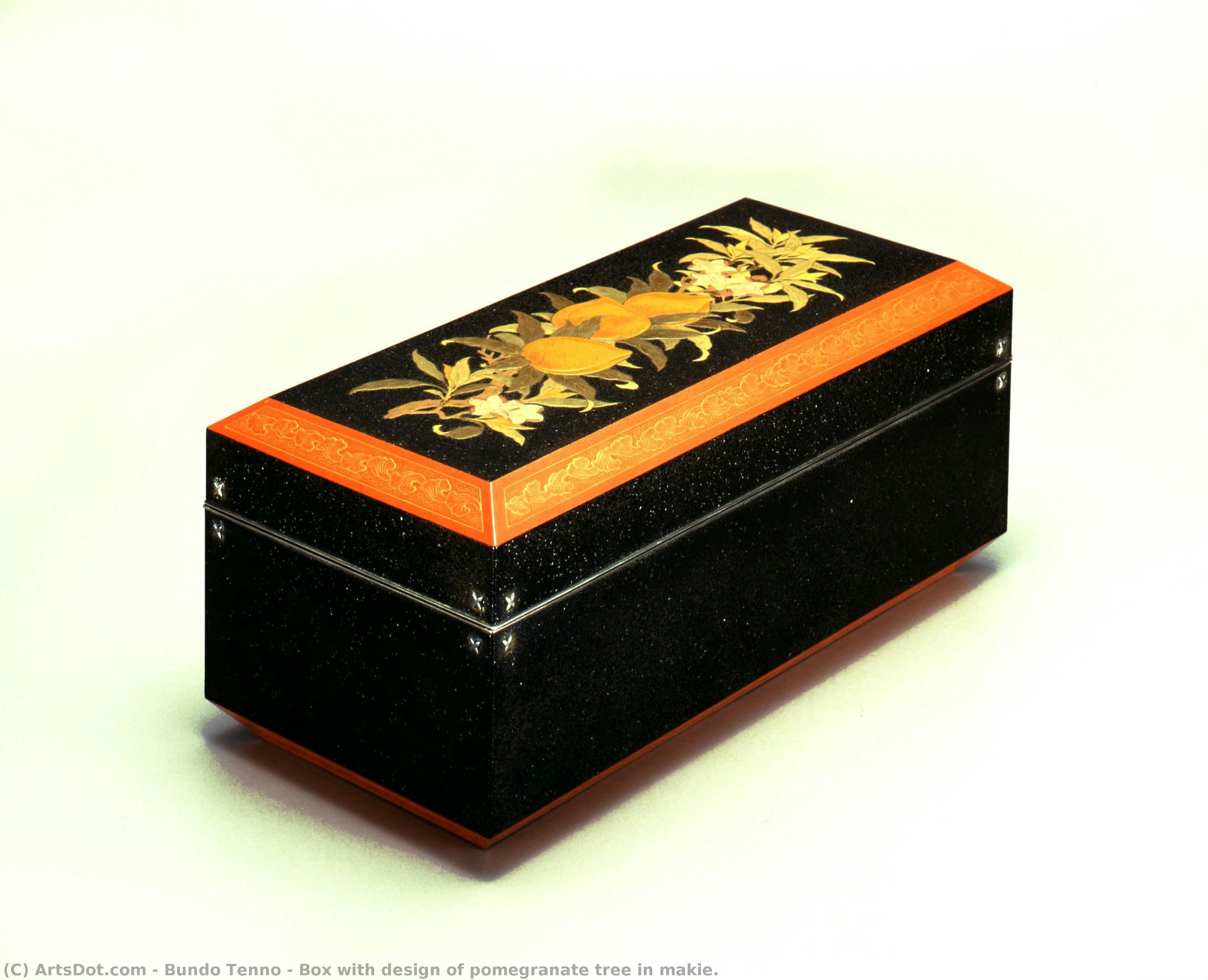
Box with design of pomegranate tree in makie.


 Pročitaj više
Ručno rađena uljana reprodukcija
Ručno oslikano uljanim bojama na platnu u dimenzijama i okviru po vašem izboru, izrađeno po porudžbini od strane naših umetnika. ( Kupi print Kupi digitalnu sliku)




































Izaberite jednu od naših unapred definisanih veličina koje odgovaraju originalnim proporcijama umetničkog dela.

Можете унети сопствене димензије како бисте прилагодили дело одређеном оквиру или простору. Ако одабрана величина не одговара пропорцијама оригинала, слика ће бити исечена или проширена додатним елементима који се ручно насликавају. Дигитални prikaz ће вам бити послат на одобрење пре почетка производње.
Имајте на уму да преглед на екрану не одражава стварно исецање или проширење. Само приказ (mockup) ће тачно приказати коначну композицију.
Иако су доступне прилагођене величине, препоручујемо да одаберете димензију из дефинисане листе како бисте сачували оригиналне пропорције.
Nakon narudžbine, tim ArtsDot.com će klijentu putem e-pošte poslati uputstva i dostaviti prikaz predloženog rešenja
Isporuka širom sveta () za 3/4 nedelje umesto uobičajenih 5 nedelja. (27 август). Bez kompromisa po pitanju kvaliteta.

Besplatna ekspresna dostava širom sveta

Visokokvalitetno laneno platno

Kompletno osiguranje transporta

Garancija povraćaja carine i uvoznih dažbina

Garancija vernosti boja

Politika povrata u roku od 60 dana (samo u slučaju nedostataka)

Garancija povrata novca od 100%

Popust pri grupnoj kupovini
 Opcija sa staklom dostupna je samo za dimenzije manje od 110 cm

Box with design of pomegranate tree in makie.
Tehnika reprodukcije
Dimenzije reprodukcije
-


Konačna cena
$ 263
Srodna umetnička dela









Biografija umetnika
The Master of Luminous Layers: The Life and Art of Bundo Tenno
In the delicate, shimmering world of Japanese lacquerware, few names evoke the same sense of meticulous devotion as Bundo Tenno. Born in Tokyo in 1896, Tenno emerged during a transformative era for Japanese decorative arts, a period where the ancient traditions of the Edo period met the burgeoning modernism of the early 20th century. His journey was one of profound discipline, rooted in an early fascination with the way light interacts with precious minerals and sap. To study under the masters of his time was to undergo a spiritual refinement as much as a technical one, and Tenno emerged from this rigorous training not merely as a craftsman, but as a poet of texture and depth.
The essence of Tenno’s artistry lies in his unparalleled command over maki-e, the sophisticated technique of sprinkling metallic powders onto wet lacquer. He did not simply decorate surfaces; he sculpted them. Through the mastery of takamaki-e, he achieved a breathtaking relief, building up layers of lacquer to create raised, three-dimensional forms that seem to breathe against the dark, polished background. His use of hiramaki-e allowed for a more subtle, flush elegance, while his application of hirame—the delicate dusting of metallic powders—infused his pieces with a soft, ethereal glow. This interplay of light and shadow transformed functional objects into luminous treasures that captured the very soul of the natural world.
Nature Reflected in Lacquer
Tenno’s thematic repertoire was deeply rooted in the seasonal rhythms of Japan, finding profound beauty in the fleeting moments of the natural landscape. His compositions often featured a delicate balance of flora and fauna, where every petal and leaf was rendered with scientific precision yet imbued with an emotional resonance. One of his most celebrated achievements is the round lacquer box featuring a pomegranate tree, created in 1944. In this piece, the artist utilized the richness of his medium to depict the heavy, ripening fruit and the intricate branching of the tree, creating a sense of abundance and vitality that stood as a testament to beauty even amidst the global uncertainties of the mid-1940s.
Beyond the pomegranate, his work frequently explored:
- Botanical Elegance: The use of seasonal flowers to evoke specific moods, from the ephemeral cherry blossom to the resilient plum blossom.
- Avian Grace: The integration of birds into landscapes, where the movement of a wing is captured through subtle shifts in lacquer thickness.
- Textural Depth: The creation of organic surfaces that mimic the roughness of bark or the smoothness of a water droplet through advanced maki-e techniques.
A Lasting Legacy of Craftsmanship
Though Bundo Tenno passed away in 1952, his influence remains etched in the history of Japanese decorative arts. He belonged to a generation of artists who bridged the gap between the ancient guild traditions and the modern museum era, ensuring that the complex vocabulary of lacquerware would be preserved for future generations. His work serves as a vital link to the heritage of the Tokugawa era, yet it possesses a clarity and innovation that feels timeless.
Today, his masterpieces are cherished by collectors and institutions worldwide, standing as silent witnesses to a period of unparalleled technical achievement. To behold a piece by Tenno is to experience a meditative encounter with light; it is to see how the patient application of many layers can eventually reveal a world of infinite complexity. His legacy continues to inspire those who seek beauty in the meticulous, proving that true art lies in the harmonious marriage of nature's motifs and the artist's unwavering hand.
bundo tenno
1896 - 1952 , Japan
Osnovne informacije
- Artistic Movement Or Style: Lacquerware (Takamaki-e, Hiramaki-e, Hirame)
- Date Of Birth: 1896-04-27
- Date Of Death: 1952
- Full Name: Bundo Tenno / tenno bundo
- Nationality: Japanese
- Notable Artworks:
- Pomegranate tree box (1944)
- Sake cup with plum garden (1945)
- Place Of Birth: Tokyo, Japan

