

 Pošalji
 Podeli
 Detalji o delu

 Преузми
 Slični predmeti
 Slajdovi
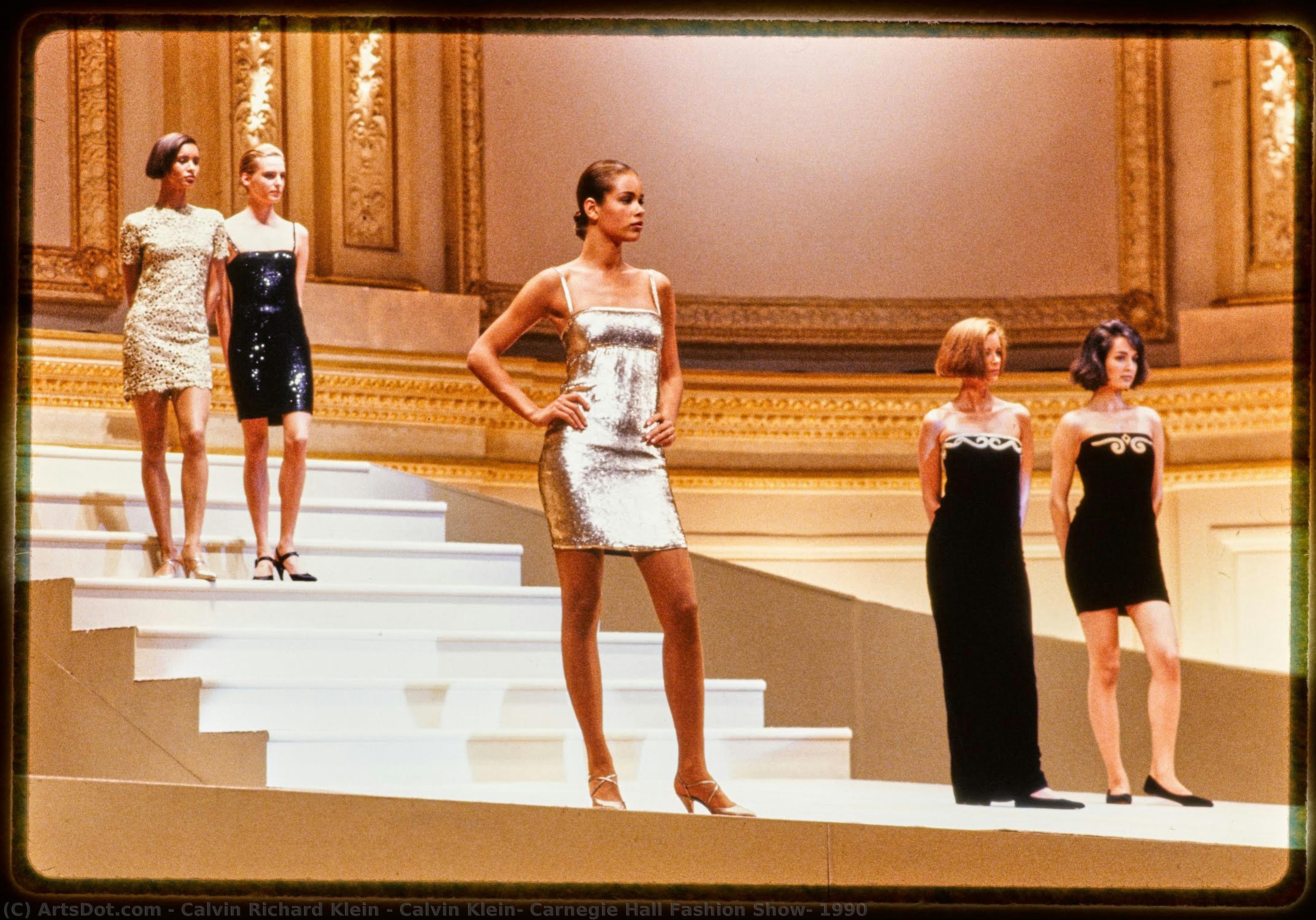
Calvin Klein, Carnegie Hall Fashion Show, 1990


 Pročitaj više
Giclee štampa / Umetnički otisak
Giclée štampa ili print na platnu muzejskog kvaliteta uz brzu proizvodnju i fleksibilne opcije završne obrade. ( Kupi ručno naslikanu sliku Kupi digitalnu sliku)




































Izaberite jednu od naših unapred definisanih veličina koje odgovaraju originalnim proporcijama umetničkog dela.

Možete uneti sopstvene dimenzije kako biste umetničko delo prilagodili specifičnom okviru ili prostoru. Ako odabrani format ne odgovara proporcijama originalne slike, mi ćemo ili iscrtati deo dela ili proširiti sliku pomoću ogledane ivice ili jednobojnog popunjavanja. Digitalni prikaz će vam biti poslat na odobrenje pre početka proizvodnje.
Imajte na umu da pregled na ekranu ne odražava stvarno iscrtavanje ili proširivanje. Samo će prikaz (mockup) precizno pokazati finalnu kompoziciju.
Iako su prilagođene dimenzije dostupne, preporučujemo da odaberete dimenziju sa unapred definisane liste kako biste očuvali originalne proporcije.
Dostava širom sveta () za 2 nedelje umesto uobičajenih 4/5 nedelja. (30 август)

Besplatna ekspresna dostava širom sveta

Visokokvalitetno laneno platno

Kompletno osiguranje transporta

Garancija povraćaja carine i uvoznih dažbina

Garancija vernosti boja

Politika povrata u roku od 60 dana (samo u slučaju nedostataka)

Garancija povrata novca od 100%

Popust pri grupnoj kupovini
 Opcija sa staklom dostupna je samo za dimenzije manje od 110 cm

Calvin Klein, Carnegie Hall Fashion Show, 1990
Giclee štampa / Umetnički otisak
Dimenzije reprodukcije
-


Konačna cena
$ 62
A Symphony of Minimalism: The 1990 Carnegie Hall Fashion Show
In the grand, storied halls of Manhattan’s cultural epicenter, a singular moment in fashion history was etched into the silver grain of photography. The Calvin Klein, Carnegie Hall Fashion Show, 1990 is not merely a document of apparel; it is a masterful distillation of an era where minimalism met monumental grandeur. Captured in striking black and white, the image presents a profound study in contrasts. It juxtaposes the stark, uncompromising lines of Calvin Klein’s signature aesthetic against the opulent, architectural weight of Carnegie Hall. This photograph serves as a visual manifesto, capturing the precise moment when the stripped-back elegance of the late twentieth century reclaimed its place within the most prestigious stage of classical tradition.
The composition of the piece draws the eye through a rhythmic arrangement of form and shadow. As models descend or ascend a staircase, their silhouettes create a geometric dance that mirrors the structured precision of Klein’s design philosophy. The use of monochrome photography strips away the distraction of color, forcing the viewer to confront the essential elements: the drape of the fabric, the interplay of light on silk and cotton, and the architectural depth of the venue. There is an undeniable sense of movement captured in stillness—a frozen breath of high society where the sleekness of modern fashion meets the timelessness of stone and velvet.
The Architect of Simplicity and Historical Resonance
To understand the emotional weight of this image, one must look to the visionary behind it. Calvin Richard Klein, a pioneer of the minimalist movement, revolutionized the industry by rejecting the flamboyant ornamentation of previous decades in favor of clean lines and understated sophistication. This photograph captures his triumph; by bringing nineteen international designers to Carnegie Hall, Klein elevated fashion from the ephemeral world of commerce to the enduring realm of fine art. The image reflects this ambition, presenting the garments not as mere clothing, but as sculptural objects navigating a space of immense cultural significance.
For the collector or the interior designer, this piece offers more than just aesthetic beauty; it provides a narrative of power and refinement. It evokes the atmosphere of New York City’s golden age of design—a time of bold confidence and quiet luxury. The photograph possesses a versatile emotional impact, capable of anchoring a room with its sophisticated monochrome palette while providing a conversational focal point that speaks to themes of innovation, legacy, and the intersection of different artistic disciplines. Whether placed in a contemporary gallery setting or a classic study, it remains a timeless testament to the power of simplicity.
Srodna umetnička dela



Biografija umetnika
Calvin Richard Klein: A Minimalist Visionary
Calvin Richard Klein (born November 19, 1942) is an American fashion designer renowned for his minimalist aesthetic and iconic branding. He launched the company that would become Calvin Klein Inc. in 1968, revolutionizing the fashion industry with clean lines, provocative advertising campaigns, and a global brand presence.
Early Life and Education
Born in the Bronx, New York City, to Jewish immigrant parents from Austria-Hungary (now Ukraine), Klein’s early life was shaped by a creative environment. He attended the High School of Art and Design in Manhattan, demonstrating an aptitude for design from a young age. He briefly studied at the Fashion Institute of Technology before leaving after his first year. His apprenticeship with cloak-and-suit manufacturer Dan Millstein provided valuable experience, followed by several years designing for other New York City shops.
The Rise of Calvin Klein: Minimalism and Branding
Klein’s breakthrough came in 1968 when he launched his own company with childhood friend Barry K. Schwartz. His early collections featured tailored coats that quickly gained recognition for their clean, minimalist designs. A pivotal moment arrived in 1974 with the introduction of Calvin Klein jeans, featuring provocative advertising campaigns that challenged conventional marketing and helped establish the brand's edgy image. This era saw the rise of his signature denim, known for its tight fit and bold branding, which became a cultural phenomenon.
- Early Influences: Baron de Gunzburg played a significant role in introducing Klein to New York’s elite fashion scene.
- Minimalist Aesthetic: Klein's designs emphasized simplicity, clean lines, and understated elegance, a departure from the more elaborate styles of the time.
- Provocative Advertising: His use of controversial advertising campaigns featuring celebrities and suggestive imagery generated both controversy and immense publicity, solidifying the brand’s identity.
Major Achievements and Legacy
Throughout his career, Klein received numerous accolades for his contributions to fashion, including the Council of Fashion Designers of America Lifetime Achievement Award in 1993. His brand expanded beyond clothing to encompass fragrances, watches, jewelry, and home goods, becoming a global powerhouse with products sold in over 110 countries.
- Iconic Jeans: The Calvin Klein jeans line remains one of the most recognizable and influential denim brands worldwide.
- Fragrance Empire: His fragrance lines, particularly "CK One," achieved massive commercial success and redefined gender norms in perfumery.
- Cultural Impact: Klein’s designs and marketing strategies significantly impacted popular culture, influencing trends in fashion, advertising, and celebrity endorsements.
Historical Significance
Calvin Klein's impact on the fashion industry is undeniable. He pioneered a minimalist aesthetic that continues to influence designers today. His innovative use of branding and provocative advertising campaigns redefined marketing strategies and blurred the lines between fashion and popular culture. Klein’s ability to create a global brand synonymous with luxury, sex appeal, and effortless style cemented his place as one of the most influential figures in 20th and 21st-century fashion.

calvin richard klein
1942 - , United States of America
Osnovne informacije
- Artistic Movement Or Style: Minimalist fashion design
- Date Of Birth: November 19, 1942
- Full Name: Calvin Richard Klein
- Nationality: American
- Notable Artworks: ['Calvin Klein, Carnegie Hall Fashion Show']
- Place Of Birth (City And Country): New York City, United States
Povezani članci

White on Canvas: 10 Masterpieces & Timeless Elegance for Your Home Decor
Explore 10 iconic white paintings by Monet, Whistler & Rothko! Discover the stories behind these serene masterpieces and their impact on art history. Find museum-quality reproductions for your home decor at .

Giclée Prints: Archival Quality & Aesthetic Nuances for the Discerning Collector
Explore the world of giclée prints with ArtsDot. Learn about archival quality, aesthetic nuances & investment potential. Expert guidance for discerning art collectors seeking museum-quality reproductions and lasting value.

Dark Masterpieces: 10 Iconic Paintings Dominated by Black Tones |
Explore 10 iconic paintings dominated by black tones, from Rembrandt’s chiaroscuro to Goya's dark expressions. Discover the stories behind these masterpieces & find museum-quality art reproductions for your home at .

Monochrome Visions: Exploring the Aesthetic & Historical Significance of Black & White Photography
Explore the rich history & artistic power of black and white photography. From early techniques to iconic masters like Ansel Adams, discover why monochrome continues to captivate art lovers today. Expert insights for collectors.

The Enduring Legacy of Fine Art Prints: Technique, History & Aesthetic Impact
Explore the rich history & techniques of fine art prints. Discover investment potential, assess authenticity, and learn how to preserve your collection with expert guidance. Trusted insights for discerning collectors.

