

 Pregledaj u prostoru
 Pošalji
 Podeli
 Detalji o delu

 Преузми
 Slični predmeti
 Rendgenski snimak
 Slajdovi
 Stats
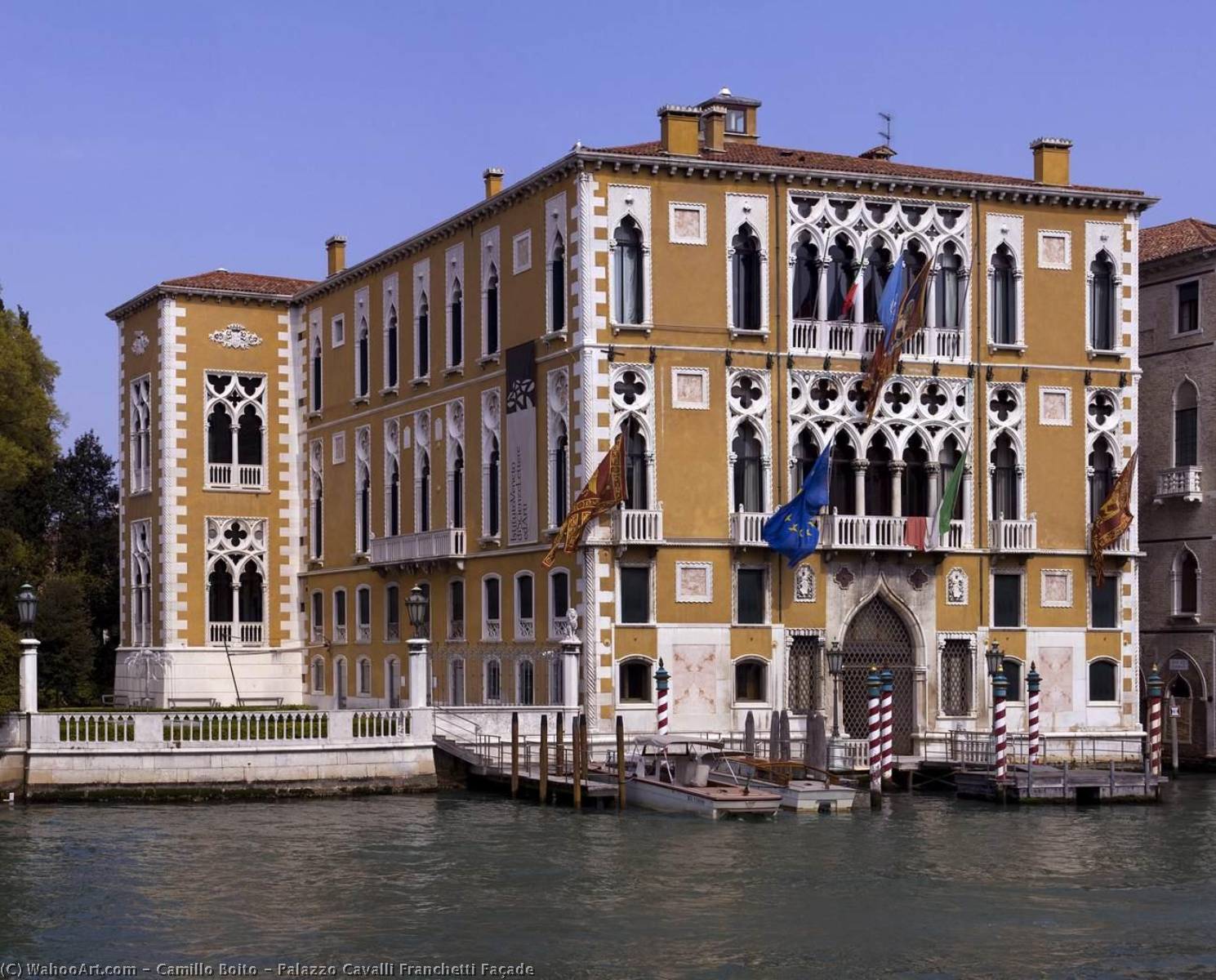
StatsPalazzo Cavalli Franchetti Façade


 Pročitaj više
Kupite digitalnu sliku visoke rezolucije i poboljšanog kvaliteta, koja je znatno superiornija od onoga što vidite u online prikazu.
Svaka datoteka je pedantno pripremljena od strane naših stručnjaka koristeći napredne alate i profesionalnu ručnu retušu. Osiguravamo da svaka slika ima izuzetnu oštrinu, preciznu reprodukciju boja i fine detalje.
Konačna datoteka se dostavlja putem e-pošte u roku od 72 sata, optimizovana za neposrednu upotrebu u profesionalnim, izdavačkim i štamparskim okruženjima. To je isti kvalitet kojem veruju vrhunski studiji dizajna, izdavači i galerije.
Digitalna slika
Preuzmite datoteku visoke rezolucije za ličnu upotrebu, štampanje i kreativne projekte. ( Switch to Print Kupi ručno naslikanu sliku)
Uključeno uz svaku porudžbinu digitalne slike
Profesionalna digitalna isporuka, zagarantovana
Kada odaberete ArtsDot.com, ne dobijate samo sliku – vi primate profesionalno unapređeno digitalno umetničko delo, izrađeno sa najvećom preciznošću i uz garanciju zadovoljstva. Evo svega što automatski dolazi uz vašu porudžbinu:

Brza dostava putem e-pošte
Vaša digitalna slika visoke rezolucije biće vam poslata putem e-pošte u roku od 72 sata od poručivanja – spremna za trenutnu upotrebu.

Digitalna datoteka unapređena veštačkom inteligencijom
Vaše umetničko delo je profesionalno optimizovano korišćenjem naprednih AI alata i ručne obrade, čime se osiguravaju maksimalni detalji, oštrina i preciznost boja.

Besplatna ponovna isporuka doživotno
Slučajno ste obrisali ili izgubili svoju datoteku? Ne brinite – poslaćemo vam je ponovo u bilo kom trenutku, potpuno besplatno.

Bez troškova uvoza – zauvek
Uživajte u svojim umetničkim delima trenutno, bez carine, dažbina ili troškova dostave – digitalni download je uvek bez poreza.

Garancija vernosti boja
Uz pomoć profesionalnih alata i upravljanja bojama, osiguravamo da vaša digitalna slika što vernije odražava originalne boje.

Garancija zadovoljstva od 100 dana
Ako niste zadovoljni svojom digitalnom slikom, izvršićemo reviziju ili ćemo vam vratiti 100% novca u roku od 100 dana – bez ikakvih pitanja.

100% garancija povrata novca
Niste zadovoljni? Dobijte puni povraćaj novca u roku od 100 dana od prijema digitalne datoteke – bez suvišnih pitanja.

Popusti na velike porudžbine
Kupite 3 slike, uštedite 10% - Kupite 5 slika, uštedite 15% - Kupite 10+ slika, uštedite 20%. Odlično za kreativne projekte, galerije i agencije.
Srodna umetnička dela










Biografija umetnika
A Life Dedicated to Venetian Heritage: Camillo Boito
Camillo Boito, born in Rome on October 30th, 1836, and passing away on June 28th, 1914, was far more than simply an architect. He embodied a passionate commitment to the preservation of Italy’s artistic legacy, particularly that of Venice. While recognized for his architectural designs and engineering prowess, Boito's influence extended deeply into art criticism, historical analysis, and even fiction, making him a pivotal figure in 19th-century Italian cultural life. He was intrinsically linked to Milan, where he spent much of his career, but his heart remained tethered to the lagoon city’s unique beauty and complex history.
Boito's early education at the Accademia di Belle Arti in Venice laid the foundation for a lifelong fascination with medieval art. Influenced by figures like Pietro Selvatico Estense, he developed an appreciation for historical styles that would later inform his approach to restoration—a subject of intense debate during his time. His initial training was disrupted by political unrest and Austrian domination, leading him to Tuscany where he began writing for the journal lo Spettatore, showcasing a burgeoning talent for articulate analysis.
Architectural Development & The Scapigliatura Circle
The move to Milan in the 1850s proved transformative. He became deeply involved with the Scapigliatura movement—a group of artists and intellectuals seeking to revitalize Italian art and literature. This association fueled his creative spirit, prompting him to write short stories published as Storielle vane (1876) and Senso: Nuove storielle vane (1883). In 1860, he secured a professorship at the Brera Academy in Milan, a position he held for nearly half a century. This role allowed him to shape generations of architects while simultaneously engaging with contemporary artistic discourse.
Boito’s early architectural projects in Lombardy, such as the chapels surrounding the cemetery at Gallarate (1865) and the Ponti Mausoleum within it, reveal a blend of influences—particularly from Central Europe, reflecting his travels to visit family in Poland. However, he never fully abandoned his connection to Venice, winning the competition for the Palazzo delle Debite in Padua in 1873. His work began to embody a thoughtful consideration of historical context and a desire to integrate past styles with modern needs.
Restoration & The Pursuit of Authenticity
Boito’s most significant contribution arguably lies in his approach to architectural restoration. He found himself caught between two dominant philosophies: the radical reconstruction advocated by Eugène Viollet-le-Duc, who believed in restoring buildings to their original imagined glory, and the preservationist stance of John Ruskin, who championed leaving structures untouched, even in ruin. Boito sought a middle ground—a method that acknowledged historical evolution while striving for authenticity.
He meticulously researched building histories, advocating for conservative interventions that respected existing fabric and avoided excessive reconstruction. This approach was particularly evident in his work on Venetian palaces, where he understood the importance of preserving not just the structure but also the layers of history embedded within it. He believed that a building’s past should be visible, informing its present identity.
Major Achievements & Lasting Legacy
Among Boito's most celebrated achievements is his design for the façade of Palazzo Cavalli Franchetti, completed in 1898. This project exemplifies his ability to synthesize historical styles—drawing inspiration from Venetian Gothic architecture while incorporating modern elements. The palace stands as a testament to his vision of a harmonious blend between past and present.
Beyond specific buildings, Boito’s influence permeated Italian cultural institutions. His involvement in numerous competitions, commissions, and professional associations ensured that his principles of restoration were widely disseminated. He served on countless committees dedicated to preserving Italy's artistic heritage, shaping policies and influencing generations of architects and art historians.
Camillo Boito’s legacy extends beyond the physical structures he designed or restored. He was a tireless advocate for understanding and appreciating the complexities of historical architecture, a passionate critic who challenged conventional wisdom, and a dedicated educator who inspired countless others to value Italy's artistic past. His work continues to resonate today, reminding us of the importance of preserving our cultural heritage with sensitivity, respect, and a deep appreciation for the stories embedded within the stones.

camillo boito
1836 - 1914
Kratke činjenice
- Artistic Movement Or Style: Italian Gothic Revival
- Artists Or Movements Influenced By This Artist: ['Giuseppe Verdi']
- Artists Who Influenced This Artist: ['Gustav Mahler']
- Date Of Birth: October 30, 1836
- Date Of Death: June 28, 1914
- Full Name: Camillo Boito
- Nationality: Italian
- Notable Artworks:
- Gallarate Hospital
- Casa di Riposo per Musicisti
- Place Of Birth: Rome, Italy