 Pregledaj u prostoru
 Pošalji
 Podeli
 Detalji o delu

 Преузми
 Slični predmeti
 Rendgenski snimak
 Slajdovi
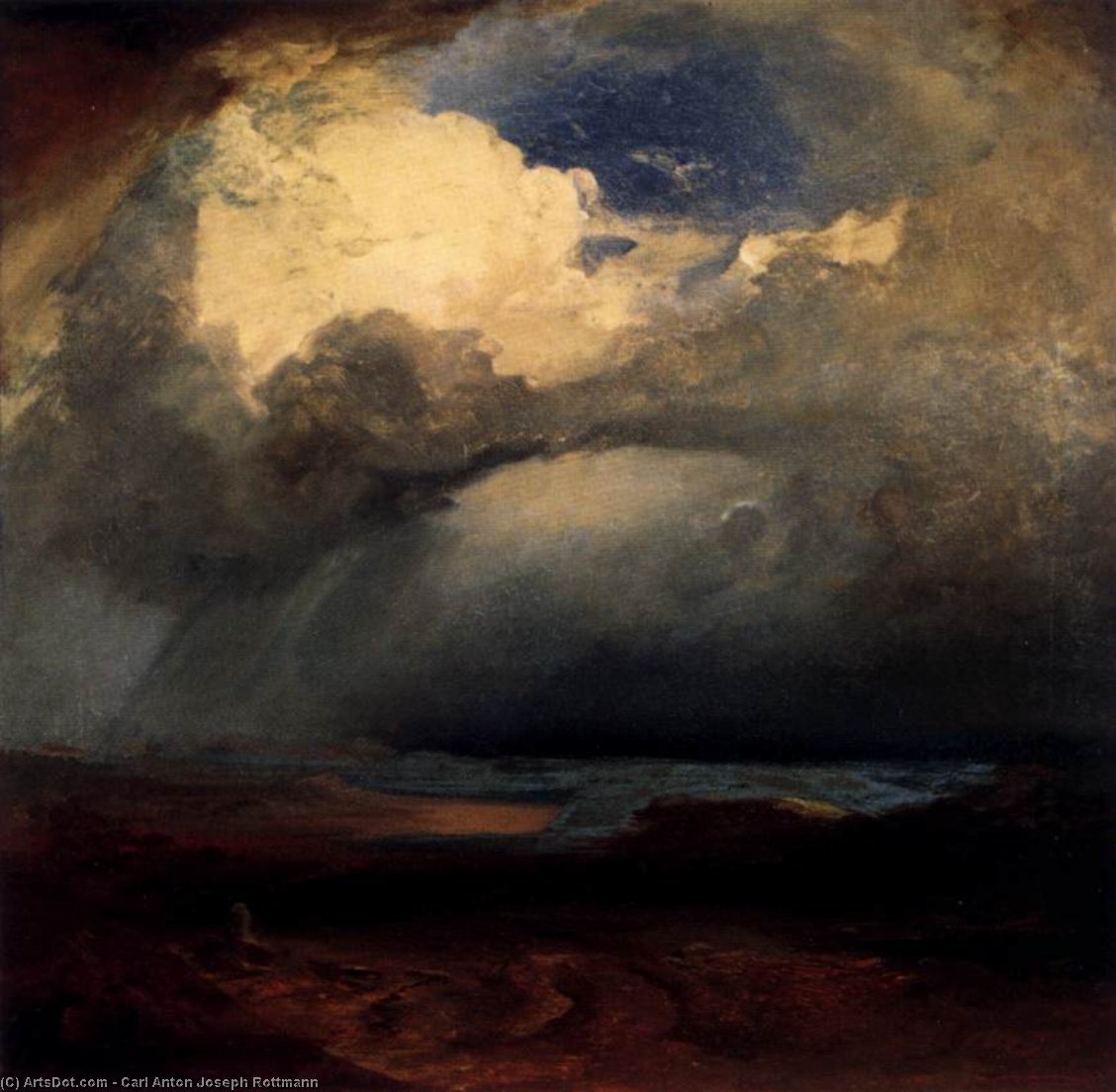
The Battlefield at Marathon
 Acrylic On Canvas
- WallArt
- Romanticism
 1849
1849 91.0 x 91.0 cm
 Nationalgalerie
 Pročitaj više
Ručno rađena uljana reprodukcija
Ručno oslikano uljanim bojama na platnu u dimenzijama i okviru po vašem izboru, izrađeno po porudžbini od strane naših umetnika. ( Kupi print Kupi digitalnu sliku)




P118B $10

P118H $10

P118W $10

P438Z $10

P508JH $12

P508YH $12

P805H $10

P805Z $10

P919BZ $10

P919G $10

P919XJ $10

P959ZH $10

P968JZ $12

W106C $8

W218G $10

W218JH $8

W218Y $10

W307PJ $10

W316G $10

W316PJ $8

W316Y $10

W398PJ $8

W4111J $10

W500HY $15

W500JH $15

W692G $12

W849H $8

W940BG $15

W953PJ $8




Izaberite jednu od naših unapred definisanih veličina koje odgovaraju originalnim proporcijama umetničkog dela.

Можете унети сопствене димензије како бисте прилагодили дело одређеном оквиру или простору. Ако одабрана величина не одговара пропорцијама оригинала, слика ће бити исечена или проширена додатним елементима који се ручно насликавају. Дигитални prikaz ће вам бити послат на одобрење пре почетка производње.
Имајте на уму да преглед на екрану не одражава стварно исецање или проширење. Само приказ (mockup) ће тачно приказати коначну композицију.
Иако су доступне прилагођене величине, препоручујемо да одаберете димензију из дефинисане листе како бисте сачували оригиналне пропорције.
Nakon narudžbine, tim ArtsDot.com će klijentu putem e-pošte poslati uputstva i dostaviti prikaz predloženog rešenja
Isporuka širom sveta () za 3/4 nedelje umesto uobičajenih 5 nedelja. (25 август). Bez kompromisa po pitanju kvaliteta.

Besplatna ekspresna dostava širom sveta

Visokokvalitetno laneno platno

Kompletno osiguranje transporta

Garancija povraćaja carine i uvoznih dažbina

Garancija vernosti boja

Politika povrata u roku od 60 dana (samo u slučaju nedostataka)

Garancija povrata novca od 100%

Popust pri grupnoj kupovini
 Opcija sa staklom dostupna je samo za dimenzije manje od 110 cm

The Battlefield at Marathon
Tehnika reprodukcije
Dimenzije reprodukcije
-


Konačna cena
$ 263
Opis umetničkog dela
The Battlefield at Marathon - A Romantic Vision of Courage and Impermanence
“The Battlefield at Marathon,” painted in 1849 by Carl Anton Joseph Rottmann, stands as a monumental testament to the Romantic movement’s fascination with dramatic landscapes and emotive storytelling. More than just a depiction of an historical event—the decisive Battle of Marathon against invading Persian forces—it embodies a profound meditation on human vulnerability confronted by the overwhelming power of nature.
- Subject Matter: Rottmann meticulously recreated the scene of the battle, capturing the chaos and intensity of the conflict. The painting portrays soldiers engaged in combat amidst a rocky shoreline and turbulent sea, emphasizing the immediacy of the moment.
- Style & Technique: Rottmann’s approach aligns perfectly with Romantic ideals. He employed loose brushwork—particularly prominent in the swirling clouds and crashing waves—to convey movement and dynamism. The impasto technique – applying paint thickly onto the canvas – lends textural richness to the composition, mirroring the ruggedness of the battlefield itself.
- Historical Context: The Battle of Marathon holds immense significance in Greek history as it marked a pivotal victory for Athens against Persia, safeguarding Western civilization’s independence. Rottmann's artwork reflects this triumph while simultaneously acknowledging the fragility of human existence within the grand scheme of cosmic forces.
- Symbolism: The dominant iceberg-like formation serves as a powerful symbol representing the immensity and indifference of nature. Its partially submerged state underscores humanity’s insignificance in comparison, prompting contemplation on mortality and resilience. Rottmann's masterful use of light—primarily diffused and subdued—creates an atmosphere of melancholy and reinforces this thematic core.
- Emotional Impact: Viewing “The Battlefield at Marathon” evokes a visceral response – awe mingled with apprehension. Rottmann’s artistic vision compels the viewer to confront existential questions about human destiny amidst the relentless march of time, cementing its place as a cornerstone of Romantic art.
Further research into Rottmann's oeuvre reveals his dedication to capturing sublime landscapes and portraying heroic narratives—a stylistic hallmark that distinguishes him from many of his contemporaries. His meticulous attention to detail and expressive brushwork ensured that “The Battlefield at Marathon” would endure as a timeless masterpiece, resonating with audiences across generations.
Material & Composition Details
Painted on canvas using oil paints, Rottmann’s technique involved layering pigment to achieve remarkable textural depth and atmospheric effects. The predominantly grey palette—accentuated by subtle hints of ochre—effectively communicates the bleakness of the battlefield environment.
Exploring Related Artworks
To appreciate Rottmann's artistic vision fully, consider examining his other celebrated landscapes, notably “Ammer Lake” and “Castle Eltz.” These works demonstrate his unwavering commitment to portraying nature’s grandeur alongside narratives of courage and human endeavor.
Resources for Further Investigation
For a deeper understanding of Rottmann's life and artistic legacy, consult scholarly articles on Romantic landscape painting and biographical accounts detailing his formative years in Heidelberg.
Srodna umetnička dela


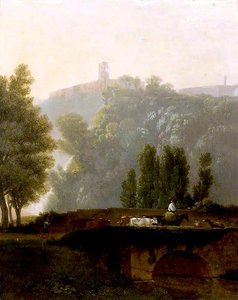
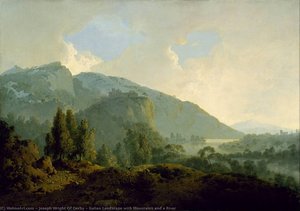
Biografija umetnika
The Visionary Landscapes of Carl Rottmann
Born in the tranquil setting of Handschuhsheim, Germany, in 1797, Carl Anton Joseph Rottmann emerged as a profound voice within the movement of German Romanticism. His life and artistry were deeply intertwined with the shifting landscapes of 19th-century Europe, reflecting a period where the sublime beauty of nature met the burgeoning spirit of national identity. Unlike many of his contemporaries who focused on the intimate or the domestic, Rottmann possessed an expansive vision, seeking to capture the monumental scale of the world through sweeping vistas and mythic atmospheres. His journey was one of constant movement, traveling through the rugged terrains of Greece, Italy, and the Bavarian Alps, each location leaving an indelible mark on his palette and his perception of the divine within the natural world.
The development of Rottmann’s style was a masterful evolution from classical precision to a more emotive, atmospheric approach. Influenced by the grand traditions of landscape painting, he moved beyond mere topographical accuracy to embrace the sublime—that specific Romantic quality of awe and terror inspired by the vastness of nature. His technique involved a sophisticated understanding of light and shadow, using them not just to define form, and shape, but to evoke a sense of historical weight and mythic presence. In his hands, a mountain range was never just stone and ice; it was a silent witness to antiquity, a stage for the legends of old. This ability to infuse physical geography with spiritual and historical narrative became the hallmark of his mature period.
A Legacy of Light and Myth
Rottmann’s achievements are most notably seen in his ability to bridge the gap between the tangible world and the realm of imagination. His works often serve as windows into a lost era, where the ruins of ancient civilizations seem to breathe under the soft glow of a Mediterranean sun or the misty shroud of a northern forest. Through his meticulous attention to the interplay of light upon textures—the roughness of weathered stone, the translucency of water, and the softness of clouds—he achieved a level of luminosity that captivated the art world of his time.
The historical significance of his oeuvre lies in its role as a cornerstone of Romantic landscape art. His contributions can be summarized through several key artistic pillars:
- The Synthesis of History and Nature: He pioneered a method of painting where the landscape itself acts as a vessel for historical memory, blending archaeological interest with poetic expression.
- Mastery of Atmospheric Perspective: His use of color temperature and clarity to create depth allowed viewers to feel immersed in the vastness of his depicted scenes.
- Cultural Documentation: Through his travels, he provided a visual record of the European landscapes that were central to the Romantic identity, particularly the Greek and Bavarian vistas.
Ultimately, the work of Carl Rottmann remains a testament to the power of the gaze to transform the ordinary into the extraordinary. He did not merely paint what he saw; he painted what he felt in the presence of greatness. His legacy continues to resonate with those who find beauty in the monumental and meaning in the silent, enduring features of our earth, ensuring his place as a vital figure in the tapestry of 19th-century European art.
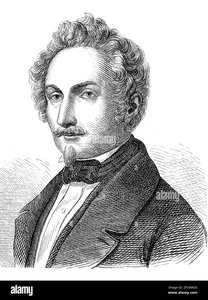
carl anton joseph rottmann
1797 - 1850 , Germany
Osnovne informacije
- Artistic Movement Or Style: Romanticism, Neoclassicism
- Artists Or Movements Influenced By This Artist:
- Joshua Reynolds
- Romanticism
- Artists Who Influenced This Artist:
- Janys Zedres
- Rembrandt
- Date Of Birth: September 3, 1734
- Date Of Death: August 29, 1797
- Full Name: Joseph Wright of Derby
- Nationality: English
- Notable Artworks:
- An Experiment on a Bird in the Air Pump
- The Slaughtered Horse
- A Man Defending His Cart
- Place Of Birth: Derby, England
Povezani članci

Glavna dela koja su definisala Romantični pejzaž: 10 remek-dela za vaš dom
Otkrijte 10 remek-dela romantičnog pejzažnog slikarstva! Uronite u svet Claude Lorraina, Caspara David Friedricha i Turnera. Ispričane priče umetnosti, inspiracija za dekoraciju doma. Kvalitetne reprodukcije na ArtsDot.com – istražite celu kolekciju online!

Evocations of Place: A Historical Journey Through Landscape Art
Explore the rich history of landscape art with ArtsDot. Discover renowned artists, movements like Impressionism & Romanticism, and expert guidance for collecting timeless pieces. Find your perfect serene escape today!
The Sublime and the Picturesque: Exploring Emotion & Nature in Romantic Landscape Painting
Explore the emotional power of Romantic landscape painting! Discover the sublime & picturesque traditions, key artists like Friedrich & Cole, and find your perfect artwork at ArtsDot.

25 Remek-dela Džona Konstebla: Lepota Engleske na Platnu | ArtsDot
Uronite u svet Džona Konstebla! Otkrijte 25 remek-dela engleskog pejzaža, romantizma i seoske idile. Kupite reprodukcije slika vrhunskog kvaliteta za dekoraciju enterijera na ArtsDot.com.
The Sublime and the Picturesque: Exploring Emotion & Nature in Romantic Landscape Painting
Explore the emotional power of Romantic landscape painting! Discover the sublime & picturesque aesthetics, key artists like Friedrich & Cole, and lasting influence on art history. Find your perfect piece at ArtsDot.