

 Pregledaj u prostoru
 Pošalji
 Podeli
 Detalji o delu

 Преузми
 Slični predmeti
 Rendgenski snimak
 Slajdovi
 Stats
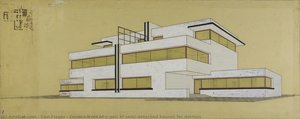
StatsUntitled (Club house of the Deutscher Verein in Barcelona, perspective view)
 Painting
- Bauhaus
 1926
1926- Modern
 20.0 x 50.0 cm
 Bauhaus Dessau Foundation
 Pročitaj više
Ručno rađena uljana reprodukcija
Ručno oslikano uljanim bojama na platnu u dimenzijama i okviru po vašem izboru, izrađeno po porudžbini od strane naših umetnika. ( Switch to Print Switch to Digital Image)




P118B $10

P118H $10

P118W $10

P438Z $10

P508JH $12

P508YH $12

P805H $10

P805Z $10

P919BZ $10

P919G $10

P919XJ $10

P959ZH $10

P968JZ $12

W106C $8

W218G $10

W218JH $8

W218Y $10

W307PJ $10

W316G $10

W316PJ $8

W316Y $10

W398PJ $8

W4111J $10

W500HY $15

W500JH $15

W692G $12

W849H $8

W940BG $15

W953PJ $8




Izaberite jednu od naših unapred definisanih veličina koje odgovaraju originalnim proporcijama umetničkog dela.

Можете унети сопствене димензије како бисте прилагодили дело одређеном оквиру или простору. Ако одабрана величина не одговара пропорцијама оригинала, слика ће бити исечена или проширена додатним елементима који се ручно насликавају. Дигитални prikaz ће вам бити послат на одобрење пре почетка производње.
Имајте на уму да преглед на екрану не одражава стварно исецање или проширење. Само приказ (mockup) ће тачно приказати коначну композицију.
Иако су доступне прилагођене величине, препоручујемо да одаберете димензију из дефинисане листе како бисте сачували оригиналне пропорције.
Nakon narudžbine, tim ArtsDot.com će klijentu putem e-pošte poslati uputstva i dostaviti prikaz predloženog rešenja
Isporuka širom sveta () za 3/4 nedelje umesto uobičajenih 5 nedelja. (7 септембар). Bez kompromisa po pitanju kvaliteta.

Besplatna ekspresna dostava širom sveta

Visokokvalitetno laneno platno

Kompletno osiguranje transporta

Garancija povraćaja carine i uvoznih dažbina

Garancija vernosti boja

Politika povraćaja u roku od 100 dana (isključivo u slučaju nedostataka)

Garancija povrata novca od 100%

Popust pri grupnoj kupovini
 Opcija sa staklom dostupna je samo za dimenzije manje od 110 cm

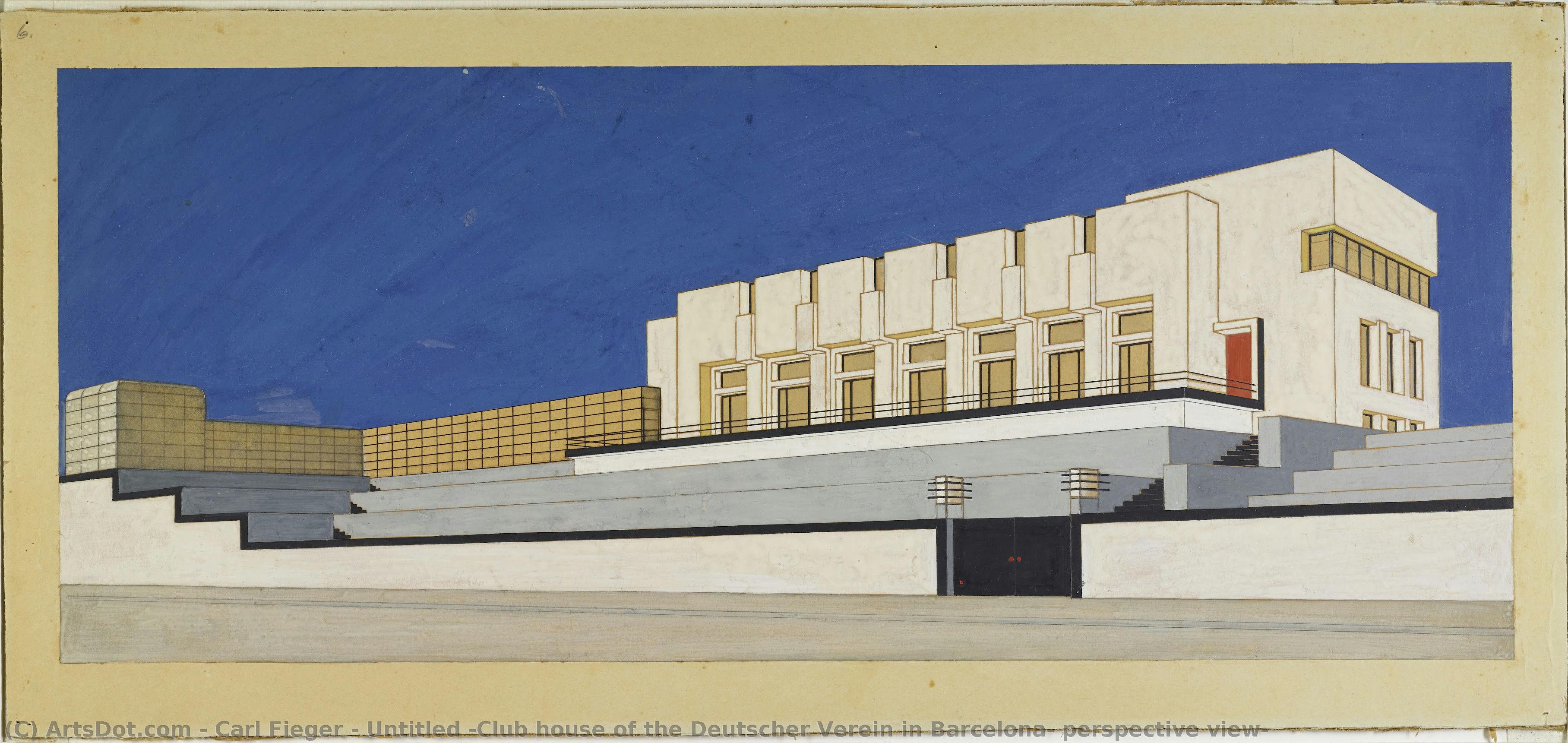
Untitled (Club house of the Deutscher Verein in Barcelona, perspective view)
Tehnika reprodukcije
Dimenzije reprodukcije
-


Konačna cena
$ 263
A Window into Weimar Modernity
In this evocative 1926 painting, titled Untitled (Club house of the Deutscher Verein in Barcelona, perspective view), Carl Fieger invites us to step into a moment of architectural stillness and social observation. The work captures a specific intersection of European culture, presenting a perspective view of the Deutscher Verein club house in Barcelona. Through his masterful use of composition, Fieger does more than merely document a structure; he creates a rhythmic interplay between the rigid, geometric permanence of the building and the fleeting, ephemeral presence of the human figures scattered across the foreground. The heavy, stone-like texture of the facade suggests a sense of enduring stability, yet the way light interacts with the many windows hints at the vibrant life pulsing within those walls.
The painting serves as a profound meditation on the concept of space and perspective. By positioning the viewer at an angle that emphasizes the building's depth, Fieger utilizes the principles of architectural drafting to guide the eye through the scene. The presence of solitary chairs—one anchored to the left and another drifting toward the center—acts as a poignant symbolic element. These empty seats suggest a lingering human presence, evoking themes of memory, waiting, and the quiet intervals between social gatherings. For the collector, this piece offers a sophisticated dialogue between the built environment and the lived experience, making it an intellectually stimulating addition to any curated collection.
The Intersection of Bauhaus Precision and Impressionist Soul
As a protégé of the legendary Walter Gropius, Carl Fieger brought the disciplined rigor of the Bauhaus movement to his canvas. In this particular work, one can observe the fingerprints of functionalism in the way the building is rendered with structural clarity and geometric precision. However, Fieger’s technique transcends mere architectural illustration. Influenced by the soft light of Impressionism and the flowing lines of Jugendstil, he imbues the concrete and stone with a painterly warmth that prevents the scene from feeling cold or clinical. The brushwork, while controlled, allows for a subtle atmospheric quality that captures the Mediterranean light filtering through the Barcelona air.
For interior designers and lovers of modernism, this reproduction offers a unique opportunity to introduce a piece of history into a contemporary setting. The 20 x 50 cm format provides an elegant, panoramic silhouette that is particularly striking when hung in long corridors or above minimalist consoles. The artwork’s muted yet rich palette complements both mid-century modern aesthetics and more traditional, classical interiors, acting as a sophisticated focal point that rewards close inspection. It is not merely a painting of a building; it is a captured breath of the 1920s, offering an emotional resonance that speaks to the timeless beauty of structured design and the quiet dignity of the human spirit.
Srodna umetnička dela
Biografija umetnika
The Architect of Bauhaus Ideals: The Life and Legacy of Carl Fieger
In the grand tapestry of early 20th-century modernism, few figures embody the intersection of structural precision and social vision as elegantly as Carl Fieger. Born in Mainz, Germany, in 1893, Fieger emerged from a period of profound artistic transformation. His journey began at the Mainz Art and Vocational School, an institution where he first encountered the burgeoning currents of Impressionism and Jugendstil. These early exposures to organic forms and expressive color palettes provided him with a sensitive aesthetic foundation, yet it was his subsequent immersion in the rigorous, functionalist world of the Bauhaus that would ultimately define his historical significance.
The trajectory of Fieger’s career was irrevocably altered when he entered the orbit of Walter Gropius. Beginning his apprenticeship as a draftsman in 1912, Fieger became an integral part of the revolutionary atmosphere at the Bauhaus school in Weimar. Under Gropius’s mentorship, he moved away from the decorative flourishes of the past and toward a future defined by geometric abstraction, material experimentation, and the radical belief that art should serve a functional purpose in everyday life. This period was not merely a professional training ground but a philosophical awakening, where Fieger learned to view architecture as a tool for social progress.
Mastery of Form and Functionalist Vision
Fieger’s body of work is characterized by an extraordinary ability to translate complex architectural theories into tangible, human-centric designs. His collaborations with Gropius on monumental projects—such as the Fagus Factory and the iconic Bauhaus Building in Dessau—demonstrate his mastery of modern construction techniques, including the innovative use of tubular steel and glass. Through these works, Fieger helped pioneer a visual language that celebrated the beauty of industrial materials and the efficiency of modern engineering.
Beyond large-scale industrial structures, Fieger’s true genius often resided in his intimate approach to domesticity. He was deeply invested in the concept of Existenzminimum—the idea of designing highly efficient, minimal living spaces that did not sacrifice dignity or comfort. His notable projects include:
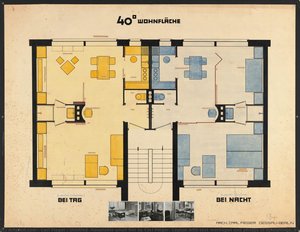
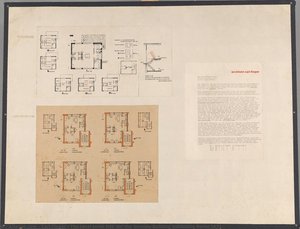
- The Ideal Small Flat: A visionary architectural concept developed for the 1931 German Building Exhibition (Deutsche Bauausstellung) in Berlin, which emphasized a logical flow between essential rooms such as the kitchen, living area, and bedroom.
- Adaptive Floor Plans: Detailed layouts that utilized text montages and photographic elements to showcase how furniture and spatial arrangement could maximize utility within limited urban footprints.
A Lasting Impression on Modern Design
The historical significance of Carl Fieger lies in his role as a bridge between the artistic experimentation of the late 19th century and the disciplined functionalism of the modern era. His work was never solely about the aesthetic of a building; it was about the lived experience within it. By prioritizing efficiency, light, and movement, he helped shape the very blueprint of contemporary urban living. Even as architectural styles shifted throughout the mid-20th century, the principles of clarity and purpose championed by Fieger remained foundational.
Though his life concluded in 1960, the echoes of his Bauhaus apprenticeship continue to resonate in the halls of architectural history. Through his meticulous drawings and groundbreaking housing concepts, Fieger remains a vital figure for anyone seeking to understand how the marriage of art and craft can fundamentally reshape the world we inhabit.
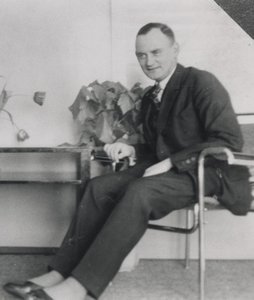
Carl Fieger
1893 - 1960 , Germany
Osnovne informacije
- Artistic Movement Or Style: Bauhaus
- Artists Who Influenced This Artist:
- Walter Gropius
- Peter Behrens
- Date Of Birth: June 15, 1893
- Date Of Death: 1960
- Full Name: Carl Fieger
- Nationality: German
- Notable Artworks:
- Untitled (Club House of the deutscher verein in barcelona, perspective view)
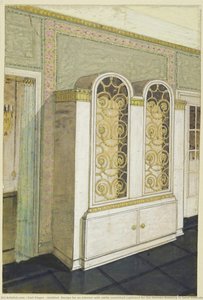
- Untitled (Design for an interior with white varnished cupboard for the German Embassy in Saint Petersburg)
- Untitled (Sommerfeld House, Berlin-Lichterfelde, architects Walter Gropius and Adolf Meyer. Concept, perspective view of a reading room)
- Place Of Birth: Mainz, Germany
Povezani članci

Anton von Werner: Imperial Painter, Historical Witness & Shifting German Identity
Explore the life & work of Anton von Werner, Imperial Germany's leading painter. Discover his dramatic depictions of war, unification, and court life – a fascinating insight into 19th-century German history & art.
German Expressionism's 10 Defining Masterpieces | Art for Your Home
Explore 10 defining German Expressionism masterpieces – from Munch's 'The Scream' to Kandinsky’s abstracts. Discover the artists, stories & bold colors behind this powerful art movement. Find museum-quality reproductions at ArtsDot.com.
The Nuances of Graphite: Exploring Emotional Depth & Technical Mastery in Pencil Drawing
Explore the captivating world of graphite drawing! Discover its rich history, master essential techniques like chiaroscuro, and learn how artists evoke emotion through this timeless medium. Expert insights for art enthusiasts.

The Enduring Power of Line: Exploring Themes & Techniques in Drawing Across Art History
Explore the rich history of drawing! Discover key techniques like linear perspective & iconic artists from the Renaissance to modern times. Enhance your art appreciation with ArtsDot.
Franz Ehrlich: Bridging Expressionism, Bauhaus & the Shadows of History
Explore the life of Franz Ehrlich, a pivotal Bauhaus architect whose career spanned Expressionism, resistance during Nazi Germany, and GDR reconstruction. Discover his complex legacy & view museum-quality reproductions at ArtsDot.