

 Pregledaj u prostoru
 Pošalji
 Podeli
 Detalji o delu

 Преузми
 Slični predmeti
 Rendgenski snimak
 Slajdovi
James Ramsay (1733–1789)


 Pročitaj više
Kupite digitalnu sliku visoke rezolucije i poboljšanog kvaliteta, koja je znatno superiornija od onoga što vidite u online prikazu.
Svaka datoteka je pedantno pripremljena od strane naših stručnjaka koristeći napredne alate i profesionalnu ručnu retušu. Osiguravamo da svaka slika ima izuzetnu oštrinu, preciznu reprodukciju boja i fine detalje.
Konačna datoteka se dostavlja putem e-pošte u roku od 72 sata, optimizovana za neposrednu upotrebu u profesionalnim, izdavačkim i štamparskim okruženjima. To je isti kvalitet kojem veruju vrhunski studiji dizajna, izdavači i galerije.
Digitalna slika
Preuzmite datoteku visoke rezolucije za ličnu upotrebu, štampanje i kreativne projekte. ( Kupi print Kupi ručno naslikanu sliku)
Uključeno uz svaku porudžbinu digitalne slike
Profesionalna digitalna isporuka, zagarantovana
Kada odaberete ArtsDot.com, ne dobijate samo sliku – vi primate profesionalno unapređeno digitalno umetničko delo, izrađeno sa najvećom preciznošću i uz garanciju zadovoljstva. Evo svega što automatski dolazi uz vašu porudžbinu:

Brza dostava putem e-pošte
Vaša digitalna slika visoke rezolucije biće vam poslata putem e-pošte u roku od 72 sata od poručivanja – spremna za trenutnu upotrebu.

Digitalna datoteka unapređena veštačkom inteligencijom
Vaše umetničko delo je profesionalno optimizovano korišćenjem naprednih AI alata i ručne obrade, čime se osiguravaju maksimalni detalji, oštrina i preciznost boja.

Besplatna ponovna isporuka doživotno
Slučajno ste obrisali ili izgubili svoju datoteku? Ne brinite – poslaćemo vam je ponovo u bilo kom trenutku, potpuno besplatno.

Bez troškova uvoza – zauvek
Uživajte u svojim umetničkim delima trenutno, bez carine, dažbina ili troškova dostave – digitalni download je uvek bez poreza.

Garancija vernosti boja
Uz pomoć profesionalnih alata i upravljanja bojama, osiguravamo da vaša digitalna slika što vernije odražava originalne boje.

Garancija zadovoljstva u roku od 60 dana
Ako niste zadovoljni svojom digitalnom slikom, revidirat ćemo je ili vratiti 100% novca u roku od 60 dana – bez ikakvih pitanja.

100% garancija povrata novca
Niste zadovoljni? Obezbedite pun povrat novca u roku od 60 dana od trenutka kada ste primili svoju digitalnu datoteku – bez suvišnih pitanja.

Popusti na velike porudžbine
Kupite 3 slike, uštedite 10% - Kupite 5 slika, uštedite 15% - Kupite 10+ slika, uštedite 20%. Odlično za kreativne projekte, galerije i agencije.
Opis kolekcionarskog dela
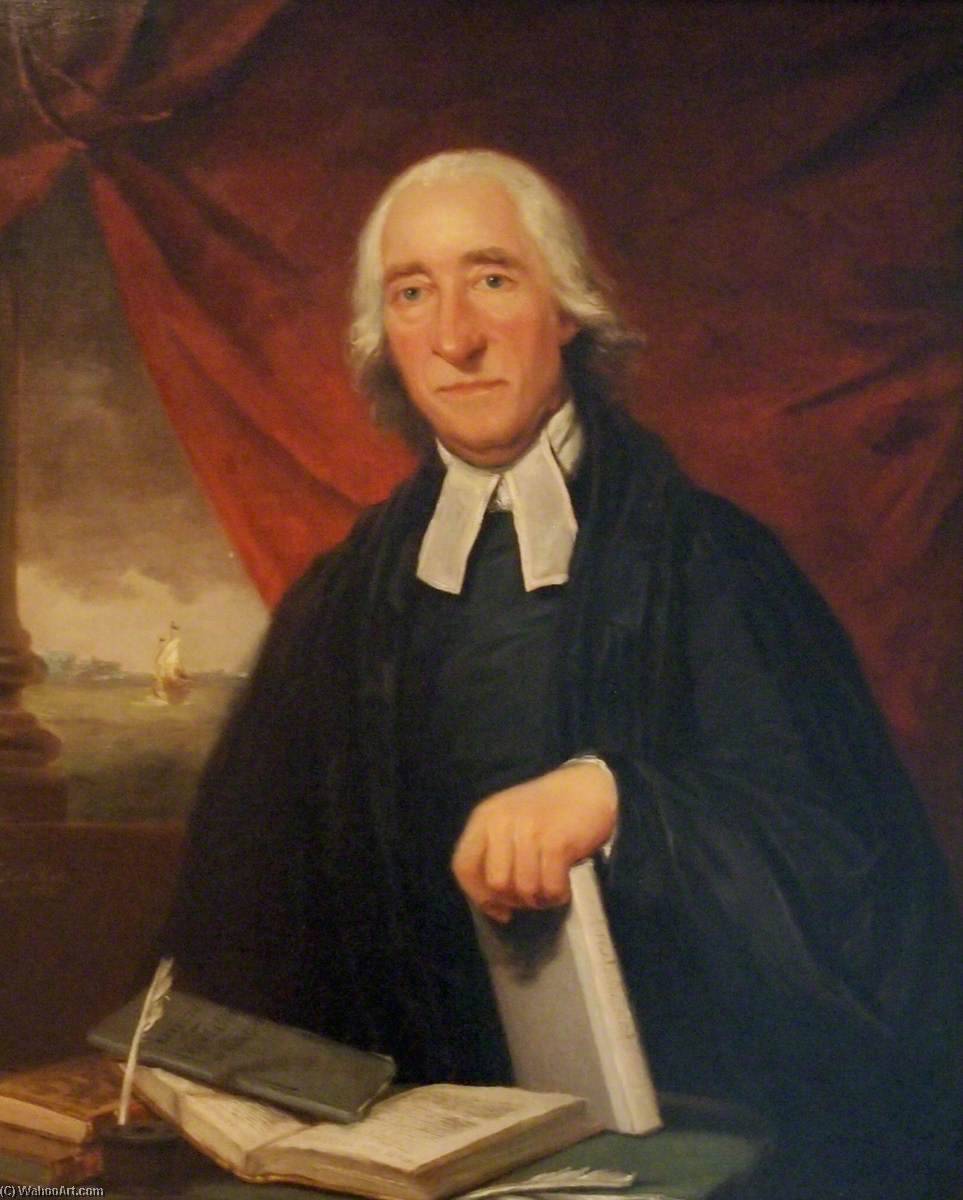
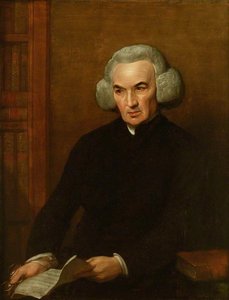
James Ramsay (1733–1789): A Portrait of Dignified Reflection
James Ramsay’s portrait, completed around 1789, stands as a testament to the neoclassical aesthetic and embodies the spirit of intellectual contemplation characteristic of its era. Painted by Carl Fredrik von Breda, this artwork captures not merely an image but also a profound sense of character—a man steeped in knowledge and imbued with moral seriousness.
- Subject Matter: The central figure is an elderly clergyman, meticulously rendered in bust length, conveying authority and piety. His gaze directs itself squarely at the viewer, fostering a connection that transcends time.
- Style & Technique: Von Breda’s approach aligns perfectly with Neoclassical ideals—realism tempered by idealized form. The artist employs meticulous brushwork, layering pigments to achieve remarkable textural depth, particularly evident in the folds of Ramsay's robes and the subtle contours of his face. Oil paints on canvas provide a rich surface that captures nuances of light and shadow.
- Composition: The portrait’s balanced composition emphasizes the subject’s frontal pose against a dark, indistinct landscape backdrop featuring a distant sailing ship. This juxtaposition serves as a visual metaphor for Ramsay's engagement with maritime history or perhaps broader philosophical considerations. Geometric shapes—rectangles representing books and papers—further contribute to the artwork’s structural integrity.
- Lighting & Color Palette: Dramatic lighting casts strong shadows across Ramsay’s face, highlighting his features and amplifying the solemn atmosphere. The color palette is dominated by muted browns, blacks, and subtle reds, reflecting the seriousness of the subject and reinforcing the neoclassical tradition's preference for subdued hues.
- Symbolism: The inclusion of books and papers speaks volumes about Ramsay’s intellectual pursuits—his dedication to scholarship and his engagement with theological thought. These elements resonate with the broader humanist values prevalent during the Enlightenment, underscoring the portrait’s enduring significance as a visual representation of intellect and moral virtue.
The artist's attention to detail is remarkable; Ramsay’s wrinkled face reveals the passage of time while his focused eyes convey unwavering conviction. The positioning of spectacles adds to his scholarly persona, reinforcing the image of a man devoted to intellectual pursuits.
This reproduction offers an exceptional opportunity to appreciate the artistry and historical context of James Ramsay's portrait—a masterpiece that continues to inspire admiration for its dignified reflection and masterful execution.
Srodna umetnička dela

Biografija umetnika
A Swedish Master Across Borders: The Life and Art of Carl Frederik von Breda
Carl Frederik von Breda occupies a fascinating, somewhat unique position in the history of European portraiture. Born in Stockholm in 1759, his artistic journey wasn’t confined by national boundaries but rather flourished through an intriguing interplay between Swedish tradition and British innovation. Descended from Pieter von Breda, a Dutch emigrant who settled in Sweden around 1670, Carl inherited not only an artistic lineage—his grandfather Lucas was a painter, and his father, Lucas the younger, an art collector and arbitrator—but also a cosmopolitan sensibility that would shape his career. This upbringing fostered within him a deep appreciation for aesthetics and laid the groundwork for his future success. From a young age, Breda demonstrated exceptional talent, enrolling at the Royal Swedish Academy of Arts at nineteen where he studied historical and portrait painting under Lorens Pasch the Younger. Early recognition came swiftly; prizes accumulated, and by 1784, he was already exhibiting nineteen paintings and receiving commissions for royal portraits—including those of Duchess Hedvig Elisabeth Charlotte, Crown Prince Gustavus Adolphus, and King Gustavus III himself. These early works reveal a nascent talent, grounded in the established Swedish style but hinting at an ambition that extended beyond its borders.London Calling: The Influence of Reynolds and British Portraiture
A pivotal moment arrived when Breda faced a difficult choice after losing a competition at the Academy. Rather than following the conventional path to Paris and Rome, he made the bold decision to relocate to London with his family in 1786. This move proved transformative. In London, Breda sought out and secured tutelage under the esteemed portraitist Sir Joshua Reynolds. While Reynolds wasn’t known for intensive instruction, his influence on Breda was profound, instigating what has been described as a “revolutionary change” in the young artist's style. Breda quickly established a successful studio on St James's Street, attracting a clientele drawn from London’s intellectual and social elite—the "learned men and literati," as they were known. He became sought after for his ability to capture not just likeness but also character and intellect. His portraits during this period include prominent figures such as abolitionists Thomas Clarkson and James Ramsay, engineers James Watt and Matthew Boulton of the famed Lunar Society, botanist William Withering, and Mary Priestley. These weren’t merely commissions; they were engagements with some of the most forward-thinking minds of the era. A testament to his growing reputation was his portrait of Reynolds himself, completed as a diploma piece for admission to the Stockholm Academy of Arts in 1791—a symbolic acknowledgement of his artistic debt and achievement.Return to Sweden and Artistic Maturity
In 1796, Breda returned to Stockholm, accepting a professorship at the Academy of Arts. This marked a new phase in his career, one characterized by artistic maturity and a distinctive style honed during his years in England. He was immediately inundated with portrait commissions, quickly becoming a leading figure in the Swedish art scene. His brushwork became bolder and more spirited, reflecting the energy and dynamism he had absorbed in London. The late 1790s are often considered to be among his finest years, with works exhibiting an early embrace of Romantic sensibilities. Notable portraits from this period include those of his father Lucas, two of his nephews, the scholar Nils von Rosenstein, and perhaps most celebrated of all, Teresa Vandoni, a renowned Italian singer performing at the Royal Swedish Opera. The portrait of Vandoni is particularly striking, capturing her dramatic presence and vocal artistry with remarkable sensitivity. These works demonstrate Breda’s ability to synthesize classical training with a modern sensibility, creating portraits that were both technically accomplished and emotionally resonant.Legacy and Historical Significance
Carl Frederik von Breda's impact on Swedish art extended far beyond his own prolific output. His exposure to British artistic trends—particularly the influence of Reynolds—helped modernize portraiture in Sweden, inspiring subsequent generations of artists to embrace new techniques and stylistic approaches. He wasn’t simply a painter of faces; he was a chronicler of his time, creating a visual record of some of the leading scientific, intellectual, and cultural figures of the late 18th and early 19th centuries. His portraits of members of the Lunar Society, for example, offer invaluable insights into this influential group of innovators. The artistic legacy continued within his family; his son, Johan Fredrik von Breda, followed in his father’s footsteps, receiving tutelage from him and continuing the family tradition. While some critics noted a perceived decline in consistency in his later works—a tendency towards monotony—Breda remained an important figure in Swedish art history until his death in Stockholm in 1818. He is remembered today as “the Van Dyck of Sweden,” a testament to his skill, elegance, and enduring contribution to the world of portraiture.Key Works & Collections
- James Watt: A compelling portrait of the renowned engineer, held in the National Portrait Gallery, London.
- Matthew Boulton: Another significant work depicting a member of the Lunar Society, residing in Birmingham Museum and Art Gallery.
- Teresa Vandoni: Often considered his most celebrated piece, capturing the essence of the Italian opera singer.
- Portrait of Joshua Reynolds: A testament to Breda’s admiration for his mentor and a key work in establishing his own artistic credentials.
- Mrs. William Hartigan: An example of his skill in capturing the elegance and refinement of society figures.
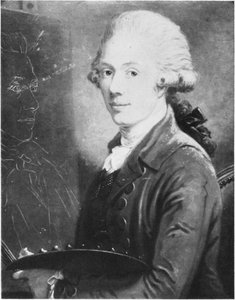
Carl Fredrik von Breda
1759 - 1818

