

 Pregledaj u prostoru
 Pošalji
 Podeli
 Detalji o delu

 Преузми
 Slični predmeti
 Rendgenski snimak
 Slajdovi
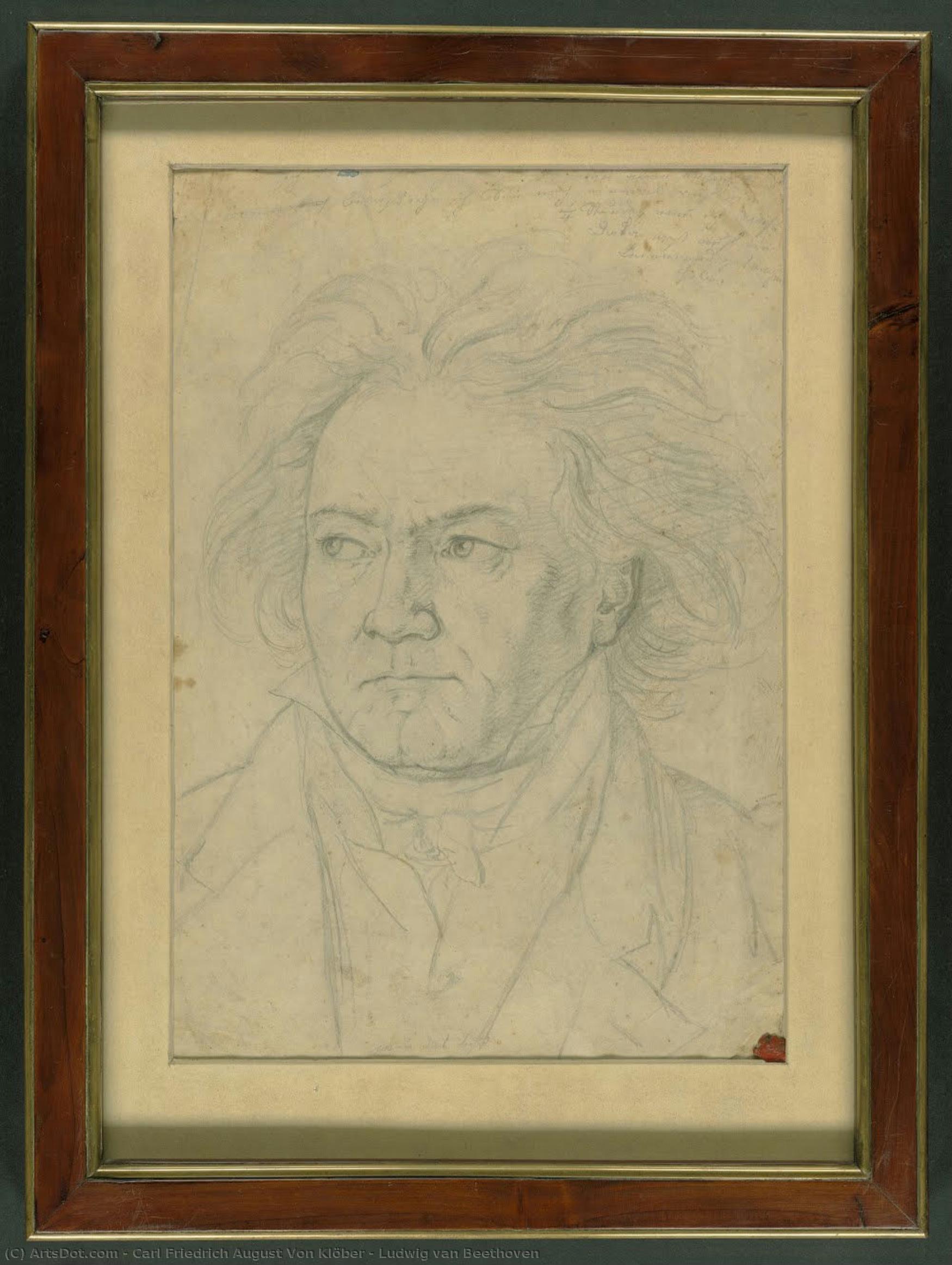
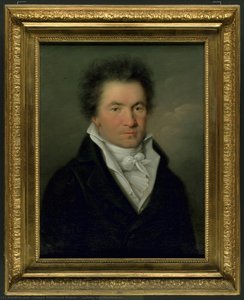
Ludwig van Beethoven
 Akril na platnu
- Umetnost za zidove
- Romantic Realism
 1818
1818 40.0 x 27.0 cm
 Beethoven-Haus Bonn
 Pročitaj više
Kupite digitalnu sliku visoke rezolucije i poboljšanog kvaliteta, koja je znatno superiornija od onoga što vidite u online prikazu.
Svaka datoteka je pedantno pripremljena od strane naših stručnjaka koristeći napredne alate i profesionalnu ručnu retušu. Osiguravamo da svaka slika ima izuzetnu oštrinu, preciznu reprodukciju boja i fine detalje.
Konačna datoteka se dostavlja putem e-pošte u roku od 72 sata, optimizovana za neposrednu upotrebu u profesionalnim, izdavačkim i štamparskim okruženjima. To je isti kvalitet kojem veruju vrhunski studiji dizajna, izdavači i galerije.
Digitalna slika
Preuzmite datoteku visoke rezolucije za ličnu upotrebu, štampanje i kreativne projekte. ( Kupi print Kupi ručno naslikanu sliku)
Uključeno uz svaku porudžbinu digitalne slike
Profesionalna digitalna isporuka, zagarantovana
Kada odaberete ArtsDot.com, ne dobijate samo sliku – vi primate profesionalno unapređeno digitalno umetničko delo, izrađeno sa najvećom preciznošću i uz garanciju zadovoljstva. Evo svega što automatski dolazi uz vašu porudžbinu:

Brza dostava putem e-pošte
Vaša digitalna slika visoke rezolucije biće vam poslata putem e-pošte u roku od 72 sata od poručivanja – spremna za trenutnu upotrebu.

Digitalna datoteka unapređena veštačkom inteligencijom
Vaše umetničko delo je profesionalno optimizovano korišćenjem naprednih AI alata i ručne obrade, čime se osiguravaju maksimalni detalji, oštrina i preciznost boja.

Besplatna ponovna isporuka doživotno
Slučajno ste obrisali ili izgubili svoju datoteku? Ne brinite – poslaćemo vam je ponovo u bilo kom trenutku, potpuno besplatno.

Bez troškova uvoza – zauvek
Uživajte u svojim umetničkim delima trenutno, bez carine, dažbina ili troškova dostave – digitalni download je uvek bez poreza.

Garancija vernosti boja
Uz pomoć profesionalnih alata i upravljanja bojama, osiguravamo da vaša digitalna slika što vernije odražava originalne boje.

Garancija zadovoljstva od 100 dana
Ako niste zadovoljni svojom digitalnom slikom, izvršićemo reviziju ili ćemo vam vratiti 100% novca u roku od 100 dana – bez ikakvih pitanja.

100% garancija povrata novca
Niste zadovoljni? Dobijte puni povraćaj novca u roku od 100 dana od prijema digitalne datoteke – bez suvišnih pitanja.

Popusti na velike porudžbine
Kupite 3 slike, uštedite 10% - Kupite 5 slika, uštedite 15% - Kupite 10+ slika, uštedite 20%. Odlično za kreativne projekte, galerije i agencije.
Carl Friedrich August von Klöber’s Reverent Portrait of Beethoven
The drawing by Carl Friedrich August von Klöber, titled “Ludwig van Beethoven,” stands as a testament to the artist's skill in capturing not merely likeness but also spirit—a hallmark of Romantic portraiture. Executed in 1818, this piece transcends mere representation; it embodies an appreciation for Beethoven’s genius and reflects the artistic sensibilities prevalent during his lifetime.
A Window into Artistic Influences
Klöber's oeuvre demonstrates a fascinating blend of Parisian elegance and Prussian tradition. Trained initially in Düsseldorf under Anton Graff, he honed his craft in Paris before returning to Berlin where he established himself as a prominent portraitist. This dual influence is palpable in the composition itself—the meticulous detail reminiscent of French academic painting contrasts subtly with the restrained palette favored by German Romantic artists.
Technical Mastery and Observation
The drawing utilizes charcoal on paper, a technique commonly employed by Klöber to achieve remarkable tonal gradations and subtle nuances of expression. Notice how Klöber skillfully renders Beethoven’s facial features—the furrowed brow conveying thoughtfulness, the gaze directed towards the horizon hinting at contemplation. The artist's keen eye for observation ensures that every gesture and posture contributes to a portrait imbued with psychological depth.
Historical Context: Beethoven and Romantic Idealism
Beethoven’s presence in art history is inextricably linked to the Romantic movement, which championed emotion, individualism, and imagination. Klöber's depiction aligns perfectly with these ideals—he seeks not just to depict Beethoven physically but also to convey his inner world, capturing the composer’s profound dedication to his craft and his unwavering belief in artistic expression as a conduit for spiritual truth. The inclusion of two figures in the background underscores this broader context, suggesting an environment conducive to intellectual pursuits.
Symbolism Beyond Appearance
Beyond its technical brilliance, “Ludwig van Beethoven” carries symbolic weight. Beethoven’s posture and gaze symbolize perseverance and introspection—qualities admired during the Romantic era. The drawing serves as a reminder that art can illuminate not only what we see but also what lies beneath the surface of experience, fostering contemplation and appreciation for artistic achievement.
Srodna umetnička dela
Biografija umetnika
Carl Friedrich August von Klöber: A Portraitist Bridging Parisian Elegance and Prussian Tradition
Carl Friedrich August von Klöber, born in Breslau (modern-day Wrocław), Germany, in 1793, was a pivotal figure in 19th-century German art. His life’s journey—a tapestry woven with military service, artistic study across Europe, and ultimately, the creation of compelling portraits – reflects the dynamic social and cultural shifts of his era. Klöber's career unfolded against the backdrop of Napoleonic wars, burgeoning Romanticism, and the rise of urban centers as hubs for artistic innovation. He died in Berlin in 1864, leaving behind a legacy marked by both technical skill and an ability to capture the essence of his subjects, particularly through his celebrated portraiture.Early Life and Artistic Foundations
Klöber’s early years were shaped by military service; he enlisted as a volunteer in the wars of liberation against Napoleon in 1813-14, participating in battles at Groß-Görschen, Bautzen, and even briefly stationed near Paris. This experience instilled discipline and broadened his perspective beyond the confines of Breslau. Following his military service, he pursued formal artistic training, initially at the Berlin Cadet School and later at the *Bauschule* (School of Design) in Breslau. Crucially, he then enrolled at the *Königlich Preussischen Akademie der Künste* (Royal Prussian Academy of Arts) in Berlin, where he honed his skills under the tutelage of established masters. His studies there were further enriched by a period of intensive study in Paris and Vienna – cities renowned for their artistic ferment during this time. These experiences exposed him to diverse movements, including Neoclassicism and nascent Romanticism, profoundly influencing his stylistic development.Parisian Influence and Viennese Refinement
Klöber’s sojourn in Paris proved particularly formative. He immersed himself in the vibrant artistic scene, absorbing the techniques of established portraitists and engaging with the prevailing trends of the era. The influence of Parisian art is readily apparent in his later works – a refined elegance, an attention to detail, and a sophisticated understanding of light and shadow all contribute to this effect. Subsequently, he spent four years in Vienna, where he continued his artistic education and developed a distinct style characterized by a balance between German realism and the more expressive tendencies of Austrian painting. This period solidified his ability to capture not just physical likeness but also the character and personality of his subjects.Notable Portraits and Artistic Style
Klöber’s most enduring contribution lies in his portraiture. He was particularly celebrated for his depictions of prominent figures, including Ludwig van Beethoven – a painting that is now considered a significant work in German art history. He also produced numerous portraits of members of the Grillparzer family, capturing their individual personalities with remarkable sensitivity. His artistic style can be described as characterized by meticulous observation, skillful rendering of fabrics and textures, and an ability to convey a sense of inner life within his subjects. He wasn’t merely replicating appearances; he was striving to reveal something deeper about the individuals he portrayed. His use of light and shadow created depth and drama, while his compositions were often balanced and harmonious.Legacy and Continued Recognition
Carl Friedrich August von Klöber's legacy continues to be celebrated today. His works are showcased in various museums and galleries across Germany, testament to their enduring artistic value. The *Akademie der bildenden Künste Wien* (Academy of Fine Arts Vienna), where he once studied, actively promotes fine arts education and research, ensuring that his contributions are remembered and appreciated by future generations. Resources like ArtsDot.com provide valuable insights into his oeuvre, while the Kunstsammlungen der Akademie der bildenden Künste W Wien offer a comprehensive collection of artworks from various periods and styles, including those of other notable artists such as Wilhelm Trübner and Jörg the elder Breu. Furthermore, research conducted by sites like Artprice.com reveals valuable information about the market value and historical significance of his paintings, particularly his portraits. His work stands as a bridge between the formal training of the Prussian Academy and the artistic innovations emerging from Paris and Vienna – a testament to the interconnectedness of European art in the 19th century.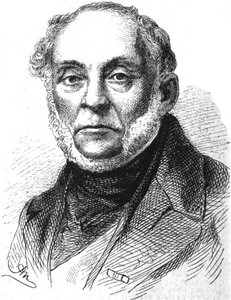
carl friedrich august von klöber
1793 - 1864 , Germany
Kratke činjenice
- Artistic Movement Or Style: Parisian & Viennese influences
- Artists Or Movements Influenced By This Artist:
- Hans Memling
- Franz Heinrich Louis
- Artists Who Influenced This Artist:
- Karl Friedrich Schinkel
- Bonaventure Genelli
- Date Of Birth: 1793 Breslau
- Date Of Death: 1864 Berlin
- Full Name: Carl Friedrich August von Klöber
- Nationality: German
- Notable Artworks:
- Ludwig van Beethoven
- Grillparzer family
- Place Of Birth: Breslau, Germany