

 Pregledaj u prostoru
 Pošalji
 Podeli
 Detalji o delu

 Преузми
 Slični predmeti
 Rendgenski snimak
 Slajdovi
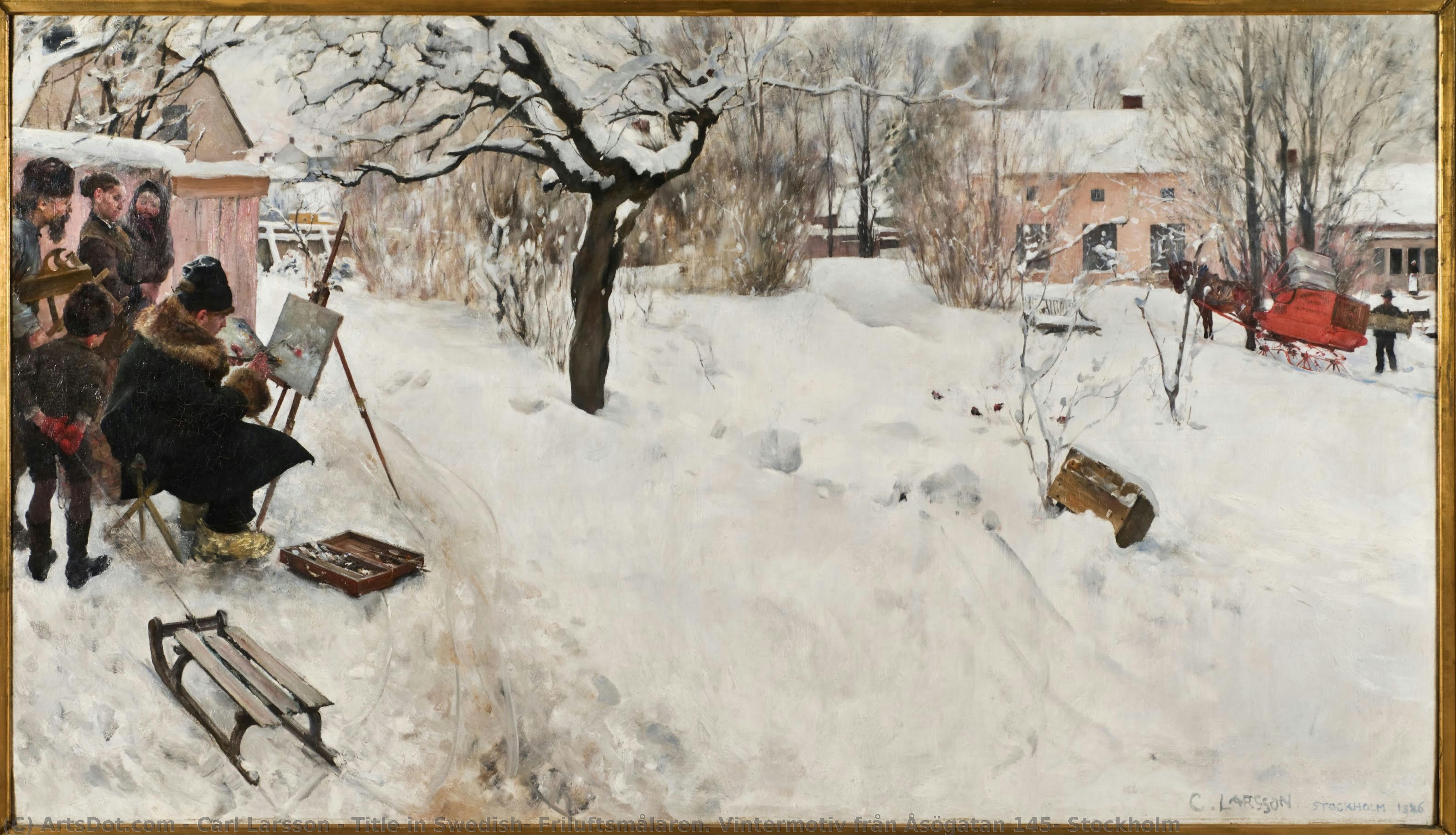
Title in Swedish: Friluftsmålaren. Vintermotiv från Åsögatan 145, Stockholm
 Acrylic On Canvas
- WallArt
- Realism
 1886
1886- 19th Century
 2090.0 x 1190.0 cm
 Национален музеј
 Pročitaj više
Ručno rađena uljana reprodukcija
Ručno oslikano uljanim bojama na platnu u dimenzijama i okviru po vašem izboru, izrađeno po porudžbini od strane naših umetnika. ( Kupi print Kupi digitalnu sliku)




P118B $10

P118H $10

P118W $10

P438Z $10

P508JH $12

P508YH $12

P805H $10

P805Z $10

P919BZ $10

P919G $10

P919XJ $10

P959ZH $10

P968JZ $12

W106C $8

W218G $10

W218JH $8

W218Y $10

W307PJ $10

W316G $10

W316PJ $8

W316Y $10

W398PJ $8

W4111J $10

W500HY $15

W500JH $15

W692G $12

W849H $8

W940BG $15

W953PJ $8




Izaberite jednu od naših unapred definisanih veličina koje odgovaraju originalnim proporcijama umetničkog dela.

Можете унети сопствене димензије како бисте прилагодили дело одређеном оквиру или простору. Ако одабрана величина не одговара пропорцијама оригинала, слика ће бити исечена или проширена додатним елементима који се ручно насликавају. Дигитални prikaz ће вам бити послат на одобрење пре почетка производње.
Имајте на уму да преглед на екрану не одражава стварно исецање или проширење. Само приказ (mockup) ће тачно приказати коначну композицију.
Иако су доступне прилагођене величине, препоручујемо да одаберете димензију из дефинисане листе како бисте сачували оригиналне пропорције.
Nakon narudžbine, tim ArtsDot.com će klijentu putem e-pošte poslati uputstva i dostaviti prikaz predloženog rešenja
Isporuka širom sveta () za 3/4 nedelje umesto uobičajenih 5 nedelja. (28 август). Bez kompromisa po pitanju kvaliteta.

Besplatna ekspresna dostava širom sveta

Visokokvalitetno laneno platno

Kompletno osiguranje transporta

Garancija povraćaja carine i uvoznih dažbina

Garancija vernosti boja

Politika povrata u roku od 60 dana (samo u slučaju nedostataka)

Garancija povrata novca od 100%

Popust pri grupnoj kupovini
 Opcija sa staklom dostupna je samo za dimenzije manje od 110 cm

Title in Swedish: Friluftsmålaren. Vintermotiv från Åsögatan 145, Stockholm
Tehnika reprodukcije
Dimenzije reprodukcije
-


Konačna cena
$ 263
A Frozen Moment of Swedish Life: Carl Larsson's "Friluftsmålaren"
Carl Larsson’s “Friluftsmålaren” (The Open-Air Painter), completed in 1886, is more than just a winter scene; it’s a poignant snapshot of burgeoning modernity colliding with the enduring values of Swedish domesticity. Painted against the backdrop of Stockholm's Åsögatan 145, this canvas captures a fleeting moment – a family enjoying a snowy afternoon, an artist contemplating his work amidst the urban landscape. The sheer scale of the artwork—a monumental 2090 x 1190 cm—immediately draws the viewer into its embrace, allowing for an immersive experience of Larsson’s meticulous attention to detail and evocative use of light.
Style and Technique: Impressionistic Realism
- Impressionistic Influence: While firmly rooted in realism, “Friluftsmålaren” displays a clear influence from the burgeoning Impressionist movement. Larsson’s broken brushstrokes and emphasis on capturing the transient effects of light – particularly the shimmering reflections on the snow and the diffused glow of the winter sun – are hallmarks of this style.
- Detailed Observation: The artist's skill lies in his ability to render incredibly detailed scenes, from the individual snowflakes clinging to the branches to the worn textures of the clothing worn by the figures. This meticulous observation is a defining characteristic of Larsson’s oeuvre.
- Palette and Light: Larsson masterfully employs a muted palette dominated by blues, greys, and whites, creating a sense of coldness and stillness. The strategic use of highlights – particularly on the snow and the car surfaces – adds depth and realism to the composition.
Symbolism and Narrative Context
The painting’s title itself offers a key insight into its narrative. “Friluftsmålaren” (The Open-Air Painter) refers to Carl Larsson himself, suggesting a self-reflexive commentary on the role of art within everyday life. The scene depicts him working outdoors, embracing the natural world and capturing its beauty. The presence of the family – a mother, father, and child – reinforces the theme of domestic harmony and the importance of familial bonds, central to Larsson’s artistic vision. The parked cars represent the encroaching influence of industrialization on rural Sweden, a subtle tension within the idyllic scene.
Historical Significance and Emotional Impact
"Friluftsmålaren" is a significant work in Carl Larsson's career and a crucial document for understanding the artistic trends of late 19th-century Sweden. It exemplifies his commitment to portraying scenes of everyday life with honesty and warmth, contributing significantly to the development of Swedish national identity through art. The painting evokes a powerful sense of nostalgia – a longing for simpler times, for connection with nature, and for the comfort of family. Its enduring appeal lies in its ability to transport viewers to a serene winter landscape, inviting contemplation and appreciation for the beauty of the ordinary.
Srodna umetnička dela
Biografija umetnika
A Life Etched in Light: The World of Carl Larsson
Carl Larsson, a name synonymous with idyllic Swedish domesticity and artistic innovation, emerged from humble beginnings to become one of Scandinavia’s most beloved painters. Born in Stockholm's Old Town in 1853, his early life was far removed from the serene scenes he would later immortalize on canvas. Poverty cast a long shadow over his childhood; his parents struggled financially, and tales of hardship and instability permeated his formative years. Yet, even amidst these difficulties, a spark of artistic talent ignited within young Carl, nurtured by a perceptive teacher who recognized his potential and encouraged him to apply to the Royal Swedish Academy of Arts at just thirteen years old. This marked the beginning of a journey that would not only transform his own life but also redefine perceptions of home and family in Sweden and beyond. His initial experiences at the academy were fraught with insecurity, a sense of being an outsider amongst more privileged peers, but he persevered, finding solace and confidence within the vibrant student community.From Academic Training to Artistic Awakening
Larsson’s artistic development was marked by periods of experimentation and searching for his unique voice. After completing his formal training, he spent several years illustrating books, magazines, and newspapers – a practical necessity but one that didn't fully satisfy his creative aspirations. A pivotal moment arrived with his move to Grez-sur-Loing, an artists’ colony near Paris in 1882. It was here, amidst the camaraderie of fellow Scandinavian artists, that he met Karin Bergöö, who would become his wife and muse. More importantly, it was at Grez that Larsson abandoned oil painting in favor of watercolors – a decision that proved transformative. Watercolor allowed him to capture light and atmosphere with an unprecedented delicacy, perfectly suited to depicting the intimate scenes that would define his oeuvre. This shift wasn’t merely technical; it reflected a growing desire to portray everyday life with honesty and warmth, moving away from the grand historical narratives favored by many of his contemporaries. The influence of Art Nouveau is subtly present in his flowing lines and organic forms, while echoes of the Arts and Crafts movement resonate in his emphasis on handcrafted beauty and the celebration of domesticity.The Lilla Hyttnäs Idyll: A Home as Artwork
The year 1888 witnessed another turning point when Karin’s father gifted the couple a small house named Lilla Hyttnäs in Sundborn, Dalarna. This wasn't just a home; it became a living work of art, meticulously decorated and furnished by Carl and Karin themselves. The interiors, bathed in soft light and filled with handcrafted details, served as both inspiration and subject matter for Larsson’s most celebrated paintings. His depictions of family life – children playing, meals shared, moments of quiet intimacy – resonated deeply with a public yearning for warmth and authenticity. These weren't idealized portrayals; they were honest glimpses into the joys and challenges of raising a large family. Cosy Corner, Matts Bergom Larsson, and countless other watercolors captured the essence of Swedish *hemtrevnad* – a concept encompassing coziness, comfort, and a sense of belonging. The house itself became famous through reproductions of his paintings, influencing interior design trends for generations and shaping the popular image of the ideal Swedish home.Beyond Domestic Bliss: Monumental Works and Lasting Legacy
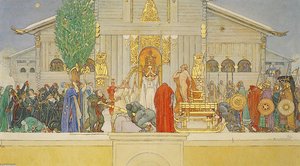
While Larsson is best known for his intimate domestic scenes, it’s important to remember that he considered his monumental works – frescoes in public buildings – to be his most significant artistic achievement. Midvinterblot (Midwinter Sacrifice), a large-scale painting depicting an ancient Norse religious ceremony, stands as a testament to his ambition and technical skill. Though initially rejected by the National Museum in Stockholm, it eventually found its rightful place within its walls, becoming a symbol of Swedish national identity. However, Larsson’s later years were marred by bouts of depression and ill health. He struggled with feelings of artistic frustration and disappointment, particularly regarding the reception of Midvinterblot. Despite these personal struggles, his influence continued to grow. His work offered a powerful counterpoint to the prevailing academic styles of the time, championing simplicity, honesty, and the beauty of everyday life. He captured not just *what* life looked like, but *how it felt* – the simple joys, quiet moments, and unwavering love that define the essence of home. His paintings are not merely depictions of a bygone era; they are timeless celebrations of family, home, and the enduring power of light and love.A Continuing Influence
Carl Larsson’s legacy extends far beyond the realm of art history. He remains a cultural icon in Sweden, his paintings instantly recognizable and deeply ingrained in the national consciousness. His work continues to inspire artists, designers, and anyone seeking to create spaces that are both beautiful and inviting. The enduring appeal of his paintings lies in their ability to evoke a sense of warmth, nostalgia, and genuine human connection. He captured not just *what* life looked like, but *how it felt* – the simple joys, quiet moments, and unwavering love that define the essence of home. His influence can be seen in countless contemporary interiors, illustrating his lasting impact on our understanding of domestic space and the art of creating a haven from the world. His paintings are not merely depictions of a bygone era; they are timeless celebrations of family, home, and the enduring power of light and love.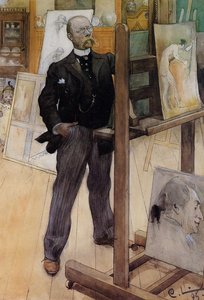
Карл Лароссон
1853 - 1919 , Шведска
Osnovne informacije
- Artistic Movement Or Style: Реализам, АрТ НевУО
- Artists Who Influenced This Artist: ['Фанни Брите']
- Date Of Birth: Мај 28, 1853
- Date Of Death: Јан 22, 1919
- Full Name: Carl Larsson
- Nationality: Шведски
- Notable Artworks:
- МидВинтерБлот
- Коси Конер
- Маттс Бергом ЛаРссон
- Place Of Birth: Стокхолм, Шведска
Povezani članci
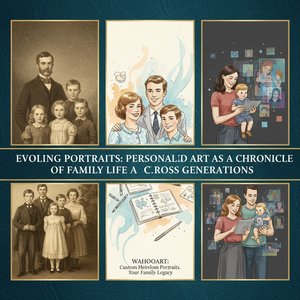
Evolving Portraits: Personalized Art as a Chronicle of Family Life Across Generations
Create a timeless family legacy with custom portraits! ArtsDot connects you with skilled artists for heirloom-quality paintings & prints. Explore styles, commission your unique artwork today.
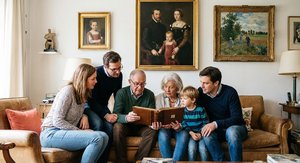
Depicting Kinship: Family Values Across Artistic Movements & Historical Contexts
Explore the rich history of depicting kinship in art! From Dutch Masters to contemporary artists, discover how family values have been represented across movements & time. Expert insights for collectors at ArtsDot.
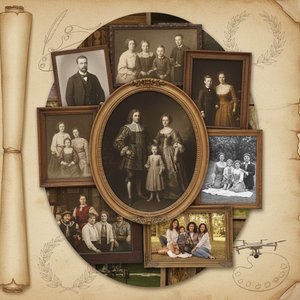
The Enduring Legacy of Family Portraiture: A Historical & Artistic Exploration
Explore the rich history of family portraiture with ArtsDot. Discover artistic styles, symbolism & collecting insights. Commission a custom oil painting or appraise your existing artwork today!
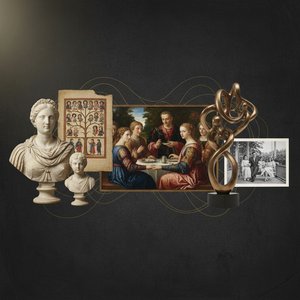
The Enduring Portrait of Kinship: Family Representations Across Art History
Explore the rich history of family portraiture through art! Discover masterpieces from across centuries & learn how artists captured kinship, intimacy, and societal values. Expert insights for collectors & enthusiasts.
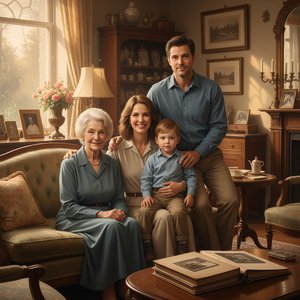
Porodica u sliku: Vekovni portret generacija – inspirativni vodič za mame
Otkrijte kako da sa profesionalnim umetnikom stvorite generacijski porodični portret koji čuva ličnu baštinu. Naš tim stručnjaka garantuje autentičnost, kvalitet i pouzdanost – vašim najdražim trenucima u platnom obliku.

