

 Pregledaj u prostoru
 Pošalji
 Podeli
 Detalji o delu

 Преузми
 Slični predmeti
 Rendgenski snimak
 Slajdovi
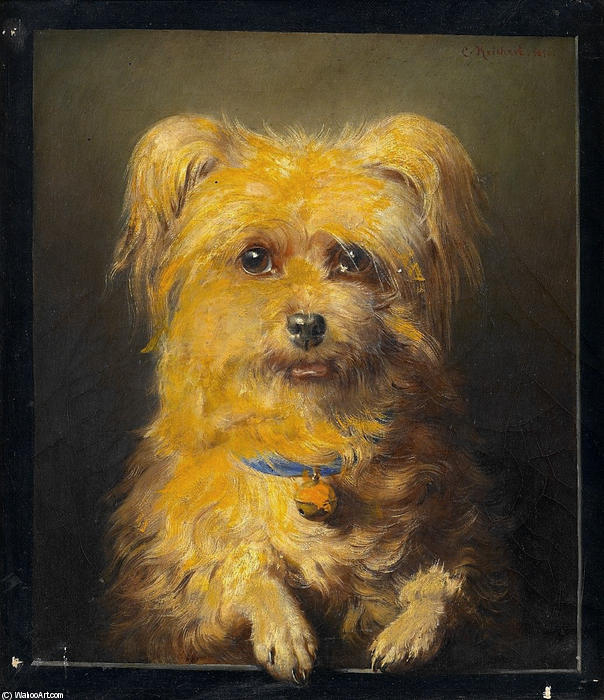
Portrait of a Dog

 Pročitaj više
Giclee štampa / Umetnički otisak
Giclée štampa ili print na platnu muzejskog kvaliteta uz brzu proizvodnju i fleksibilne opcije završne obrade. ( Kupi ručno naslikanu sliku Kupi digitalnu sliku)




































Izaberite jednu od naših unapred definisanih veličina koje odgovaraju originalnim proporcijama umetničkog dela.

Možete uneti sopstvene dimenzije kako biste umetničko delo prilagodili specifičnom okviru ili prostoru. Ako odabrani format ne odgovara proporcijama originalne slike, mi ćemo ili iscrtati deo dela ili proširiti sliku pomoću ogledane ivice ili jednobojnog popunjavanja. Digitalni prikaz će vam biti poslat na odobrenje pre početka proizvodnje.
Imajte na umu da pregled na ekranu ne odražava stvarno iscrtavanje ili proširivanje. Samo će prikaz (mockup) precizno pokazati finalnu kompoziciju.
Iako su prilagođene dimenzije dostupne, preporučujemo da odaberete dimenziju sa unapred definisane liste kako biste očuvali originalne proporcije.
Dostava širom sveta () za 2 nedelje umesto uobičajenih 4/5 nedelja. (3 септембар)

Besplatna ekspresna dostava širom sveta

Visokokvalitetno laneno platno

Kompletno osiguranje transporta

Garancija povraćaja carine i uvoznih dažbina

Garancija vernosti boja

Politika povrata u roku od 60 dana (samo u slučaju nedostataka)

Garancija povrata novca od 100%

Popust pri grupnoj kupovini
 Opcija sa staklom dostupna je samo za dimenzije manje od 110 cm

Portrait of a Dog
Giclee štampa / Umetnički otisak
Dimenzije reprodukcije
-


Konačna cena
$ 62
Srodna umetnička dela








Biografija umetnika
A Vision Forged in Anatomy and Art
Carl Bogislaus Reichert was a man of dual perspectives, possessing an eye that could dissect the complexities of life both through a microscope and a paintbrush. Born in 1836 in Rastenburg, Prussia, his early intellectual journey was rooted in the rigorous disciplines of science. As an anatomist, embryologist, and histologist, Reichert’s life was dedicated to understanding the very architecture of living beings. This scientific foundation, however, did not exist in isolation from his artistic soul; rather, it became the very lens through which he viewed the world. The precision required for his pioneering research in cell theory and embryonic development found a profound expression in his canvases, where every strand of fur and every subtle muscle movement was rendered with an almost photographic fidelity.His scholarly pursuits provided him with a unique advantage in the realm of naturalism. While many artists sought to capture the outward appearance of their subjects, Reichert’s deep understanding of biological structure allowed him to imbue his portraits with a sense of internal truth. This intersection of scientific observation and artistic empathy created a style that was as much about the essence of life as it was about its visual representation.
From Romanticism to Meticulous Realism
As Reichert moved through the artistic landscapes of Europe, his style underwent a transformative evolution. His formative years were touched by the lingering echoes of the German Romantic movement, where the sublime beauty of nature—reminently of Caspar David Friedrich—offered a sense of profound emotion and imagination. Yet, upon relocating to Vienna around 1860 to study under the guidance of Anton Hansekampf, his work began to pivot toward a more grounded realism. This period in Vienna, following his earlier studies in Graz, allowed him to refine a technique characterized by meticulous observation and a shift toward capturing the tangible truths of the physical world.During his time in Graz, he demonstrated a remarkable versatility, documenting the architectural splendor of the city through delicate watercolors for the Archduchess Sophie. This period of landscape painting and topographical documentation served as a bridge between his scientific training and his eventual mastery of animal portraiture. His ability to observe light and atmosphere in the Styrian landscapes prepared him for the nuanced textures of the living subjects that would later define his fame.
The Master of Animal Portraits and Rural Life
While his scientific mind understood the structure of life, his artistic heart captured its spirit. Reichert became celebrated for his ability to breathe life into his subjects, particularly through his extraordinary animal portraits. He possessed an unparalleled knack for conveying the subtle nuances of behavior, most notably in his beloved depictions of dachshunds and other domestic companions. His paintings often transcended mere representation; they were studies in character and temperament.- Animal Portraiture: His works featuring dogs, cats, and horses are marked by a soft realism that captures both the tactile texture of fur and the soulful gaze of the animal.
- Genre Scenes: Beyond his animal subjects, he masterfully depicted the rhythms of rural life, portraying scenes of agricultural labor and childhood innocence with a nostalgic charm.
A Lasting Legacy of Observation
Though he may remain a relatively obscure figure in the grander narrative of art history, Carl Reichert’s contribution to the depiction of the natural world is undeniable. His legacy lies in that rare intersection of scientific precision and artistic empathy. Through his meticulous brushwork, he preserved the quiet dignity of rural existence and the endearing personalities of the creatures that shared it with us. He remains a master of the small, significant moments—a quiet observer who found the extraordinary within the ordinary, leaving behind a collection of works that continue to resonate with their warmth, accuracy, and profound love for the living world.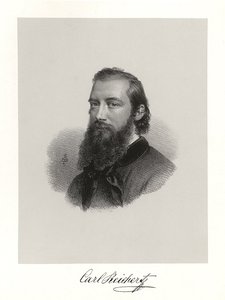
carl reichert
1836 - 1918 , Germany
Osnovne informacije
- Artistic Movement Or Style: Genre Art
- Date Of Birth: 1836
- Full Name: Carl Bogislaus Reichert
- Nationality: German
- Notable Artworks:
- Untitled
- Sanguine and Choleric
- Parrot and Pugs
- Place Of Birth: Germany (Rastenburg)

