

 Pregledaj u prostoru
 Pošalji
 Podeli
 Detalji o delu

 Преузми
 Slični predmeti
 Rendgenski snimak
 Slajdovi
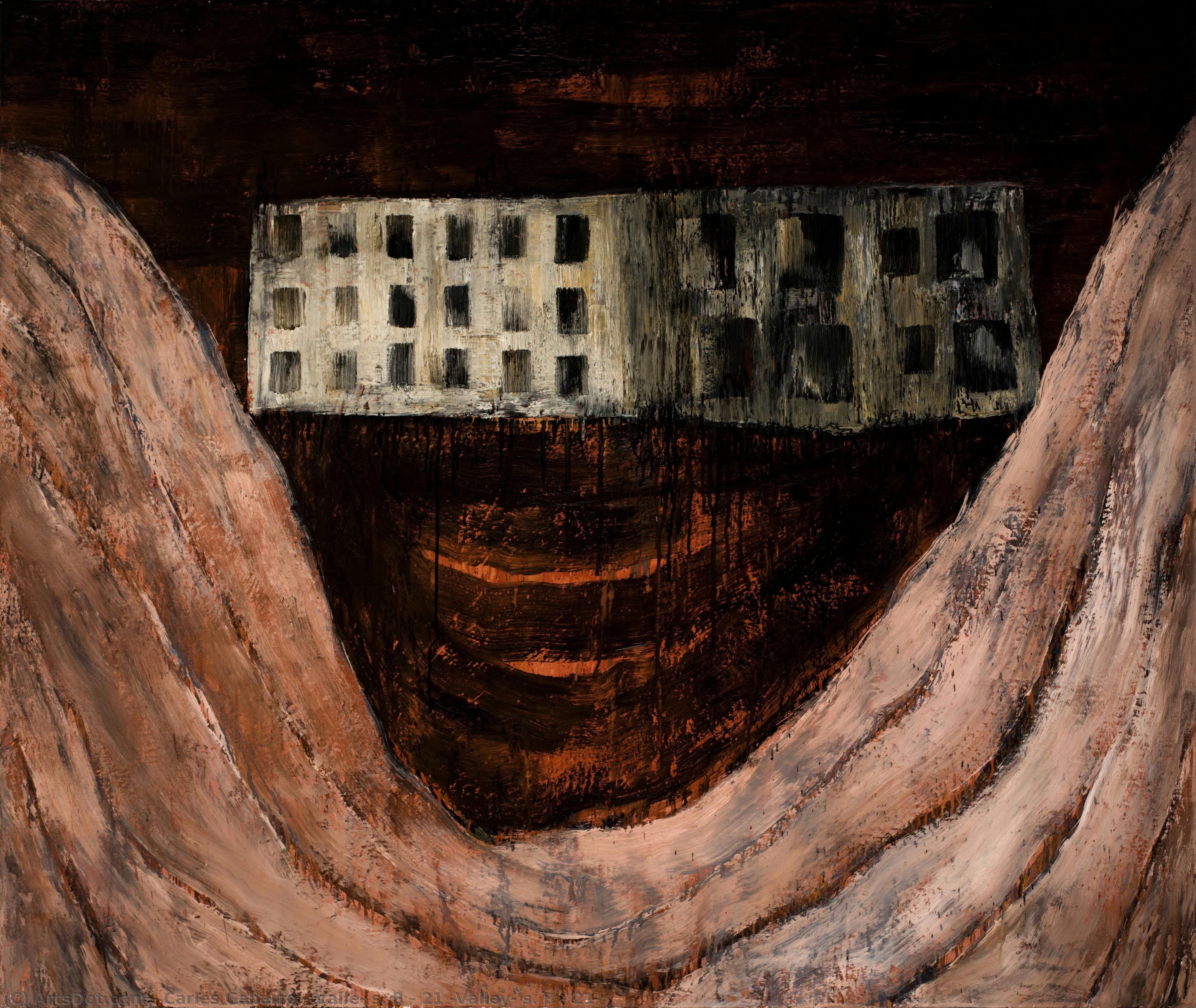
Valle, s. B # 21 (Valley, s. B # 21)
 Contemporary Realism
 Contemporary
 30.0 x 11.0 cm
 Juan Cabré Museum
 Pročitaj više
Giclee štampa / Umetnički otisak
Giclée štampa ili print na platnu muzejskog kvaliteta uz brzu proizvodnju i fleksibilne opcije završne obrade. ( Kupi ručno naslikanu sliku Kupi digitalnu sliku)




P118B $10

P118H $10

P118W $10

P438Z $10

P508JH $12

P508YH $12

P805H $10

P805Z $10

P919BZ $10

P919G $10

P919XJ $10

P959ZH $10

P968JZ $12

W106C $8

W218G $10

W218JH $8

W218Y $10

W307PJ $10

W316G $10

W316PJ $8

W316Y $10

W398PJ $8

W4111J $10

W500HY $15

W500JH $15

W692G $12

W849H $8

W940BG $15

W953PJ $8




Izaberite jednu od naših unapred definisanih veličina koje odgovaraju originalnim proporcijama umetničkog dela.

Možete uneti sopstvene dimenzije kako biste umetničko delo prilagodili specifičnom okviru ili prostoru. Ako odabrani format ne odgovara proporcijama originalne slike, mi ćemo ili iscrtati deo dela ili proširiti sliku pomoću ogledane ivice ili jednobojnog popunjavanja. Digitalni prikaz će vam biti poslat na odobrenje pre početka proizvodnje.
Imajte na umu da pregled na ekranu ne odražava stvarno iscrtavanje ili proširivanje. Samo će prikaz (mockup) precizno pokazati finalnu kompoziciju.
Iako su prilagođene dimenzije dostupne, preporučujemo da odaberete dimenziju sa unapred definisane liste kako biste očuvali originalne proporcije.
Dostava širom sveta () za 2 nedelje umesto uobičajenih 4/5 nedelja. (7 септембар)

Besplatna ekspresna dostava širom sveta

Visokokvalitetno laneno platno

Kompletno osiguranje transporta

Garancija povraćaja carine i uvoznih dažbina

Garancija vernosti boja

Politika povraćaja u roku od 100 dana (isključivo u slučaju nedostataka)

Garancija povrata novca od 100%

Popust pri grupnoj kupovini
 Opcija sa staklom dostupna je samo za dimenzije manje od 110 cm

Valle, s. B # 21 (Valley, s. B # 21)
Giclee štampa / Umetnički otisak
Dimenzije reprodukcije
-


Konačna cena
$ 62
A Nocturnal Vision in Monochrome
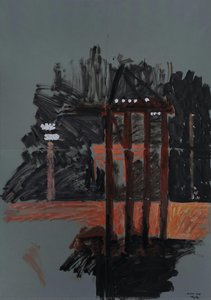
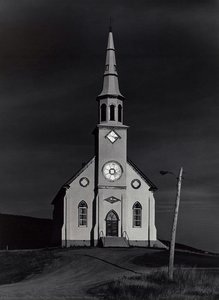
In the evocative work Valle, s. B # 21, the Spanish master Carles Gabarró invites us into a silent, nocturnal realm where architecture and atmosphere converge. This striking black and white composition presents a valley of structures that seem to emerge from the shadows, captured through a perspective that pulls the viewer upward. The absence of daylight strips the scene of its superficial colors, forcing an intimate confrontation with the raw geometry of the buildings. As we gaze upon the rows of windows and the rhythmic arrangement of the facades, we are not merely looking at a landscape, but rather experiencing a meditative study on light, shadow, and the structural essence of the built environment.
The artist’s unique approach to this piece reflects his profound fascination with materiality and transformation. By utilizing a monochromatic palette, Gabarró emphasizes the interplay of textures and the stark contrast between the dark voids of the night and the subtle highlights catching the edges of the architecture. The low-angle perspective creates an imposing sense of depth, making the buildings feel as though they are looming over the observer, yet there is a strange, organized tranquility to the scene. This tension between the monumental scale of the structures and the quiet stillness of the valley creates a captivating visual rhythm that draws the eye through every window and along every architectural line.
The Poetics of Shadow and Structure
Beyond its technical execution, Valle, s. B # 21 carries a deep emotional resonance, characteristic of Gabarró’s ability to explore the human condition through abstraction and form. The painting evokes a sense of profound introspection and a touch of melancholy, as if we are witnessing a moment of quiet solitude in an urban landscape. There is a haunting beauty in the way the buildings stand in silent formation, suggesting themes of permanence and the passage of time. For the collector or interior designer, this piece serves as a sophisticated focal point; its understated elegance and dramatic tonal range allow it to integrate seamlessly into modern, minimalist, or classical spaces, providing a window into a world of quiet contemplation.
For those seeking to adorn a space with art that stimulates thought and emotion, this reproduction offers more than just decoration. It provides an atmospheric anchor—a piece that commands attention through its subtle complexity rather than through loud colors. The meticulous attention to the shapes and lines within the composition ensures that every viewing reveals new details, from the way the light grazers a corner to the deep, velvety blacks that define the night. It is a masterful example of how monochrome art can transcend simple representation to become a profound exploration of space, light, and the silent poetry of the nocturnal world.
Srodna umetnička dela

Biografija umetnika
A Life Immersed in Materiality: The World of Carles Gabarró
Carles Gabarró, born in Barcelona in 1956, is a Spanish painter whose work resonates with a profound sense of melancholy and introspection. His artistic journey began not directly within the realm of fine arts, but initially through studies in Physics and Chemistry at the University of Barcelona. This early scientific grounding, however, proved surprisingly formative, instilling in him a meticulous approach to materials and a fascination with processes of transformation—qualities that would become hallmarks of his distinctive painting style. A period spent in Paris following his graduation further ignited his artistic sensibilities, exposing him to a vibrant cultural landscape and solidifying his commitment to pursuing a life dedicated to visual expression.The Emergence of a Singular Vision: Influences and Early Development
Returning to Barcelona in 1980, Gabarró established his studio in the El Raval district, embracing a path of independent exploration. The artistic climate of the 1980s, dominated by Neo-Expressionism, exerted a significant influence on his early work. However, rather than simply adhering to this prevailing trend, Gabarró forged his own unique trajectory. He absorbed the energy and rawness of the movement but quickly began to distance himself from its more overt gestures, developing a deeply personal iconography characterized by recurring motifs: skulls, books, shipwrecks, and beds—symbols laden with existential weight. His early paintings reveal a deliberate brutality in their application of paint, embracing dripping and accident as integral components of the creative process. This materiality wasn’t merely aesthetic; it was a means of conveying a sense of decay, fragility, and the relentless passage of time.Themes of Solitude, Death, and the Human Condition
Gabarró's oeuvre is profoundly concerned with the fundamental questions of human existence—solitude, mortality, and the search for meaning in a seemingly indifferent universe. The recurring presence of skulls serves as a stark *memento mori*, reminding viewers of their own impermanence. Books, often depicted in states of disrepair or abandonment, symbolize lost knowledge, forgotten histories, and the weight of intellectual pursuit. Shipwrecks evoke themes of loss, ruin, and the precariousness of life’s journey. Perhaps most poignantly, beds represent both intimacy and vulnerability—spaces of rest, passion, but also sickness, death, and the solitude of the individual psyche. These motifs are not presented as isolated symbols but rather interwoven into complex compositions that invite contemplation and emotional resonance. His style is characterized by expressive brushwork, meditative pacing, and a structured approach to form, seeking to capture those elusive qualities that lie beyond direct representation.Major Achievements and Continued Exploration
Throughout his career, Gabarró has exhibited extensively in galleries and institutions across Spain and Europe, including the prestigious Galerie Maeght in Barcelona. In 1992, he embarked on a period of experimentation with printmaking, creating six etchings for Galerie Maeght that further demonstrated his mastery of different artistic mediums. His paintings have been described as possessing a unique blend of tragedy and beauty—a captivating tension between darkness and sensuality. More recently, Gabarró’s work has continued to evolve, exploring new formats and approaches while remaining deeply rooted in his core thematic concerns. The exhibition at Can Framis Museum, titled 'The Fragility of Painting in the Era of ‘Fast Food’', showcased a retrospective view of his career, highlighting the enduring power of his material painting and singular iconography.Historical Significance and Legacy
Carles Gabarró occupies a distinctive position within contemporary Spanish art. While influenced by movements such as German Neo-Expressionism and Italian Transavantgarde, he has consistently resisted easy categorization, forging an independent path characterized by introspection, emotional depth, and a profound engagement with materiality. His work speaks to the anxieties and uncertainties of modern life, offering viewers a space for contemplation and self-reflection. Gabarró’s legacy lies in his unwavering commitment to painting as a means of exploring the complexities of the human condition, creating evocative works that continue to resonate with audiences seeking art that is both intellectually stimulating and emotionally profound. He reminds us, through his haunting imagery and expressive technique, of the enduring power of *art to confront the fundamental questions of existence* and find beauty within the fragility of life itself.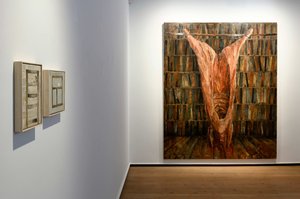
carles gabarró
1956 - , Spain
Osnovne informacije
- Artistic Movement Or Style: Neo-Expressionism
- Artists Who Influenced This Artist:
- German Neo-Expressionism
- Italian Transavantgarde
- Date Of Birth: 1956
- Date Of Death: Living
- Full Name: Carles Gabarró
- Nationality: Spanish
- Place Of Birth: Barcelona, Spain
Povezani članci

White on Canvas: 10 Masterpieces & Timeless Elegance for Your Home Decor
Explore 10 iconic white paintings by Monet, Whistler & Rothko! Discover the stories behind these serene masterpieces and their impact on art history. Find museum-quality reproductions for your home decor at .

Monochrome Visions: Exploring the Aesthetic & Historical Significance of Black & White Photography
Explore the rich history & artistic power of black and white photography. From early techniques to iconic masters like Ansel Adams, discover why monochrome continues to captivate art lovers today. Expert insights for collectors.

Dark Masterpieces: 10 Iconic Paintings Dominated by Black Tones |
Explore 10 iconic paintings dominated by black tones, from Rembrandt’s chiaroscuro to Goya's dark expressions. Discover the stories behind these masterpieces & find museum-quality art reproductions for your home at .

Chromatic Absence: Exploring the Aesthetic Power of Black & White Art
Explore the captivating world of monochrome art! Discover its rich history, influential artists like Malevich & Klein, and profound emotional impact. Expert insights for collectors & design enthusiasts.
The Subtleties of Shade: Exploring Black, White & Gray Abstraction in Modern Interior Design
Explore the power of black, white & gray abstraction in modern interior design. Discover how minimalist art impacts spatial perception & creates sophisticated hotel spaces. Expert insights for designers.