

 Pošalji
 Podeli
 Detalji o delu

 Преузми
 Slični predmeti
 Slajdovi
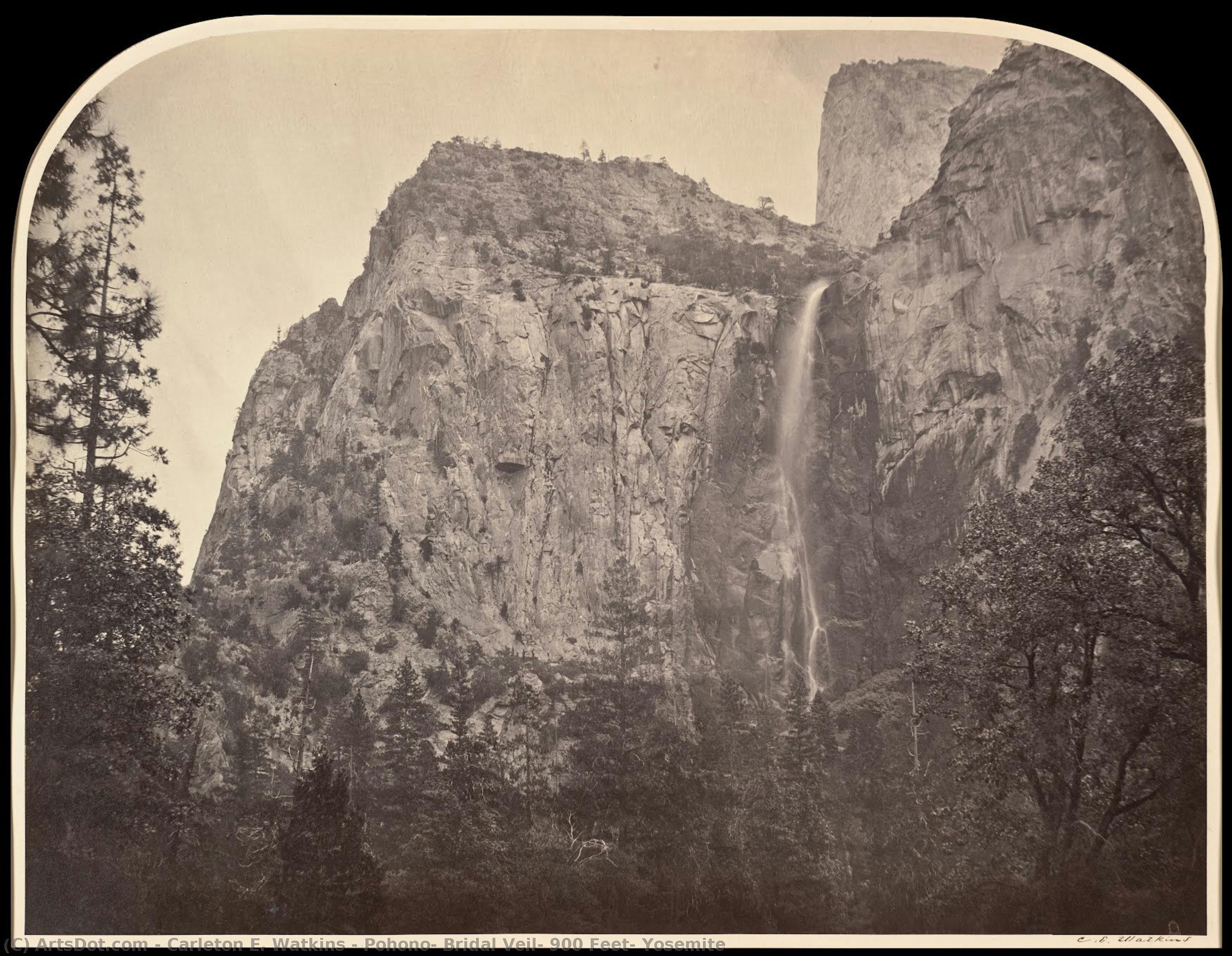
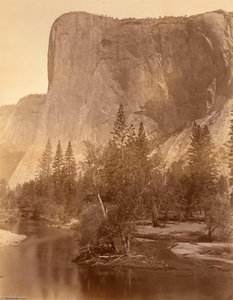
Pohono, Bridal Veil, 900 Feet, Yosemite


 Pročitaj više
Ručno rađena uljana reprodukcija
Ručno oslikano uljanim bojama na platnu u dimenzijama i okviru po vašem izboru, izrađeno po porudžbini od strane naših umetnika. ( Kupi print Kupi digitalnu sliku)




































Izaberite jednu od naših unapred definisanih veličina koje odgovaraju originalnim proporcijama umetničkog dela.

Можете унети сопствене димензије како бисте прилагодили дело одређеном оквиру или простору. Ако одабрана величина не одговара пропорцијама оригинала, слика ће бити исечена или проширена додатним елементима који се ручно насликавају. Дигитални prikaz ће вам бити послат на одобрење пре почетка производње.
Имајте на уму да преглед на екрану не одражава стварно исецање или проширење. Само приказ (mockup) ће тачно приказати коначну композицију.
Иако су доступне прилагођене величине, препоручујемо да одаберете димензију из дефинисане листе како бисте сачували оригиналне пропорције.
Nakon narudžbine, tim ArtsDot.com će klijentu putem e-pošte poslati uputstva i dostaviti prikaz predloženog rešenja
Isporuka širom sveta () za 3/4 nedelje umesto uobičajenih 5 nedelja. (27 август). Bez kompromisa po pitanju kvaliteta.

Besplatna ekspresna dostava širom sveta

Visokokvalitetno laneno platno

Kompletno osiguranje transporta

Garancija povraćaja carine i uvoznih dažbina

Garancija vernosti boja

Politika povrata u roku od 60 dana (samo u slučaju nedostataka)

Garancija povrata novca od 100%

Popust pri grupnoj kupovini
 Opcija sa staklom dostupna je samo za dimenzije manje od 110 cm

Pohono, Bridal Veil, 900 Feet, Yosemite
Tehnika reprodukcije
Dimenzije reprodukcije
-


Konačna cena
$ 263
Opis umetničkog dela
Srodna umetnička dela



Biografija umetnika
Early Life and Artistic Awakening
The story of E. Watkins is one steeped in quiet observation and a gradual unfolding of talent, rather than a sudden burst onto the art scene. Born into a modest family, details surrounding their early life remain somewhat elusive – a deliberate choice by the artist to keep the focus firmly on the work itself. What *is* known is that Watkins displayed an aptitude for drawing from a very young age, filling notebooks with meticulous studies of the natural world and everyday objects. This wasn’t formal training; rather, it was a self-directed exploration born out of curiosity and a deep connection to their surroundings. The rural landscapes where they spent their childhood proved formative, instilling a lifelong appreciation for subtle shifts in light, texture, and form. Early influences were less about specific artists and more about the inherent beauty found in nature – the intricate patterns of leaves, the weathered surfaces of old wood, the ever-changing moods of the sky. This foundational period was crucial in developing Watkins’ distinctive visual language, characterized by a remarkable attention to detail and an almost meditative quality. It wasn't until later that they began to formally study art, but this early immersion in observation would remain the cornerstone of their practice.Formal Training and Emerging Style
Watkins’ decision to pursue formal artistic education marked a turning point, though not necessarily a dramatic departure from their earlier inclinations. They enrolled at a regional art school known for its emphasis on traditional techniques – drawing, painting, sculpture – but quickly found themselves drawn to the less conventional aspects of the curriculum. While proficient in representational work, Watkins began experimenting with abstraction and exploring ways to convey emotion and atmosphere through non-figurative means. This period was marked by a growing dissatisfaction with purely academic approaches and a search for a more personal mode of expression. Influenced by early Modernist movements like Impressionism and Post-Impressionism, they started to deconstruct traditional forms and prioritize the subjective experience of seeing. The artist’s palette began to evolve, moving away from realistic color schemes towards a more nuanced and evocative use of tone and hue. This experimentation wasn't without its challenges; Watkins often felt at odds with their instructors, who favored more conventional styles. However, this tension ultimately proved productive, pushing them to refine their vision and develop a unique artistic voice that blended technical skill with emotional depth.Major Themes and Artistic Development
The core of E. Watkins’ work revolves around the exploration of memory, loss, and the ephemeral nature of time. Their paintings are rarely literal depictions of specific events or places; instead, they function as evocative fragments – glimpses into a past that is both deeply personal and universally relatable. Recurring motifs include abandoned structures, decaying landscapes, and solitary figures, all rendered with a haunting sense of stillness and melancholy.- The Weight of History: Watkins often incorporates architectural elements—ruined buildings, crumbling walls—as symbols of the passage of time and the enduring presence of the past.
- Atmospheric Perspective: A key characteristic of their work is the masterful use of atmospheric perspective to create a sense of depth and distance, evoking feelings of isolation and longing.
- Subtle Color Palettes: The artist favors muted color palettes—grays, blues, ochres—that contribute to the overall mood of introspection and quiet contemplation.
Historical Significance and Legacy
E. Watkins occupies a unique position within contemporary art. While not easily categorized into any particular school or movement, their work resonates with a wide range of audiences who appreciate its emotional depth, technical skill, and philosophical undercurrents. Their paintings have been exhibited in galleries and museums around the world, earning them critical acclaim and a devoted following.- Influence on Contemporary Landscape Painting: Watkins’ nuanced approach to landscape painting has inspired a new generation of artists who seek to capture not just the visual appearance of nature but also its emotional resonance.
- Exploration of Memory and Loss: Their work is often cited as a powerful meditation on themes of memory, loss, and the human condition, resonating with viewers on a deeply personal level.
- Quiet Revolution in Abstraction: Watkins’ subtle yet profound approach to abstraction has challenged conventional notions of form and content, paving the way for new forms of artistic expression.

Osnovne informacije
- Artistic Movement Or Style: Landscape Photography
- Date Of Death: Living
- Full Name: Carleton E. Watkins
Povezani članci

Glavna dela koja su definisala Romantični pejzaž: 10 remek-dela za vaš dom
Otkrijte 10 remek-dela romantičnog pejzažnog slikarstva! Uronite u svet Claude Lorraina, Caspara David Friedricha i Turnera. Ispričane priče umetnosti, inspiracija za dekoraciju doma. Kvalitetne reprodukcije na ArtsDot.com – istražite celu kolekciju online!

Evocations of Place: A Historical Journey Through Landscape Art
Explore the rich history of landscape art with ArtsDot. Discover renowned artists, movements like Impressionism & Romanticism, and expert guidance for collecting timeless pieces. Find your perfect serene escape today!

25 Remek-dela Džona Konstebla: Lepota Engleske na Platnu | ArtsDot
Uronite u svet Džona Konstebla! Otkrijte 25 remek-dela engleskog pejzaža, romantizma i seoske idile. Kupite reprodukcije slika vrhunskog kvaliteta za dekoraciju enterijera na ArtsDot.com.
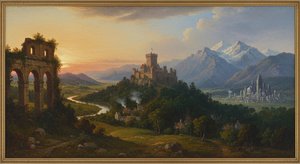
Evocations of Place: A Historical Journey Through Landscape Art
Explore the rich history of landscape art with ArtsDot. Discover renowned artists, movements like Impressionism & tonalism, and expert guidance for collecting timeless pieces. Find your perfect serene escape today!
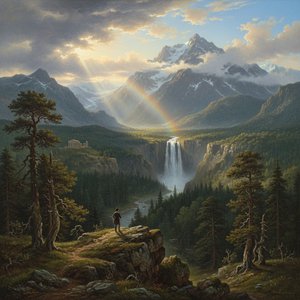
Evoking Nature's Sublime: A Comprehensive Exploration of 19th-Century Landscape Painting
Explore the captivating world of 19th-century landscape painting! Discover renowned artists like Friedrich & Monet, key movements, and find the perfect artwork to bring nature's serenity into your home. Expert insights at ArtsDot.

